As we dive into 2025, it's essential for young adults to stay on top of the latest personal finance trends. This will help you manage your money effectively, achieve financial stability, and make informed decisions about your financial future. By staying informed, you can avoid common pitfalls and make the most of new opportunities.
The top personal finance trends of 2025 are focused on helping young adults take control of their financial lives. These trends include a mix of traditional and digital approaches to managing money, investing, and saving. For example, many young adults are turning to budgeting apps to track their expenses and stay on top of their finances.
Some of the key trends to watch out for in 2025 include:
- Increased use of digital payment systems and mobile wallets
- Growing interest in sustainable investing and socially responsible spending
- More emphasis on building emergency funds and saving for long-term goals
By understanding these trends, you can make smart financial decisions and set yourself up for long-term success.
Whether you're just starting to build your financial foundation or looking to improve your existing habits, staying informed about the latest trends is crucial. You can start by assessing your current financial situation, setting clear goals, and exploring new tools and resources to help you achieve them. With the right knowledge and strategies, you can take control of your finances and achieve financial freedom.

Evolving Side Hustles
The way we work is changing, with online freelancing on the rise and traditional employment evolving. This shift has created new opportunities for individuals to earn extra income and pursue their passions. With the advancement of technology, it's now easier than ever to find freelance work and connect with clients from all over the world.
Online freelancing platforms have made it possible for people to offer their skills and services to a global market, giving them the flexibility to work on their own terms. For young adults, this can be a great way to gain experience, build a professional network, and earn some extra money. Examples of profitable side hustles include tutoring, social media management, and content creation.
Some popular side hustles for young adults include:
- tutoring, which can be done online or in-person and can help students earn up to $20 per hour
- social media management, which involves creating and scheduling posts for small businesses and can pay up to $1,000 per month
- content creation, such as writing, photography, or videography, which can be sold to clients or used to build a personal brand
These side hustles can be done on a part-time basis, allowing young adults to balance them with their studies or full-time job.
To balance a side hustle with a full-time job or studies, it's essential to prioritize time management and organization. This can involve creating a schedule, setting boundaries, and learning to say no to non-essential commitments. By doing so, individuals can ensure that their side hustle complements their primary responsibilities, rather than conflicting with them.
For those looking to start a side hustle, it's crucial to identify their skills and interests and find opportunities that align with them. This can involve researching online freelance platforms, networking with others in their industry, and building a professional online presence. By taking these steps, young adults can set themselves up for success and create a profitable side hustle that brings them financial stability and personal fulfillment.

Smart Budgeting Strategies
The 50/30/20 budgeting rule is a simple and effective way for young adults to manage their finances. This rule allocates 50% of one's income towards necessary expenses like rent, utilities, and groceries, 30% towards discretionary spending, and 20% towards saving and debt repayment. By following this rule, individuals can strike a balance between enjoying their life and securing their financial future.
For instance, if a young adult earns $4,000 per month, they would allocate $2,000 towards necessary expenses, $1,200 towards discretionary spending, and $800 towards saving and debt repayment. This allocation can be adjusted based on individual circumstances, but it provides a good starting point for creating a budget. Budgeting apps and spreadsheet tools can help track expenses and stay on top of finances.
Some popular budgeting apps include Mint, You Need a Budget (YNAB), and Personal Capital, which offer features like expense tracking, budgeting, and investment monitoring. Additionally, spreadsheet tools like Google Sheets or Microsoft Excel can be used to create a personalized budget template. These tools can help identify areas where expenses can be reduced and provide a clear picture of one's financial situation.
To prioritize needs over wants in a budget, it's essential to make a list of essential expenses, such as:
- Rent or mortgage payments
- Utilities like electricity, water, and gas
- Groceries and other necessary food expenses
- Minimum debt payments, such as credit card bills or loan repayments
- Insurance premiums, including health, auto, and renters insurance
By covering these essential expenses first, individuals can ensure they have a solid foundation for their budget and can then allocate funds towards discretionary spending.
When it comes to discretionary spending, it's crucial to distinguish between needs and wants. For example, while dining out or buying a new gadget may be enjoyable, it's essential to consider whether these expenses align with one's financial goals. By prioritizing needs over wants and using budgeting tools to track expenses, young adults can make the most of their money and achieve financial stability.

Investing for Beginners
When it comes to investing, one of the most powerful concepts to understand is compound interest. Compound interest is the idea that the returns on your investment will generate their own returns, creating a snowball effect that can help your wealth grow exponentially over time. For example, if you invest $1,000 and earn a 5% annual return, you'll have $1,050 after one year, and then $1,102.50 after two years, and so on.
To take advantage of compound interest, you'll need to decide how to invest your money. Two popular options are index funds and individual stocks. Index funds allow you to invest in a broad range of stocks or bonds, spreading your risk and potentially reducing your volatility. Individual stocks, on the other hand, let you invest in specific companies, which can be riskier but also potentially more rewarding.
Here are some pros and cons of each approach:
- Index funds: diversified, lower risk, and often lower fees, but may not offer the potential for huge gains
- Individual stocks: potentially higher returns, but also higher risk and more research required
Ultimately, the choice between index funds and individual stocks depends on your personal financial goals, risk tolerance, and investment style.
To get started with investing, you'll need to set up a brokerage account. This is a simple process that can usually be done online, and many brokerages offer beginner-friendly accounts with low or no minimum balance requirements. When choosing a brokerage, consider factors like fees, investment options, and customer support.
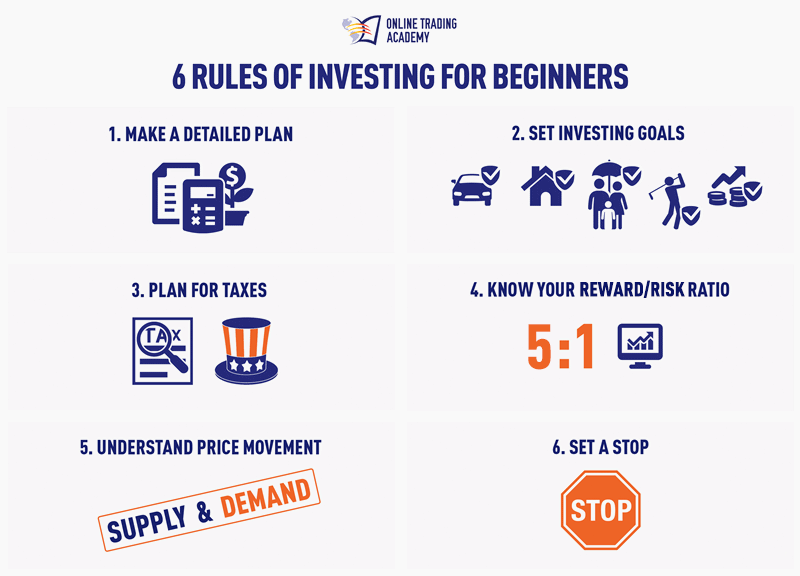
Once you have your brokerage account set up, you can begin investing. Start by determining how much you can afford to invest each month, and set up a regular transfer from your checking account to your brokerage account. You can also take advantage of tax-advantaged accounts like 401(k) or IRA to save for retirement and reduce your tax liability.
As you begin your investing journey, remember to be patient and disciplined, and don't be afraid to ask for help or seek out educational resources. With time and practice, you'll become more confident and comfortable with investing, and you'll be on your way to achieving your long-term financial goals.
Managing Debt Effectively
When it comes to managing debt effectively, there are two popular methods to consider: the snowball method and the avalanche method. The snowball method involves paying off debts with the smallest balances first, while making minimum payments on larger debts. This approach can provide a psychological boost as you quickly eliminate smaller debts and see progress.
In contrast, the avalanche method involves paying off debts with the highest interest rates first, while making minimum payments on other debts. For example, if you have a credit card with a 20% interest rate and a student loan with a 6% interest rate, you would prioritize paying off the credit card debt first. This approach can save you more money in interest payments over time.
To maintain a good credit history, it's essential to understand the importance of credit scores. Your credit score is a three-digit number that represents your creditworthiness, and it's used by lenders to determine the likelihood of repaying debts. A good credit score can help you qualify for lower interest rates and better loan terms.
Here are some tips for maintaining a good credit history:
- Make on-time payments: Payment history accounts for 35% of your credit score, so it's crucial to make timely payments.
- Keep credit utilization low: Keep your credit card balances below 30% of the credit limit to avoid negatively impacting your credit score.
- Monitor your credit report: Check your credit report regularly to ensure it's accurate and up-to-date.
If you're struggling to pay off debts, it may be helpful to negotiate with creditors or consolidate debt. Negotiating with creditors can involve requesting a temporary reduction in payments or a waiver of late fees. Consolidating debt, on the other hand, involves combining multiple debts into a single loan with a lower interest rate and a single monthly payment. For instance, you could consolidate multiple credit card debts into a personal loan with a 10% interest rate, which can simplify your payments and save you money on interest.
When negotiating with creditors or consolidating debt, it's essential to be proactive and communicate clearly. You can start by contacting your creditors to explain your financial situation and request assistance. Be sure to review the terms and conditions of any debt consolidation loan or agreement to ensure it's in your best interest. By taking control of your debt and maintaining a good credit history, you can achieve financial stability and security.

Achieving Financial Health
Building an emergency fund is a crucial step towards financial stability. This fund serves as a safety net, covering 3-6 months of living expenses in case of unexpected events, such as job loss or medical emergencies. By having a cushion, you can avoid going into debt and reduce financial stress.
Creating an emergency fund requires discipline and patience, but it's achievable with a solid plan. Start by setting aside a fixed amount each month, even if it's just $100, and gradually increase the amount over time. Consider setting up an automatic transfer from your checking account to your savings or emergency fund account.
Financial wellness is closely linked to mental health, as financial stress can lead to anxiety and depression. Achieving financial wellness means having a sense of control over your finances, being able to meet your needs, and feeling secure about your financial future. This can be achieved by creating a budget, tracking expenses, and making conscious financial decisions.
To achieve financial wellness, it's essential to understand your spending habits and make adjustments as needed. Here are some tips to get you started:
- Track your expenses to identify areas where you can cut back
- Create a budget that accounts for all your needs and wants
- Prioritize needs over wants and make adjustments as needed
By taking control of your finances, you can reduce financial stress and improve your overall mental well-being.
Setting and achieving long-term financial goals requires careful planning and discipline. Start by identifying your goals, such as paying off student loans, buying a house, or retiring early. Break down your goals into smaller, manageable steps, and create a timeline for achieving them. For example, if you want to pay off your student loans in 5 years, calculate how much you need to pay each month to meet your goal.
To stay on track, consider setting reminders and tracking your progress regularly. Celebrate your successes along the way, no matter how small they may seem, and don't be too hard on yourself if you encounter setbacks. With persistence and the right mindset, you can achieve your long-term financial goals and enjoy a more secure and stable financial future.

Frequently Asked Questions (FAQ)
What is the best way to start a side hustle?
To begin your journey to starting a side hustle, take some time to reflect on your skills and passions. Consider what you're naturally good at and what you enjoy doing in your free time, as these can often be translated into profitable side hustles. For example, if you're an excellent writer, you may want to explore freelance writing or content creation.
Identifying your skills and passions is a crucial step, as it will help you narrow down the numerous side hustle options available. You can make a list of your skills, such as graphic design, social media management, or photography, and then research which ones are in high demand. This will give you a good idea of where to focus your efforts and increase your chances of success.
Some popular side hustles that you may want to consider include:
- Freelance work, such as writing, designing, or programming
- Selling products online, through platforms like eBay or Amazon
- Offering services, like pet-sitting, house-sitting, or tutoring
These are just a few examples, and there are many more opportunities available, depending on your skills and interests.
Once you have a list of potential side hustles, it's essential to research each option thoroughly. Look into the market demand, competition, and potential earnings for each side hustle, and choose the one that best aligns with your skills and passions. This will help you create a successful and sustainable side hustle that brings in a steady income and provides a sense of fulfillment.
By starting with a solid foundation, you'll be well on your way to building a successful side hustle that generates income and helps you achieve your financial goals. Remember to stay focused, be patient, and continually adapt to changes in the market, and you'll be more likely to succeed in your side hustle endeavors.
How do I create a budget that actually works for me?
To create a budget that works for you, it's essential to start by tracking your expenses. This means writing down every single transaction, no matter how small, in a notebook or using an app to help you stay on top of your spending. By doing so, you'll get a clear picture of where your money is going and be able to identify areas for improvement.
Once you have a good understanding of your expenses, you can begin allocating your income into different categories. A general rule of thumb is to allocate 50% of your income towards necessities like rent, utilities, and groceries. This will ensure that you have enough money set aside for the things you need to survive.
For discretionary spending, such as entertainment, hobbies, and travel, it's recommended to allocate 30% of your income. This will give you the freedom to enjoy yourself and pursue your interests without breaking the bank. You can use this portion of your budget to try new restaurants, attend concerts, or take a weekend trip.
The remaining 20% of your income should be put towards saving and debt repayment. This can include paying off credit cards, building an emergency fund, or saving for long-term goals like a down payment on a house. Here are some ways to make the most of this portion of your budget:
- Prioritize high-interest debt, such as credit card balances, and focus on paying those off first
- Set aside a fixed amount each month for savings and try to increase it over time
- Consider automating your savings by setting up automatic transfers from your checking account
By following the 50/30/20 rule and being mindful of your expenses, you can create a budget that actually works for you. Remember to review and adjust your budget regularly to ensure you're on track to meet your financial goals. With time and practice, you'll become more comfortable managing your finances and making conscious decisions about how you spend your money.
What is the best investment strategy for a beginner?
As a beginner, it's essential to start with a solid foundation in investing. Consider starting with a low-cost index fund or ETF, which tracks a specific market index, such as the S&P 500. This type of investment provides broad diversification and can be less expensive than actively managed funds.
When choosing an investment, it's crucial to think about the fees associated with it. Low-cost index funds and ETFs typically have lower expense ratios, which means you'll keep more of your investment returns. For example, a fund with an expense ratio of 0.05% will cost you $5 per $10,000 invested, whereas a fund with an expense ratio of 1% will cost you $100 per $10,000 invested.
To get the most out of your investments, take advantage of tax-advantaged retirement accounts such as a Roth IRA or 401(k). These accounts offer tax benefits that can help your investments grow faster over time. Here are some benefits of using tax-advantaged accounts:
- Tax-free growth: Your investments grow tax-free, which means you won't have to pay taxes on the gains.
- Tax-free withdrawals: With a Roth IRA, you can withdraw your money tax-free in retirement.
- Reduced taxable income: Contributions to a 401(k) or traditional IRA may be tax-deductible, which can lower your taxable income.
Ultimately, the best investment strategy for a beginner is one that is easy to understand and implement. By starting with a low-cost index fund or ETF and utilizing tax-advantaged accounts, you'll be well on your way to building a solid investment portfolio. Remember to always do your research, set clear financial goals, and consult with a financial advisor if needed.