As a young adult, taking control of your finances can be a daunting task, but it's a crucial step towards securing your financial future. The 31-day wealth challenge is designed to help you improve your financial health, one day at a time. By committing to this challenge, you'll be able to develop healthy financial habits and make progress towards your long-term goals.
The challenge is simple: each day, you'll complete a task or activity that helps you manage your finances more effectively. This might involve tracking your expenses, creating a budget, or paying off debt. For example, on day one, you might start by gathering all of your financial documents, including bank statements, credit card bills, and loan documents, to get a clear picture of your current financial situation.
Here are some of the key areas you'll focus on during the challenge:
- Assessing your current financial situation and setting goals for the future
- Creating a budget and tracking your expenses
- Paying off debt and building credit
- Building an emergency fund and starting to invest
By the end of the 31-day challenge, you'll have a solid foundation for managing your finances and making progress towards your long-term goals. You'll be able to make informed decisions about how to allocate your money, avoid common financial pitfalls, and start building wealth over time.

Understanding Your Financial Health
To get a clear picture of your financial situation, it's essential to track your income and expenses. This involves monitoring where your money is coming from and where it's going, allowing you to identify areas for improvement. Start by gathering your pay stubs, bills, and bank statements to get an accurate view of your financial landscape.
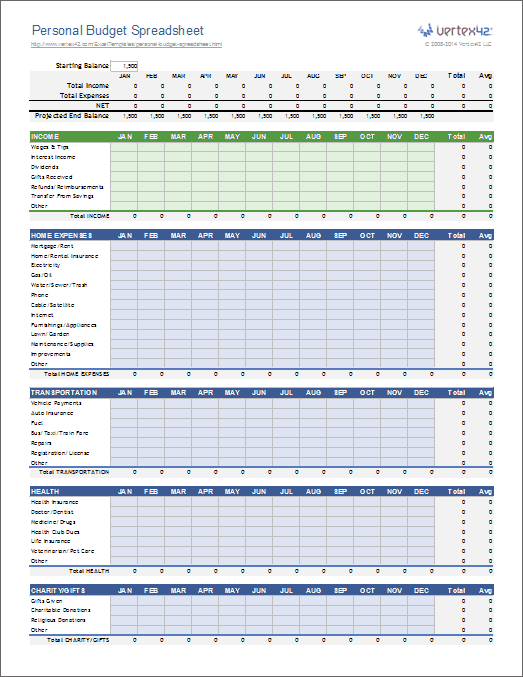
Creating a budget is a crucial step in understanding your financial health. A well-structured budget should account for savings, debt repayment, and investments, ensuring that you're making the most of your money. For example, you can allocate 50% of your income towards necessary expenses like rent and utilities, 30% towards discretionary spending, and 20% towards saving and debt repayment.
When it comes to making conscious financial decisions, it's vital to prioritize needs over wants. This means distinguishing between essential expenses, such as groceries and rent, and non-essential expenses, like dining out or entertainment. By doing so, you can make intentional choices about how you allocate your resources, ensuring that you're meeting your financial goals.
Here are some tips to help you prioritize your spending:
- Make a list of your essential expenses, such as housing, food, and transportation
- Identify areas where you can cut back on non-essential spending, like subscription services or hobbies
- Consider implementing a 30-day waiting period before making non-essential purchases to help you determine if they're truly necessary
By taking control of your finances and making conscious decisions, you can improve your financial health and achieve long-term stability. Remember, it's all about striking a balance between enjoying your life today and securing your financial future. With patience, discipline, and the right strategies, you can build a stronger financial foundation and achieve your goals.
Debt Repayment Strategies
When it comes to managing debt, the first step is to get a clear picture of your financial situation. Start by listing all your debts, including credit cards, loans, and their corresponding interest rates. This will help you understand where you stand and make informed decisions about how to proceed.
To tackle your debt, consider using either the snowball method or the avalanche method for debt repayment. The snowball method involves paying off debts with the smallest balances first, while the avalanche method focuses on paying off debts with the highest interest rates first. For example, if you have a credit card with a balance of $500 and an interest rate of 18%, and a student loan with a balance of $10,000 and an interest rate of 6%, the avalanche method would prioritize the credit card.
Here are some key debts to include in your list:
- Credit cards, including their balances and interest rates
- Loans, such as student loans, personal loans, and mortgages
- Overdue bills and other financial obligations
By taking stock of your debts, you can begin to develop a plan to pay them off.
Cutting expenses is a crucial step in debt repayment, as it allows you to allocate extra funds towards your debt. Consider ways to reduce your monthly spending, such as cooking at home instead of eating out or canceling subscription services you don't use. You can then use the money you save to make extra payments on your debt, helping you pay it off faster.
For instance, if you can cut your monthly expenses by $200, you can put that money towards your debt repayment. Over time, this can make a significant difference in the amount of interest you pay and the time it takes to become debt-free. By combining a debt repayment strategy with reduced expenses, you can take control of your finances and achieve your goals.

Building Multiple Income Streams
Having a single source of income can be limiting and may not provide the financial security you need. To achieve financial stability, consider exploring side hustles, such as freelancing or part-time jobs, that can supplement your primary income. For instance, if you have a talent for writing, you can offer your services on freelance platforms like Upwork or Fiverr.
Investing in dividend-paying stocks is another way to generate passive income, as these stocks distribute a portion of the company's profits to shareholders. You can also consider renting out a spare room on Airbnb to earn extra money, especially during peak travel seasons. This can be a lucrative venture, especially if you live in a popular tourist destination.
To get started with building multiple income streams, consider developing in-demand skills that can increase your earning potential. Some examples of in-demand skills include:
- digital marketing, which can be applied to a variety of industries
- web development, which is essential for businesses with an online presence
- data analysis, which is crucial for businesses looking to make data-driven decisions
These skills can be learned through online courses or certification programs, and can be applied to a variety of industries and careers.
In addition to developing new skills, it's also important to be strategic about how you allocate your time and resources. Consider focusing on high-leverage activities that can generate the most income, and outsourcing or delegating tasks that take up too much of your time. By doing so, you can create a portfolio of income streams that can help you achieve financial stability and freedom.

Investing for the Future
Investing for the future can seem daunting, but it's a crucial step in securing your financial stability. To get started, it's essential to learn about different types of investments, such as stocks, bonds, and ETFs, each with its own set of benefits and risks. For instance, stocks offer the potential for high returns, but come with a higher level of volatility.
When considering investment options, it's also important to think about your long-term goals, such as retirement. Contributing to a retirement account, like a 401(k) or IRA, can provide a safety net and help your money grow over time. Many employers offer matching contributions to 401(k) plans, making it a great way to boost your savings.
To minimize risk and maximize returns, diversifying your portfolio is key. This means spreading your investments across different asset classes, such as:
- Stocks, which represent ownership in companies
- Bonds, which offer regular income and relatively low risk
- ETFs, which provide a basket of investments in a single fund
By diversifying your portfolio, you can reduce your exposure to any one particular investment and increase your potential for long-term growth.
As you begin investing, it's essential to set clear goals and develop a strategy that works for you. Consider consulting with a financial advisor or using online resources to educate yourself on the different types of investments and their associated risks. With a solid understanding of investing and a well-diversified portfolio, you can set yourself up for financial success and a secure future.
Ultimately, investing for the future requires patience, discipline, and a willingness to learn and adapt. By taking the first step and starting to invest, you can take control of your financial future and work towards achieving your long-term goals. Whether you're just starting out or looking to refine your investment strategy, the key is to stay informed, stay disciplined, and keep moving forward.

Maintaining Financial Discipline
To achieve financial stability, it's essential to set clear financial goals and track progress regularly. This helps you stay focused on what you want to accomplish, whether it's paying off debt, building an emergency fund, or saving for a big purchase. By regularly reviewing your progress, you can make adjustments to your budget and spending habits as needed.
Setting financial goals can be as simple as deciding to save a certain amount each month or paying off a specific amount of debt within a set timeframe. For example, you might aim to save $1,000 in an emergency fund or pay off $5,000 in credit card debt within the next year. To track your progress, consider using a budgeting app or spreadsheet to monitor your income and expenses.
Avoiding lifestyle inflation is another crucial aspect of maintaining financial discipline. This means that when you receive a raise or bonus, you should save a portion of it instead of spending it all on luxuries. Some practical tips for avoiding lifestyle inflation include:
- Allocating a fixed percentage of your raise or bonus towards savings or debt repayment
- Using the 50/30/20 rule, where 50% of your income goes towards necessities, 30% towards discretionary spending, and 20% towards saving and debt repayment
- Automating your savings by setting up automatic transfers from your checking account to your savings or investment accounts
By following these tips, you can make the most of your increased income and achieve your long-term financial goals.
Continuously educating yourself on personal finance and investing is also vital for maintaining financial discipline. This can involve reading books or articles on personal finance, attending seminars or workshops, or taking online courses to learn about investing and money management. Some recommended resources for beginners include personal finance blogs, podcasts, and online forums, where you can learn from others who have achieved financial success. By staying informed and up-to-date on personal finance and investing, you can make informed decisions about your money and achieve financial stability over time.

Frequently Asked Questions (FAQ)
How much money can I save in 31 days?
When it comes to saving money, the amount you can save in 31 days largely depends on your individual financial situation and discipline. This means that factors such as your income, expenses, and spending habits will all play a role in determining how much you can set aside. For instance, if you have a high income and low expenses, you may be able to save more than someone who has a lower income and higher expenses.
To get started, it's essential to track your income and expenses to understand where your money is going. This will help you identify areas where you can cut back and allocate that money towards savings. You can use a budgeting app or spreadsheet to make tracking easier and more efficient.
Here are some practical tips to help you save money in 31 days:
- Start by setting a realistic savings goal based on your financial situation
- Cut back on unnecessary expenses such as dining out or subscription services
- Use the 50/30/20 rule, where 50% of your income goes towards necessities, 30% towards discretionary spending, and 20% towards saving and debt repayment
By following these tips and staying committed to your savings goal, you can make the most of the 31-day period and develop healthy financial habits that will benefit you in the long run.
For example, if you can save $10 per day, that's $310 in 31 days, which may not seem like a lot, but it's a great starting point. You can also consider ways to increase your income, such as taking on a side job or selling items you no longer need, to boost your savings even further. Remember, the key is to be consistent and patient, as saving money is a long-term process that requires discipline and persistence.
What if I have high-interest debt, like credit card balances?
When dealing with high-interest debt, such as credit card balances, it's essential to prioritize your payments. Focus on paying off these high-interest debts first, while making minimum payments on other debts, to save money on interest charges over time. This strategy can help you become debt-free faster and with less financial strain.
To start, make a list of all your debts, including the balance, interest rate, and minimum payment for each. Use this information to identify which debts have the highest interest rates and prioritize those first. For example, if you have a credit card with a balance of $2,000 and an interest rate of 18%, you'll want to focus on paying off this debt as soon as possible.
Here are some tips to help you pay off high-interest debt:
- Consider consolidating multiple high-interest debts into a single loan with a lower interest rate
- Use the debt snowball method, where you pay off debts with the smallest balances first, to build momentum and confidence
- Make extra payments whenever possible, such as by using a tax refund or selling unwanted items
By following these tips and staying committed to your debt repayment plan, you can pay off your high-interest debt and move closer to financial freedom. Remember to also make minimum payments on other debts to avoid late fees and penalties. With time and discipline, you can overcome high-interest debt and achieve a more stable financial future.
Do I need to be an expert in finance to complete the challenge?
Completing the challenge doesn't require extensive financial knowledge, making it accessible to young adults who are just starting to navigate the world of personal finance. The goal is to provide a foundation for building healthy financial habits, and the challenge is designed to be a learning experience. By participating, you'll gain a better understanding of budgeting, saving, and investing, even if you're new to these concepts.
The challenge is structured to be easy to follow, with step-by-step instructions and guidance throughout the process. You'll have the opportunity to learn about different financial topics, such as tracking expenses, creating a budget, and setting financial goals. For example, you might start by monitoring your daily spending habits to identify areas where you can cut back and allocate funds more efficiently.
Some of the key benefits of the challenge include:
- Learning how to create a personalized budget that works for you
- Understanding how to prioritize needs over wants and make smart financial decisions
- Discovering ways to save money and achieve your short-term and long-term financial goals
By the end of the challenge, you'll have a solid grasp of the fundamentals of personal finance and be well on your way to developing healthy financial habits that will serve you well in the years to come. You'll also have the opportunity to connect with others who are going through the challenge, providing a sense of community and support.