As a young adult, managing finances can seem daunting, but it doesn't have to be. The 31-day wealth challenge is designed to help you develop healthy financial habits and set yourself up for long-term success. By committing to this challenge, you'll be taking the first step towards securing your financial future.
The purpose of the challenge is to provide a structured and achievable plan for young adults to improve their financial literacy and start building wealth. This will involve a series of daily tasks and activities, such as tracking expenses, creating a budget, and setting financial goals. By the end of the challenge, you'll have a clear understanding of your financial situation and a roadmap for achieving your goals.
Some of the benefits of the 31-day wealth challenge include:
- Improved financial literacy and knowledge
- Increased savings and reduced debt
- Enhanced financial discipline and responsibility
- A clear plan for achieving long-term financial goals
For example, by tracking your expenses, you'll be able to identify areas where you can cut back on unnecessary spending and allocate that money towards more important goals, such as paying off student loans or building an emergency fund.
The challenge is designed to be flexible and adaptable to your individual needs and circumstances. Whether you're a student, recent graduate, or young professional, the 31-day wealth challenge can help you develop the skills and habits necessary to achieve financial stability and success. By following the challenge and staying committed, you'll be well on your way to securing a brighter financial future.

Day 1-5: Budgeting Essentials
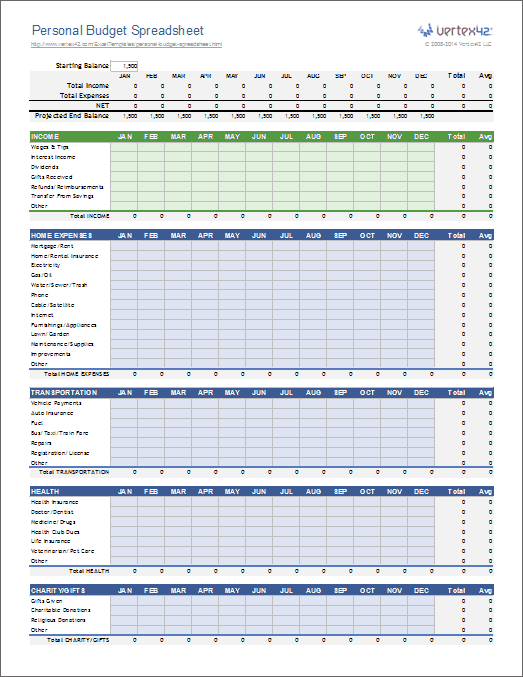
To get started with budgeting, it's essential to create a budget template that tracks your income and expenses. This template will serve as the foundation of your financial planning and help you understand where your money is going. You can find many free budget templates online or create your own using a spreadsheet.
One of the key benefits of having a budget template is that it allows you to identify areas for cost reduction. By categorizing your expenses, you'll be able to see which areas are taking up the largest portion of your income, such as housing, transportation, or entertainment. This will help you pinpoint where you can cut back and allocate those funds towards savings.
Some common areas where people can reduce costs include:
- Canceling subscription services they don't use, such as gym memberships or streaming services
- Cooking at home instead of eating out or ordering takeout
- Reducing entertainment expenses, such as going to the movies or attending concerts
By making a few simple changes, you can free up more money in your budget to put towards savings and achieving your financial goals.
When setting realistic financial goals for the next 31 days, consider what you want to achieve, such as building an emergency fund, paying off debt, or saving for a specific expense. It's also important to make sure your goals are specific, measurable, and attainable, so you can track your progress and stay motivated. For example, your goal might be to save $100 per week for the next 31 days, which will give you a total of $620 in your savings account.
Day 6-15: Debt Management
To start managing your debts effectively, it's essential to have a clear picture of what you owe. Begin by listing all your debts, including credit cards, loans, and overdue bills. This will help you understand the scope of your debt and identify areas where you can make adjustments.
Next, gather all the necessary information about each debt, such as the balance, interest rate, and minimum payment due. This data will help you prioritize your debts and create a repayment plan. For example, if you have multiple credit cards with different interest rates, you'll want to focus on paying off the one with the highest rate first.
To prioritize your debts, consider the following factors:
- Interest rate: debts with higher interest rates should be paid off first
- Balance: debts with smaller balances can be paid off quickly for a sense of accomplishment
- Urgency: overdue bills or debts with looming deadlines should be addressed promptly
By prioritizing your debts, you can create a debt repayment plan that suits your financial situation and goals.
When creating a debt repayment plan, consider your overall financial picture, including your income, expenses, and savings goals. You may need to make some adjustments to your budget to free up more money for debt repayment. For instance, you could cut back on discretionary spending or take on a side job to increase your income.
If you're struggling to manage multiple debts with high interest rates, you may want to consider debt consolidation or balance transfer options. Debt consolidation involves combining multiple debts into a single loan with a lower interest rate and a longer repayment period. Balance transfer options, on the other hand, allow you to transfer your credit card balance to a new card with a lower interest rate, often with a promotional 0% APR period. Be sure to carefully review the terms and conditions of any debt consolidation or balance transfer option before making a decision.
Ultimately, managing your debts requires discipline, patience, and persistence. By staying committed to your debt repayment plan and making regular payments, you can pay off your debts and achieve financial freedom. Remember to review and adjust your plan regularly to ensure you're on track to meet your goals.

Day 16-25: Side Hustles and Income Boost
As you continue on your financial journey, it's time to explore ways to increase your income. One effective way to do this is by starting a side hustle, which can be as simple as freelancing or selling products online. For example, if you have a talent for writing, you can offer your services on freelance platforms like Upwork or Fiverr.
To get started, you'll need to develop a plan to increase your income, which may involve asking for a raise at your current job or pursuing additional education to boost your earning potential. You can also consider taking on a part-time job or pursuing alternative sources of income, such as renting out a room on Airbnb. By diversifying your income streams, you can reduce your financial risk and achieve greater stability.
Some popular side hustle ideas include:
- Freelance writing or graphic design
- Selling products online through Etsy or eBay
- Ride-sharing or food delivery services
- Tutoring or teaching English online
- Affiliate marketing or selling digital products
These ideas can be a great way to earn some extra money on the side, and can even potentially turn into full-time businesses with the right mindset and effort.
Researching and utilizing online resources is also crucial for side hustle success. You can find a wealth of information on websites like YouTube, Udemy, and Skillshare, which offer courses and tutorials on various side hustle topics. Additionally, joining online communities or forums related to your side hustle can provide valuable support and guidance as you navigate the ups and downs of entrepreneurship.
By taking the time to explore side hustle ideas and develop a plan to increase your income, you can set yourself up for long-term financial success and achieve your goals. Remember to stay focused, stay motivated, and always be open to learning and growth. With the right mindset and resources, you can turn your side hustle into a thriving business and achieve financial freedom.

Day 26-31: Investing and Financial Health
As you near the end of your financial journey, it's essential to start thinking about investing and long-term financial health. Investing can seem intimidating, but it's a crucial step in building wealth over time. By learning the basics of investing, you'll be better equipped to make informed decisions about your financial future.
To get started, you'll want to familiarize yourself with common investment types, such as stocks, bonds, and ETFs. Stocks represent ownership in companies, while bonds are essentially loans to companies or governments, and ETFs are a type of fund that tracks a particular index or sector. Understanding the differences between these investment types will help you create a diversified portfolio.
When it comes to investing for retirement, there are several options to consider, including:
- Roth IRAs, which allow you to contribute after-tax dollars and withdraw funds tax-free in retirement
- Traditional IRAs, which offer tax-deductible contributions but require you to pay taxes on withdrawals
- Employer-sponsored 401(k) or 403(b) plans, which may offer matching contributions and other benefits
Researching and setting up a retirement account is a critical step in securing your financial future.
In addition to investing, monitoring and maintaining your financial health is crucial. This includes tracking your credit scores and reports, which can be obtained for free from the three major credit bureaus. By checking your credit report regularly, you can catch any errors or signs of identity theft and take steps to correct them. For example, you can use a credit monitoring service or set up alerts to notify you of any changes to your credit score.
To take control of your financial health, make sure to:
- Check your credit report at least once a year
- Dispute any errors or inaccuracies you find
- Work to improve your credit score by paying bills on time and keeping credit utilization low
By following these steps and staying informed about investing and financial health, you'll be well on your way to achieving long-term financial stability and success.

Frequently Asked Questions (FAQ)
What if I have no savings or a low income?
Having no savings or a low income can be a challenging situation, but it's not impossible to turn things around. The first step is to create a budget that accounts for all your income and expenses, allowing you to understand where your money is going. This will help you identify areas where you can cut back and allocate funds towards more important goals, such as savings and debt repayment.
To reduce expenses, start by tracking your daily spending habits and making a list of essential and non-essential expenses. You can use a budgeting app or spreadsheet to make this process easier. By doing so, you'll be able to see where you can cut back on unnecessary expenses, such as dining out or subscription services.
Some practical ways to reduce expenses include:
- Canceling subscription services you don't use, such as gym memberships or streaming services
- Cooking at home instead of eating out or ordering takeout
- Reducing entertainment expenses, such as going to the movies or attending concerts
By making these small changes, you can free up more money in your budget to allocate towards savings and debt repayment.
Creating a budget and reducing expenses is just the first step, and it's essential to be consistent and patient. It may take some time to see significant changes in your financial situation, but with persistence and discipline, you can achieve your goals. Remember to review and adjust your budget regularly to ensure you're on track and make any necessary changes to stay on course.
How do I stay motivated during the 31-day challenge?
Staying motivated is crucial when taking on a financial challenge, especially one that lasts for 31 days. To keep yourself on track, it's essential to track your progress regularly, whether it's through a budgeting app, spreadsheet, or even a simple notebook. By monitoring your spending and savings, you'll be able to see how far you've come and make adjustments as needed.
Celebrating small victories along the way can also help boost your motivation and morale. This could be something as simple as treating yourself to a favorite meal or activity after reaching a certain milestone, like saving a certain amount of money or paying off a debt. Remember, these small victories will add up over time and help you stay focused on your long-term goals.
Reminding yourself of the long-term benefits of improved financial health is also vital to staying motivated. Consider the following benefits:
- Reduced financial stress and anxiety
- Increased savings and emergency funds
- Improved credit score and overall financial stability
These benefits will have a significant impact on your overall well-being and quality of life, making it easier to stay motivated and committed to your financial goals.
To make tracking progress and celebrating small victories easier, consider setting reminders on your phone or placing sticky notes in strategic locations. You can also share your goals and progress with a friend or family member to get support and encouragement. By taking these small steps, you'll be more likely to stay motivated and reach your financial goals, even on the toughest of days.
Can I still participate if I have debt or financial obligations?
Having debt or financial obligations can be overwhelming, but it doesn't have to hold you back from participating in the challenge. The program is designed to be flexible and accommodating, providing a supportive community and resources to help you manage your debt and stay on track. By joining the challenge, you'll gain access to expert guidance and tips on debt management and repayment.
One of the key benefits of participating in the challenge is the opportunity to create a personalized plan for tackling your debt. This may involve prioritizing high-interest loans, negotiating with creditors, or exploring debt consolidation options. For example, you might start by making a list of all your debts, including the balance, interest rate, and minimum payment due each month.
To get started, consider the following steps:
- Take a close look at your budget and identify areas where you can cut back on unnecessary expenses
- Use the 50/30/20 rule as a guideline for allocating your income towards necessities, discretionary spending, and debt repayment
- Explore debt repayment strategies, such as the snowball method or avalanche method, to find what works best for you
By taking control of your debt and financial obligations, you can make progress towards achieving financial stability and freedom. The challenge is here to support and guide you every step of the way, providing a safe and non-judgmental space to share your concerns and celebrate your successes.