As a young entrepreneur, buying a business can be a thrilling venture, offering a chance to turn your passion into a successful career. However, it often requires a significant amount of capital, which can be a barrier for many. To overcome this hurdle, many young entrepreneurs consider taking out a loan to finance their business purchase.
When exploring loan options, it's essential to understand the different types of loans available, such as term loans, lines of credit, and SBA loans. For instance, SBA loans are a popular choice for small business owners due to their favorable terms and lower down payments.
Some key factors to consider when buying a business with a loan include:
- credit score and history
- business plan and financial projections
- collateral and down payment requirements
These factors can significantly impact the loan application process and the overall success of your business venture.
Before applying for a loan, it's crucial to have a solid understanding of your financial situation and the business you're looking to purchase. This includes reviewing the business's financial statements, assessing its market value, and creating a comprehensive business plan. By doing your due diligence, you can increase your chances of securing a loan and setting your business up for long-term success.
Many young entrepreneurs have successfully purchased a business with a loan and gone on to achieve great things. For example, a young entrepreneur might purchase a small retail store and use the loan to renovate the space, update the inventory, and hire new staff. With careful planning and management, the business can thrive, and the loan can be repaid over time.

Determining Your Eligibility for a Business Loan
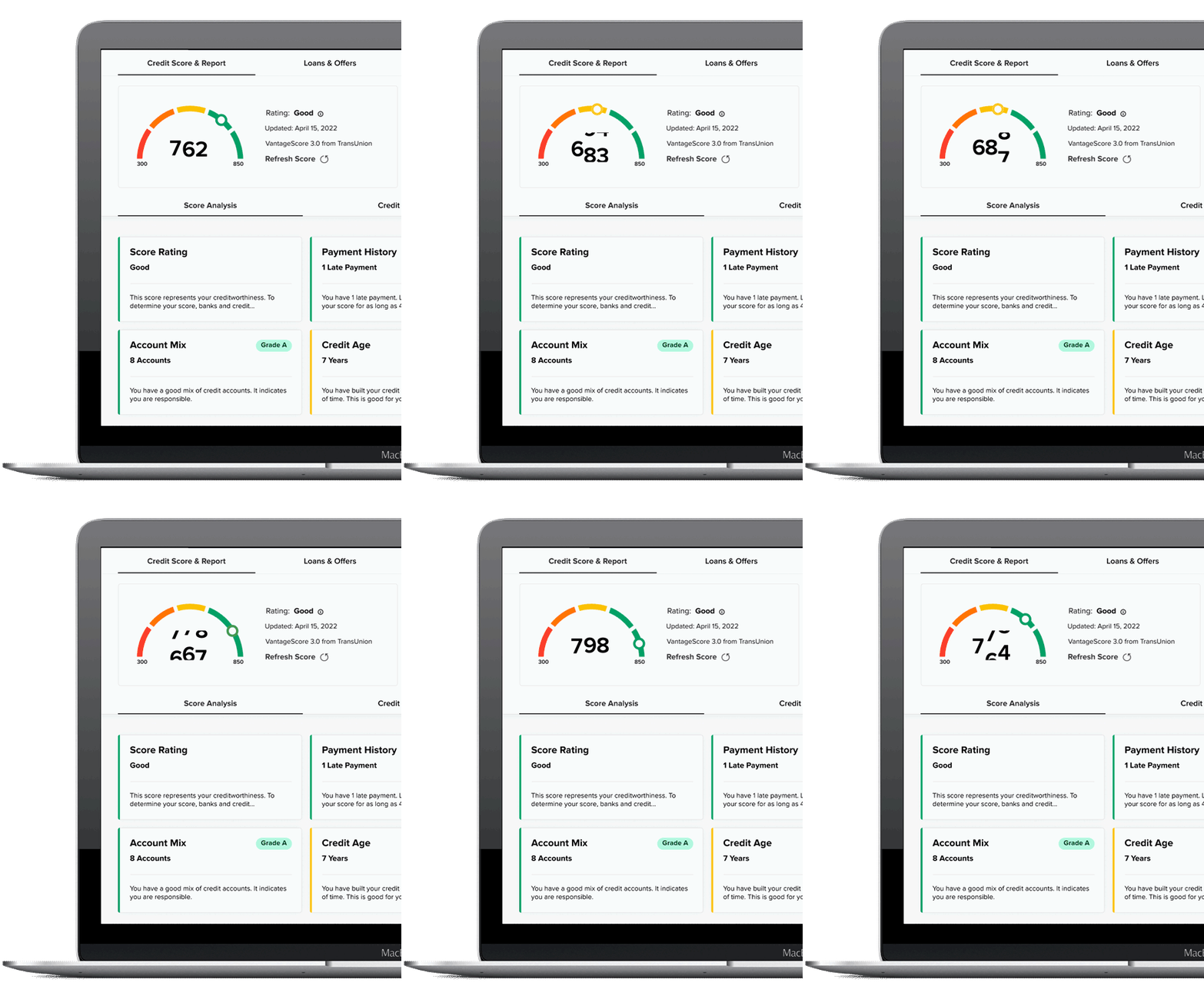
When considering a business loan, it's essential to check your personal and business credit scores to understand your loan eligibility. Your credit score can significantly impact the interest rate you'll qualify for and whether you'll be approved for a loan. For example, a good credit score can help you qualify for a lower interest rate, while a poor credit score may lead to a higher interest rate or even loan rejection.
To determine your eligibility, gather required documents such as business plans, financial statements, and tax returns. These documents will help lenders assess your business's financial health and potential for growth. Having a well-organized and comprehensive business plan, for instance, can demonstrate your ability to manage and grow your business, increasing your chances of loan approval.
There are various types of business loans available, and researching these options is crucial to finding the best fit for your business needs. Some common types of business loans include:
- Term loans, which provide a lump sum of money with a fixed repayment schedule
- Lines of credit, which allow you to borrow and repay funds as needed
- Invoice financing, which provides an advance on outstanding invoices
Understanding the different types of business loans will help you make an informed decision and increase your chances of securing the funding you need.
Before applying for a business loan, it's crucial to review your financial statements, including balance sheets, income statements, and cash flow statements. This will help you identify areas for improvement and demonstrate your business's financial stability to potential lenders. By taking the time to review your financials and research your loan options, you can make a more informed decision and set your business up for long-term success.
Exploring Loan Options for Buying a Business
When considering buying a business, exploring loan options is a crucial step. SBA loans are a popular choice, offering favorable terms and lower down payments. For instance, the SBA 7(a) loan program provides financing up to $5 million, with repayment terms up to 25 years.
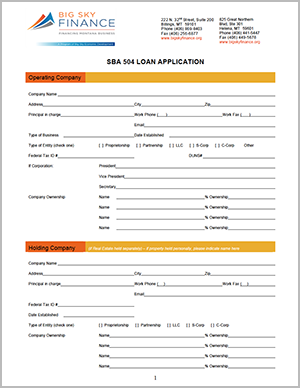
To qualify for an SBA loan, you'll need to meet specific requirements, such as a good credit score and a solid business plan. The application process typically involves submitting financial statements, tax returns, and a detailed business plan. It's essential to prepare these documents in advance to ensure a smooth application process.
Some key benefits of SBA loans include:
- Lower down payments, typically ranging from 10% to 20%
- Longer repayment terms, reducing monthly payments
- Competitive interest rates, often lower than alternative lenders
These benefits make SBA loans an attractive option for many entrepreneurs.
In addition to SBA loans, alternative lenders offer a range of loan products, often with more flexible requirements. Online lenders, such as Funding Circle and Lending Club, provide quick access to capital, with application processes that can be completed in a matter of hours. For example, you can use online lenders to secure a line of credit or a term loan to cover business acquisition costs.
Traditional bank loans are another option, offering established relationships and potentially lower interest rates. To qualify for a bank loan, you'll typically need to meet stringent requirements, such as a high credit score and a significant down payment. Bank loans often require collateral, such as business assets or personal guarantees, to secure the loan.
When evaluating traditional bank loans, consider the following:
- Interest rates, which can be lower than alternative lenders
- Repayment terms, which may be more flexible than SBA loans
- Fees, such as origination fees and closing costs
By understanding the requirements and benefits of each loan option, you can make an informed decision when buying a business.
Preparing a Strong Loan Application
To increase your chances of securing a loan, it's essential to have a solid foundation in place. Developing a comprehensive business plan is a crucial step, as it outlines your goals, target market, and financial projections. This plan will serve as a roadmap for your business, helping you stay focused and ensuring that you're on track to meet your objectives.
A key component of your business plan is a detailed financial plan, which should include a budget, cash flow statements, and revenue projections. For example, you can use a budgeting template to track your expenses and income, making it easier to identify areas where you can cut costs and allocate resources more efficiently. By having a clear understanding of your financial situation, you'll be better equipped to make informed decisions and create a convincing loan proposal.
When preparing your loan proposal, consider the following key elements:
- Clearly articulate your business's mission and vision
- Provide an overview of your products or services and their unique value proposition
- Outline your marketing and sales strategies
By including these details, you'll be able to showcase your business's potential and demonstrate your ability to repay the loan.
To make your loan proposal even more persuasive, be sure to highlight your management team's experience and expertise. You can also include testimonials from satisfied customers or partners, as well as any relevant industry certifications or awards. By presenting a well-rounded and compelling proposal, you'll be more likely to capture the attention of lenders and increase your chances of securing the funding you need.
Creating a loan proposal is not a one-time task, but rather an ongoing process that requires regular updates and refinements. As you continue to grow and evolve your business, be sure to revisit and revise your proposal to reflect your changing needs and goals. By staying proactive and adaptable, you'll be better positioned to navigate the loan application process and achieve your long-term objectives.

Managing Debt and Repaying Your Business Loan
When it comes to managing debt and repaying your business loan, creating a debt repayment plan is essential. This plan should outline your debts, including the balance, interest rate, and minimum payment for each. By having a clear plan in place, you can make informed decisions about how to allocate your funds and tackle your debts.
Prioritizing high-interest loans and debts is crucial, as these can quickly add up and become overwhelming. For example, if you have a credit card with an interest rate of 20% and a business loan with an interest rate of 10%, you should focus on paying off the credit card balance first. This will save you money in interest payments over time.
Maintaining a good credit score is also vital, as it can help you access better loan terms and lower interest rates in the future. To achieve this, make sure to make all your payments on time, keep your credit utilization ratio low, and monitor your credit report for any errors. A good credit score can be the key to securing favorable loan terms and growing your business.
To get started with debt repayment, consider the following steps:
- Make a list of all your debts, including the balance, interest rate, and minimum payment
- Identify areas where you can cut back on expenses and allocate more funds towards debt repayment
- Automate your payments to ensure you never miss a payment
By following these steps and staying committed to your debt repayment plan, you can make progress towards becoming debt-free and achieving financial stability.
If you're struggling to manage multiple debts with high interest rates, you may want to explore debt consolidation options. Refinancing or debt restructuring can be a viable solution, allowing you to combine multiple debts into one loan with a lower interest rate and a single monthly payment. For instance, you could refinance your business loan to take advantage of a lower interest rate, or consolidate your credit card debt into a single personal loan with a lower interest rate.

Additional Tips for Buying a Business with a Loan
When buying a business with a loan, it's essential to have a team of experts guiding you through the process. Consider working with a business broker or financial advisor who can provide valuable insights and help you make informed decisions. They can assist you in finding the right business, evaluating its financials, and securing the best loan terms.
Conducting thorough research on the business you're interested in buying is crucial to making a smart investment. This includes reviewing the business's financial history, such as revenue and profit statements, as well as market trends and industry outlook. For example, you can use online databases or industry reports to research the business's market position and identify potential areas for growth.
Some key factors to research when buying a business include:
- Financial statements and tax returns
- Industry trends and market analysis
- Customer base and revenue streams
- Competitor analysis and market position
By doing your due diligence, you can gain a deeper understanding of the business and make a more informed decision about your investment.
Negotiating the purchase price and terms of the sale is also a critical step in the process. Take into account the loan amount and repayment terms, as well as any other conditions of the sale, such as training or support from the seller. For instance, you may be able to negotiate a lower purchase price if you're willing to take on more of the loan amount or accept a longer repayment term.
Ultimately, buying a business with a loan requires careful planning and attention to detail. By working with a business broker or financial advisor, conducting thorough research, and negotiating the best possible terms, you can set yourself up for success and build a thriving business. Remember to stay focused on your goals and be prepared to adapt to changing circumstances as you navigate the process.

Frequently Asked Questions (FAQ)
What are the most common types of business loans for buying a business?
When it comes to buying a business, financing options can be overwhelming, especially for first-time entrepreneurs. The most common types of business loans include SBA loans, term loans, and lines of credit, each with its own set of benefits and requirements. For instance, SBA loans are popular due to their favorable terms and lower down payments.
SBA loans are guaranteed by the Small Business Administration, making them less risky for lenders and more accessible to borrowers. These loans can be used to purchase a business, expand operations, or refinance debt. They often require a down payment of around 10% to 20% of the purchase price.
Some of the key benefits of business loans include:
- Flexibility in repayment terms
- Access to larger loan amounts
- Opportunity to build business credit
Term loans, on the other hand, provide a lump sum of capital that is repaid over a fixed period, usually with a fixed interest rate. This type of loan is ideal for businesses that need a large amount of funding upfront.
Lines of credit are another popular option, offering businesses the ability to borrow and repay funds as needed. This type of loan is often used for working capital or to cover unexpected expenses, providing a safety net for businesses during uncertain times. By understanding the different types of business loans available, entrepreneurs can make informed decisions and choose the best option for their business needs.
How do I determine how much I can afford to borrow to buy a business?
When considering buying a business, it's essential to determine how much you can afford to borrow. This involves evaluating your business's financial health, including its cash flow, revenue projections, and debt repayment capacity. By doing so, you can avoid taking on excessive debt and ensure the long-term sustainability of your business.
To get started, review your business's financial statements, including income statements and balance sheets, to understand its current financial situation. You can also create a cash flow forecast to estimate your business's future cash inflows and outflows. This will help you identify areas where you can allocate funds for loan repayments.
Here are some key factors to consider when determining how much you can afford to borrow:
- Cash flow: Calculate your business's monthly cash flow to determine how much you can afford to allocate towards loan repayments.
- Revenue projections: Estimate your business's future revenue to ensure you have a stable income stream to support loan repayments.
- Debt repayment capacity: Assess your business's ability to repay debts, including the proposed loan, to avoid defaulting on payments.
By carefully evaluating these factors, you can make an informed decision about how much you can afford to borrow to buy a business.
For example, let's say your business has a monthly cash flow of $10,000 and you want to borrow $100,000 to buy a new business. You can use a loan repayment calculator to determine how much you can afford to repay each month, based on the loan amount, interest rate, and repayment term. This will help you determine whether the loan is affordable and sustainable for your business.
What are the benefits of working with a business broker when buying a business with a loan?
When buying a business with a loan, navigating the process can be overwhelming, especially for first-time buyers. Working with a business broker can provide valuable guidance and support throughout the business buying process, including loan application and negotiation. This expertise can help you avoid common pitfalls and ensure a smooth transaction.
A business broker can help you find the right business to buy, taking into account your budget, goals, and loan options. They have access to a wide range of businesses for sale and can connect you with sellers who are motivated to sell. By working with a broker, you can find a business that meets your needs and is likely to be approved for financing.
Some of the key benefits of working with a business broker include:
- Access to a network of lenders and financing options, which can help you secure the best loan terms
- Guidance on preparing a solid loan application package, including financial statements and business plans
- Assistance with negotiations, including pricing and terms of the sale
This level of support can be invaluable, especially for buyers who are new to the process of buying a business with a loan.
In addition to loan application and negotiation, a business broker can also provide valuable insights into the business buying process, including due diligence and closing. They can help you evaluate the financial health of the business, assess potential risks, and ensure that you are making a sound investment. By working with a business broker, you can make a more informed decision and avoid costly mistakes.
For example, a business broker can help you review the business's financial statements, including income statements and balance sheets, to ensure that the business is profitable and has a strong financial foundation. They can also help you assess the business's potential for growth and ensure that it aligns with your long-term goals. By working with a business broker, you can gain a deeper understanding of the business and make a more informed decision about your investment.