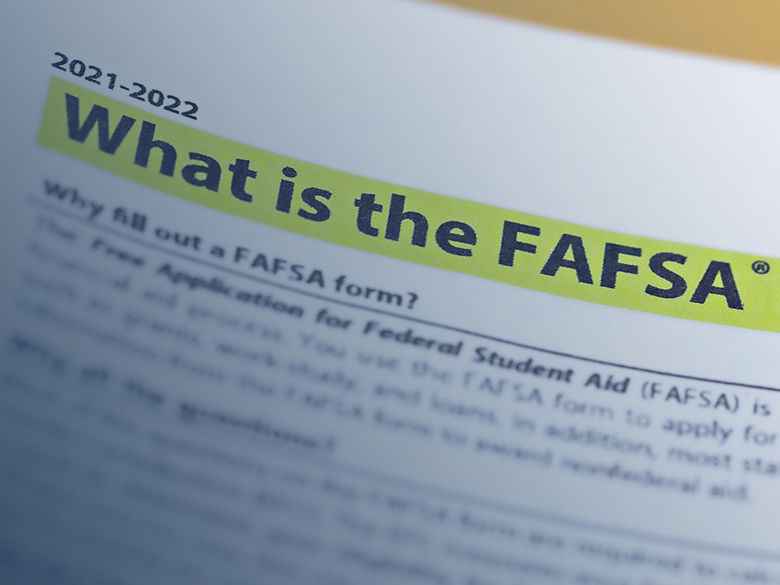
Understanding the Free Application for Federal Student Aid (FAFSA) is a crucial step in financing your graduate education. As a graduate student, you may be wondering how to fund your advanced degree, and the FAFSA is a key component in determining your eligibility for financial aid. By completing the FAFSA, you can unlock various funding opportunities, including federal loans, grants, and work-study programs.
The FAFSA process can seem daunting, but it's essential to navigate it to maximize your financial aid package. For instance, some graduate programs may offer assistantships or fellowships, which can be awarded based on the FAFSA. To get started, it's essential to gather the necessary documents, such as your tax returns, social security number, and driver's license.
Here are some key benefits of completing the FAFSA for graduate school financing:
- Access to federal loans with favorable interest rates and repayment terms
- Eligibility for grants and scholarships, which can help reduce your debt burden
- Opportunities for work-study programs, which can provide valuable work experience and a stipend
By understanding the FAFSA and its role in graduate school financing, you can make informed decisions about your financial aid options and create a personalized plan to fund your advanced degree. As you begin this process, remember to review and understand the terms and conditions of each financial aid option to ensure you're making the most of your graduate school financing.

What is FAFSA for Grad School?
The Free Application for Federal Student Aid (FAFSA) is a crucial step for graduate students seeking financial assistance to pursue their advanced degree. The purpose of FAFSA for graduate school is to determine eligibility for federal, state, and institutional financial aid, which can help cover the costs of tuition, fees, and living expenses. Unlike undergraduate FAFSA, graduate students are considered independent, and their eligibility is not based on their parents' income.
The types of graduate programs that are eligible for FAFSA include master's and doctoral degree programs, as well as certificate programs, at participating schools. To be eligible, graduate programs must be at least 18 semester hours or 27 quarter hours and lead to a degree or certificate. Some examples of eligible graduate programs include Master of Business Administration (MBA), Master of Arts (MA), and Master of Science (MS) programs.
FAFSA can help fund graduate school in several ways, including:
- Unsubsidized loans, such as the Direct Unsubsidized Loan, which allows students to borrow up to $20,500 per year
- Graduate PLUS Loans, which offer higher loan limits and flexible repayment terms
- Teaching assistantships and research assistantships, which can provide a stipend and tuition waiver
For instance, a graduate student pursuing an MBA can use FAFSA to apply for an unsubsidized loan to cover tuition and fees, or to apply for a Graduate PLUS Loan to cover living expenses.
To maximize FAFSA benefits, graduate students should submit their application as early as possible, as some types of aid are awarded on a first-come, first-served basis. It's also essential to review and understand the terms and conditions of each type of aid, including interest rates, repayment terms, and any requirements for maintaining eligibility. By doing so, graduate students can make informed decisions about their financial aid options and create a plan to fund their graduate education.

Eligibility and Application Process
To be eligible for FAFSA, graduate students must meet certain criteria, including being a U.S. citizen or eligible non-citizen and having a valid Social Security number. Additionally, students must be enrolled or accepted for enrollment in a graduate program and be making satisfactory academic progress, which typically includes maintaining a minimum GPA of 3.0 or higher. This varies by institution, so it's essential to check with your school's financial aid office for specific requirements.
The application process for FAFSA involves several steps, starting with creating an FSA ID and gathering required documents, such as tax returns and W-2 forms. The next step is to complete the online application, which includes providing personal and financial information, as well as listing the schools you're interested in attending. It's crucial to submit the application by the deadline, which is typically June 30th for the upcoming academic year.
Some key documents and information needed for the application process include:
- Social Security number or Alien Registration number
- Driver's license or state ID
- W-2 forms and tax returns
- Records of untaxed income, such as child support or veterans benefits
- Information about assets, such as cash, savings, and investments
Having these documents ready will help streamline the application process and ensure accuracy.
Determining the cost of attendance and expected family contribution is a critical part of the FAFSA application process. The cost of attendance includes tuition, fees, room, board, and other expenses, and can vary significantly depending on the institution and program. To estimate the expected family contribution, the FAFSA uses a formula that takes into account income, assets, and other factors, such as family size and the number of family members in college. For example, a student with a high-income family may be expected to contribute more towards their education expenses than a student from a low-income family.
It's also important to note that the expected family contribution is not necessarily the amount that families are required to pay, but rather an estimate of their ability to contribute. Students can use the FAFSA's online calculator to get an estimate of their expected family contribution and cost of attendance, which can help them plan and prepare for graduate school expenses. By understanding these factors, students can make informed decisions about their financial aid options and create a budget that works for them.
Types of Aid Available
As a graduate student, you have several options for financial aid to help fund your education. Federal student aid is a popular choice, offering various types of loans and other forms of assistance. Direct Unsubsidized Loans, for example, are available to graduate students and offer a fixed interest rate, with a maximum annual amount of $20,500.
When it comes to federal loans, Graduate PLUS Loans are another option, with a higher borrowing limit and a fixed interest rate. These loans can be used to cover education expenses, such as tuition, fees, and living expenses. It's essential to note that interest rates and repayment terms vary between federal loans, so it's crucial to review the terms before borrowing.
In contrast to federal loans, private loans offer different interest rates and repayment terms. Private lenders, such as banks and credit unions, provide these loans, which often require a credit check and may have variable interest rates. Here are some key differences between federal and private loans:
- Federal loans typically have fixed interest rates and more flexible repayment terms
- Private loans may have variable interest rates and stricter repayment terms
- Federal loans often offer more borrower benefits, such as income-driven repayment plans
In addition to loans, other types of aid are available to graduate students. Teaching assistantships, for instance, provide a stipend or tuition waiver in exchange for teaching or research duties. Fellowships are another option, offering funding for specific fields of study or research projects. These types of aid can be highly competitive, so it's essential to apply early and meet the eligibility criteria.
To increase your chances of receiving aid, it's crucial to complete the Free Application for Federal Student Aid (FAFSA) and review your school's financial aid options. Many universities offer their own forms of aid, such as scholarships, grants, or assistantships, so be sure to check with your school's financial aid office for more information. By exploring these options and understanding the differences between federal and private loans, you can make informed decisions about funding your graduate education.
Maximizing FAFSA Benefits
Completing the Free Application for Federal Student Aid (FAFSA) is a crucial step in securing financial aid for college. To maximize FAFSA benefits, it's essential to complete the application early and accurately, as some forms of aid are awarded on a first-come, first-served basis. By submitting the application as soon as possible, students can increase their chances of receiving the most favorable aid package.
When filling out the FAFSA, it's vital to provide accurate and complete information to avoid delays or even rejection. Double-checking the application for errors and ensuring all required documents are included can help prevent unnecessary complications. For instance, reporting incorrect income or asset information can impact the amount of aid received, so it's crucial to review the application carefully.
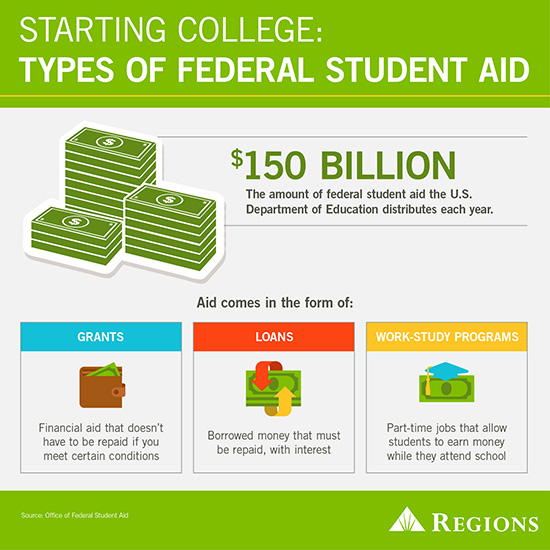
To minimize student loan debt, consider borrowing only what is necessary and explore alternative funding sources, such as:
- Scholarships: research and apply for scholarships that match your academic and personal profile
- Grants: look into federal, state, and institutional grants that don't require repayment
- Work-study programs: participate in part-time jobs or internships to earn money for tuition and expenses
These alternatives can help reduce reliance on loans and lower the overall debt burden.
If the initial FAFSA decision doesn't provide sufficient aid, it's possible to appeal the decision. Gather additional documentation, such as proof of changed financial circumstances or unusual expenses, to support the appeal. For example, if a family member has experienced a job loss or medical emergency, this information can be used to demonstrate a change in financial situation and potentially qualify for more aid.
By understanding the FAFSA process and exploring available options, students can make informed decisions about their financial aid and minimize debt. It's also important to review and compare aid packages from different schools to choose the one that best fits your financial situation and goals. By taking a proactive and informed approach, students can maximize their FAFSA benefits and set themselves up for long-term financial success.
Additional Resources
As a graduate student, it's essential to have a range of resources at your fingertips to help manage your finances effectively. The official FAFSA website (studentaid.gov) is a great place to start, offering a wealth of information on federal student aid, including grants, loans, and work-study programs. You can also explore the National Association of Student Financial Aid Administrators (NASFAA) website for additional guidance and resources.
To stay organized and on top of FAFSA deadlines and requirements, create a calendar or set reminders for key dates, such as the opening of the FAFSA application period (usually October 1st) and the deadline for submitting your application. You can also use online tools, like the FAFSA4caster, to estimate your eligibility for federal student aid and get a head start on the application process. Additionally, consider reaching out to your school's financial aid office for personalized advice and support.
Some other valuable resources for graduate students include:
- The College Board's website, which offers a range of financial aid tools and resources, including a scholarship search engine and a college cost calculator
- The Federal Student Aid Information Center (FSAIC), which provides toll-free phone support and online chat services to help with FAFSA-related questions and concerns
- Non-profit organizations, such as the National Foundation for Credit Counseling (NFCC), which offer free or low-cost financial counseling and education
When it comes to loan terms and conditions, it's crucial to review and understand the fine print before signing on the dotted line. Make sure you know the interest rate, repayment terms, and any fees associated with your loan, as well as the total amount you'll need to repay. For example, federal loans like the Direct Unsubsidized Loan and the Graduate PLUS Loan have different interest rates and repayment terms, so be sure to compare and contrast your options carefully.
Frequently Asked Questions (FAQ)
Do I need to complete the FAFSA every year for graduate school?
As a graduate student, it's essential to understand the process of applying for federal student aid. Completing the Free Application for Federal Student Aid (FAFSA) is a crucial step in determining your eligibility for financial assistance. The FAFSA is used to assess your financial need and provide access to various types of aid, including loans and grants.
To receive federal student aid, you must complete the FAFSA annually, as your financial situation may change from year to year. This includes changes in income, assets, or family size, which can impact your eligibility for aid. By submitting the FAFSA each year, you can ensure that you receive the financial support you need to pursue your graduate studies.
Here are some key things to keep in mind when completing the FAFSA:
- Make sure to submit the FAFSA as early as possible, as some types of aid are awarded on a first-come, first-served basis
- Gather all required documents, including tax returns and W-2 forms, to ensure a smooth application process
- Use the IRS Data Retrieval Tool to import your tax information directly into the FAFSA, reducing errors and processing time
Completing the FAFSA annually can seem like a daunting task, but it's a necessary step in securing the financial aid you need to succeed in graduate school. By staying on top of the application process and submitting your FAFSA each year, you can focus on what matters most – your education and future career. Additionally, many schools offer resources and support to help graduate students navigate the FAFSA process, so be sure to reach out to your financial aid office if you have any questions or concerns.
Can I use FAFSA to fund online or part-time graduate programs?
As a graduate student, exploring funding options for your online or part-time program can be overwhelming. Fortunately, the Free Application for Federal Student Aid (FAFSA) can be a great resource to help cover the costs. By completing the FAFSA, you may be eligible for federal, state, and institutional aid, including loans, grants, and work-study programs.
When it comes to online or part-time graduate programs, eligibility and funding may vary depending on the institution and program. For example, some online programs may be considered "distance education" and have different funding requirements. It's essential to check with your school's financial aid office to determine their specific policies and procedures.
To get started, you'll need to complete the FAFSA application, which typically becomes available on October 1st of each year. You'll need to provide personal and financial information, including your social security number, tax returns, and W-2 forms. Here are some key documents you'll need to gather:
- Valid social security number
- Driver's license or state ID
- W-2 forms and tax returns
- Proof of citizenship or eligible non-citizenship
Once you've completed the FAFSA, you'll receive a Student Aid Report (SAR) outlining your eligibility for federal aid. Your school will also receive this information and use it to determine your eligibility for institutional aid. Keep in mind that funding for part-time or online programs may be limited, so it's crucial to explore other financing options, such as private scholarships or assistantships.
It's also important to note that some graduate programs may have specific FAFSA requirements or deadlines. Be sure to check with your school's financial aid office to ensure you're meeting all the necessary requirements. By understanding the FAFSA process and exploring all your funding options, you can make informed decisions about financing your online or part-time graduate program.
How do I know if I'm eligible for a Graduate PLUS Loan?
To determine if you're eligible for a Graduate PLUS Loan, you'll need to meet certain requirements. First, you must have a good credit history, which means you shouldn't have any adverse credit events, such as bankruptcies or defaults, on your record. This is because the lender will check your credit report to assess your creditworthiness.
In addition to a good credit history, you must also meet the FAFSA eligibility requirements. This includes being a U.S. citizen or eligible non-citizen, having a valid Social Security number, and being enrolled at least half-time in a graduate program at an eligible school. You'll also need to complete the Free Application for Federal Student Aid (FAFSA) to determine your eligibility for federal student aid.
Here are some key eligibility requirements to keep in mind:
- Be a U.S. citizen or eligible non-citizen
- Have a valid Social Security number
- Be enrolled at least half-time in a graduate program at an eligible school
- Not be in default on any federal student loans
- Not owe a refund on any federal student grants
It's essential to review these requirements carefully to ensure you're eligible for a Graduate PLUS Loan. If you're unsure about your eligibility, you can contact your school's financial aid office for guidance. They can help you navigate the application process and determine the best course of action for your financial situation.