As a student or parent, navigating the world of financial aid can be overwhelming, especially when it comes to understanding the intricacies of the Free Application for Federal Student Aid (FAFSA). Understanding FAFSA income limits is crucial for determining student aid eligibility, as it helps the government assess a family's ability to pay for higher education. This assessment is based on a variety of factors, including income, assets, and family size.
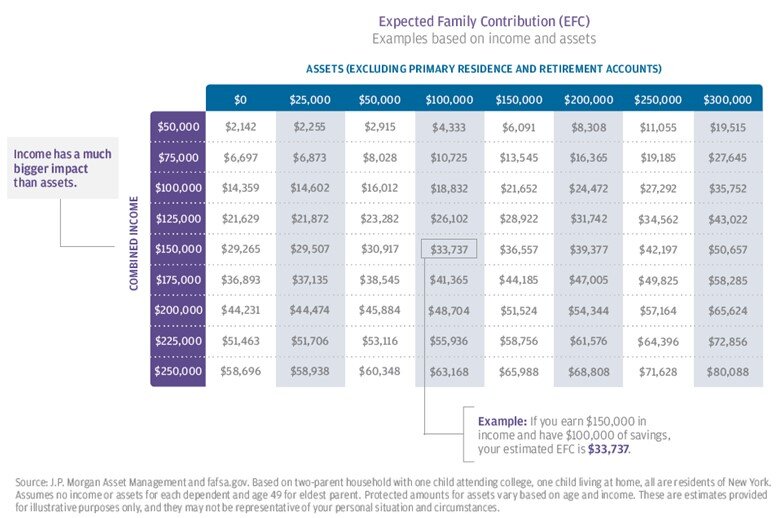
The FAFSA income limits are not a straightforward cut-off point, but rather a complex formula that takes into account different sources of income and expenses. For instance, the formula considers taxable income, such as wages and investments, as well as non-taxable income, like social security benefits and child support. This information is used to calculate the Expected Family Contribution (EFC), which determines the amount of aid a student is eligible to receive.
To get a better understanding of the FAFSA income limits, let's consider the following key points:
- Income limits vary depending on the type of aid being applied for, such as grants, loans, or work-study programs.
- The formula used to calculate the EFC is updated annually to reflect changes in the cost of living and other economic factors.
- Some sources of income, like retirement accounts and home equity, are not considered when calculating the EFC.
By understanding these factors and how they impact FAFSA income limits, students and families can make more informed decisions about their financial aid options and create a plan to fund their education. It's essential to carefully review the FAFSA application and instructions to ensure accurate reporting of income and expenses. This will help maximize the amount of aid received and minimize the financial burden of higher education.

What are FAFSA Income Limits?
To determine eligibility for student aid, the Free Application for Federal Student Aid (FAFSA) considers various factors, including income. FAFSA income limits play a crucial role in this process, as they help assess a family's ability to contribute to educational expenses. By understanding these limits, students and their families can better navigate the financial aid landscape.
The purpose of FAFSA income limits is to evaluate a family's financial situation and calculate the Expected Family Contribution (EFC). This, in turn, affects the amount of aid a student is eligible to receive. For instance, students from lower-income families may be eligible for more aid, such as Pell Grants or subsidized loans, while those from higher-income families may need to rely on unsubsidized loans or other forms of aid.
Here are some key points to consider when it comes to FAFSA income limits:
- Income limits vary based on family size and the number of students in college
- Dependent students are considered part of their parents' household, while independent students are evaluated separately
- Marital status, tax filing status, and other factors can also impact income limits and aid eligibility
For example, a dependent student from a family with an income of $50,000 or less may be eligible for a full Pell Grant, while a family with an income of $100,000 or more may not be eligible for as much aid.
Dependent and independent student income limits differ significantly. Dependent students are subject to their parents' income limits, which can be a challenge for students from higher-income families. On the other hand, independent students are evaluated based on their own income and expenses, which can provide more opportunities for aid. Independent students may include those who are married, have dependents of their own, or meet other specific criteria.
To illustrate the differences, consider the following: an independent student with an income of $20,000 may be eligible for more aid than a dependent student from a family with an income of $80,000. It's essential for students to understand their status and how it affects their aid eligibility. By completing the FAFSA and reviewing their Student Aid Report (SAR), students can get a better sense of their EFC and the types of aid they may be eligible to receive.
How to Determine Your Eligibility
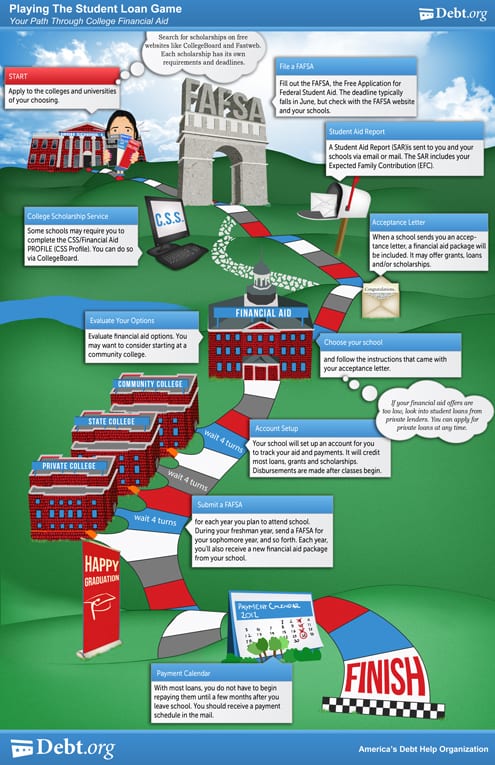
To determine your eligibility for financial aid, the first step is to complete the Free Application for Federal Student Aid (FAFSA) application. This application is used to assess your financial situation and determine how much aid you are eligible for. You can complete the FAFSA online, and it's recommended that you do so as early as possible, as some types of aid are awarded on a first-come, first-served basis.
When completing the FAFSA, it's essential to accurately report your income and assets, as this information is used to calculate your Expected Family Contribution (EFC). The EFC is a crucial factor in determining your aid eligibility, so it's vital to ensure that your reported income and assets are accurate. For example, if you're a dependent student, you'll need to report your parents' income and assets, as well as your own.
Here are the steps to complete the FAFSA application:
- Gather required documents, such as your Social Security number, tax returns, and W-2 forms
- Go to the FAFSA website and create an account
- Follow the prompts to complete the application, which will ask for information about your income, assets, and demographic data
It's also important to note that the FAFSA application is free, and you should never pay to submit it.
The Expected Family Contribution (EFC) plays a significant role in determining your aid eligibility, as it represents the amount that you and your family are expected to contribute towards your education expenses. The EFC is calculated based on the information you provide on the FAFSA, including your income, assets, and family size. For instance, if your EFC is low, you may be eligible for more aid, such as grants or subsidized loans.
To ensure that you're accurately reporting your income and assets, it's a good idea to keep track of your financial documents throughout the year. This will make it easier to complete the FAFSA application and reduce the risk of errors or omissions. Additionally, if you have any questions or concerns about the FAFSA or the EFC, you can contact the financial aid office at your school for guidance and support.
Tips for Maximizing Your Student Aid
To maximize your student aid, it's essential to understand how to minimize your income and increase your aid eligibility. One way to do this is by reducing your taxable income, which can be achieved by claiming deductions and exemptions on your tax return. For example, contributions to a retirement account or charitable donations can help lower your taxable income.
When it comes to completing the Free Application for Federal Student Aid (FAFSA), timing is everything. Completing the FAFSA application as early as possible can significantly improve your chances of receiving more aid. The FAFSA becomes available on October 1st of each year, and some types of aid are awarded on a first-come, first-served basis, so it's crucial to submit your application promptly.
Here are some additional strategies for maximizing your student aid:
- Keep your assets, such as savings accounts and investments, to a minimum, as these can affect your aid eligibility
- Avoid taking on jobs that increase your income, especially if you're a dependent student, as this can reduce your aid
- Consider using tax-advantaged savings vehicles, such as 529 plans, to save for college expenses
If you're unhappy with your financial aid decision, you can appeal it. To do this, you'll typically need to submit a written request to your school's financial aid office, explaining why you believe your aid package should be revised. Be sure to provide supporting documentation, such as proof of unusual expenses or changes in your financial situation, to help make your case.
Some common reasons for appealing a financial aid decision include changes in your family's income, unusual medical expenses, or other special circumstances that may affect your ability to pay for college. By understanding the appeals process and providing thorough documentation, you may be able to receive a more favorable aid package. Always review your aid package carefully and don't hesitate to reach out to your school's financial aid office if you have questions or concerns.

Common Mistakes to Avoid
When applying for student aid, it's essential to avoid common mistakes that can reduce or eliminate eligibility. One of the most significant errors is misreporting income or assets on the FAFSA application, which can lead to delayed or denied aid. For instance, forgetting to report a parent's income or assets can significantly impact the expected family contribution.
The consequences of misreporting income or assets can be severe, resulting in reduced or lost aid. This is why verifying information before submitting the application is crucial. It's recommended to double-check all financial documents, including tax returns and bank statements, to ensure accuracy.
Some common errors to watch out for include:
- Reporting incorrect tax filing status or income
- Failing to report all assets, including savings and investments
- Not accounting for all household members
These mistakes can be avoided by carefully reviewing the FAFSA application and seeking help if needed.
Verifying information before submitting the application can save time and hassle in the long run. It's a good idea to review the application with a parent or guardian to ensure everything is accurate and complete. Additionally, using the IRS Data Retrieval Tool can help transfer tax information directly to the FAFSA application, reducing the risk of errors.
By taking the time to carefully review and verify information, students can avoid common mistakes and ensure they receive the aid they're eligible for. It's also important to stay organized and keep track of deadlines and required documents to avoid delays or lost aid. By being diligent and thorough, students can navigate the financial aid process with confidence.
/GeoEnvironmental%20Science/Blogs/11-common-mistakes-hero-image-update-93019.png?width=600&name=11-common-mistakes-hero-image-update-93019.png)
Next Steps After Receiving Your Aid Award
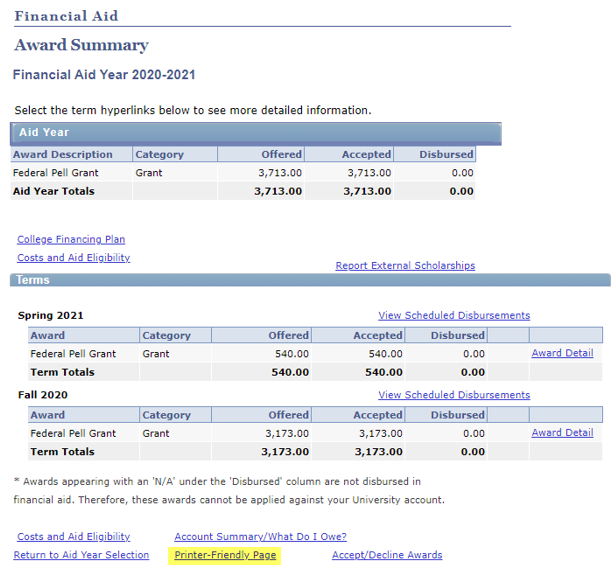
When you receive your financial aid award, it's essential to carefully review the package to understand what types of aid you're eligible for and the terms of each award. Start by checking the award letter for any deadlines or required actions, such as accepting or declining the aid. This will help you stay on track and ensure you don't miss out on any funding opportunities.
Reviewing your award package also involves understanding the different types of aid, including grants, loans, and work-study programs. Each type of aid has its own terms and conditions, so it's crucial to read and understand the fine print. For example, if you're offered a loan, be sure to note the interest rate, repayment terms, and any fees associated with the loan.
To manage your aid funds effectively, you'll need to create a budget that accounts for all your expenses, including tuition, fees, room, and board. Here are some steps to follow:
- Calculate your total aid amount and subtract any fees or deductions
- Estimate your monthly expenses, including rent, utilities, and food
- Set aside a portion of your aid funds for unexpected expenses or emergencies
By following these steps, you can ensure that you're using your aid funds wisely and making the most of your financial aid package.
It's also important to understand the implications of accepting each type of aid. For instance, if you accept a work-study program, you'll need to find a job on campus and work a certain number of hours to earn the award amount. On the other hand, if you accept a loan, you'll need to repay the amount with interest after you graduate. By carefully considering the terms and conditions of each aid type, you can make informed decisions about your financial aid package.
Finally, be sure to communicate with your financial aid office if you have any questions or concerns about your award package. They can provide guidance on how to manage your aid funds, help you understand the terms and conditions of each award, and offer advice on how to make the most of your financial aid package. By working together with your financial aid office, you can ensure that you're using your aid funds effectively and achieving your academic goals.
Frequently Asked Questions (FAQ)
What is the maximum income limit for FAFSA eligibility?
When it comes to determining FAFSA eligibility, income plays a significant role. The maximum income limit varies depending on family size and dependency status, making it essential to understand these factors to gauge your eligibility. For instance, a larger family size may have a higher income limit compared to a smaller family.
To give you a better idea, here are some factors that influence the income limit:
- Family size: As mentioned earlier, a larger family size can result in a higher income limit.
- Dependency status: Whether you are a dependent or independent student also affects the income limit, with independent students often having different requirements.
- Number of family members in college: If multiple family members are attending college, this can also impact the income limit.
It's also important to note that there is no one-size-fits-all maximum income limit for FAFSA eligibility. Instead, the Free Application for Federal Student Aid (FAFSA) uses a complex formula to determine your Expected Family Contribution (EFC), which takes into account your family's income, assets, and other factors. By understanding these factors and how they impact your EFC, you can get a better sense of your potential eligibility for financial aid.
In general, it's a good idea to fill out the FAFSA regardless of your family's income, as some forms of aid do not have income limits. Additionally, many schools and states use the FAFSA to determine eligibility for their own financial aid programs, so it's worth submitting the application even if you're not sure about your eligibility for federal aid. By doing so, you may be surprised at the types of aid you're eligible for, and you can make more informed decisions about your education financing options.
Can I still receive student aid if my parents are not required to file taxes?
When it comes to applying for student aid, many students worry that their parents' tax filing status may impact their eligibility. However, this is not always the case. Students may still be eligible for aid even if their parents do not file taxes, as the Free Application for Federal Student Aid (FAFSA) takes into account various factors beyond tax returns.
To determine eligibility, the FAFSA considers income from other sources, such as welfare benefits, Social Security benefits, or veterans' benefits. For example, if a student's parents receive government assistance or have other forms of non-taxable income, this information will be taken into account when assessing the student's aid eligibility.
Some common scenarios where students may still receive aid include:
- Parents who are unemployed or have very low income may not be required to file taxes, but their child can still apply for aid.
- Parents who are self-employed or have non-taxable income may need to provide additional documentation to support their child's aid application.
- Students who are considered independent, such as those who are married or have dependents, may not need to report their parents' income on the FAFSA.
It is essential for students to complete the FAFSA accurately and provide all required documentation to ensure they receive the aid they are eligible for. By doing so, students can access various forms of financial assistance, including grants, loans, and work-study programs, to help fund their education.
How do I appeal a financial aid decision if I feel it is incorrect?
If you've received a financial aid decision that you feel is incorrect, don't worry, you have options. The first step is to contact your school's financial aid office to discuss your concerns and learn about the appeal process. This is usually a straightforward process, and the office staff will guide you through the necessary steps.
To initiate an appeal, you'll typically need to provide additional documentation to support your claim. This may include proof of unusual financial circumstances, such as a job loss or medical expenses, that were not accounted for in your initial application. Be sure to review your financial aid award letter carefully to identify any discrepancies or areas where you feel the decision was incorrect.
Some common reasons for appealing a financial aid decision include changes in family income, unusual expenses, or errors in the application process. Here are some examples of documentation you may need to provide:
- Letters from employers or medical professionals to verify income or expenses
- Tax returns or W-2 forms to demonstrate changes in income
- Receipts or invoices for unusual expenses, such as medical bills or car repairs
When gathering documentation, be sure to keep copies of all correspondence and submissions, as these can be useful in tracking the progress of your appeal.
The appeal process typically involves submitting a written request to the financial aid office, along with any supporting documentation. Be clear and concise in your request, explaining why you feel the initial decision was incorrect and providing evidence to support your claim. By following these steps and providing thorough documentation, you may be able to have your financial aid decision revised to better reflect your financial situation.