As a young adult, managing finances can be overwhelming, especially when it comes to making informed decisions about investments and loans. The Reserve Bank of India's (RBI) recent decision to lift gold loan restrictions on IIFL Finance is a significant development that can impact your financial planning. This change can potentially open up new avenues for borrowing and investing, making it essential to understand the implications.
The RBI's decision allows IIFL Finance to offer gold loans without the previous restrictions, providing more flexibility for borrowers. For instance, you can now use your gold jewelry or coins as collateral to secure a loan, which can be useful in times of financial need. This option can be particularly helpful for young adults who may not have a established credit history or other assets to pledge.
To make the most of this development, it's crucial to understand the terms and conditions of gold loans, including interest rates and repayment terms. Here are some key factors to consider:
- Interest rates: Compare the rates offered by different lenders to ensure you're getting the best deal.
- Loan-to-value ratio: Understand the percentage of the gold's value that you can borrow against.
- Repayment options: Choose a lender that offers flexible repayment terms, such as monthly or quarterly installments.
By carefully evaluating these factors, you can make informed decisions about using gold loans as a financing option. Additionally, it's essential to assess your overall financial situation and goals before taking on any new debt.

What are Gold Loans and How Do They Work?
Gold loans are a type of secured loan where borrowers can use their gold jewelry or coins as collateral to secure a loan. The lender assesses the value of the gold and provides a loan amount based on a percentage of its value, typically ranging from 60% to 80%. This means that if you have gold worth $1,000, you may be able to borrow $600 to $800.
The interest rates for gold loans are generally lower compared to other types of loans, such as personal loans or credit card debt, with rates ranging from 9% to 24% per annum. The loan term can vary from a few months to several years, and the repayment options are often flexible. For example, you may be able to repay the loan in installments or all at once.
The benefits of gold loans include quick access to cash and lower interest rates compared to other loan types. Some of the advantages of gold loans are:
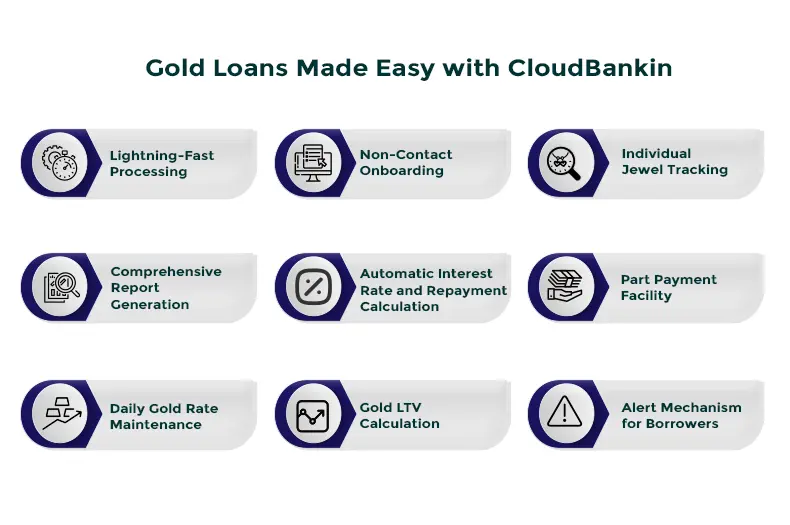
- Fast processing time, with loans often approved and disbursed within a day
- No credit score checks, making it a viable option for those with poor credit history
- Lower interest rates compared to unsecured loans
These benefits make gold loans an attractive option for young adults who need quick access to cash, such as for medical emergencies or tuition fees.
Gold loans can be a viable option for young adults in various scenarios, such as when they need to cover unexpected expenses or finance a short-term goal. For instance, if you need to pay for a car repair or a medical bill, a gold loan can provide the necessary funds quickly. Additionally, gold loans can be used to consolidate debt or finance a small business venture, making them a flexible and accessible option for young adults.
Impact of RBI's Decision on Gold Loans
The Reserve Bank of India's (RBI) decision to lift restrictions on IIFL Finance has sent ripples through the gold loan market. This move is expected to increase competition among gold loan providers, ultimately benefiting borrowers. As a result, borrowers can look forward to more flexible repayment options and better customer service.
One of the primary advantages of this decision is that it will increase access to credit for individuals who rely on gold loans. For instance, farmers and small business owners who use gold loans to meet their financial needs can now expect more favorable terms. This increased access to credit can help stimulate economic growth, particularly in rural areas.
The lifting of restrictions on IIFL Finance is also likely to lead to more competitive interest rates in the gold loan market. This can be beneficial for borrowers who are looking to avail of gold loans at affordable rates. Some of the potential benefits for borrowers include:
- Lower interest rates, making gold loans more affordable
- More flexible repayment options, reducing the burden on borrowers
- Increased transparency in gold loan transactions, protecting borrowers from unfair practices
This decision may also have a positive impact on the overall economy, as increased access to credit can lead to higher consumption and investment. For young adults, this can be particularly beneficial, as it can help them meet their financial goals, such as paying for education or starting a business. By providing more opportunities for credit, the RBI's decision can help young adults achieve financial stability and independence.
In terms of practical tips, borrowers can take advantage of this decision by shopping around for gold loan providers that offer the most competitive interest rates and flexible repayment options. Additionally, borrowers should carefully review the terms and conditions of their gold loan agreements to ensure they understand all the costs involved. By being informed and taking advantage of the increased competition in the gold loan market, borrowers can make the most of this opportunity and achieve their financial goals.

Alternatives to Gold Loans for Young Adults
As a young adult, you may find yourself in need of quick cash, and gold loans might seem like an attractive option. However, it's essential to explore alternative ways to borrow money that can be more beneficial in the long run. Personal loans and credit cards are two popular alternatives that can provide you with the funds you need without the need to pledge your gold jewelry.
When choosing the best loan option, it's crucial to consider your individual financial needs and credit scores. For instance, if you have a good credit score, you may be eligible for a low-interest personal loan that can be repaid over a fixed period. On the other hand, if you're looking for a more flexible repayment option, a credit card with a low interest rate and no annual fee might be a better choice.
Here are some factors to consider when selecting a loan option:
- Interest rates and fees associated with the loan
- Repayment terms and flexibility
- Credit score requirements and eligibility criteria
By evaluating these factors, you can make an informed decision that suits your financial situation and goals.
To manage debt effectively and avoid debt traps, it's vital to create a budget and stick to it. Start by tracking your income and expenses to understand where your money is going, and then allocate a fixed amount for debt repayment each month. For example, you can use the 50/30/20 rule, where 50% of your income goes towards necessary expenses, 30% towards discretionary spending, and 20% towards saving and debt repayment.
Additionally, consider setting up automatic payments for your loan or credit card to ensure timely payments and avoid late fees. You can also take advantage of debt consolidation options or balance transfer offers to simplify your payments and reduce your overall interest burden. By being mindful of your debt and taking proactive steps to manage it, you can avoid debt traps and achieve financial stability.

Investing in Gold: A Viable Option for Young Adults?
As a young adult, it's essential to consider various investment options to diversify your portfolio. Investing in gold can be a viable choice, offering a unique set of benefits, including its potential as a hedge against inflation. For instance, during periods of high inflation, gold prices tend to rise, making it a valuable addition to your investment portfolio.
One of the primary benefits of investing in gold is its ability to act as a safe-haven asset, providing a level of stability during economic uncertainty. Gold can also be a hedge against currency fluctuations, as its value is often inversely correlated with the value of the US dollar. Additionally, gold has historically maintained its value over time, making it a popular choice for long-term investors.
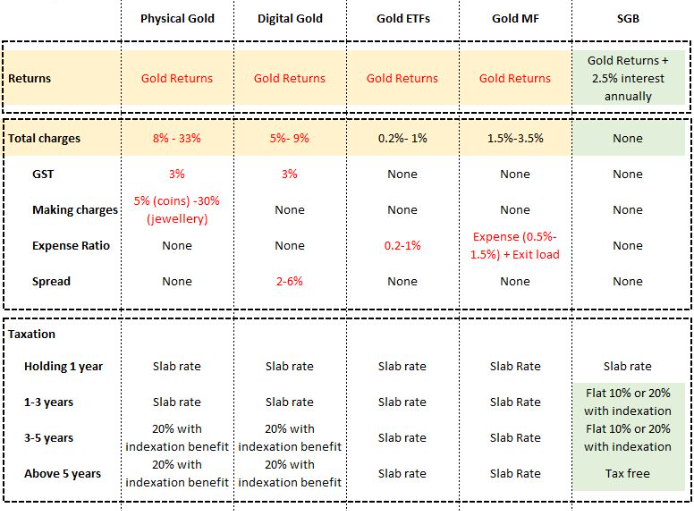
There are several ways to invest in gold, including:
- Gold ETFs (Exchange-Traded Funds), which track the price of gold and can be traded like stocks
- Physical gold, such as gold coins or bars, which can be purchased from reputable dealers
- Gold mining stocks, which allow you to invest in companies that mine gold
Each of these options has its own set of risks and rewards, and it's essential to understand the differences before making a decision.
When incorporating gold into a diversified investment portfolio, it's crucial to consider your overall financial goals and risk tolerance. As a general rule, it's recommended to allocate a small portion of your portfolio to gold, around 5-10%, to minimize risk. You can also consider dollar-cost averaging, which involves investing a fixed amount of money at regular intervals, regardless of the market's performance.
To get started with investing in gold, you can begin by researching reputable gold ETFs or physical gold dealers. It's also essential to stay up-to-date with market trends and news that may impact the price of gold. By doing your research and taking a thoughtful approach, you can make informed decisions about investing in gold and potentially add a valuable asset to your investment portfolio.
Budgeting and Financial Planning for Young Adults
As a young adult, managing finances can seem overwhelming, especially when dealing with loan payments and investments. To create a budget that works for you, start by tracking your income and expenses to understand where your money is going. You can use a budgeting app or spreadsheet to make this process easier.
When creating your budget, make sure to account for loan payments, such as student loans or personal loans, and investments, like retirement savings or stocks. Consider setting up automatic payments for your loans and investments to ensure you never miss a payment. This will help you stay on top of your finances and make progress towards your financial goals.
Building an emergency fund is also crucial for young adults, as it provides a safety net in case of unexpected expenses or job loss. Aim to save 3-6 months' worth of living expenses in an easily accessible savings account. You can start by setting aside a small amount each month, such as $100 or $500, and gradually increase the amount over time.
To build your emergency fund, consider the following tips:
- Set up automatic transfers from your checking account to your savings account
- Cut back on unnecessary expenses, such as dining out or subscription services
- Take advantage of tax-advantaged savings options, like a high-yield savings account
By following these tips, you can build a solid emergency fund and achieve financial stability.
Improving your financial literacy is key to making informed decisions about your money. There are many resources available to help young adults learn about personal finance, including online courses, podcasts, and blogs. Some popular resources include The Financial Diet, NerdWallet, and Investopedia, which offer a wealth of information on budgeting, investing, and more.
For young adults looking to improve their financial literacy, here are some recommended resources:
- The National Foundation for Credit Counseling (NFCC) offers free or low-cost financial counseling and education
- The Securities and Exchange Commission (SEC) provides investor education and resources on investing and retirement savings
- Local libraries and community centers often offer free or low-cost financial workshops and seminars
By taking advantage of these resources, you can gain the knowledge and confidence you need to manage your finances effectively and achieve your long-term goals.

Frequently Asked Questions (FAQ)
What is the current interest rate for gold loans in India?
In India, gold loans have become a popular way to access quick funds by pledging gold jewelry or coins as collateral. The interest rate for gold loans varies depending on the lender and loan terms, with some banks and non-banking financial companies (NBFCs) offering more competitive rates than others. For instance, some lenders may offer interest rates as low as 9% per annum, while others may charge up to 24% per annum.
To get the best interest rate on a gold loan, it's essential to compare rates from different lenders and consider factors such as loan tenure, processing fees, and repayment options. Some lenders may also offer special schemes or discounts for existing customers or for loans of a certain amount. For example, a lender may offer a lower interest rate for loans above a certain amount, such as Rs 5 lakhs.
Here are some key factors that can affect the interest rate on a gold loan:
- Loan amount: The interest rate may vary depending on the amount borrowed, with larger loans often attracting lower rates.
- Loan tenure: The interest rate may also depend on the repayment period, with shorter tenures often resulting in lower rates.
- Lender type: Banks, NBFCs, and online lenders may offer different interest rates, so it's crucial to compare rates from multiple sources.
When applying for a gold loan, it's also important to consider the loan-to-value (LTV) ratio, which determines the amount that can be borrowed against the value of the gold pledged. A higher LTV ratio may result in a higher interest rate, so it's essential to choose a lender that offers a favorable LTV ratio. By doing some research and comparing rates from different lenders, borrowers can find the best interest rate on a gold loan and make an informed decision.
How does the RBI's decision affect existing gold loan borrowers?
The Reserve Bank of India's (RBI) decision can have a significant impact on existing gold loan borrowers. This decision may lead to more favorable loan terms or increased access to credit for existing borrowers, making it easier for them to manage their debt. As a result, borrowers may be able to negotiate better interest rates or repayment terms with their lenders.
Existing gold loan borrowers can benefit from the RBI's decision in several ways, including lower interest rates or longer repayment periods. For instance, if the RBI decides to reduce the loan-to-value (LTV) ratio, lenders may be willing to offer more loans to existing borrowers, giving them access to additional credit. This can be particularly helpful for borrowers who need to cover unexpected expenses or consolidate their debt.
Some of the potential benefits of the RBI's decision for existing gold loan borrowers include:
- Lower interest rates, making it easier to repay the loan
- Longer repayment periods, reducing the monthly burden on borrowers
- Increased access to credit, allowing borrowers to cover unexpected expenses or consolidate debt
To take advantage of these benefits, existing gold loan borrowers should review their loan terms and negotiate with their lenders to see if they can get a better deal. Borrowers can also consider consolidating their debt into a single loan with a lower interest rate or longer repayment period.
In order to make the most of the RBI's decision, existing gold loan borrowers should keep an eye on the latest developments and be prepared to act quickly if new opportunities arise. This may involve checking with their lenders regularly for updates on loan terms or seeking advice from a financial advisor. By being proactive and informed, borrowers can maximize the benefits of the RBI's decision and improve their financial situation.
What are the risks associated with investing in gold?
When considering investing in gold, it's essential to understand the potential risks involved. Market volatility is a significant concern, as the value of gold can fluctuate rapidly and unpredictably. For instance, during times of economic uncertainty, the price of gold may surge, but it can also decline sharply when the economy stabilizes.
Investing in gold carries inherent risks, and one of the most significant is the potential for losses if the value of gold declines. This can happen due to various factors, such as changes in interest rates, inflation, or shifts in global demand. As a result, it's crucial to approach gold investing with a clear understanding of the potential downsides.
Some of the key risks associated with investing in gold include:
- Market volatility, which can result in significant price fluctuations
- Potential for losses if the value of gold declines
- Liquidity risks, which can make it difficult to sell gold quickly enough or at a fair price
To mitigate these risks, it's essential to diversify your investment portfolio and not put all your eggs in one basket. This means allocating a portion of your investments to gold, while also investing in other assets, such as stocks, bonds, or real estate.
In addition to diversification, it's also important to set clear investment goals and risk tolerance before investing in gold. This will help you make informed decisions and avoid taking on more risk than you can afford. By understanding the potential risks and taking a balanced approach, you can make the most of your gold investment and achieve your long-term financial goals.