As a young adult in India, navigating the world of business loans can be overwhelming. Unsecured business loans, in particular, have gained popularity in recent years due to their flexibility and ease of access. These loans allow entrepreneurs to borrow money without collateral, making them an attractive option for startups and small businesses.
The current state of unsecured business loans in India is characterized by a growing demand and increasing competition among lenders. This has led to more favorable terms and conditions for borrowers, including lower interest rates and longer repayment periods. For instance, some lenders offer unsecured business loans with interest rates as low as 14% per annum, making them a viable option for young entrepreneurs.
Some key implications of unsecured business loans for young adults in India include:
- Easy access to capital for starting or expanding a business
- Flexibility in repayment terms and interest rates
- Opportunity to build credit history and improve financial credibility
By understanding the benefits and drawbacks of unsecured business loans, young adults can make informed decisions about their financial future and take the first step towards turning their business ideas into reality.
In the following sections, we will delve deeper into the world of unsecured business loans in India, exploring topics such as eligibility criteria, application procedures, and tips for getting approved. Whether you're a seasoned entrepreneur or just starting out, this guide will provide you with the knowledge and insights needed to navigate the complex landscape of business financing.

Understanding Unsecured Business Loans
Unsecured business loans are a type of financing that doesn't require collateral, such as property or equipment, to secure the loan. This means that lenders rely on the borrower's creditworthiness and business performance to determine the loan amount and interest rate. As a result, unsecured loans can be a more accessible option for young entrepreneurs who may not have significant assets to put up as collateral.
In contrast to secured loans, unsecured loans offer more flexibility and less risk for the borrower, since they don't have to worry about losing valuable assets in case of default. However, this also means that lenders often charge higher interest rates to compensate for the increased risk. For example, a small business owner with a good credit score may be able to secure an unsecured loan with a competitive interest rate, while a startup with a limited credit history may face higher rates.
The benefits of unsecured business loans include quick access to capital, flexible repayment terms, and the ability to use the funds for various business purposes. Some of the drawbacks include higher interest rates, stricter repayment terms, and the potential for higher fees. To illustrate, consider the following benefits and drawbacks:
- Easy application and approval process
- No risk of losing collateral
- Flexibility in using the loan funds
- Potentially higher interest rates
- Stricter repayment terms
- Higher fees for late payments or default
Certain industries or businesses often rely on unsecured loans due to their unique needs and circumstances. For instance, tech startups may use unsecured loans to fund product development or marketing campaigns, while retail businesses may rely on unsecured loans to manage seasonal fluctuations in cash flow. Other examples include food trucks, e-commerce platforms, and service-based businesses, which often require quick access to capital to respond to changing market conditions or customer demands.
To make the most of unsecured business loans, young entrepreneurs should carefully review the loan terms, interest rates, and repayment schedule before signing the agreement. It's also essential to have a solid business plan, a good credit score, and a clear understanding of the loan's purpose and potential risks. By doing so, entrepreneurs can use unsecured loans as a valuable tool to grow their business, invest in new opportunities, and achieve their long-term goals.
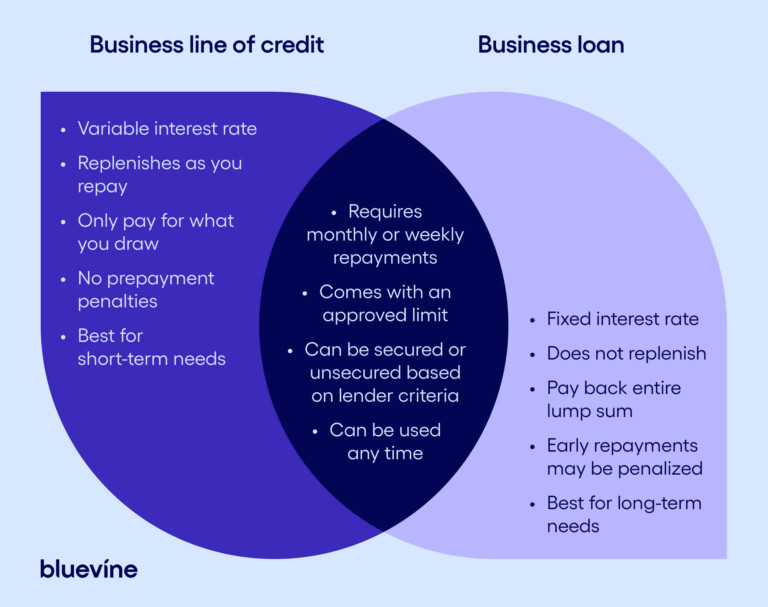
Causes of Stress in Unsecured Business Loans
The current economic conditions in India are playing a significant role in contributing to stress in unsecured business loans. With the rise of inflation and unpredictable market trends, many businesses are finding it challenging to manage their finances, leading to defaults on loan payments. As a result, lenders are becoming more cautious when approving unsecured loans, making it harder for businesses to access the funds they need.
Interest rates and repayment terms are also major contributors to stress in unsecured business loans. High interest rates can make loan payments unaffordable, while inflexible repayment terms can lead to cash flow problems. For instance, a business that takes out a loan with a high interest rate may struggle to make payments, especially during slow periods.
Some of the key factors that contribute to loan stress include:
- High interest rates that make loan payments unaffordable
- Inflexible repayment terms that can lead to cash flow problems
- Lack of transparency in loan terms and conditions
To avoid these issues, it's essential for businesses to carefully review loan terms and conditions before signing any agreements.
Poor credit scores can also have a significant impact on loan eligibility and interest rates. A low credit score can lead to higher interest rates, making loan payments even more expensive. For example, a business with a poor credit score may be offered a loan with an interest rate of 20%, while a business with a good credit score may be offered a loan with an interest rate of 12%. This can make a significant difference in the overall cost of the loan.
To mitigate the risks associated with unsecured business loans, businesses can take steps to improve their credit scores, such as making timely payments and reducing debt. Additionally, businesses can shop around for loans with favorable interest rates and repayment terms, and consider working with lenders that offer flexible payment options. By taking these steps, businesses can reduce their risk of loan stress and ensure a more stable financial future.

Managing Debt and Financial Health
As a young adult, managing debt can seem like a daunting task, but with the right strategies, it can be done effectively. To start, it's essential to create a budget that accounts for all your income and expenses, allowing you to prioritize debt repayment. By doing so, you'll be able to allocate your resources efficiently and make timely payments.
When it comes to prioritization, it's crucial to focus on high-interest debts first, such as credit card balances, as they can quickly add up and become overwhelming. For instance, consider the snowball method, where you pay off smaller debts first to build momentum and confidence. This approach can help you stay motivated and engaged in the debt repayment process.
Maintaining a good credit score is vital for future loan eligibility, as it demonstrates your ability to manage debt responsibly. A good credit score can also lead to lower interest rates and better loan terms, saving you money in the long run. To achieve this, make sure to check your credit report regularly and dispute any errors that may be affecting your score.
For those struggling with debt, there are numerous resources available to provide guidance and support. Some useful resources include:
- National Foundation for Credit Counseling (NFCC), a non-profit organization offering debt counseling and education
- Financial Counseling Association of America (FCAA), providing access to certified financial counselors
- Local credit unions and banks, often offering financial planning services and debt management tools
These resources can help you develop a personalized plan to manage your debt and improve your financial health.
In addition to seeking professional help, there are many online tools and apps available to aid in debt management, such as budgeting software and debt repayment calculators. By leveraging these resources and staying committed to your goals, you can take control of your debt and build a stronger financial future. Remember, managing debt is a process that takes time and effort, but with the right strategies and support, you can achieve financial stability and success.

Alternative Funding Options for Young Entrepreneurs
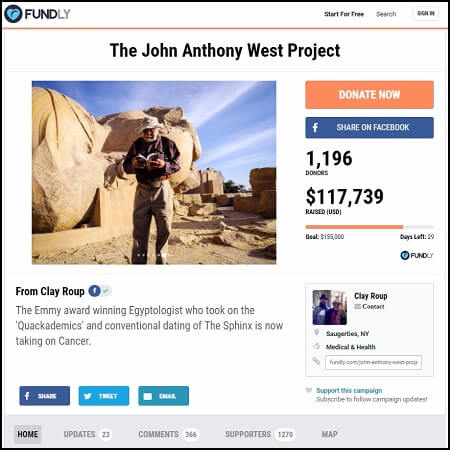
As a young entrepreneur, securing funding is often a major hurdle to overcome. Alternative funding options, such as crowdfunding or peer-to-peer lending, can provide a viable solution for those who may not qualify for traditional loans. These alternatives allow entrepreneurs to raise capital from a large number of people, often through online platforms.
Crowdfunding, for example, enables entrepreneurs to showcase their products or services to a wide audience, and receive funding in exchange for rewards or equity. This approach can be particularly effective for startups with innovative ideas or products that resonate with a specific community. Platforms like Kickstarter and Indiegogo have successfully facilitated crowdfunding campaigns for numerous startups.
The benefits of alternative funding options include increased accessibility, flexibility, and reduced debt burden.
- Lower interest rates compared to traditional loans
- Less stringent eligibility criteria
- Opportunity to build a community of supporters and generate buzz around a product or service
However, these alternatives also have drawbacks, such as higher fees, lack of control, and intense marketing requirements.
Despite these challenges, many successful startups have used alternative funding methods to launch and grow their businesses. For instance, the smartwatch company Pebble raised over $10 million on Kickstarter, while the food delivery service Deliveroo used peer-to-peer lending to expand its operations. These examples demonstrate that alternative funding options can be a powerful tool for young entrepreneurs who are willing to think outside the box and explore new ways of raising capital.
To increase the chances of success with alternative funding, entrepreneurs should carefully research and choose the most suitable platform, prepare a compelling pitch, and engage with their community to build support and momentum. By doing so, they can tap into the potential of alternative funding and turn their business ideas into reality.
Conclusion and Future Outlook
As we wrap up our discussion on unsecured business loans, it's essential to recap the key takeaways from our article. We've explored the benefits and drawbacks of unsecured loans, including their accessibility and flexibility, as well as the potential risks of high interest rates and loan stress. By understanding these factors, young entrepreneurs can make informed decisions about their financing options.
The potential implications of loan stress on the Indian economy and young entrepreneurs are significant, and can have far-reaching consequences. For instance, high levels of debt can lead to reduced consumer spending, decreased economic growth, and increased unemployment. To mitigate these risks, it's crucial for borrowers to prioritize financial planning and responsible borrowing practices.
Some practical tips for responsible borrowing include:
- Creating a comprehensive business plan and budget to ensure loan repayment
- Exploring alternative financing options, such as crowdfunding or investors
- Regularly reviewing and adjusting financial plans to avoid loan stress
By following these tips, young entrepreneurs can minimize their risk of loan stress and ensure a more stable financial future.
In terms of the Indian economy, the impact of loan stress can be substantial, with potential consequences including reduced economic growth and increased unemployment. To avoid these outcomes, it's essential for policymakers and financial institutions to promote responsible lending practices and provide support for young entrepreneurs. By working together, we can foster a healthier and more sustainable business environment.
Ultimately, the importance of financial planning and responsible borrowing cannot be overstated. By prioritizing these practices, young entrepreneurs can set themselves up for success and avoid the pitfalls of loan stress. As we look to the future, it's clear that financial literacy and responsible borrowing will play a critical role in shaping the Indian economy and supporting the next generation of entrepreneurs.

Frequently Asked Questions (FAQ)
What are the common reasons for unsecured business loan rejection?
When applying for an unsecured business loan, it's essential to understand the potential pitfalls that can lead to rejection. Poor credit scores are a common reason for loan rejection, as lenders view them as a high-risk investment. For instance, a credit score of 600 or lower can significantly reduce the chances of approval.
Insufficient collateral is another significant factor that can lead to loan rejection. Since unsecured loans don't require collateral, lenders rely on other factors, such as credit history and business plans, to assess the borrower's credibility. A well-structured business plan can help mitigate the lack of collateral, but a poorly written plan can raise concerns about the borrower's ability to repay the loan.
Some common reasons for loan rejection include:
- Poor credit history, including late payments or defaults
- Unconvincing business plans that lack clear revenue projections or marketing strategies
- Insufficient cash flow or high debt-to-income ratios
To avoid loan rejection, it's crucial to review your credit report, create a comprehensive business plan, and ensure a stable cash flow before applying for an unsecured business loan. By taking these steps, you can increase your chances of approval and access the funds needed to grow your business.
Unconvincing business plans can be a significant obstacle to securing an unsecured business loan. Lenders want to see a clear and realistic plan that outlines revenue projections, marketing strategies, and financial management. A well-written business plan should demonstrate a thorough understanding of the market, target audience, and competitive landscape, making it more likely to convince lenders of the loan's viability.
How can young adults improve their credit scores to qualify for loans?
To qualify for loans, it's essential for young adults to have a good credit score. This can be achieved by developing healthy financial habits from an early age. Making timely payments is crucial, as it demonstrates responsibility and helps to build a positive credit history.
One of the most effective ways to improve credit scores is by reducing debt. This can be done by creating a budget and sticking to it, as well as by paying off high-interest loans and credit cards. For example, consider consolidating debt into a single, lower-interest loan to simplify payments and reduce overall interest.
In addition to making timely payments and reducing debt, maintaining a long credit history is also important. This can be achieved by:
- Keeping old accounts open, as long as they don't have annual fees
- Avoiding applying for too many credit cards or loans in a short period
- Monitoring credit reports regularly to ensure accuracy and detect any errors
By following these tips and practicing good financial habits, young adults can improve their credit scores over time and increase their chances of qualifying for loans.
It's also important to note that credit scores are not built overnight, and it may take several months or even years to see significant improvements. However, with persistence and patience, young adults can develop a strong credit foundation and enjoy better financial opportunities in the future. By prioritizing timely payments, reducing debt, and maintaining a long credit history, individuals can set themselves up for long-term financial success.
What are the risks associated with unsecured business loans for lenders?
When it comes to unsecured business loans, lenders face a unique set of challenges. One of the primary concerns is the risk of default, which can result in significant financial losses if borrowers are unable to repay. This risk is particularly high for unsecured loans, as lenders do not have any collateral to fall back on in case of default.
Lenders can mitigate this risk by carefully evaluating the creditworthiness of potential borrowers. This involves reviewing the borrower's credit history, business plan, and financial statements to determine their ability to repay the loan. By conducting thorough due diligence, lenders can reduce the likelihood of default and minimize potential losses.
Some of the key risks associated with unsecured business loans for lenders include:
- Default risk: the risk that the borrower will be unable to repay the loan
- Credit risk: the risk that the borrower's creditworthiness will deteriorate over time
- Interest rate risk: the risk that changes in interest rates will affect the loan's profitability
These risks can be managed through careful loan structuring, regular monitoring, and proactive communication with borrowers.
To minimize losses in the event of default, lenders can take steps such as implementing a robust collections process and working with borrowers to restructure the loan. For example, lenders may offer temporary payment deferments or reduced interest rates to help borrowers get back on track. By taking a proactive and flexible approach, lenders can reduce the impact of default and protect their investments.
Ultimately, lenders must carefully weigh the potential benefits of unsecured business loans against the associated risks. By understanding the potential pitfalls and taking steps to mitigate them, lenders can make informed decisions and navigate the complexities of unsecured lending. This requires a deep understanding of the borrower's business and financial situation, as well as the ability to adapt to changing market conditions.