As a young adult, managing multiple student loans can be overwhelming, especially when you're just starting to navigate the world of personal finance. It's essential to understand that taking control of your debt early on can make a significant difference in your financial future. By creating a solid plan, you can avoid unnecessary stress and focus on building a stable financial foundation.
To get started, it's crucial to gather all the necessary information about your loans, including the balance, interest rate, and repayment terms. This will help you prioritize your debts and make informed decisions about how to allocate your payments. For example, you may want to focus on paying off high-interest loans first, while making minimum payments on others.
Here are some key factors to consider when managing multiple student loans:
- Interest rates: Understand how much you're being charged in interest and how it affects your monthly payments
- Repayment terms: Know the length of your repayment period and the expected monthly payment amount
- Loan types: Familiarize yourself with the different types of loans you have, such as federal or private loans, and the benefits and drawbacks of each
By considering these factors, you can develop a personalized strategy for managing your student loans and achieving financial stability.
It's also important to explore available resources, such as income-driven repayment plans or loan forgiveness programs, which can help reduce your monthly payments or even eliminate some of your debt. By taking the time to educate yourself and create a plan, you can take control of your student loans and set yourself up for long-term financial success.
Understanding Your Loans
To start taking control of your loans, it's essential to identify the types of loans you have. This includes distinguishing between federal and private loans, as each has its own set of rules and repayment options. For instance, federal loans may offer income-driven repayment plans, while private loans might have more rigid terms.
Reviewing your loan documents is crucial to understanding the specifics of each loan. This includes looking at interest rates, repayment terms, and any benefits or penalties associated with each loan. By doing so, you can determine which loans to prioritize and how to allocate your payments effectively.
When it comes to organizing your loans, there are several online tools available to help. You can use these tools or consult with a financial advisor to get a clear picture of your loan landscape. Some key factors to consider when organizing your loans include:
- Interest rates: Loans with higher interest rates should generally be prioritized first
- Repayment terms: Consider the length of the repayment period and any flexibility offered
- Urgency: Identify any loans with urgent repayment deadlines or penalties for late payment
By understanding the specifics of each loan and organizing them based on these factors, you can develop a effective repayment strategy. This might involve paying off high-interest loans first, while making minimum payments on others. For example, if you have a private loan with a 12% interest rate and a federal loan with a 4% interest rate, it might make sense to focus on paying off the private loan first.

Repayment Strategies
When it comes to managing your debt, having a solid repayment strategy in place is crucial. Income-driven repayment plans are a great option to consider, as they can lower your monthly payments based on your income and family size. For instance, if you have a large family or a lower income, you may be eligible for a plan that reduces your monthly payments to 10% or 20% of your discretionary income.
To simplify your payments and potentially lower your interest rates, you may want to consider consolidating your loans. However, it's essential to weigh the pros and cons carefully, as consolidating can also mean losing certain benefits, such as interest rate discounts or forgiveness options. Before making a decision, make sure to review the terms and conditions of your loans and consider seeking advice from a financial advisor.
Some forgiveness programs are also worth looking into, especially if you work in a qualifying field.
- Public Service Loan Forgiveness is a popular option for those working in public service, such as teachers, nurses, or government employees.
- Other programs, such as Teacher Loan Forgiveness or Perkins Loan Cancellation, may also be available depending on your profession and loan type.
- It's essential to research and understand the eligibility criteria and application process for these programs to determine if you qualify.
By exploring these options and finding the right repayment strategy for your situation, you can take control of your debt and make progress towards financial freedom. Remember to stay informed and adapt your strategy as your income, family size, or career changes over time.

Budgeting for Loan Payments
When it comes to managing your finances, creating a budget is essential, especially when you have loan payments to consider. A good rule of thumb is to allocate a significant portion of your income towards loan payments, aiming to pay more than the minimum each month. This will help you pay off your loans faster and reduce the amount of interest you owe over time.
To get started, consider using the 50/30/20 rule as a guideline for your budget. This means allocating:
- 50% of your income towards necessities like rent, utilities, and groceries
- 30% for discretionary spending like entertainment and hobbies
- 20% for saving and debt repayment, including your loan payments
This will help you strike a balance between covering your essential expenses, enjoying some freedom to spend, and making progress on your loans.
Automating your loan payments is also a great way to ensure timely payments and avoid late fees. You can set up automatic transfers from your checking account to your loan account, so you never miss a payment. Additionally, consider setting up bi-weekly payments, where you pay half of your monthly payment every two weeks, to pay off your loans even faster. For example, if your monthly loan payment is $500, you would pay $250 every two weeks, resulting in 26 payments per year instead of 12.
Side Hustles for Extra Payments
When it comes to making extra payments, exploring side hustles can be a great way to increase your income. Freelancing, part-time jobs, or selling products online are all viable options to consider. For example, you can offer your skills on platforms like Upwork or Fiverr, or sell handmade products on Etsy.
To make the most of your side hustle income, consider using the 50/30/20 rule to allocate your extra funds. This rule suggests that 50% of your income goes towards necessary expenses, 30% towards discretionary spending, and 20% towards saving and debt repayment. By allocating a significant portion of your side hustle income towards loan payments, you can make progress on paying off your debt.
Some popular side hustles include:
- Participating in online surveys or focus groups
- Renting out a spare room on Airbnb
- Delivering food or packages through companies like UberEats or AmazonFlex
These types of gigs can provide flexible, extra income opportunities that can be used to make additional loan payments.
Gig economy jobs or apps can also be a great way to earn extra income. Companies like Lyft, DoorDash, or Postmates offer opportunities to make money on your own schedule. By taking advantage of these types of opportunities, you can increase your income and make progress on paying off your debt. With a little creativity and effort, you can find a side hustle that works for you and helps you achieve your financial goals.

Maintaining Financial Health
To maintain financial health, it's essential to keep track of your credit score, as it can significantly impact your ability to secure loans or credit cards in the future. Monitoring your credit score regularly allows you to identify any errors or issues that may be affecting your score, such as late loan payments or high credit utilization. By checking your credit report, you can take corrective action to improve your score over time.
Building an emergency fund is another crucial aspect of financial health, as it provides a safety net in case of unexpected events or job loss. This fund should cover 3-6 months of living expenses, including rent, utilities, and food, to ensure you can continue to meet your financial obligations even if your income is disrupted. For example, if your monthly expenses total $3,000, you should aim to save $9,000 to $18,000 in your emergency fund.
Some key factors to consider when maintaining financial health include:
- Loan payments: making timely payments to avoid late fees and negative credit reporting
- Interest rates: understanding how changes in interest rates can impact your loan repayments or savings
- Repayment options: exploring different repayment strategies, such as consolidating debt or refinancing loans, to optimize your financial situation
By staying informed about these factors and adjusting your strategy as needed, you can make informed decisions to achieve long-term financial stability. Regularly reviewing your budget and financial plans can help you identify areas for improvement and make adjustments to stay on track.

Frequently Asked Questions (FAQ)
How do I prioritize my loans for repayment?
When it comes to managing multiple loans, figuring out which ones to pay off first can be overwhelming. To make the most of your money, consider prioritizing your loans based on their interest rates. By focusing on the loans with the highest interest rates, you can save money on interest payments over time.
For example, let's say you have two loans: a credit card balance with an 18% interest rate and a personal loan with a 6% interest rate. In this case, it would make sense to prioritize the credit card balance, as it has the higher interest rate. This approach can help you avoid paying more in interest than necessary.
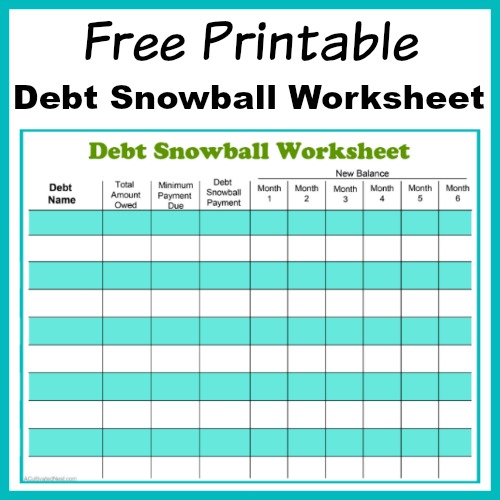
Another approach to consider is the snowball method, which involves paying off loans with the smallest balances first. This method can provide a psychological boost, as you'll see progress more quickly and feel a sense of accomplishment as you eliminate smaller debts. Here are some pros and cons of each approach:
- Paying off high-interest loans first can save you money on interest payments
- The snowball method can provide motivation and help you stay on track
- Ultimately, the best approach will depend on your individual financial situation and goals
To get started, make a list of all your loans, including the balance, interest rate, and minimum payment for each. Then, consider your financial goals and priorities, and decide which approach makes the most sense for you. By prioritizing your loans and creating a plan, you can take control of your debt and make progress towards becoming debt-free.
Can I refinance my student loans?
When considering refinancing your student loans, it's essential to understand the differences between federal and private loans. Refinancing might be a viable option for private loans, as it can potentially lower your interest rate or monthly payments. For instance, if you have a private loan with a high interest rate, refinancing could save you a significant amount of money over the life of the loan.
Before making a decision, it's crucial to carefully review the terms of your private loan and the refinancing offer. You should consider factors such as the new interest rate, repayment term, and any associated fees. It's also important to evaluate whether the benefits of refinancing outweigh the potential risks, such as losing certain borrower benefits or protections.
If you're considering refinancing your private student loans, here are some key factors to consider:
- Check your credit score, as a good credit score can help you qualify for better refinancing terms
- Evaluate the interest rates and repayment terms offered by different lenders
- Consider working with a lender that offers flexible repayment options or borrower benefits, such as unemployment protection
It's also important to note that refinancing federal loans can result in the loss of certain benefits, such as income-driven repayment plans or loan forgiveness programs. As a result, it's essential to weigh the potential advantages of refinancing against the potential risks and losses.
To make an informed decision, you should research and compare refinancing options from multiple lenders. You can start by checking with your current lender to see if they offer refinancing options, or you can explore other lenders that specialize in student loan refinancing. By taking the time to carefully evaluate your options and consider the potential implications, you can make a decision that's right for your financial situation and goals.
Are there any tax benefits for paying off student loans?
Paying off student loans can be a significant financial burden, but there is some good news. You may be eligible for tax deductions on the interest paid on your student loans, which can help reduce your taxable income. This can lead to a lower tax bill and more money in your pocket.
To qualify for this deduction, you will need to meet certain requirements, such as having a modified adjusted gross income below a certain threshold. The interest paid on your student loans must also be on a qualified education loan, which includes federal and private student loans used to pay for higher education expenses. You can claim this deduction on your tax return, which can help you save money on your taxes.
Here are some key things to keep in mind when claiming the student loan interest deduction:
- The deduction is limited to $2,500 per year, and it can only be claimed on interest paid on qualified education loans.
- You can claim the deduction even if you do not itemize your deductions on your tax return.
- The deduction is subject to income phase-outs, which means that it may be reduced or eliminated if your income is above a certain level.
For example, if you paid $1,500 in interest on your student loans last year, you may be able to deduct that amount on your tax return, which can help reduce your taxable income and lower your tax bill.
It's also worth noting that you will need to receive a Form 1098-E from your lender to claim the student loan interest deduction. This form will show the amount of interest you paid on your student loans during the tax year, and you can use this information to claim the deduction on your tax return. By taking advantage of this deduction, you can save money on your taxes and put more of your hard-earned cash towards paying off your student loans.