As a young adult, managing finances effectively is crucial for long-term stability and security. Earning passive income can be a game-changer, providing a steady stream of revenue without requiring direct involvement. By investing wisely and planning carefully, you can set yourself up for financial success.
To get started, it's essential to understand the different types of passive income opportunities available. Some popular options include investing in dividend-paying stocks, real estate investment trusts (REITs), and peer-to-peer lending platforms. These investments can provide regular returns, helping to supplement your income and achieve your financial goals.
When it comes to generating passive income, having a solid investment strategy is key. Consider the following tips:
- Start by assessing your financial situation and setting clear goals for your investments
- Research and diversify your portfolio to minimize risk and maximize returns
- Take advantage of tax-advantaged accounts, such as 401(k) or IRA, to optimize your savings
By following these tips and staying informed about the latest investment trends, you can make informed decisions and create a profitable passive income stream.
In this article, we'll delve into the best ways to earn passive income in 2025, covering key investment strategies and financial planning tips for young adults. From investing in index funds to creating and selling digital products, we'll explore a range of opportunities to help you achieve financial freedom. Whether you're a student, recent graduate, or young professional, this guide will provide you with the knowledge and tools needed to succeed in the world of passive income.

Understanding Passive Income
Passive income is a type of earnings that requires little to no effort to maintain, providing financial stability and growth over time. This means that once you've set up a passive income stream, you can earn money without actively working for it. For example, if you invest in a rental property, you can collect rent from tenants without having to trade time for money.
Active income, on the other hand, is earned through direct involvement, such as a salary from a 9-to-5 job or freelance work. The key difference between active and passive income streams is the level of effort required to generate earnings. Active income typically requires a significant amount of time and energy, whereas passive income can be generated with minimal effort.
Some common examples of passive income sources include:
- Dividend-paying stocks, which distribute a portion of the company's profits to shareholders
- Real estate investment trusts (REITs), which allow individuals to invest in real estate without directly managing properties
- Peer-to-peer lending, which involves lending money to individuals or businesses through online platforms
- Royalty-generating assets, such as intellectual property or creative works
These types of investments can provide a relatively stable source of income, helping you build wealth over time. By diversifying your income streams and including passive sources, you can reduce your reliance on a single income source and achieve greater financial stability.
Investing in passive income sources can be a great way to supplement your active income and work towards long-term financial goals, such as retirement or financial independence. For instance, you can start by investing in a dividend-paying stock or a REIT, and then gradually add more passive income streams to your portfolio. By taking a proactive approach to building passive income, you can set yourself up for financial success and enjoy the benefits of increased financial stability and growth.

Investing in Dividend-Paying Stocks
Investing in dividend-paying stocks can be a great way to generate passive income and build long-term wealth. One of the main advantages of dividend stocks is that they provide a regular stream of income, which can help offset market volatility. For example, investing in a company like Coca-Cola, which has a history of paying consistent dividends, can provide a relatively stable source of income.
When it comes to researching and selecting high-quality dividend stocks, there are several factors to consider. Investors should look for companies with a history of paying consistent dividends, a strong financial position, and a competitive advantage in their industry. Some popular resources for researching dividend stocks include financial news websites, such as CNBC and Bloomberg, as well as stock screeners like Yahoo Finance.
To get started, investors can use the following criteria to evaluate potential dividend stocks:
- Dividend yield: Look for stocks with a dividend yield that is higher than the overall market average.
- Dividend payout ratio: Make sure the company's dividend payout ratio is reasonable and sustainable.
- Financial health: Evaluate the company's financial position, including its debt-to-equity ratio and return on equity.
By considering these factors, investors can increase their chances of selecting high-quality dividend stocks that will provide a strong source of passive income.
Creating a diversified dividend stock portfolio is also crucial to minimizing risk and maximizing returns. Investors should aim to hold a mix of stocks from different industries and sectors, such as consumer goods, healthcare, and technology. For example, a portfolio might include stocks like Johnson & Johnson, Procter & Gamble, and 3M, which have a history of paying consistent dividends and operate in different industries.
In terms of portfolio construction, investors can use a variety of strategies to diversify their holdings. One approach is to allocate a certain percentage of the portfolio to each stock, based on its dividend yield and financial health. Another approach is to use a dividend-focused index fund or ETF, which can provide broad diversification and reduce the need for individual stock selection. By taking a thoughtful and disciplined approach to dividend stock investing, investors can build a portfolio that generates consistent income and helps them achieve their long-term financial goals.

Real Estate Investing for Passive Income
Real estate investing is a popular way to generate passive income, and one of the most accessible methods is through real estate investment trusts (REITs). REITs allow individuals to invest in a diversified portfolio of properties without directly managing them, providing a steady stream of income through rental properties, mortgages, or other real estate assets. This makes it an attractive option for those who want to invest in real estate without the hands-on work.
Investing in REITs can be done through a brokerage account, and many REITs are publicly traded, making it easy to buy and sell shares. For example, companies like Realty Income and National Retail Properties offer a range of REITs that invest in different types of properties, such as commercial buildings or apartments. By investing in REITs, individuals can earn rental income without the hassle of direct property management.
Another option for real estate investing is through crowdfunding platforms, which allow multiple investors to pool their funds to invest in a property or project. The benefits of investing in real estate crowdfunding platforms include:
- Lower minimum investment requirements, making it more accessible to individual investors
- Diversification of investments across different properties and projects
- Professional management of properties, reducing the need for direct involvement
However, there are also drawbacks to consider, such as the potential for lower returns on investment and the risk of project delays or failures.
When investing in real estate, whether through REITs or crowdfunding platforms, location and property type are crucial factors to consider. For instance, investing in a property in a growing neighborhood with high demand for housing can lead to higher rental income and increased property value. On the other hand, investing in a property in a declining area can result in lower returns and potential losses. It's essential to research the local market and consider factors such as job growth, population trends, and transportation infrastructure when evaluating a potential investment.
Some popular types of properties for real estate investing include:
- Residential properties, such as single-family homes or apartments
- Commercial properties, such as office buildings or retail spaces
- Industrial properties, such as warehouses or manufacturing facilities
Each type of property has its unique characteristics, benefits, and drawbacks, and it's essential to understand these factors before making an investment decision. By carefully evaluating the location and property type, investors can make informed decisions and increase their potential for generating passive income through real estate investing.

Creating and Selling Digital Products
Creating and selling digital products is a great way to earn passive income, allowing you to make money while you sleep. This can be achieved by creating valuable digital products such as ebooks, online courses, and software that solve a problem or meet a need for your target audience. For example, if you're an expert in personal finance, you could create an ebook on budgeting tips for students.
To get started, you need to identify a profitable niche, which can be done by researching popular topics and identifying gaps in the market. You can use online tools such as Google Trends and Amazon Best Sellers to find in-demand topics. Once you've identified your niche, you can create a valuable digital product that meets the needs of your target audience.
When creating a digital product, it's essential to focus on providing value to your customers. This can be done by creating high-quality content, such as well-researched ebooks or engaging online courses. Here are some tips to consider when creating a digital product:
- Validate your idea by gathering feedback from potential customers
- Create a unique and valuable product that stands out from the competition
- Ensure your product is easy to use and navigate
Marketing and selling digital products effectively is crucial to their success. You can use various marketing strategies, such as social media marketing, email marketing, and affiliate marketing, to reach your target audience. For example, you can use Facebook ads to promote your digital product to a targeted audience, or partner with influencers in your niche to promote your product to their followers.
To sell digital products, you can use ecommerce platforms such as Gumroad or Shopify, which provide easy-to-use tools and templates to create a sales page. You can also use payment gateways such as PayPal or Stripe to process transactions securely. Additionally, you can offer discounts, bonuses, or free trials to incentivize customers to buy your digital product.
By following these tips and creating a valuable digital product, you can earn passive income and achieve financial freedom. Remember to continually evaluate and improve your digital product to ensure it remains relevant and valuable to your customers. With the right mindset and strategy, you can succeed in the digital product market and achieve your financial goals.
Peer-to-Peer Lending and Passive Income
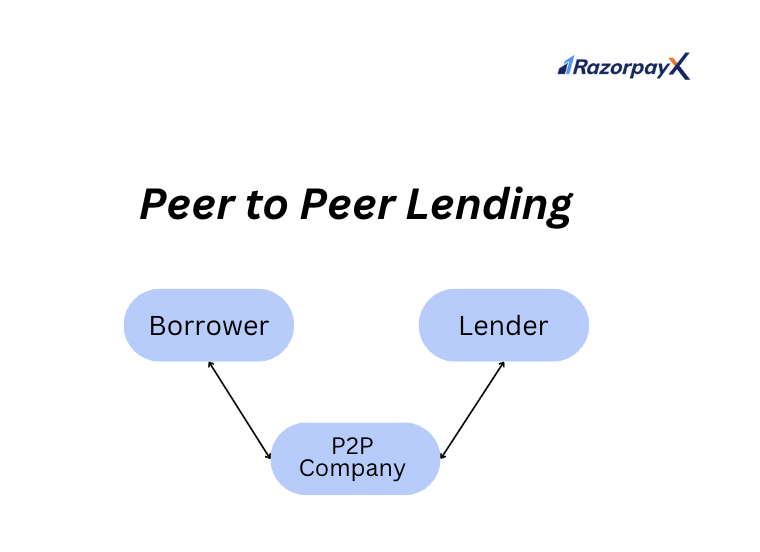
Peer-to-peer lending is a financial innovation that allows individuals to lend money to others, bypassing traditional banking institutions. This concept has gained popularity in recent years due to its potential for generating passive income. By lending to multiple borrowers, investors can diversify their portfolio and earn interest on their investments.
The benefits of investing in peer-to-peer lending platforms include diversification, higher returns compared to traditional savings accounts, and the opportunity to support small businesses or individuals. However, there are also risks involved, such as borrower default and platform closure. To mitigate these risks, it's essential to research and choose a reputable platform with a robust credit assessment process.
Some popular peer-to-peer lending platforms include Lending Club, Prosper, and Upstart, which offer various investment options and borrower profiles. When selecting a platform, consider factors such as fees, interest rates, and loan terms. For example, Lending Club offers a range of loan grades with varying interest rates, allowing investors to choose their level of risk and potential return.
To get started with peer-to-peer lending, follow these steps:
- Research and choose a reputable platform that aligns with your investment goals and risk tolerance
- Set up an account and deposit funds, which can be as little as $1,000
- Browse borrower profiles and loan listings to select investments that meet your criteria
- Monitor and adjust your portfolio regularly to ensure it remains aligned with your investment objectives
By following these steps and being mindful of the potential risks and benefits, investors can generate passive income through peer-to-peer lending and achieve their long-term financial goals.
Investing in peer-to-peer lending requires a long-term perspective and a willingness to take on some level of risk. However, with the right approach and a well-diversified portfolio, investors can earn attractive returns and support the growth of small businesses and individuals. As with any investment, it's essential to educate yourself and stay up-to-date with market trends and platform developments to make informed decisions.
Frequently Asked Questions (FAQ)
What are the best passive income ideas for beginners?
As a beginner, getting started with passive income can seem daunting, but it doesn't have to be. Investing in dividend-paying stocks is a great way to earn passive income, as these stocks pay out a portion of the company's profits to shareholders on a regular basis. For example, investing in well-established companies like Coca-Cola or Johnson & Johnson can provide a relatively stable source of passive income.
Creating and selling digital products is another excellent way to generate passive income, as it allows you to sell a product without having to physically deliver it. This can include things like ebooks, online courses, or software, which can be sold through your own website or platforms like Amazon or Udemy. Once you've created the product, you can sell it multiple times without having to put in much additional effort.
Some of the best passive income ideas for beginners include:
- Investing in dividend-paying stocks, such as those in the S&P 500 index
- Creating and selling digital products, like ebooks or online courses
- Exploring real estate investment trusts (REITs), which allow you to invest in real estate without directly managing properties
Exploring REITs can be a good option for those who want to invest in real estate without the hands-on work of being a landlord. REITs allow you to pool your money with others to invest in a diversified portfolio of properties, and can provide a steady stream of income through rental properties or other real estate investments.
To get started with passive income, it's essential to do your research and understand the options available to you. You can start by investing a small amount of money in dividend-paying stocks or creating a simple digital product, like a printable art piece or a template. As you become more comfortable with the concept of passive income, you can expand your investments and explore other opportunities, such as affiliate marketing or peer-to-peer lending.
How much money do I need to start earning passive income?
When it comes to earning passive income, many people assume that they need a significant amount of money to get started. However, this is not always the case, as there are numerous investment options and strategies that can be implemented with minimal upfront costs. For instance, investing in a high-yield savings account or a certificate of deposit (CD) can be done with as little as $100.
The amount of money needed to start earning passive income varies greatly depending on the investment or strategy. Some options, such as investing in dividend-paying stocks or real estate investment trusts (REITs), may require a larger initial investment. On the other hand, options like affiliate marketing or creating and selling digital products can be started with little to no initial cost.
To get started with earning passive income, consider the following options:
- Investing in index funds or ETFs, which can be done with a small initial investment
- Creating and selling online courses or ebooks, which can be done with minimal upfront costs
- Participating in the gig economy, such as renting out a spare room on Airbnb or delivering food with UberEats
These options can help you earn passive income without requiring a large amount of money to get started.
Investing in a peer-to-peer lending platform or a robo-advisor is another option, which can be done with a relatively small initial investment. These platforms allow you to lend money to individuals or businesses, earning interest on your investment, or invest in a diversified portfolio of stocks or bonds. By starting small and being consistent, you can build a steady stream of passive income over time.
Ultimately, the key to earning passive income is to be consistent and patient, and to start with what you have. By taking the first step and exploring the various options available, you can begin building a stream of passive income that can help you achieve your financial goals.
Is passive income taxable?
When it comes to earning passive income, one of the most common questions is whether it's taxable. The answer is yes, passive income is taxable, and the tax implications vary depending on the type of income and the individual's tax situation. This means that individuals need to consider the tax implications of their passive income when filing their tax returns.
The type of tax imposed on passive income depends on the source of the income. For example, rental income from a property is subject to different tax rules than dividend income from stocks. Understanding these differences is crucial to avoiding any potential tax pitfalls and ensuring compliance with tax laws.
Here are some common types of passive income and their tax implications:
- Rental income: taxed as ordinary income, with deductions allowed for expenses such as mortgage interest and property maintenance
- Dividend income: taxed at a lower rate than ordinary income, with some dividends qualifying for preferential tax treatment
- Interest income: taxed as ordinary income, with some exceptions for tax-exempt bonds and other investments
It's essential to keep accurate records of passive income and expenses to ensure accurate tax reporting and minimize potential tax liabilities.
Individuals can also use tax-advantaged accounts, such as 401(k) or IRA accounts, to reduce their tax burden on passive income. By contributing to these accounts, individuals can lower their taxable income and reduce their overall tax liability. Additionally, consulting with a tax professional can help individuals navigate the complexities of passive income taxation and ensure they're taking advantage of all available tax savings opportunities.