As a young adult, taking control of your finances can seem daunting, especially when faced with overwhelming debt. One inspiring example is a 30-something who successfully paid off $100,000 of debt by leveraging a side hustle. This remarkable achievement not only showcases the power of determination but also highlights the importance of exploring alternative income streams.
Many of us struggle with debt, whether it's from student loans, credit cards, or mortgages, and it's easy to feel trapped. However, by adopting a proactive approach and considering unconventional methods, such as side hustles, it's possible to break free from debt and build a more stable financial future. For instance, freelance writing, tutoring, or selling products online can be lucrative side hustles that generate significant income.
When it comes to achieving financial freedom, there are several common misconceptions about passive income that can hinder our progress. Some of these misconceptions include:
- Believing that passive income requires a large initial investment
- Thinking that passive income is only for the wealthy or experienced investors
- Assuming that passive income is a quick fix or a get-rich-quick scheme
In reality, building passive income often requires patience, dedication, and a willingness to learn and adapt. By dispelling these myths and gaining a deeper understanding of passive income, we can unlock new opportunities for financial growth and stability.
By learning from the experiences of others, such as the 30-something who paid off $100,000 of debt, we can gain valuable insights into the world of personal finance and discover effective strategies for managing debt and building wealth. Whether you're just starting out or looking to refine your financial skills, it's essential to stay informed and motivated, and to be open to exploring new ideas and approaches.

Understanding Passive Income Misconceptions
When it comes to passive income, many people assume that it requires little to no effort, allowing you to sit back and collect checks. However, this couldn't be further from the truth, as most successful passive income streams require some level of regular maintenance. For instance, investing in real estate or creating an online course may require ongoing management and updates to remain profitable.
Creating a successful passive income stream often involves a significant amount of upfront work, such as developing a product, building a website, or creating a marketing strategy. Once the initial work is done, you can earn passive income, but you'll still need to dedicate time to maintaining and improving your stream. Examples of successful passive income streams that require regular maintenance include renting out a property on Airbnb, which requires managing bookings and guest communications, or selling an online course, which requires updating content and engaging with students.
Some common examples of passive income streams that require regular maintenance include:
- Investing in dividend-paying stocks, which requires monitoring market trends and adjusting your portfolio
- Creating and selling an online course, which requires updating content and engaging with students
- Renting out a property on Airbnb, which requires managing bookings and guest communications
These examples illustrate that while passive income can provide a sense of financial freedom, it's not a completely hands-off endeavor.
Building multiple income streams can lead to financial stability by providing a safety net in case one stream experiences a downturn. By diversifying your income streams, you can reduce your reliance on a single source of income and create a more sustainable financial foundation. For example, you could combine investing in stocks with creating and selling an online course, or renting out a property with affiliate marketing, to create a robust and resilient financial portfolio.
To get started with building multiple income streams, consider your skills, interests, and resources, and identify areas where you can create value and earn passive income. You can start by investing in stocks or creating a simple online product, such as an ebook or a print-on-demand t-shirt design, and then scale up to more complex streams as you gain experience and confidence. Remember, building multiple income streams takes time and effort, but it can provide long-term financial stability and peace of mind.

Building a Side Hustle for Debt Repayment
Paying off a large amount of debt can seem like a daunting task, but with the right strategy, it can be achievable. For example, a 30-something individual was able to pay off $100,000 of debt by starting a side hustle as a freelance writer. This extra income, combined with a solid budget and debt repayment plan, allowed them to become debt-free in just a few years.
To start a successful side hustle, it's essential to identify your skills and interests. Freelancing is a popular option, as it can be done on a part-time basis and can include a wide range of services, such as writing, graphic design, or social media management. For instance, you can offer your services on platforms like Upwork or Fiverr, and start building a client base.
Another option for a side hustle is selling products online, which can be done through platforms like eBay, Amazon, or Etsy. You can start by selling items you no longer need or use, and then move on to finding products to resell or creating your own products to sell. This can be a lucrative way to earn extra income, and can be done from the comfort of your own home.
When starting a side hustle, it's crucial to create a budget and track your expenses to ensure that your profits are going towards debt repayment. Here are some tips to keep in mind:
- Set clear financial goals, such as paying off a certain amount of debt each month
- Track your income and expenses to see where your money is going
- Make a budget that accounts for your side hustle income and debt repayment
- Use the 50/30/20 rule, where 50% of your income goes towards necessities, 30% towards discretionary spending, and 20% towards saving and debt repayment
By following these tips and staying committed to your side hustle and debt repayment plan, you can make significant progress towards becoming debt-free. Remember to stay flexible and adapt to changes in your income or expenses, and don't be afraid to seek help if you need it. With persistence and the right strategy, you can achieve financial freedom and build a brighter future for yourself.

Investing for Long-Term Financial Health
Investing for long-term financial health is crucial for achieving goals such as retirement or making big purchases, like a down payment on a house. By starting to invest early, you can take advantage of compound interest and potentially grow your wealth over time. For example, contributing a fixed amount to a retirement account each month can add up significantly over the years.
When it comes to investment options, there are many to choose from, each with its own set of pros and cons. Index funds, for instance, offer broad diversification and tend to be less expensive than actively managed funds. On the other hand, real estate investing can provide a tangible asset and potential rental income, but it often requires a significant upfront investment.
Some popular investment options include:
- Index funds, which track a specific market index, such as the S&P 500
- Real estate investment trusts (REITs), which allow individuals to invest in real estate without directly managing properties
- Dividend-paying stocks, which can provide a regular income stream
These options can be used to create a diversified portfolio, which is essential for managing risk and increasing potential returns.
To get started with investing, you'll need to set up a brokerage account, which can usually be done online in a matter of minutes. Once your account is open, you can begin funding it and selecting the investments that align with your goals and risk tolerance. It's also important to educate yourself on investing and personal finance, which can be done through online resources, books, or consulting with a financial advisor.
Creating a diversified portfolio is key to long-term financial health, as it helps to spread risk and increase potential returns. A general rule of thumb is to allocate your investments across different asset classes, such as stocks, bonds, and real estate. For example, a conservative investor might allocate 60% of their portfolio to bonds and 40% to stocks, while a more aggressive investor might do the opposite.
Ultimately, investing for long-term financial health requires discipline, patience, and a well-thought-out strategy. By starting early, being consistent, and staying informed, you can set yourself up for success and achieve your long-term financial goals. As you begin your investing journey, remember to stay focused on your goals and avoid getting caught up in short-term market fluctuations.
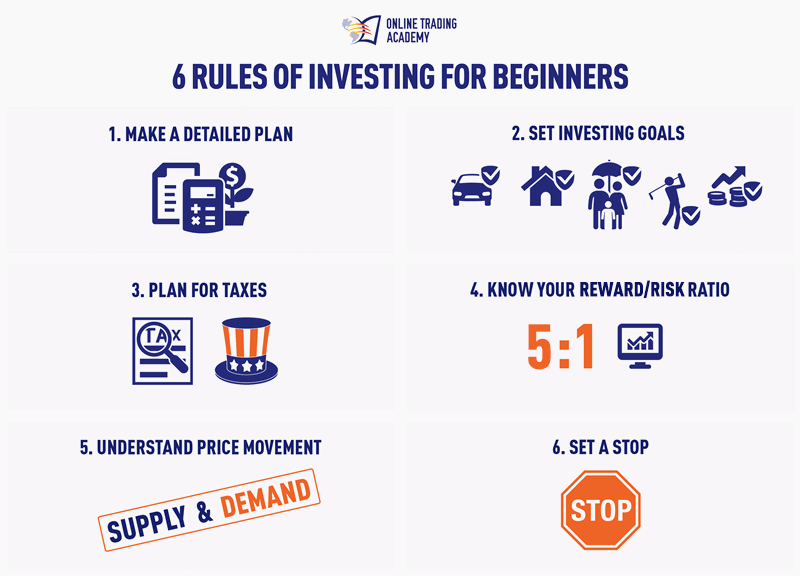
Maintaining Financial Discipline and Avoiding Debt
Maintaining financial discipline is crucial, especially after paying off large amounts of debt. This is because it's easy to fall back into old habits and start accumulating new debt. By staying disciplined, you can avoid this trap and continue making progress towards your financial goals.
One of the biggest challenges young adults face is avoiding lifestyle inflation, which occurs when you increase your spending as your income rises. To avoid this, it's essential to continue living below your means and allocate any extra money towards savings and debt repayment. For example, if you get a raise at work, consider putting the extra funds towards building an emergency fund or paying off high-interest debt.
To stay on track, it's helpful to have a clear understanding of your financial priorities. Here are some tips to help you maintain financial discipline:
- Track your expenses to see where your money is going and make adjustments as needed
- Set financial goals, such as building an emergency fund or saving for a big purchase
- Automate your savings and bill payments to make it easier to stick to your plan
By following these tips, you can develop healthy financial habits that will serve you well in the long run.
Building an emergency fund is a critical component of maintaining financial discipline. This fund will help you cover unexpected expenses, such as car repairs or medical bills, without going into debt. Aim to save 3-6 months' worth of living expenses in a easily accessible savings account. Having a cushion of savings will give you peace of mind and help you avoid financial stress.
In addition to building an emergency fund, it's essential to have a long-term financial plan in place. This plan should include goals such as saving for retirement, paying off debt, and building wealth. By having a clear plan, you can make informed financial decisions and avoid costly mistakes. For example, you may want to consider contributing to a retirement account, such as a 401(k) or IRA, to take advantage of compound interest and tax benefits.
By maintaining financial discipline and avoiding debt, you can achieve financial stability and security. Remember, it's all about making small changes to your daily habits and staying committed to your long-term goals. With time and practice, you can develop the financial discipline you need to succeed and achieve financial freedom.

Conclusion and Next Steps
As you wrap up this article, remember that taking control of your finances is a journey, not a destination. By incorporating side hustles and investing into your financial routine, you can set yourself up for long-term success and wealth. For example, dedicating just 5 hours a week to a side hustle can increase your annual income by $5,000 or more.
To get started, focus on building multiple income streams and investing in a diversified portfolio. This can include stocks, real estate, or a small business. Consider setting aside a specific day each week to review your finances and make adjustments as needed.
Here are some key takeaways to keep in mind:
- Start small and be consistent with your side hustles and investments
- Automate your savings and investments to make it easier to stick to your goals
- Continuously educate yourself on personal finance and debt repayment strategies
By following these tips and staying committed to your financial goals, you can overcome common obstacles like debt and build a secure financial future.
For those who want to learn more, there are many additional resources available, including online courses, financial blogs, and budgeting apps. Some popular options include The Balance, NerdWallet, and Mint. You can also consider working with a financial advisor or joining a community of like-minded individuals to stay motivated and accountable.
Remember, building wealth and achieving financial health takes time and effort, but it is possible with the right mindset and strategies. By taking control of your finances and making informed decisions, you can create a brighter financial future and achieve your long-term goals. With patience, persistence, and the right resources, you can overcome any financial challenge and build a secure and prosperous future.

Frequently Asked Questions (FAQ)
What is the best way to get started with a side hustle?
To begin with, it's essential to understand what makes a side hustle successful. Identifying your skills and interests is a crucial step in finding the right opportunity for you. By focusing on areas you're passionate about, you'll be more motivated to put in the time and effort required to make your side hustle thrive.
When researching profitable side hustles, consider what's currently in demand and what you can offer. Look into freelance work, online tutoring, or selling products online, as these are popular and potentially lucrative options. You can also explore platforms like Upwork or Fiverr to find job postings that match your skills.
Some key factors to consider when choosing a side hustle include:
- your availability and schedule
- the initial investment required
- the potential for growth and scalability
By evaluating these factors, you can narrow down your options and find a side hustle that aligns with your goals and lifestyle.
For example, if you're skilled in writing or graphic design, you could offer your services on a freelance basis. Alternatively, if you have a talent for crafting or making things, you could start an online store to sell your products. By leveraging your existing skills and interests, you can create a side hustle that's both enjoyable and profitable.
Once you've identified a few potential side hustles, it's time to do some further research. Look into the market demand, competition, and potential earnings for each option. This will help you make an informed decision and choose the best side hustle for your needs. By taking the time to research and plan carefully, you can set yourself up for success and create a thriving side hustle that brings in extra income and helps you achieve your financial goals.
How much money can I expect to make from a side hustle?
When it comes to side hustles, the earning potential can vary greatly. The amount of money you can make from a side hustle depends on the type of hustle, your skills, and the demand for your services. For instance, if you have a talent for writing, you can offer your services as a freelance writer and earn a decent income.
The type of side hustle you choose plays a significant role in determining your earnings. Some side hustles, such as dog walking or house sitting, may not generate as much income as others, like web development or consulting. However, these lower-paying side hustles can still help you earn some extra money on the side and can be a good starting point.
Here are some factors that can impact your side hustle earnings:
- Your level of expertise and skills in a particular area
- The demand for your services in the market
- The amount of time you can dedicate to your side hustle
- Your ability to market and promote your services
By considering these factors, you can get a better idea of how much money you can make from a side hustle and create a plan to achieve your financial goals.
To give you a better idea, some popular side hustles and their potential earnings are:
- Tutoring or teaching: $20-$50 per hour
- Freelance writing or editing: $25-$100 per hour
- Graphic design: $25-$100 per hour
- Ride-sharing or delivery: $10-$25 per hour
Keep in mind that these are just rough estimates, and your actual earnings will depend on your individual circumstances and the specific side hustle you choose.
What are some common mistakes to avoid when investing for the first time?
When investing for the first time, it's essential to be aware of common pitfalls that can impact your financial goals. Not diversifying your portfolio is a significant mistake, as it can leave you vulnerable to market fluctuations. For instance, investing solely in tech stocks may seem lucrative, but if the tech industry experiences a downturn, your entire portfolio could be at risk.
To avoid this, consider spreading your investments across various asset classes, such as stocks, bonds, and real estate. This strategy can help minimize risk and increase potential returns over time. A well-diversified portfolio might include a mix of low-risk and high-risk investments, allowing you to balance your risk tolerance with your financial objectives.
Some other common mistakes to watch out for include:
- Investing too much in a single stock, which can lead to significant losses if the company experiences financial difficulties
- Not having a long-term plan, which can cause you to make impulsive decisions based on short-term market fluctuations
- Failing to educate yourself about investing, which can result in poor investment choices and missed opportunities
By being aware of these potential pitfalls, you can take steps to avoid them and set yourself up for long-term financial success.
Investing without a long-term plan is another common mistake that can lead to poor decision-making. A long-term plan helps you stay focused on your financial goals, even when the market experiences volatility. For example, if you're saving for retirement, you may be able to ride out market fluctuations and avoid making impulsive decisions that could impact your long-term financial security.
Ultimately, investing for the first time requires patience, discipline, and a willingness to learn. By avoiding common mistakes and taking a thoughtful, informed approach, you can set yourself up for success and achieve your financial goals over time. With the right mindset and strategies, you can navigate the world of investing with confidence and make progress towards a more secure financial future.