Saving money can seem like an overwhelming task, especially for those who feel they don't have the time or energy for a side hustle. However, there are many simple ways to save money that don't require taking on extra work. By making a few small changes to your daily habits, you can start building up your savings over time.
One of the easiest ways to start saving is to take a close look at your budget and see where you can cut back on unnecessary expenses. This can be as simple as making your own coffee at home instead of buying it on the go, or cancelling subscription services you don't use. For example, you could save around $5 per day by making your own lunch instead of buying it.
To get started with saving, consider the following tips:
- Track your spending to see where your money is going
- Set a savings goal, such as building up an emergency fund
- Automate your savings by setting up a monthly transfer from your checking account
By following these tips and making a few small changes to your daily habits, you can start saving money without having to take on a side hustle. This can help you build up your savings over time and achieve your long-term financial goals.

Understanding Your Expenses
To get a better grasp of your financial situation, it's essential to track every purchase for a month. This will help you identify your spending habits and pinpoint areas where you can cut back. By doing so, you'll be able to make informed decisions about how to allocate your income.
Categorizing your expenses is the next step in understanding your spending. You can divide your expenses into two main categories: necessities and discretionary spending. Necessities include expenses like rent, utilities, and groceries, while discretionary spending includes expenses like dining out, entertainment, and hobbies.
The 50/30/20 rule is a simple and effective way to allocate your income towards savings, necessities, and discretionary spending. This rule suggests that 50% of your income should go towards necessities, 30% towards discretionary spending, and 20% towards saving and debt repayment. For example, if you earn $4,000 per month, you would allocate $2,000 towards necessities, $1,200 towards discretionary spending, and $800 towards saving and debt repayment.
Here are some tips to help you implement the 50/30/20 rule:
- Start by tracking your income and expenses to see where your money is going.
- Make a budget that allocates 50% of your income towards necessities like rent, utilities, and groceries.
- Use the remaining 50% of your income for discretionary spending and saving.
By following the 50/30/20 rule and categorizing your expenses, you'll be able to create a budget that works for you and helps you achieve your financial goals. Remember, it's all about finding a balance between enjoying your life today and securing your financial future. With a little practice and patience, you'll be well on your way to managing your expenses like a pro.
Cutting Unnecessary Expenses
When it comes to managing your finances effectively, one of the key areas to focus on is reducing unnecessary expenses. This can be achieved by taking a closer look at your daily spending habits and identifying areas where you can cut back. A good place to start is by reviewing your subscription services, such as streaming platforms, gym memberships, and software subscriptions.
Many of us have subscription services that we don't use regularly, and these can quickly add up to a significant amount of money over time. To avoid this, consider canceling any services that you don't use at least once a week. For example, if you have a gym membership but only go a few times a month, it may be more cost-effective to pay for individual classes or workouts instead of a monthly membership.
Another area to explore is negotiating bills with service providers for better rates. This can include your phone and internet bills, insurance premiums, and even your rent. Here are some tips to keep in mind:
- Research the market to determine the average cost of the service in your area
- Contact your service provider and ask if they can offer any discounts or promotions
- Be willing to walk away if you don't get the rate you want, as this can often prompt the provider to reconsider
Planning your meals and using coupons can also help reduce your grocery bills. This can be as simple as making a weekly meal plan and sticking to it, or using cashback apps that offer discounts on certain items. Additionally, consider buying in bulk and using coupons or discount codes to get the best deals. By taking a few minutes each week to plan your meals and shop smart, you can save a significant amount of money on your grocery bills over time.

Increasing Income Without a Side Hustle
When it comes to increasing income, many people think that starting a side hustle is the only option. However, there are several ways to boost your earnings without taking on a part-time job. One approach is to ask for a raise at work, which can be a straightforward way to increase your income if you can make a solid case for why you deserve one.
To successfully ask for a raise, it's essential to do your research and prepare a solid argument. This includes gathering data on your performance and the market rate for your role, as well as preparing examples of your achievements. For instance, if you've taken on additional responsibilities or consistently received positive performance reviews, you can use these as evidence to support your request for a raise.
Another way to increase your income without a side hustle is to sell unwanted items that are cluttering up your home. This can be a great way to declutter and earn some extra money at the same time. You can sell items online through platforms like eBay or Craigslist, or hold a yard sale to get rid of multiple items at once.
Here are some ways to get started with selling unwanted items:
- Go through your home and gather items you no longer need or use
- Research the market value of each item to determine a fair price
- Take clear, well-lit photos of each item to showcase its condition
By selling unwanted items, you can earn some extra money and free up space in your home at the same time.
Participating in online surveys or focus groups is another way to increase your income without a side hustle. Many companies offer rewards or cash payouts for participating in these activities, which can be a great way to earn some extra money in your spare time. For example, you can sign up with survey sites like Swagbucks or Survey Junkie, or look for focus groups in your area that align with your interests and demographics.

Investing for the Future
When it comes to securing your financial future, investing is a crucial step to take. Starting a retirement fund with automatic monthly contributions is a great way to begin, as it allows you to save consistently without having to think about it. For example, you can set up a monthly transfer of $100 from your checking account to your retirement fund, and watch your savings grow over time.
In addition to saving for retirement, it's also essential to have an easily accessible savings fund for emergencies. Investing in a high-yield savings account can provide you with a safe and liquid place to store your emergency funds, earning you a higher interest rate than a traditional savings account. This way, you can avoid going into debt when unexpected expenses arise, such as car repairs or medical bills.
For those new to investing, it can be overwhelming to navigate the various options available. Consider starting with low-risk investments like index funds or ETFs, which provide broad diversification and tend to be less volatile than individual stocks. Here are some benefits of these investment types:
- Low fees: Index funds and ETFs typically have lower fees compared to actively managed funds.
- Diversification: By investing in a fund that tracks a particular market index, you can gain exposure to a wide range of assets.
- Consistency: Index funds and ETFs tend to be less volatile, providing more stable returns over the long term.
As you begin your investing journey, remember that it's essential to be patient and disciplined. Avoid making emotional decisions based on short-term market fluctuations, and instead focus on your long-term goals. By starting early, being consistent, and making informed investment choices, you can set yourself up for financial success and achieve your goals. With time and practice, you'll become more confident in your ability to manage your investments and make progress towards a more secure financial future.
Maintaining Financial Discipline
To achieve financial stability, it's essential to set clear financial goals and track progress regularly. This can be done by creating a vision board or writing down specific objectives, such as saving for a emergency fund or paying off debt. By doing so, you'll be able to stay focused and motivated on what you want to accomplish.
Setting financial goals is just the first step, as it's equally important to avoid impulse purchases and practice delayed gratification. This means being mindful of unnecessary expenses and waiting a day or two before making non-essential purchases to determine if they're really needed. For instance, creating a 30-day waiting period for non-essential purchases can help you avoid buying things on impulse.
Using budgeting apps is another effective way to stay on top of your finances, as they allow you to track your spending and stay organized. Some popular budgeting apps include Mint, You Need a Budget (YNAB), and Personal Capital, which offer a range of features such as budgeting, investing, and bill tracking. Here are some benefits of using budgeting apps:
- Automated expense tracking and categorization
- Customizable budgeting and savings goals
- Investment tracking and portfolio management
- Bill tracking and payment reminders
By leveraging these tools and strategies, you can develop healthy financial habits and make progress towards your goals. For example, you can use budgeting apps to identify areas where you can cut back on unnecessary expenses and allocate that money towards your savings or debt repayment. Regularly reviewing your budget and tracking your progress can also help you stay motivated and make adjustments as needed.

Frequently Asked Questions (FAQ)
How can I start saving money with no initial balance?
Starting to save money can seem daunting, especially when you have no initial balance. However, the key is to begin with small, manageable steps. Setting aside a fixed amount each week or month, even if it's just $5 or $10, can help you build the habit of saving and eventually lead to a sizable nest egg.
To make the most of your savings, consider taking advantage of bank account sign-up bonuses. Many banks offer incentives for new customers, such as a $100 or $200 bonus when you open a new account and meet certain requirements. These bonuses can be a great way to kickstart your savings without having to dip into your own pocket.
When it comes to setting aside small amounts regularly, it's essential to make it a habit. Here are some tips to get you started:
- Set up an automatic transfer from your checking account to your savings account to make saving easier and less prone to being neglected.
- Take advantage of mobile banking apps that allow you to transfer small amounts to your savings account with just a few taps.
- Consider implementing a "52-week savings challenge" where you save an amount equal to the number of the week (e.g., Week 1: Save $1, Week 2: Save $2, and so on).
By following these tips and staying consistent, you can start building your savings from scratch, even with no initial balance. Remember, the goal is to develop a long-term habit of saving, and it's okay to start small – every little bit counts, and it will add up over time. With patience and discipline, you can achieve your savings goals and set yourself up for financial success.
What are some easy ways to cut expenses without feeling deprived?
To cut expenses without feeling deprived, it's essential to identify areas where you can cut back without significantly impacting your lifestyle. One such area is dining out, which can be a significant drain on your wallet. By cooking at home instead of eating out, you can save a substantial amount of money.
Cooking at home allows you to prepare healthy meals and control the ingredients, which can also be beneficial for your health. You can start by planning your meals for the week, making a grocery list, and sticking to it. This simple change can help you save around $500 to $1000 per month, depending on your eating habits.
Some other areas where you can cut back include:
- Canceling subscription services you don't use, such as gym memberships or streaming services
- Reducing your entertainment expenses by finding free or low-cost alternatives, such as hiking or game nights
- Lowering your household expenses by turning off lights, using energy-efficient appliances, and adjusting your thermostat
By making these small changes, you can allocate the saved amount towards your savings, debt repayment, or investments, ultimately improving your financial health.
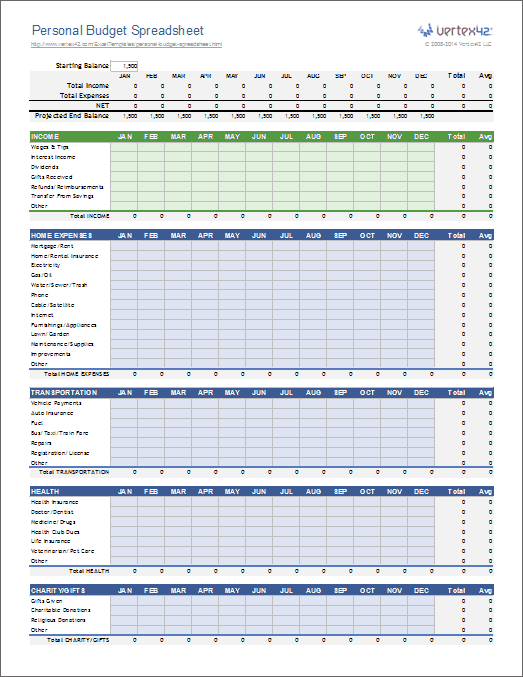
Another practical tip is to track your expenses to understand where your money is going. You can use a budgeting app or spreadsheet to monitor your spending and identify areas where you can cut back. By being mindful of your spending habits, you can make conscious decisions about how you want to allocate your resources, leading to a more balanced and fulfilling financial life.
Can I really increase my income without getting a side hustle?
Increasing your income doesn't always mean taking on a side hustle. You can start by negotiating a raise at your current job, which can be a straightforward way to boost your earnings. This can be as simple as preparing a solid case for why you deserve a raise and scheduling a meeting with your manager to discuss it.
Selling unwanted items is another way to increase your income without a side hustle. You can start by decluttering your home and identifying items that are still in good condition but no longer needed. This could include everything from old electronics to gently used clothing, which can be sold online through platforms like eBay or Craigslist.
Participating in online surveys is also a viable option for increasing your income. Many companies pay individuals for participating in surveys, which can be completed in your free time. Here are some ways to get started:
- Sign up with survey sites like Swagbucks or Survey Junkie
- Complete your profile to increase your chances of being selected for surveys
- Set aside dedicated time to complete surveys and earn rewards
By exploring these options, you can increase your income without the need for a side hustle, and start building towards your financial goals.