As a young adult, managing your finances and creating a budget can be overwhelming, especially when it comes to student loans. The potential takeover of student loans by the Small Business Administration (SBA) could have significant implications for your financial health. This change may affect how you approach budgeting and managing your debt, making it essential to stay informed and adapt your strategies accordingly.
The SBA's involvement in student loans could lead to changes in interest rates, repayment terms, and forgiveness options. For instance, if the SBA were to take over student loans, they might offer more flexible repayment plans, such as income-driven repayment options, which could help reduce monthly payments. This could be beneficial for young adults who are struggling to make ends meet.
To prepare for potential changes, it's crucial to understand your current loan terms and explore available options. Here are some key considerations:
- Review your loan documents to understand the interest rates, repayment terms, and any existing forgiveness options
- Research income-driven repayment plans and other flexible repayment options that may become available
- Create a budget that accounts for potential changes in your monthly loan payments
By taking proactive steps to manage your student loans and staying informed about potential changes, you can better navigate the complexities of student loan debt and achieve financial stability.
It's also important to consider how the SBA's takeover could impact your overall financial health and budgeting strategies. For example, with more flexible repayment options, you may be able to allocate more funds towards other financial goals, such as saving for a emergency fund or retirement. By understanding the potential implications and adapting your budgeting strategies, you can make the most of any changes and achieve long-term financial success.
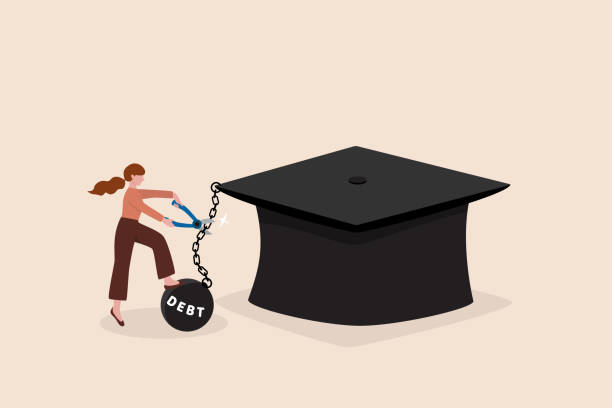
Understanding the SBA's Role in Student Loans
The Small Business Administration (SBA) is known for supporting entrepreneurs and small businesses, but its role may expand to include student loan management. This potential expansion could bring about significant changes to the student loan landscape, affecting interest rates, repayment terms, and loan forgiveness programs. For instance, the SBA might offer more flexible repayment options, such as income-driven repayment plans, to help borrowers manage their debt.
One of the potential benefits of the SBA's involvement in student loans is the possibility of lower interest rates, making it easier for borrowers to repay their loans. The SBA could also introduce more favorable repayment terms, such as longer repayment periods or temporary payment deferments. Additionally, the SBA might expand loan forgiveness programs, allowing borrowers to have a portion of their loans forgiven if they pursue certain careers or start their own businesses.
Some potential drawbacks of the SBA's involvement in student loans include:
- Increased complexity in the student loan system, making it harder for borrowers to navigate
- Potential fees associated with SBA-managed loans, which could add to the overall cost of borrowing
- Changes to existing loan forgiveness programs, which could affect borrowers who are currently relying on these programs
These changes could have a significant impact on young adults' budgeting and debt management plans, making it essential for them to stay informed and adapt to any changes in the student loan landscape.
The SBA's involvement in student loans could also lead to more entrepreneurial opportunities for students and recent graduates. For example, the SBA might offer access to capital for side hustles or small business ventures, helping young adults turn their business ideas into reality. This could include programs such as:
- Microloans for small business startups, providing access to capital for entrepreneurs who might not qualify for traditional loans
- Business mentorship programs, offering guidance and support to help young entrepreneurs succeed
- Resources and workshops on business planning and management, helping students and recent graduates develop the skills they need to launch and grow a successful business
By providing these resources, the SBA could help young adults turn their passions into successful businesses, creating a more entrepreneurial and innovative economy.
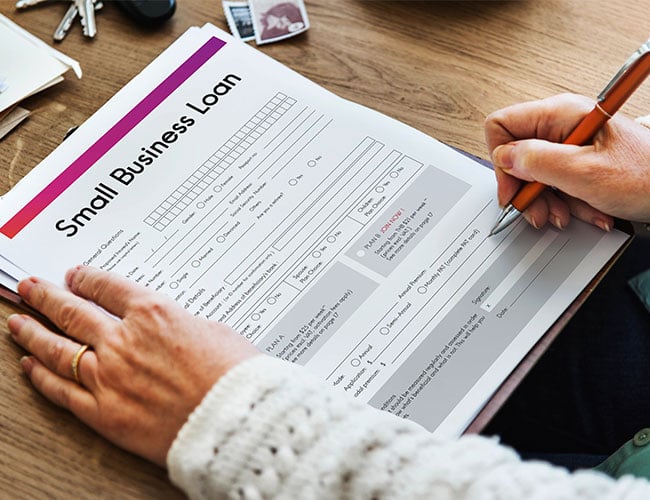
Implications for Budgeting and Debt Management
The takeover by the Small Business Administration (SBA) could have significant implications for budgeting strategies among young adults. One key area of impact is the potential change to monthly payment amounts, which may increase or decrease depending on the new terms set by the SBA. For instance, borrowers may need to adjust their monthly budgets to accommodate new payment amounts, which could be higher or lower than their current payments.
In terms of loan consolidation options, the SBA's involvement may lead to more flexible repayment plans, allowing borrowers to combine multiple loans into a single loan with a lower interest rate and a longer repayment period. This could be beneficial for young adults who are struggling to manage multiple loan payments each month. By consolidating their loans, borrowers may be able to simplify their finances and reduce their overall debt burden.
The SBA's takeover could also have credit score implications for borrowers, as changes to payment amounts and repayment terms may affect their credit history. To mitigate this, borrowers should continue making timely payments and monitoring their credit reports to ensure accuracy. Additionally, borrowers can:
- Check their credit reports regularly to detect any errors or changes
- Make on-time payments to demonstrate responsible credit behavior
- Keep credit utilization ratios low to maintain a healthy credit score
More flexible repayment plans could have a positive impact on financial health, enabling borrowers to allocate more funds towards investing, saving, or paying off high-interest debt. For example, borrowers may be able to take advantage of income-driven repayment plans, which tie monthly payments to their income and family size. This could free up more money in their budgets for other financial goals, such as building an emergency fund or paying off credit card debt.
The SBA's involvement may also contribute to potential solutions or mitigation strategies for the overall student loan debt crisis. By offering more flexible repayment options and potentially reducing interest rates, the SBA may help borrowers manage their debt more effectively. However, it is essential for borrowers to stay informed about the changes and to explore available options, such as:
- Income-driven repayment plans
- Loan forgiveness programs
- Debt counseling services
Ultimately, the SBA's takeover may lead to a range of consequences for borrowers, from changes to monthly payment amounts to potential solutions for the student loan debt crisis. By understanding these implications and exploring available options, young adults can make informed decisions about their finances and work towards achieving long-term financial stability.
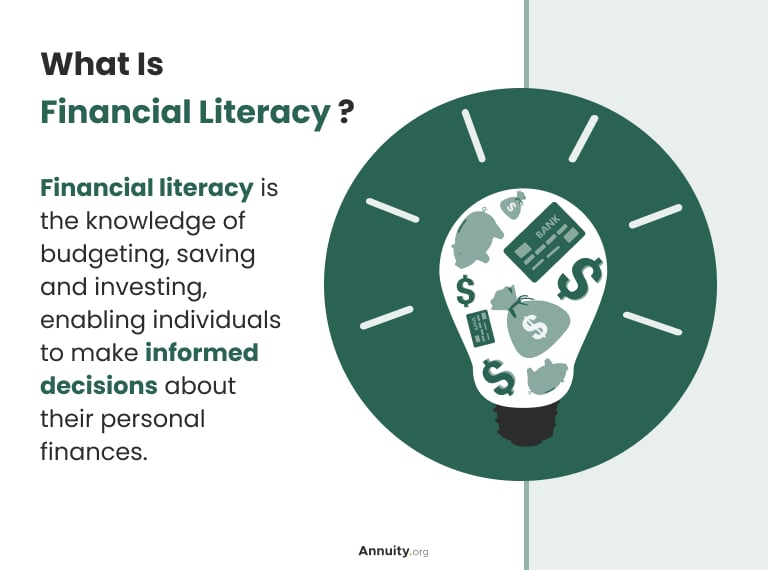
Investing and Financial Health Considerations
As a young adult, managing student loans can be a significant challenge, especially when it comes to investing in your future. The Small Business Administration's (SBA) management of student loans can have a direct impact on your ability to invest in retirement savings, stock market investments, or other long-term financial goals. For instance, high-interest rates or inflexible repayment terms can limit your ability to allocate funds towards investments.
The SBA can play a crucial role in supporting borrowers by offering financial counseling or education resources to help them make informed decisions about their debt and financial health. This can include providing strategies for paying off debt quickly, such as the snowball method or debt consolidation, or building an emergency fund to cover unexpected expenses. By educating borrowers on personal finance and money management, the SBA can empower them to take control of their financial health.
To prioritize financial health, borrowers can start by creating a budget that accounts for all income and expenses. This can be done by tracking expenses using a spreadsheet or mobile app, and then categorizing them into needs and wants. Some key areas to focus on include:
- Housing and utilities
- Transportation and food
- Debt repayment and savings
- Entertainment and hobbies
Avoiding lifestyle inflation is also essential, as it can quickly derail financial progress. This means avoiding the temptation to upgrade lifestyle habits, such as dining out or buying expensive clothing, as income increases. Instead, borrowers can direct excess funds towards debt repayment, savings, or investments, such as a retirement account or stock market portfolio.
By prioritizing financial health and making informed decisions about debt and investments, borrowers can set themselves up for long-term financial success. This includes building an emergency fund to cover 3-6 months of living expenses, paying off high-interest debt, and investing in a diversified portfolio of stocks, bonds, or other assets. With the right guidance and support, young adults can navigate the challenges of student loans and achieve their financial goals.
Side Hustles and Entrepreneurial Opportunities
As a young adult, pursuing a side hustle or entrepreneurial venture can be a great way to earn extra income and gain valuable experience. The Small Business Administration (SBA) plays a significant role in supporting small businesses and entrepreneurs, and their involvement in student loans could lead to more resources and support for those pursuing non-traditional work arrangements. This could include access to capital, mentorship, or networking opportunities that can help young adults turn their passions into successful businesses.
The SBA's management of student loans could have a significant impact on the gig economy, which is characterized by short-term, flexible work arrangements. This could lead to more opportunities for workers to pursue freelance or contract work, such as freelance writing or graphic design. For example, a freelance writer could use SBA resources to access capital and mentorship, helping them to build a successful business and gain a competitive edge in the market.
Some successful side hustles or small businesses that could be supported by the SBA's resources include:
- Freelance writing or editing, which can be done on a part-time basis and can help young adults build a portfolio and gain experience
- Graphic design or digital marketing, which can be done remotely and can help businesses build their online presence
- E-commerce ventures, such as selling products on Amazon or Etsy, which can be a great way for young adults to start a business with minimal upfront costs
These types of businesses can be started with relatively low overhead costs and can be run on a part-time basis, making them ideal for young adults who are looking to earn extra income or pursue their passions.
The SBA's resources could also help young adults navigate the potential benefits and drawbacks of non-traditional work arrangements. For example, the SBA could provide guidance on how to manage finances and taxes as a freelancer, or how to negotiate contracts and rates with clients. By providing access to these resources, the SBA could help young adults build successful and sustainable businesses that can help them achieve their financial goals.
In addition to providing access to capital and mentorship, the SBA could also help young adults connect with other entrepreneurs and small business owners through networking opportunities. This could include attending conferences or workshops, joining online communities or forums, or participating in mentorship programs. By connecting with other entrepreneurs, young adults can learn from their experiences, gain valuable insights and advice, and build relationships that can help them grow their businesses.

Frequently Asked Questions (FAQ)
How will the SBA's takeover of student loans affect my current repayment plan?
If you're currently repaying a student loan, the SBA's takeover may have left you wondering what's next. The good news is that you'll likely receive guidance from your loan servicer on any necessary changes to your repayment plan. This guidance will help you navigate any updates to your loan terms, so be sure to keep an eye on your email and mail for important notifications.
The SBA's involvement may lead to changes in interest rates, which could impact your monthly payments. For example, if interest rates decrease, you may be able to save money on your monthly payments or pay off your loan faster. On the other hand, an increase in interest rates could mean higher monthly payments, so it's essential to review your budget and adjust as needed.
Some key aspects of your loan may be affected, including:
- Repayment terms: Your loan servicer may offer alternative repayment plans, such as income-driven repayment or extended repayment plans.
- Loan forgiveness programs: You may be eligible for loan forgiveness programs, such as Public Service Loan Forgiveness (PSLF), which could help you eliminate some or all of your debt.
- Interest rates: As mentioned earlier, changes to interest rates can impact your monthly payments and overall loan cost.
To prepare for any changes, review your current repayment plan and budget to understand how potential updates may affect you. Consider reaching out to your loan servicer with questions or concerns, and be sure to follow their guidance on next steps. By staying informed and proactive, you can navigate any changes to your repayment plan and stay on track with your financial goals.
Can I still pursue Public Service Loan Forgiveness if the SBA takes over my student loans?
If you're considering pursuing Public Service Loan Forgiveness (PSLF), you may be wondering how the SBA's involvement in your student loans will impact your eligibility. The good news is that the SBA's management of your student loans may not necessarily affect your ability to qualify for PSLF. However, it's essential to review the terms of your loans to understand the specifics of your situation.
To determine if you're still eligible for PSLF, you'll need to examine the terms of your loan and consult with your loan servicer. They can provide you with more information on how the SBA's management of your loan will impact your eligibility for forgiveness. For example, if you're working for a qualifying public service organization, you may still be able to make qualifying payments towards PSLF.
Here are some key factors to consider when reviewing your loan terms:
- Check if your loan is a Direct Loan, which is a requirement for PSLF eligibility
- Verify that your loan payments are being made under a qualifying repayment plan, such as an income-driven repayment plan
- Confirm that your employer is a qualifying public service organization, such as a government agency or non-profit organization
By understanding these factors, you can make informed decisions about your loan and take the necessary steps to pursue PSLF. It's also a good idea to stay in touch with your loan servicer to ensure you're meeting the eligibility requirements and making progress towards forgiveness.
How can I prepare for the potential changes to student loan management under the SBA?
As a student loan borrower, it's essential to stay ahead of potential changes to student loan management under the SBA. Reviewing your current loan terms is a great place to start, as it will give you a clear understanding of your interest rates, repayment terms, and any fees associated with your loans. This information will help you make informed decisions about your debt.
Creating a budget is another crucial step in preparing for potential changes to student loan management. By tracking your income and expenses, you can identify areas where you can cut back and allocate more funds towards your student loan debt. For example, you can use the 50/30/20 rule, where 50% of your income goes towards necessities, 30% towards discretionary spending, and 20% towards saving and debt repayment.
Exploring options for refinancing or consolidating your debt can also help you prepare for potential changes to student loan management. Some borrowers may benefit from refinancing their loans to take advantage of lower interest rates, while others may prefer to consolidate their loans into a single monthly payment. Here are some options to consider:
- Refinancing your loans with a private lender to secure a lower interest rate
- Consolidating your loans into a single federal loan with a fixed interest rate
- Income-driven repayment plans, which can help lower your monthly payments
Staying informed about updates from the SBA and your loan servicers is also vital in preparing for potential changes to student loan management. You can do this by regularly checking your email and online accounts for updates, as well as following reputable sources of financial news and information. By staying informed and taking proactive steps to manage your debt, you can minimize the impact of any changes to student loan management under the SBA.