The concept of side hustles has become increasingly popular among American adults, with many individuals seeking to supplement their primary income or pursue their passions outside of their 9-to-5 jobs. This trend is driven by the desire for financial freedom, flexibility, and autonomy, as well as the need to stay ahead in a rapidly changing job market. As a result, side hustles have evolved from a niche phenomenon to a mainstream movement.
The rise of side hustles can be attributed to various factors, including the gig economy, technological advancements, and shifting societal values. With the proliferation of digital platforms and tools, it's easier than ever for individuals to start and manage their own side hustles, whether it's freelancing, selling products online, or offering services on demand. For instance, platforms like Uber and Airbnb have made it possible for people to monetize their skills and assets.
Some popular side hustles among American adults include:
- Freelance writing, designing, or consulting
- Selling products online through e-commerce platforms or social media
- Ride-sharing or delivery services
- Tutoring or teaching English as a second language
- Renting out properties on Airbnb or similar platforms
These side hustles offer a range of benefits, from extra income and flexibility to personal fulfillment and skill development. As the side hustle trend continues to grow, it's essential to explore what the future holds for this phenomenon and how individuals can navigate its opportunities and challenges.
The future of side hustles looks promising, with more Americans expected to join the ranks of entrepreneurs and freelancers in the coming years. As the job market continues to evolve, it's likely that side hustles will become an integral part of many people's careers, providing a safety net, a creative outlet, or a path to financial independence. By understanding the trends and opportunities driving the side hustle movement, individuals can make informed decisions about their own career paths and financial futures.

Why Are Side Hustles Becoming So Popular?
Many Americans face financial instability and uncertainty, driving them to seek additional income sources. The rising cost of living, stagnant wages, and limited job security have created a sense of unease, prompting individuals to explore alternative ways to earn a living. As a result, side hustles have become an attractive option for those looking to supplement their income and gain financial stability.
The gig economy and digital platforms have made it easier for people to start side hustles, providing access to a wide range of opportunities and resources. With the rise of platforms like Upwork, Fiverr, and Freelancer, individuals can now offer their skills and services to a global client base. This has opened up new avenues for people to monetize their talents and interests.
Some successful side hustles include:
- Freelancing, which allows individuals to offer their expertise in writing, designing, or consulting to clients
- Tutoring, which enables people to share their knowledge and skills with students in need of guidance
- Selling products online, which provides an opportunity to monetize hobbies or passions, such as crafting or photography
These examples demonstrate the diversity of side hustles and the potential for individuals to turn their skills and interests into lucrative ventures.
For those looking to start a side hustle, it's essential to identify their strengths and passions, and then explore platforms and resources that can help them get started. With the right mindset and support, anyone can create a successful side hustle and achieve financial stability. By taking the first step and exploring the world of side hustles, individuals can gain control over their financial future and build a more secure and prosperous life.

Benefits of Having a Side Hustle
Having a side hustle can be a game-changer for your finances, allowing you to pay off debt, build savings, or invest in retirement. By dedicating just a few hours a week to a side hustle, you can earn extra money to put towards your financial goals. For example, you could use the extra income to pay off high-interest debt, such as credit card balances, or build up your emergency fund.
Running a side hustle can also help you gain valuable skills and experience, such as marketing, accounting, or time management. These skills can be applied to your main career, or used to launch a full-time business venture. Some popular side hustles for gaining these skills include freelancing, selling products online, or offering services like pet-sitting or house-sitting.
Some of the key skills you can gain from running a side hustle include:
- Marketing and advertising, to promote your products or services
- Accounting and bookkeeping, to manage your finances and track your income
- Time management, to balance your side hustle with your main career and other responsibilities
These skills can be incredibly valuable, and can help you succeed in a variety of different contexts.
Many people have used their side hustles as a launching pad for full-time entrepreneurship, or to pursue their passions. For example, a freelance writer might use their side hustle to build up a client base and eventually launch a full-time writing business. Similarly, a person who sells products online might use their side hustle to develop a brand and eventually open up a physical store.
In terms of practical tips, it's a good idea to start small and focus on building up your skills and client base before trying to scale up your side hustle. You should also be realistic about the amount of time and effort you can devote to your side hustle, and make sure you're not overcommitting yourself. With the right mindset and approach, a side hustle can be a powerful tool for achieving your financial goals and pursuing your passions.

Challenges and Considerations
When starting a side hustle, it's essential to consider the potential risks and challenges that may arise. Burnout is a common issue, as taking on too much can lead to physical and mental exhaustion. For example, working a full-time job and then dedicating long hours to a side hustle can quickly become overwhelming.
One of the significant challenges of starting a side hustle is competition, as many others may be offering similar products or services. To stand out, it's crucial to identify your unique selling point and develop a solid marketing strategy. This can include building a professional website, utilizing social media, and engaging with your target audience.
Legal issues are another consideration, as side hustles often require licenses, permits, or registrations. It's vital to research and understand the legal requirements for your specific side hustle to avoid any potential problems. For instance, if you're selling products online, you may need to obtain a sales tax permit or register for a business license.
To ensure the success of your side hustle, budgeting, accounting, and tax planning are crucial. This includes:
- Tracking your income and expenses to understand your cash flow
- Setting aside money for taxes and savings
- Creating a budget that accounts for both your side hustle and personal expenses
By staying on top of your finances, you can make informed decisions and avoid any potential pitfalls.
Time management is also critical when running a side hustle, as it's easy to get caught up in work and neglect other aspects of your life. To maintain a work-life balance, prioritize your tasks, and focus on the most important ones first. This can include setting aside dedicated time for your side hustle, using tools like calendars or planners to stay organized, and learning to say no to non-essential tasks.
To manage your time effectively, consider the following tips:
- Set realistic goals and deadlines for your side hustle
- Use time-tracking tools to monitor how much time you spend on tasks
- Establish a routine that includes time for self-care and relaxation
By being mindful of your time and priorities, you can build a successful side hustle that brings in additional income and fulfillment, without sacrificing your well-being.
The Future of Side Hustles
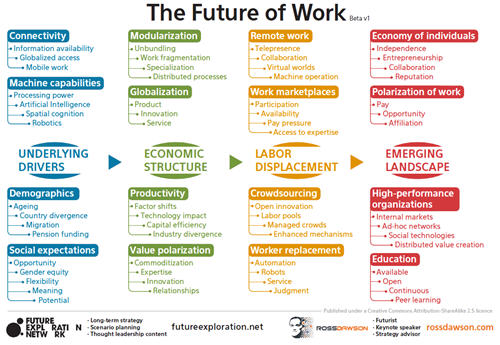
The side hustle economy is experiencing rapid growth, with more people turning to freelance work, online selling, and other non-traditional sources of income. As a result, it's essential to analyze current trends and projections to understand the future of side hustles. For instance, a recent survey found that over 40% of millennials have a side hustle, indicating a significant shift in the way people approach work and income.
The rise of technological advancements, such as AI or automation, is likely to have a significant impact on side hustles. On one hand, these technologies can automate repetitive tasks, freeing up time for side hustlers to focus on high-value tasks. On the other hand, they may also displace certain jobs, making it essential for side hustlers to develop skills that complement these technologies.
Some key areas where technological advancements are likely to impact side hustles include:
- Virtual assistance, where AI-powered tools can help with tasks like email management and data entry
- Online marketing, where automation can help with social media management and content creation
- E-commerce, where AI can help with inventory management and customer service
To succeed in their side hustles, people will need to develop skills that are complementary to these technologies, such as critical thinking, creativity, and problem-solving.
Education, training, and support will play a crucial role in helping people succeed in their side hustles. This can include online courses, workshops, and mentorship programs that teach skills like marketing, accounting, and time management. For example, platforms like Udemy and Coursera offer a wide range of courses on entrepreneurship and small business management, while organizations like the Small Business Administration provide resources and support for small business owners.
In terms of practical tips, side hustlers can start by identifying their strengths and passions, and then exploring ways to monetize them. This can involve freelancing, selling products online, or offering services like consulting or coaching. By staying up-to-date with the latest trends and technologies, and seeking out education and support when needed, side hustlers can set themselves up for success and thrive in the evolving side hustle economy.
Frequently Asked Questions (FAQ)
What are some popular side hustles for beginners?
As a beginner, exploring side hustles can be an exciting way to earn extra money and gain new skills. Popular side hustles for beginners include freelancing, where you can offer services such as writing, graphic design, or social media management on platforms like Upwork or Fiverr. This allows you to work on a flexible schedule and choose projects that fit your interests and expertise.
Tutoring is another great option, where you can use online platforms like TutorMe or Chegg to offer your teaching services. You can also use social media to advertise your services and reach out to potential clients in your network. For instance, if you have a talent for math or science, you can offer tutoring services to students who need help with homework or test preparation.
If you have a talent for crafting or making things, selling products online can be a lucrative side hustle. You can use platforms like Etsy or eBay to sell handmade products, such as jewelry, clothing, or home decor items. Here are some popular online selling platforms:
- Etsy: perfect for handmade or vintage items
- eBay: great for selling new or used products, including electronics and collectibles
- Amazon Handmade: ideal for artisans who want to sell handmade products to a wide audience
These platforms make it easy to set up a virtual store and reach a large customer base, and you can start selling your products with minimal upfront costs.
When choosing a side hustle, consider your skills, interests, and availability, and don't be afraid to experiment and try new things. You can start by dedicating a few hours a week to your side hustle and see how it grows from there. With persistence and dedication, you can turn your side hustle into a successful and profitable venture.
How can I balance my side hustle with my full-time job?
When it comes to managing a side hustle alongside a full-time job, time management is crucial. This means being intentional with your schedule and allocating specific times for your side hustle, ensuring it doesn't interfere with your primary job. For instance, you might dedicate your evenings or weekends to your side hustle, depending on your energy levels and productivity.
To maintain a healthy balance, it's essential to set clear boundaries between your full-time job and side hustle. This can be achieved by designating a specific workspace for your side hustle, allowing you to mentally separate the two. Open communication with your employer is also vital, as they need to be aware of your side hustle to avoid any potential conflicts of interest.
Some practical tips for balancing your side hustle with your full-time job include:
- Creating a shared calendar to keep track of your schedule and deadlines
- Setting realistic goals and expectations for your side hustle
- Establishing a routine that works for you and sticking to it
By implementing these strategies, you can effectively manage your time and prioritize your responsibilities, ensuring a harmonious coexistence between your full-time job and side hustle.
Maintaining open communication with your clients is also vital, as it helps manage their expectations and ensures you can deliver on your promises. This can be achieved by being transparent about your availability and response times, allowing clients to plan accordingly. By prioritizing communication and time management, you can build trust with your clients and maintain a positive reputation for your side hustle.
Do I need to pay taxes on my side hustle income?
As a side hustler, it's essential to understand your tax obligations to avoid any potential penalties or fines. You are required to report and pay taxes on your side hustle income, regardless of how much you earn or the type of work you do. This includes income from freelancing, selling products online, or participating in the gig economy.
When it comes to reporting your side hustle income, you'll need to keep accurate records of your earnings and expenses throughout the year. This will help you calculate your taxable income and claim any eligible deductions. For example, if you're a freelancer, you can deduct business expenses like equipment, software, and travel costs on your tax return.
Here are some key things to consider when reporting your side hustle income:
- Keep receipts and records of all your income and expenses, including invoices, bank statements, and invoices
- Calculate your business expenses and claim eligible deductions on your tax return
- Report all your income, including cash payments, on your tax return
It's also important to note that you may need to file additional tax forms, such as the Schedule C (Form 1040), to report your side hustle income. You may also need to make estimated tax payments throughout the year to avoid penalties.
If you're unsure about how to report your side hustle income or need help with your tax return, consider seeking professional advice from a tax accountant or financial advisor. They can help you navigate the tax laws and ensure you're in compliance with all the requirements. By taking the time to understand your tax obligations and seeking help when needed, you can avoid any potential issues and focus on growing your side hustle.