The concept of having a single, stable job is becoming less common, as many Americans are now taking on a second job or side hustle to make ends meet. This trend is driven by the need for extra income, with many individuals seeking to pay off debt, build savings, or simply enjoy a more comfortable lifestyle. According to recent statistics, over 40% of Americans have a side hustle, highlighting the growing importance of supplemental income.
The decision to take on a second job or side hustle is often accompanied by various costs, including the need for additional equipment, training, or transportation. For example, someone starting a freelancing business may need to invest in a new computer or software, while a ride-sharing driver may need to pay for gas and vehicle maintenance. These costs can add up quickly, making it essential for individuals to carefully consider their expenses and create a budget that accounts for their new venture.
Some common costs associated with taking on a second job or side hustle include:
- Equipment and supplies, such as computers, tools, or inventory
- Training or education, such as courses or certifications
- Marketing and advertising expenses, such as website development or social media ads
- Transportation costs, such as gas, parking, or public transportation fees
By understanding these costs and planning accordingly, individuals can set themselves up for success and make the most of their second job or side hustle.

Why Americans Are Taking On Side Hustles
The need for supplemental income has become a harsh reality for many Americans. Economic factors such as inflation and student loan debt have created a sense of financial uncertainty, forcing people to explore alternative sources of income. As a result, side hustles have emerged as a viable solution, enabling individuals to earn extra money and stay afloat.
The gig economy has played a significant role in the rise of side hustles, providing a platform for people to offer their skills and services on a part-time basis. Technological advancements have also made it easier for individuals to start side hustles, with online marketplaces and social media platforms connecting buyers and sellers like never before. For instance, freelancers can now use platforms like Upwork or Fiverr to find clients and offer their services.
Some of the key factors driving the side hustle economy include:
- Rising costs of living, which have outpaced wage growth in many parts of the country
- High levels of student loan debt, which can be crippling for young graduates
- Increased access to technology and digital platforms, which have reduced the barriers to entry for side hustles
These factors have contributed to the growth of the side hustle economy, with millions of Americans now engaged in some form of part-time work or entrepreneurship.
Statistics on the side hustle economy are telling, with a recent survey showing that over 40% of Americans have a side hustle. The demographics of side hustlers are also interesting, with millennials and Gen Zers being more likely to engage in part-time work or entrepreneurship. For example, a study found that 53% of millennials have a side hustle, compared to 31% of Gen Xers and 22% of baby boomers.
The side hustle economy is not just limited to young people, however, as individuals of all ages are exploring alternative sources of income. Whether it's driving for a ride-sharing service, selling products online, or offering consulting services, there are many ways for people to earn extra money and achieve financial stability. By understanding the economic factors driving the need for supplemental income, individuals can take control of their financial lives and build a more secure future.
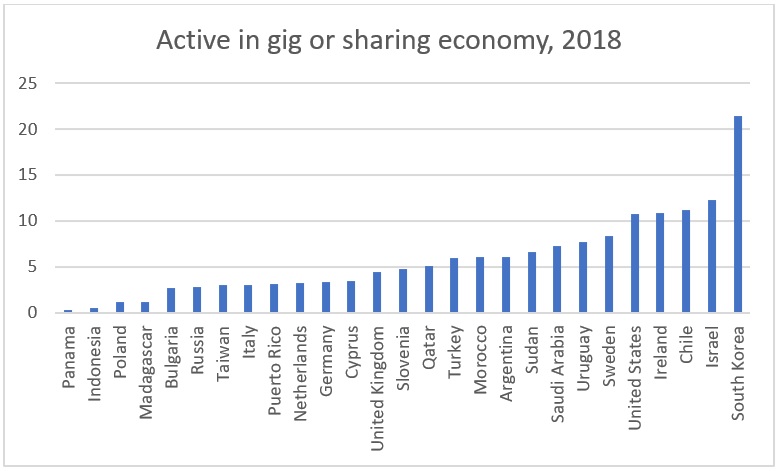
Financial Costs Of A Side Hustle
When starting a side hustle, it's essential to consider the potential financial costs involved. These costs can include equipment expenses, such as laptops, cameras, or other gear necessary for your side hustle. For example, a freelance writer may need to invest in a new laptop and writing software to deliver high-quality work.
Marketing expenses are another significant financial cost to consider, as you'll need to promote your side hustle to attract clients or customers. This can include costs such as website design, social media advertising, and business card printing. A practical tip is to start small and focus on free or low-cost marketing strategies, such as utilizing social media platforms or attending local networking events.
Insurance expenses are also a crucial consideration, as you may need to purchase liability insurance or other types of coverage to protect yourself and your side hustle. The type of insurance you need will depend on the nature of your side hustle, so it's essential to research and understand your options. Some common types of insurance for side hustles include:
- Liability insurance to protect against accidents or injuries
- Equipment insurance to cover damage or loss of gear
- Business insurance to protect against business-related risks
In addition to these expenses, it's also important to consider the tax implications of having a side hustle. As a side hustler, you'll be responsible for paying self-employment taxes, which can include Social Security and Medicare taxes. You may also be able to deduct certain expenses related to your side hustle, such as home office expenses or travel costs. For example, a freelance consultant may be able to deduct the cost of a home office or business-related travel expenses.
To budget for side hustle expenses and track income, it's essential to create a separate business bank account and keep accurate records of your income and expenses. You can use accounting software or a spreadsheet to track your finances and make it easier to calculate your taxes. A practical tip is to set aside a portion of your income each month for taxes and expenses, to avoid a large bill at the end of the year. Some common tools for tracking side hustle finances include:
- Accounting software, such as QuickBooks or Xero
- Spreadsheets, such as Google Sheets or Microsoft Excel
- Mobile apps, such as Mint or Personal Capital
By understanding the potential financial costs of starting a side hustle and taking steps to budget and track your expenses, you can set yourself up for success and minimize the risk of financial stress. Remember to stay organized, keep accurate records, and seek professional advice if you're unsure about any aspect of your side hustle finances. With careful planning and management, you can turn your side hustle into a profitable and sustainable venture.

Time And Energy Costs Of A Side Hustle
When considering a side hustle, it's essential to think about the time commitment required. This can vary greatly depending on the type of side hustle you choose, but it's common for people to spend around 10-20 hours per week on their side hustle. For example, if you're freelancing, you may need to dedicate a few hours each evening to completing projects, while a part-time job may require a set schedule on weekends.
Balancing a side hustle with a primary job and personal life can be challenging, but it's not impossible. To make it work, you'll need to prioritize your time and energy, focusing on the most important tasks and activities. This might mean waking up earlier each day to work on your side hustle, or using your lunch break to make phone calls or respond to emails.
Overworking can have significant physical and mental health costs, including burnout and stress. When you're pushing yourself too hard, you may start to feel exhausted, anxious, or depressed, which can negatively impact your relationships and overall well-being. It's crucial to recognize the signs of burnout, such as chronic fatigue or irritability, and take steps to mitigate them.
To manage time and energy effectively, consider the following tips:
- Set clear boundaries between your side hustle, primary job, and personal life to avoid conflicts and prevent overwork.
- Use a calendar or planner to schedule your time, including dedicated blocks for work, rest, and leisure activities.
- Prioritize self-care, such as exercise, meditation, or spending time with loved ones, to help manage stress and maintain your physical and mental health.
Effective time management is key to maintaining a healthy balance between your side hustle, primary job, and personal life. By being intentional with your time and energy, you can minimize the risk of burnout and maximize the benefits of your side hustle. For instance, you might use productivity tools, such as the Pomodoro Technique, to stay focused and avoid distractions, or outsource tasks that take up too much of your time.
Additionally, it's essential to learn how to say no to non-essential commitments that can drain your time and energy. This might mean turning down social invitations or declining requests for favors that interfere with your side hustle or personal time. By being mindful of your limitations and prioritizing your needs, you can maintain a sustainable work-life balance and achieve your goals.

Long-Term Implications Of Side Hustles On Financial Health
When it comes to financial health, having a side hustle can be a game-changer. It can provide an additional source of income, which can be used to achieve long-term financial goals, such as saving for retirement or paying off debt. By allocating the extra income wisely, individuals can make significant progress towards securing their financial future.
To make the most of a side hustle, it's essential to prioritize financial goals and make a plan for achieving them. This involves assessing current expenses, income, and debt, and then creating a budget that allocates funds towards specific goals. For instance, an individual may decide to use 50% of their side hustle income towards debt repayment and 30% towards retirement savings.
Some key considerations when prioritizing financial goals include:
- High-interest debt, such as credit card balances, which should be paid off as soon as possible
- Retirement savings, such as 401(k) or IRA contributions, which can provide long-term financial security
- Emergency funds, which can provide a safety net in case of unexpected expenses or job loss
By prioritizing these goals and making a plan, individuals can use their side hustles to make significant progress towards achieving financial independence.
One of the most significant advantages of side hustles is that they can provide a sense of financial security and independence. For example, an individual who starts a successful freelance writing business can use the extra income to pay off debt, build an emergency fund, and invest in retirement accounts. Over time, this can lead to a significant reduction in financial stress and an increase in overall well-being.
In terms of achieving financial independence, side hustles can be used in a variety of ways, such as:
- Investing in dividend-paying stocks or real estate investment trusts (REITs)
- Starting a small business or investing in a franchise
- Creating and selling online courses or digital products
By exploring these options and finding what works best for their individual circumstances, individuals can use their side hustles to achieve financial independence and secure their long-term financial health.

Success Stories And Lessons Learned
Achieving financial stability or independence is a dream for many, and side hustles can be a key factor in making this dream a reality. Many people have successfully turned their passions into profitable side hustles, such as freelance writing, graphic design, or online tutoring. For example, a software engineer who started a part-time blog on personal finance now earns an extra $1,000 per month.
One notable success story is that of a stay-at-home mom who started selling handmade jewelry online and was able to pay off her family's debt within a year. Her story is a testament to the fact that with hard work and determination, anyone can achieve financial stability through a side hustle. By sharing such stories, we can learn from the experiences of others and gain valuable insights into what works and what doesn't.
When starting a side hustle, it's essential to be aware of common mistakes to avoid, such as not doing thorough market research or underpricing services. To learn from failures, it's crucial to analyze what went wrong and use that knowledge to improve future endeavors. Some key mistakes to avoid include:
- Not setting clear financial goals or targets
- Not having a solid business plan or strategy
- Not being adaptable to changes in the market or industry
To overcome obstacles and stay motivated, it's vital to break down large goals into smaller, achievable tasks and celebrate each success along the way. Additionally, finding a supportive community or mentor can provide valuable guidance and encouragement. For instance, joining online forums or social media groups dedicated to side hustles can connect you with like-minded individuals who can offer advice and support.
Staying motivated requires a combination of discipline, patience, and resilience. By tracking progress, setting realistic deadlines, and rewarding oneself for milestones achieved, individuals can stay focused and driven. It's also essential to remember that setbacks are a natural part of the journey and that every failure brings an opportunity to learn and grow.
Ultimately, achieving financial stability or independence through a side hustle requires dedication, hard work, and a willingness to learn from failures. By following the examples of successful side hustlers, avoiding common mistakes, and staying motivated, anyone can turn their passion into a profitable and fulfilling venture. With persistence and the right mindset, it's possible to overcome obstacles and achieve long-term financial success.

Frequently Asked Questions (FAQ)
How do I balance a side hustle with my primary job and personal life?
When juggling a side hustle with your primary job and personal life, it's essential to create a schedule that works for you. Start by tracking how you spend your time for a week or two to identify patterns and areas where you can improve. This will help you allocate time for your side hustle, primary job, and personal life in a way that feels balanced and sustainable.
To prioritize self-care, make time for activities that nourish your mind, body, and soul, such as exercise, meditation, or spending time with loved ones. By doing so, you'll be more productive and focused in all areas of your life. For example, waking up an hour earlier each day to exercise or meditate can set a positive tone for the rest of the day.
Here are some tips to help you maintain a healthy work-life balance:
- Set clear boundaries between your side hustle, primary job, and personal life to avoid burnout
- Learn to say no to non-essential commitments that can encroach on your personal time
- Use technology, such as calendar apps or time-tracking tools, to stay organized and on track
By implementing these strategies, you'll be better equipped to manage your time and energy, ensuring that your side hustle, primary job, and personal life thrive. Remember, finding a balance that works for you is a continuous process, and it's okay to make adjustments as needed.
As you navigate the demands of your side hustle, primary job, and personal life, be sure to prioritize rest and relaxation when needed. Taking breaks and practicing self-care can help you recharge and come back to your tasks with renewed energy and focus. By making self-care a non-negotiable part of your daily routine, you'll be more resilient and better equipped to handle the challenges that come with balancing multiple responsibilities.
What are the tax implications of having a side hustle?
As a side hustler, it's crucial to consider the tax implications of your extra income. Self-employment taxes and deductions can significantly impact your tax liability, so it's essential to understand the tax laws and regulations. This knowledge will help you navigate the tax filing process with confidence.
When you have a side hustle, you're considered self-employed, and that means you're responsible for paying self-employment taxes. These taxes cover your Social Security and Medicare contributions, which are typically withheld from a traditional paycheck. You'll need to set aside a portion of your side hustle income for these taxes to avoid penalties.
To minimize your tax liability, you can claim deductions on your side hustle expenses. These deductions can include things like:
- home office expenses, such as rent or utilities
- business use of your car, including gas and maintenance
- equipment or software purchases related to your side hustle
Keep accurate records of your expenses to ensure you can claim these deductions on your tax return.
It's also important to note that you may need to make estimated tax payments throughout the year to avoid penalties. The IRS requires self-employed individuals to make quarterly payments if they expect to owe more than $1,000 in taxes for the year. You can use Form 1040-ES to make these payments and avoid any potential penalties.
For example, let's say you earn $10,000 from your side hustle in a year, and you have $2,000 in business expenses. You can claim those expenses as deductions, reducing your taxable income to $8,000. This can result in a lower tax bill and more money in your pocket. By understanding the tax implications of your side hustle and taking advantage of available deductions, you can keep more of your hard-earned money.
Can a side hustle help me pay off debt or achieve financial independence?
Having a side hustle can be a game-changer for individuals looking to pay off debt or achieve financial independence. By providing a supplemental source of income, a side hustle can help you make extra payments on your debt, reducing the principal amount and saving on interest. This, in turn, can free up more money in your budget to invest in your future.
One of the key benefits of a side hustle is its flexibility, allowing you to choose when and how much you want to work. For example, you could start freelancing in a field you're passionate about, such as writing, graphic design, or social media management, and dedicate a few hours each week to building your client base. As your side hustle grows, so does your earning potential, giving you more power to tackle your debt.
To get started, consider your skills and interests, and think about how you can monetize them. You could:
- Offer pet-sitting or dog-walking services in your neighborhood
- Sell handmade products online through platforms like Etsy or eBay
- Tutor students in a subject you're knowledgeable about, either in-person or online
These are just a few examples of side hustles that can help you earn extra money and make progress on your financial goals.
In addition to providing a supplemental income, a side hustle can also help you develop new skills and build your professional network. This can be especially valuable if you're looking to transition to a new career or start your own business. By investing time and effort into your side hustle, you can create a more stable and secure financial future for yourself.
As you work on paying off debt or achieving financial independence, remember that every little bit counts. Even an extra $100 or $200 per month can make a big difference in the long run, and a side hustle can provide the boost you need to stay on track. With patience, persistence, and the right mindset, you can use your side hustle to achieve your financial goals and create a brighter future for yourself.