As a side hustler, it's essential to understand your tax obligations to avoid any penalties from HMRC. This includes knowing what expenses you can claim and how to declare your income. By taking the time to learn about your tax responsibilities, you can ensure you're meeting all the necessary requirements and avoiding any potential fines.
When it comes to side hustle tax obligations, there are several key factors to consider.
- Registering as self-employed with HMRC, if you earn more than £1,000 from your side hustle
- Keeping accurate records of your income and expenses, including receipts and invoices
- Understanding what expenses you can claim, such as equipment, travel, and marketing costs
This will help you to complete your tax return accurately and avoid any penalties.
To give you a better idea, let's consider an example: if you're a freelance writer, you may be able to claim expenses such as the cost of a new laptop or travel to meetings with clients. By keeping track of these expenses and declaring them on your tax return, you can reduce your taxable income and lower your tax bill. It's also important to note that HMRC offers resources and guidance to help side hustlers understand their tax obligations, so it's worth taking the time to explore these.
By taking control of your side hustle tax obligations, you can ensure you're meeting all the necessary requirements and avoiding any potential penalties. It's always a good idea to seek advice from a tax professional or accountant if you're unsure about any aspect of your tax obligations. This will give you peace of mind and allow you to focus on growing your side hustle.
What is Side Hustle Tax?
As a UK resident, it's essential to understand the concept of side hustle tax to avoid any potential penalties or fines. Side hustle tax refers to the tax obligations associated with earning income from a secondary source, outside of your primary employment. This can include freelancing, selling products online, or renting out a spare room on Airbnb.
When it comes to tax, there are two main statuses: employed and self-employed. Employed individuals have taxes deducted automatically from their paycheck, whereas self-employed individuals are responsible for declaring their income and paying taxes themselves. This is where side hustle tax comes in, as many side hustles require individuals to declare their income and pay taxes as a self-employed person.
For example, common side hustles that require tax declarations include:
- Renting out a property on Airbnb or similar platforms
- Selling products online through eBay, Amazon, or Etsy
- Freelancing or consulting in a particular field, such as writing or design
- Driving for a ride-sharing service, such as Uber or Lyft
These side hustles are considered taxable income and must be declared on your tax return to avoid any penalties or fines.
It's crucial to keep accurate records of your side hustle income and expenses to ensure you're declaring the correct amount of tax. You can use accounting software or consult with a tax professional to help with this process. By understanding your tax obligations and declaring your side hustle income correctly, you can avoid any potential issues with HMRC and ensure you're making the most of your hard-earned money.
In terms of tax implications, UK residents with a side hustle will need to complete a self-assessment tax return and pay income tax on their profits. You may also need to pay National Insurance contributions, depending on your individual circumstances. It's essential to seek advice from a tax professional or accountant to ensure you're meeting your tax obligations and taking advantage of any available tax reliefs or deductions.

Registering with HMRC for Side Hustle Tax
When you start a side hustle, it's essential to register with HMRC to ensure you're paying the right amount of tax. This process begins with registering as self-employed, which can be done online, by phone, or by post. You can visit the HMRC website to fill out the registration form and provide the required information, such as your personal details and business information.
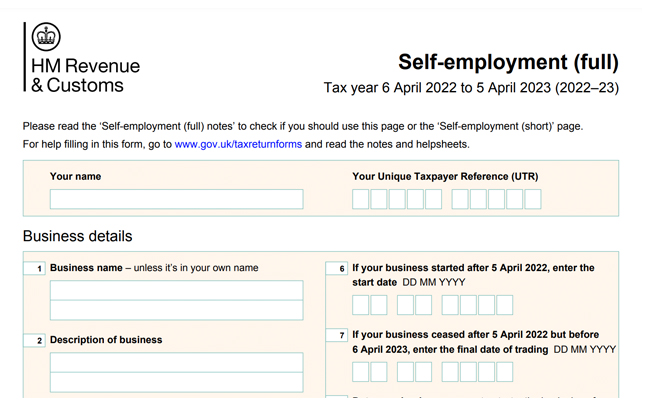
To complete your registration, you'll need to obtain a Unique Taxpayer Reference (UTR) number, which is a 10-digit code that identifies you as a self-employed individual. You'll receive your UTR number in the post, usually within a few days of registering, and it's crucial to keep this number safe, as you'll need it to file your tax returns. You can also find your UTR number on any letters or documents you've received from HMRC.
Here are the steps to follow to register as self-employed and obtain a UTR number:
- Visit the HMRC website and fill out the registration form (CWF1)
- Provide your personal details, business information, and National Insurance number
- Wait for your UTR number to arrive in the post, usually within 10 working days
It's crucial to register with HMRC by the deadline, which is typically by 5 October in your business's second tax year, to avoid penalties and fines. For example, if you started your side hustle in June 2022, you'll need to register by 5 October 2023 to avoid any penalties.
Registering on time also ensures you're paying the correct amount of tax and National Insurance contributions, which can help you avoid any unexpected bills or fines. If you're unsure about the registration process or have any questions, you can contact HMRC directly or seek advice from an accountant or tax advisor. By registering as self-employed and obtaining a UTR number, you'll be able to manage your tax affairs effectively and focus on growing your side hustle.
In addition to registering as self-employed, you'll also need to keep accurate records of your business income and expenses, which will help you complete your tax returns and ensure you're paying the right amount of tax. You can use accounting software or spreadsheets to keep track of your finances and make the tax return process easier. By staying organized and registering with HMRC on time, you'll be able to enjoy the benefits of being self-employed while also meeting your tax obligations.
Calculating Side Hustle Tax Owed to HMRC
As a side hustler, it's essential to understand how to calculate your taxable income from your side hustles to avoid any potential penalties from HMRC. To do this, you'll need to keep track of all your income from your side hustles, including cash, bank transfers, and any other forms of payment. This will help you accurately calculate your total income and ensure you're paying the right amount of tax.
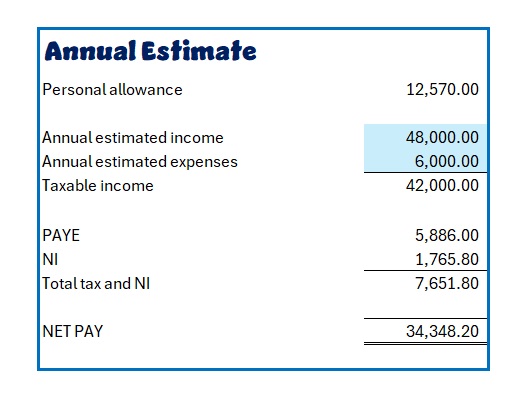
When it comes to calculating your taxable income, you'll need to consider your gross income, which is the total amount of money you've earned from your side hustles. You can then deduct any allowable expenses to reduce your taxable income. For example, if you're a freelance writer, you may be able to claim expenses for things like computer equipment, software, and travel costs.
Allowable expenses can significantly reduce your taxable income, so it's crucial to understand what you can and can't claim. Some common allowable expenses for side hustles include:
- Equipment and software costs
- Travel expenses, such as train tickets or mileage
- Marketing and advertising costs
- Office expenses, such as stationery and postage
To claim these expenses, you'll need to keep accurate records, including receipts, invoices, and bank statements.
Keeping accurate records is vital for tax purposes, as it will help you calculate your taxable income and claim allowable expenses. It's a good idea to set up a separate bank account for your side hustle income and expenses, and to keep all your receipts and invoices in a safe and organized place. You can also use accounting software or apps to help you keep track of your income and expenses.
By keeping accurate records and understanding what expenses you can claim, you can minimize your tax bill and ensure you're complying with HMRC regulations. For example, if you've earned £10,000 from your side hustle and have £2,000 in allowable expenses, your taxable income would be £8,000, reducing the amount of tax you need to pay. By taking the time to understand your tax obligations and keeping accurate records, you can avoid penalties and ensure you're making the most of your side hustle income.
Paying Side Hustle Tax to HMRC
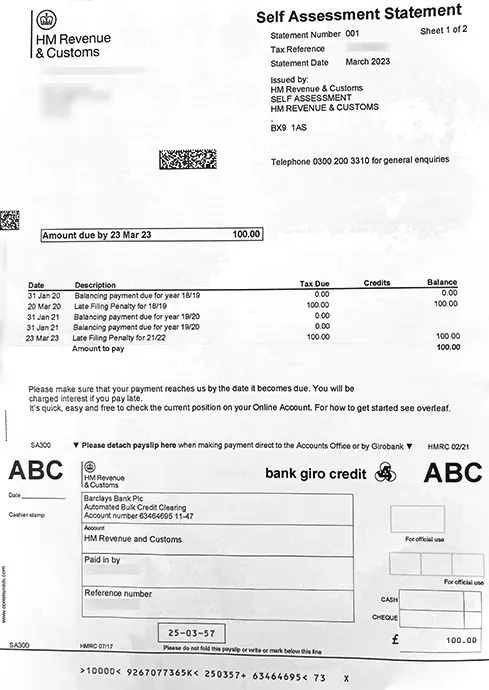
When it comes to paying side hustle tax to HMRC, it's essential to understand the various payment options available. You can pay your tax bill online, by phone, or by post, and it's crucial to have your payment reference number handy to ensure your payment is processed correctly. For instance, you can use the HMRC online portal to make a payment using a debit or credit card.
Payment on account is a concept that applies to individuals who expect to owe more than £1,000 in tax for the current year. This means you'll need to make advance payments towards your tax bill in January and July each year. For example, if you owe £2,000 in tax for the previous year, you may need to make payments on account of £1,000 in January and July to cover your current year's tax liability.
To avoid any penalties, it's vital to be aware of the consequences of missing tax payment deadlines. If you miss a payment deadline, you may face a penalty of 3% of the outstanding amount, as well as interest on the unpaid tax. Here are some key points to keep in mind:
- Make sure to keep track of payment deadlines to avoid any penalties
- Set up a direct debit to ensure timely payments
- Contact HMRC as soon as possible if you're having trouble making a payment
In addition to understanding payment options and payment on account, it's also important to be aware of the potential consequences of late payment. If you're struggling to pay your tax bill, it's essential to communicate with HMRC to discuss possible alternatives, such as a payment plan. By doing so, you can avoid any additional penalties and interest, and get back on track with your tax payments.
It's also worth noting that you may be able to reduce your tax liability by claiming expenses related to your side hustle. For example, you can claim a portion of your home expenses if you use a dedicated space for work, or claim mileage for business-related travel. By keeping accurate records and claiming eligible expenses, you can minimize your tax bill and make it more manageable.

Minimizing Side Hustle Tax Liability
As a side hustler, it's essential to understand how to minimize your tax liability to keep more of your hard-earned money. Tax-efficient strategies can help you reduce your tax bill and increase your take-home pay. For example, keeping accurate records of your business expenses can help you claim deductions and lower your taxable income.
One of the most effective ways to reduce your tax liability is to make pension contributions. By contributing to a pension plan, you can claim tax relief on your contributions, which can help lower your taxable income. This can be especially beneficial for side hustlers who are self-employed or have a variable income.
When it comes to minimizing side hustle tax liability, there are several key strategies to consider:
- Claiming business expenses on your tax return, such as home office expenses or travel costs
- Utilizing tax-advantaged savings vehicles, such as a SEP-IRA or solo 401(k)
- Keeping accurate records of your income and expenses to ensure you're taking advantage of all eligible deductions
By implementing these strategies, you can reduce your tax liability and keep more of your side hustle income.
However, tax laws and regulations can be complex, and it's not always easy to navigate them on your own. If you have a complex tax situation or are unsure about how to minimize your side hustle tax liability, it's a good idea to seek professional tax advice. A tax professional can help you understand your tax obligations and identify opportunities to reduce your tax bill. They can also help you stay up-to-date with any changes to tax laws and regulations that may affect your side hustle.

Frequently Asked Questions (FAQ)
Do I need to pay tax on my side hustle if I'm already employed?
If you're already employed and have a side hustle, you might be wondering if you need to pay tax on that extra income. The answer is yes, you must declare and pay tax on side hustle income if it exceeds the trading allowance. This is because the tax authority considers side hustle income as taxable income, just like your regular employment income.
The trading allowance is a tax-free allowance of up to £1,000, which means you don't have to pay tax on side hustle income if it's below this threshold. However, if your side hustle income exceeds £1,000, you'll need to declare it on your tax return and pay tax on the amount above the allowance. For example, if you earn £1,500 from your side hustle, you'll only pay tax on £500 of that income.
Here are some examples of side hustles that might be subject to tax:
- Selling products online or at markets
- Freelance writing, designing, or consulting
- Renting out a room on Airbnb or a property on a short-term let
- Driving for a ride-sharing service or delivering food
It's essential to keep accurate records of your side hustle income and expenses, as you'll need to report these on your tax return. You can use a spreadsheet or accounting software to make it easier to track your income and expenses.
To avoid any penalties or fines, make sure you register with the tax authority as self-employed if your side hustle income exceeds the trading allowance. You'll also need to file a tax return and pay any tax owed by the deadline. You can find more information on the tax authority's website or consult with a tax professional if you're unsure about your tax obligations.
How do I register for self-assessment tax returns for my side hustle?
To get started with registering for self-assessment tax returns, you'll need to take a few simple steps. The first step is to determine if you need to register, which typically applies to individuals with a side hustle or freelance work. If you've earned more than £1,000 from your side hustle in a tax year, you'll likely need to register for self-assessment.
You can register online through the HMRC website, which is a straightforward process that can be completed in a few minutes. Alternatively, you can contact the HMRC helpline for assistance with registration, and they will guide you through the process. This is a good option if you're unsure about any part of the registration process or have questions about your specific situation.
Here are the general steps to follow for online registration:
- Go to the HMRC website and navigate to the self-assessment registration page
- Fill out the online form with your personal and business details
- Submit the form and wait for your Unique Taxpayer Reference (UTR) number to be sent to you
It's essential to keep your UTR number safe, as you'll need it to file your tax return and communicate with HMRC. If you're registering by phone, be prepared to provide your personal and business details to the HMRC representative, who will guide you through the registration process.
Can I claim expenses on my side hustle tax return?
When it comes to filing your tax return, it's essential to understand that you can claim expenses related to your side hustle. This means you can deduct certain costs from your taxable income, which can help reduce the amount of tax you owe. For example, if you're a freelance writer, you can claim expenses for things like computer equipment, software, and even a portion of your internet bill.
To qualify, expenses must be wholly and exclusively for the purpose of your side hustle. This means you can't claim personal expenses, but you can claim expenses that are used for both personal and business purposes, as long as you can prove the business use. It's a good idea to keep accurate records of your expenses, including receipts and invoices, to make it easier to claim them on your tax return.
Here are some examples of allowable expenses you might be able to claim:
- Travel expenses, such as fuel, parking, and public transport costs
- Equipment and software costs, such as computers, printers, and accounting software
- Marketing and advertising expenses, such as website design and social media ads
- Insurance premiums, such as liability insurance or equipment insurance
It's worth noting that you can only claim expenses that are related to your side hustle, so make sure you're keeping your personal and business expenses separate. This will help you avoid any potential issues when filing your tax return.
Practically, it's a good idea to set up a separate business bank account to keep your side hustle income and expenses organized. This will make it easier to track your expenses and claim them on your tax return. Additionally, consider consulting with a tax professional or accountant to ensure you're taking advantage of all the allowable expenses you're eligible for.