As a young adult, navigating the world of student loans can be overwhelming. With multiple loans to manage, it's easy to feel lost and unsure of where to start. By taking the time to understand the complexities of managing multiple student loans, you can set yourself up for long-term financial stability and success.
One of the first steps in managing multiple student loans is to get a clear picture of your overall debt. This includes making a list of all your loans, including the balance, interest rate, and monthly payment for each. For example, you may have a federal loan with a low interest rate and a private loan with a higher interest rate, and understanding these differences can help you prioritize your payments.
To simplify the process, consider creating a budget that accounts for all your loan payments, as well as other expenses like rent, utilities, and groceries. Here are some key things to consider when creating your budget:
- Make a list of all your income sources, including your job, scholarships, and any side hustles
- Track your expenses to see where your money is going each month
- Prioritize your loan payments, focusing on the loans with the highest interest rates first
By taking control of your student loans and creating a budget that works for you, you can achieve financial stability and set yourself up for long-term success.
Consolidating vs. Refinancing: What's Best?
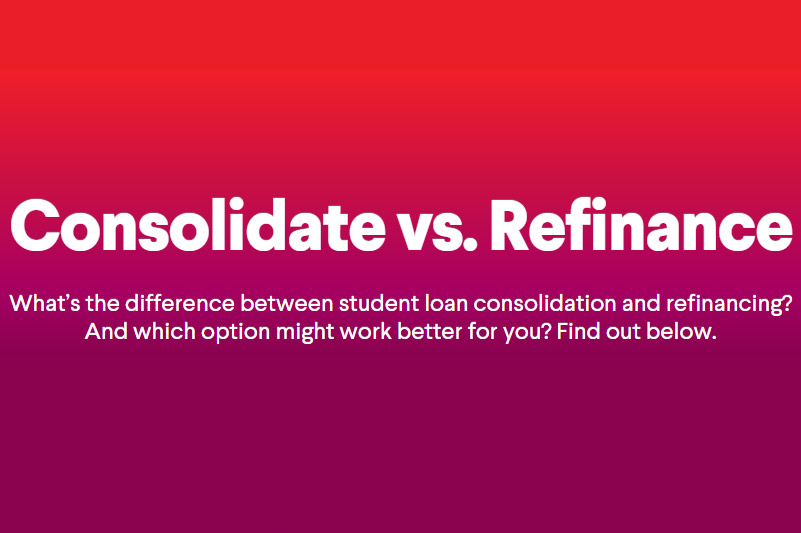
When it comes to managing student loans, two popular options are consolidating and refinancing. Consolidating involves combining multiple loans into one loan with a single interest rate and monthly payment, which can simplify your financial life. For instance, if you have multiple loans with different due dates, consolidating can help you make one payment per month.
Consolidating can be a good option if you want to simplify your monthly payments and have a fixed interest rate. This can be especially helpful if you're struggling to keep track of multiple loans and due dates. On the other hand, refinancing involves taking out a new loan with a new interest rate and terms to pay off your existing loans.
Refinancing can offer better interest rates, especially if you have improved your credit score since taking out your original loans. For example, if you had a high-interest rate loan and your credit score has increased, you may be able to refinance to a lower interest rate and save money on interest. Here are some benefits and drawbacks to consider:
- Consolidating: simplifies monthly payments, fixed interest rate, but may not offer the best interest rate
- Refinancing: potentially lower interest rate, flexible repayment terms, but may require a good credit score
The impact on credit scores is an important factor to consider when deciding between consolidating and refinancing. When you consolidate or refinance, the lender will typically perform a hard credit inquiry, which can temporarily lower your credit score. However, making timely payments on your new loan can help improve your credit score over time. It's essential to weigh the potential benefits and drawbacks before making a decision.
To make an informed decision, consider your financial goals and situation. If you want to simplify your monthly payments and have a fixed interest rate, consolidating might be the better option. On the other hand, if you're looking for a potentially lower interest rate and are willing to take on new loan terms, refinancing could be the way to go. Be sure to research and compare different lenders and options to find the best fit for your needs.
Strategies for Paying Off Multiple Loans
When dealing with multiple loans, it's essential to have a solid strategy in place to manage and pay them off efficiently. The snowball method is a popular approach, where the borrower pays off the smallest loan first to gain psychological momentum. This method can help build confidence and motivation as you quickly eliminate smaller debts.
The avalanche method, on the other hand, targets the loan with the highest interest rate, which can save you money in interest over time. For example, if you have a credit card with an 18% interest rate and a student loan with a 6% interest rate, you would prioritize paying off the credit card first. By doing so, you can avoid accumulating more interest and reduce the overall cost of your debt.
Creating a budget that prioritizes loan payments is crucial in managing multiple loans effectively. Start by tracking your income and expenses to see where your money is going, and then allocate a significant portion of your budget towards loan payments. You can use the 50/30/20 rule as a guideline, where 50% of your income goes towards necessary expenses, 30% towards discretionary spending, and 20% towards saving and debt repayment.
Some practical tips for managing multiple loans include:
- Consolidating loans with high interest rates into a single loan with a lower interest rate
- Making extra payments whenever possible, such as when you receive a tax refund or bonus
- Considering a balance transfer to a credit card with a 0% introductory APR
By following these tips and creating a budget that prioritizes loan payments, you can take control of your debt and make progress towards becoming debt-free.
The debt avalanche is a strategy that involves paying off loans with the highest interest rates first, while making minimum payments on other loans. This approach can save you money in interest over time and help you pay off your loans more efficiently. For instance, if you have a loan with a 12% interest rate and another loan with a 6% interest rate, you would prioritize paying off the loan with the 12% interest rate first. By doing so, you can avoid accumulating more interest and reduce the overall cost of your debt.

Budgeting and Side Hustles for Loan Repayment
Creating a budget that prioritizes loan repayment is crucial for paying off debt efficiently. To achieve this, it's essential to live below your means and allocate a significant portion of your income towards loan repayment. For instance, consider using the 50/30/20 rule, where 50% of your income goes towards necessities, 30% towards discretionary spending, and 20% towards saving and debt repayment.
When crafting your budget, make sure to account for all your expenses, including loan payments, and identify areas where you can cut back on unnecessary spending. By doing so, you'll be able to free up more money in your budget to put towards loan repayment. A key aspect of this is tracking your expenses and staying on top of your finances.
To increase your income and accelerate loan repayment, consider taking on a side hustle. Some popular options include:
- Freelancing, which can be done on platforms like Upwork or Fiverr
- Part-time jobs, such as working as a server or retail associate
- Selling items online, through platforms like eBay, Craigslist, or Facebook Marketplace
These side hustles can provide a much-needed boost to your income, which can then be directed towards loan payments.
Directing your extra income from side hustles towards loan repayment can have a significant impact on your debt. As you see your loan balances decrease, you'll experience a sense of accomplishment and motivation to continue repayment efforts. This psychological benefit can be a powerful tool in staying committed to your loan repayment plan and making progress towards becoming debt-free.
As you make progress on your loan repayment journey, remember to review and adjust your budget regularly to ensure you're on track to meet your goals. By staying focused and committed, you can pay off your loans and achieve financial freedom. With persistence and the right strategy, you can overcome debt and build a brighter financial future.

Maintaining Financial Health During Repayment
Monitoring your credit reports and scores is crucial during loan repayment. This is because errors on your report can negatively affect your creditworthiness, making it harder to secure better interest rates or loans in the future. For instance, a single missed payment can lower your credit score, so it's essential to check your reports regularly and dispute any inaccuracies.
To avoid further debt, it's vital to have a financial safety net in place. Building an emergency fund can help you cover unexpected expenses, such as car repairs or medical bills, without having to take on more debt. Aim to save 3-6 months' worth of living expenses in a easily accessible savings account.
Having a solid emergency fund in place can give you peace of mind and allow you to focus on other financial goals, such as investing for the future. Some strategies for investing while paying off student loans include:
- Starting a retirement fund, like a Roth IRA, to take advantage of compound interest over time
- Exploring low-risk investment options, like index funds or certificates of deposit (CDs), to grow your savings
- Setting aside a fixed amount each month for investments, even if it's just a small portion of your income
By investing for the future and paying off student loans, you can set yourself up for long-term financial stability and success.
Investing for the future doesn't have to be complicated or time-consuming. You can start by automating your investments, setting up a monthly transfer from your checking account to your investment account. This way, you'll ensure that you're consistently investing for the future, even if it's just a small amount each month. As your income grows, you can increase the amount you invest and explore more advanced investment strategies.
Navigating Forgiveness and Assistance Programs
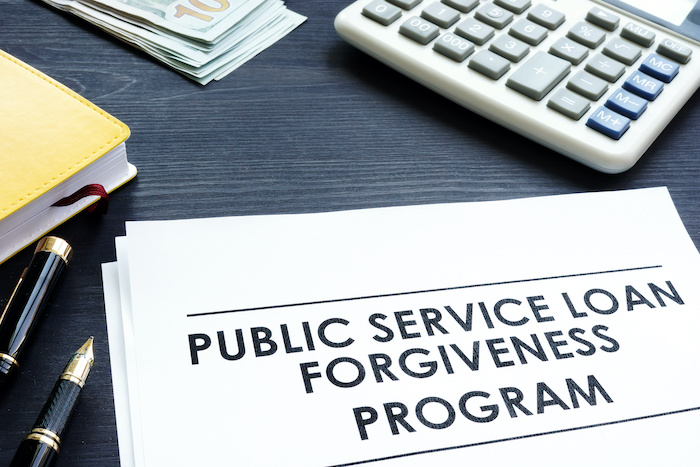
When it comes to managing student loan debt, forgiveness and assistance programs can be a lifeline. Public Service Loan Forgiveness (PSLF) is one such program, designed for borrowers who work in public service roles, such as government, non-profit, or teaching positions. By making 120 qualifying payments, borrowers can have their remaining loan balance forgiven.
Another option is Teacher Loan Forgiveness, which provides up to $17,500 in loan forgiveness for teachers who work in low-income schools or in certain subject areas, such as math or science. This program is a great way for teachers to reduce their debt burden and focus on their students. For example, a teacher who works in a low-income school and has a significant amount of debt may be able to have a substantial portion of their loans forgiven.
Income-driven repayment plans are another way to manage student loan debt, as they can lower monthly payments based on income and family size. These plans include:
- Income-Based Repayment (IBR) Plan
- Pay As You Earn (PAYE) Plan
- Revised Pay As You Earn (REPAYE) Plan
- Income-Contingent Repayment (ICR) Plan
These plans can help borrowers avoid default and make their monthly payments more manageable.
To apply for these programs, borrowers will need to provide documentation, such as proof of income, family size, and employment. The application process typically involves submitting a form to the loan servicer, who will review the application and determine eligibility. For instance, borrowers applying for PSLF will need to submit an Employment Certification Form annually to confirm their public service employment.
Borrowers can start by visiting the Federal Student Aid website to learn more about the different forgiveness and assistance programs available. They can also contact their loan servicer directly to ask about the application process and required documentation. By taking the time to explore these options, borrowers can find a plan that works for them and take control of their student loan debt.
Frequently Asked Questions (FAQ)
How do I know if consolidating my student loans is the right choice for me?
When considering student loan consolidation, it's essential to evaluate your current financial situation and goals. Determining whether to consolidate student loans depends on factors like interest rates, loan terms, and personal financial goals. For instance, if you have multiple loans with high interest rates, consolidating them into a single loan with a lower interest rate could save you money in the long run.
To decide if consolidation is right for you, start by reviewing your loan documents and making a list of your current loans, including their interest rates, balances, and repayment terms. This will help you identify areas where consolidation could be beneficial. You can also use online tools or consult with a financial advisor to get a better understanding of your options.
Some key factors to consider when evaluating consolidation options include:
- Interest rates: Are you currently paying high interest rates on one or more of your loans?
- Loan terms: Do you have variable interest rates or repayment terms that are causing financial stress?
- Personal financial goals: Are you trying to simplify your payments, reduce your monthly bills, or pay off your loans more quickly?
By carefully considering these factors, you can make an informed decision about whether consolidating your student loans is the right choice for you.
If you do decide to consolidate your loans, be sure to shop around and compare rates and terms from different lenders. You may also want to consider working with a credit union or non-profit organization that specializes in student loan consolidation. Additionally, be aware of any potential fees associated with consolidation, such as origination fees or prepayment penalties, and factor these into your decision.
Can I pay off my student loans early without penalty?
When considering paying off your student loans early, it's natural to wonder if you'll face any penalties. Most federal student loans do not have prepayment penalties, which means you can make extra payments or pay off the loan in full without incurring any additional fees. This can be a huge relief for borrowers looking to become debt-free sooner.
To confirm whether your loan has a prepayment penalty, review the terms of your specific loan. You can usually find this information in your loan agreement or by contacting your loan servicer directly. It's essential to check, as some private student loans may have different terms.
Here are some key points to keep in mind when paying off your student loans early:
- Check your loan agreement for any prepayment penalty clauses
- Contact your loan servicer to confirm their policies
- Make extra payments or pay off the loan in full to become debt-free sooner
By understanding the terms of your loan and making informed decisions, you can take control of your debt and work towards a more secure financial future.
If you do decide to pay off your student loans early, consider making extra payments towards the principal balance. This can help reduce the overall amount of interest you owe and save you money in the long run. For example, if you have a $10,000 loan with a 4% interest rate, making an extra payment of $100 per month can help you pay off the loan several months ahead of schedule.
How does refinancing a student loan affect my credit score?
When you refinance a student loan, it's natural to worry about how it might impact your credit score. The good news is that any initial effects are usually short-lived and relatively minor. A hard credit inquiry is typically performed during the refinancing process, which can cause a small dip in your credit score.
This dip is usually around 5-10 points, and it's a one-time effect that will likely be temporary. For example, if you have a credit score of 750 and you refinance a student loan, your score might drop to 740-745 after the hard inquiry. However, this change is generally not a cause for concern, as your score can recover over time.
Refinancing a student loan can actually help improve your credit score in the long run by reducing your debt and demonstrating responsible payment behavior. By making regular payments on your refinanced loan, you can show lenders that you're committed to paying off your debt. Here are some ways refinancing can benefit your credit score:
- Reducing your debt-to-income ratio, which can help improve your overall credit utilization
- Demonstrating a history of on-time payments, which is a key factor in determining your credit score
- Potentially lowering your monthly payments, which can make it easier to stay on top of your debt
To minimize the impact of refinancing on your credit score, it's essential to make informed decisions and plan carefully. For instance, you can check your credit report before refinancing to ensure there are no errors or surprises. By being proactive and responsible with your debt, you can use refinancing as a tool to improve your credit score over time.