As a young adult, managing multiple student loans can be overwhelming, especially when trying to balance other financial responsibilities. With various interest rates, repayment terms, and due dates to keep track of, it's easy to feel lost in a sea of debt. For instance, a graduate with three different student loans may struggle to prioritize which loan to pay off first, or how to consolidate their debt.
Many students take out multiple loans to cover the cost of tuition, room, and board, and other expenses, without fully understanding the long-term implications. This can lead to a significant amount of debt after graduation, making it difficult to achieve financial stability. To make matters worse, the complexity of managing multiple loans can lead to missed payments, late fees, and a negative impact on credit scores.
To get started on the path to managing multiple student loans, it's essential to understand the different types of loans and their respective terms. Here are some key factors to consider:
- Interest rates: fixed or variable, and how they affect monthly payments
- Repayment terms: standard, extended, or income-driven plans
- Loan forgiveness programs: public service, teacher, or other specialized programs
By taking the time to review and understand these factors, young adults can begin to develop a strategy for managing their debt and achieving financial freedom.
For those struggling to manage multiple student loans, it's crucial to stay organized and keep track of important deadlines and payment due dates. Creating a budget and prioritizing debt repayment can also help alleviate financial stress and make progress towards becoming debt-free. By following a few simple tips and staying committed to a plan, young adults can overcome the complexities of managing multiple student loans and build a brighter financial future.
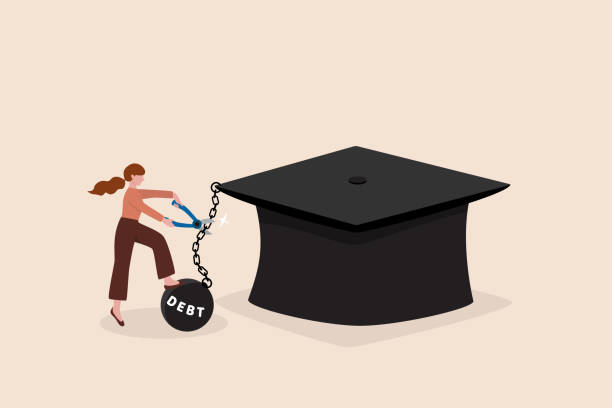
Understanding Your Loans
When it comes to managing your finances, understanding your loans is crucial. Federal and private loans are two main types of loans that students often encounter, with distinct differences in interest rates and repayment terms. For instance, federal loans typically offer more flexible repayment options and lower interest rates compared to private loans.
Federal loans are provided by the government, with fixed interest rates and multiple repayment plans, such as income-driven repayment. Private loans, on the other hand, are offered by banks and other lenders, with variable interest rates and less flexible repayment terms. It's essential to review the terms and conditions of each loan to make informed decisions about your financial situation.
To track and organize multiple loans, you can use a loan spreadsheet or a debt management app. Some popular options include Mint, You Need a Budget (YNAB), and Credit Karma. These tools allow you to centralize your loan information, set reminders, and receive alerts when payments are due.
Here are some practical tips for tracking your loans:
- Make a list of all your loans, including the lender, interest rate, and balance
- Set up automatic payments to ensure timely payments
- Use a loan calculator to determine the total cost of your loans and repayment options
Reviewing and understanding loan statements and notices is also vital to staying on top of your finances. Your loan statements will typically include information about your balance, interest rate, and payment due date. Be sure to review these statements carefully and contact your lender if you have any questions or concerns.
By staying organized and informed about your loans, you can make smart financial decisions and avoid costly mistakes. For example, you can use your loan statements to identify areas where you can save money, such as by consolidating high-interest loans or negotiating a lower interest rate with your lender. By taking control of your loans, you can achieve financial stability and security.

Strategies for Managing Multiple Loans
When dealing with multiple loans, it's essential to have a strategy in place to manage them effectively. The snowball method and the avalanche method are two popular approaches to paying off multiple loans. The snowball method involves paying off loans with the smallest balances first, while the avalanche method focuses on paying off loans with the highest interest rates first.
The benefits of the snowball method include a sense of accomplishment as you quickly pay off smaller loans, which can motivate you to continue paying off your debt. On the other hand, the avalanche method can save you more money in interest payments over time. For example, if you have a credit card with a $2,000 balance and an interest rate of 20%, it's likely a good idea to prioritize paying off this loan first using the avalanche method.
Consolidating loans can be another option for managing multiple loans. This involves combining multiple loans into one loan with a single interest rate and payment. The benefits of consolidating loans include simplifying your payments and potentially lowering your interest rate. However, consolidating loans can also have drawbacks, such as:
- potentially longer repayment periods
- higher overall interest payments
- negative effects on your credit score if you're unable to make payments
Prioritizing high-interest loans is a key concept in managing multiple loans. This involves focusing on paying off loans with the highest interest rates first, such as credit cards or personal loans. For example, if you have a student loan with an interest rate of 4% and a credit card with an interest rate of 20%, it's likely a good idea to prioritize paying off the credit card first. You can also consider making extra payments on high-interest loans to pay them off faster.
To prioritize high-interest loans, you can start by making a list of all your loans, including their balances and interest rates. Then, sort the list by interest rate, with the highest interest rates first. You can also use online tools or calculators to help you determine which loans to prioritize and how much you can save by paying them off early. By prioritizing high-interest loans and using a strategy like the avalanche method, you can save money on interest payments and become debt-free faster.

Building a Repayment Plan
To start building a repayment plan, it's essential to create a personalized budget that accounts for loan repayments. This involves tracking your income and expenses to understand where your money is going and identifying areas where you can cut back. By doing so, you can allocate a larger portion of your income towards loan repayments.
A crucial step in creating a budget is to categorize your expenses into needs and wants, allowing you to prioritize essential expenses such as rent, utilities, and loan repayments. You can use the 50/30/20 rule as a guideline, where 50% of your income goes towards needs, 30% towards wants, and 20% towards saving and debt repayment. This will help you make conscious financial decisions and ensure you're making timely loan payments.
Increasing your income is a great way to put more towards your loans and pay them off faster. Consider taking on a side hustle, such as freelancing or dog walking, to earn extra money. You can also sell unwanted items, like clothes, electronics, or furniture, to put the proceeds towards your loan repayments.
Some popular side hustles include:
- Participating in online surveys or focus groups
- Renting out a spare room on Airbnb
- Selling handmade products on Etsy
- Delivering food or packages for companies like Uber Eats or Amazon
These side hustles can help you earn an extra $500 to $1000 per month, which can be used to make extra loan payments.
Setting realistic repayment goals and milestones is vital to staying motivated and on track. Break down your long-term goal into smaller, achievable milestones, such as paying off a certain amount of debt within a specific timeframe. Celebrate your progress along the way to stay encouraged and focused on your goal. For example, you might aim to pay off $5,000 of debt within the next 6 months, and treat yourself to a small reward when you reach that milestone.
Regularly reviewing and adjusting your budget and repayment plan is also important to ensure you're on track to meet your goals. Life circumstances can change, and your budget should reflect these changes. By staying on top of your finances and making adjustments as needed, you can ensure you're making progress towards becoming debt-free.

Maintaining Financial Health
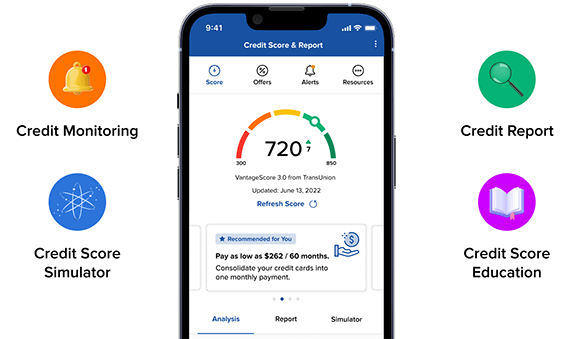
Monitoring your financial health is crucial, especially when repaying student loans. Regularly checking your credit reports and scores can help you identify any errors or areas for improvement. By doing so, you can ensure that your credit score is accurate and reflects your responsible repayment habits.
To avoid accumulating additional debt while paying off student loans, it's essential to be mindful of your spending habits. Using cash instead of credit cards for discretionary purchases can help you stick to your budget and avoid overspending. For instance, try using the 50/30/20 rule, where 50% of your income goes towards necessary expenses, 30% towards discretionary spending, and 20% towards saving and debt repayment.
Some practical tips to avoid additional debt include:
- Avoiding new credit inquiries, which can temporarily lower your credit score
- Not applying for multiple credit cards or loans in a short period
- Being cautious of high-interest rates and fees associated with credit cards and loans
By following these tips, you can minimize the risk of accumulating additional debt and stay focused on repaying your student loans.
Building an emergency fund is another vital aspect of maintaining financial health. This fund will help you cover unexpected expenses, such as car repairs or medical bills, without having to take on more debt. Aim to save 3-6 months' worth of living expenses in a easily accessible savings account, and try to set aside a fixed amount each month. By doing so, you'll be better equipped to handle financial setbacks and avoid going further into debt.
Additional Resources and Next Steps
When exploring options for managing student loan debt, it's essential to take advantage of reputable resources. For loan forgiveness programs, income-driven repayment plans, and financial counseling, consider visiting the Federal Student Aid website or the National Foundation for Credit Counseling. These organizations provide valuable information and guidance to help you make informed decisions about your financial situation.
To get started with loan forgiveness programs or income-driven repayment plans, you can also check out the following resources:
- The Public Service Loan Forgiveness (PSLF) program, which offers forgiveness options for borrowers working in public service
- The Income-Driven Repayment Plan website, which provides tools and resources to help you determine the best plan for your situation
- The Financial Counseling Association of America, which offers a directory of certified financial counselors
These resources can help you navigate the complex world of student loan debt and find the best solutions for your needs.
In addition to these resources, employer-assisted loan repayment programs can also be a valuable form of loan assistance. Some employers offer loan repayment benefits as part of their employee benefits package, which can help you pay off your loans faster. For example, some companies may offer a matching program, where they contribute a certain amount towards your loan payments each month. This can be a significant perk, especially for recent graduates or those with high-interest loans.
If you're facing a complex financial situation, it's a good idea to seek professional advice from a financial counselor or advisor. They can help you create a personalized plan to manage your debt and achieve your financial goals. Don't be afraid to reach out for help – with the right guidance, you can take control of your finances and start building a more secure future.

Frequently Asked Questions (FAQ)
How do I prioritize which loan to pay off first?
When it comes to managing multiple loans, it can be overwhelming to decide which one to tackle first. A good rule of thumb is to prioritize loans based on interest rates, with high-interest loans typically being paid off first. This approach can help you save money on interest payments over time and become debt-free faster.
To get started, make a list of all your loans, including the balance, interest rate, and minimum monthly payment for each. This will give you a clear picture of your debt and help you identify which loans to prioritize. For example, if you have a credit card with an 18% interest rate and a student loan with a 4% interest rate, you'll want to focus on paying off the credit card balance first.
Here are some tips to keep in mind when prioritizing your loans:
- High-interest loans, such as credit cards and personal loans, should be paid off as quickly as possible to minimize interest charges.
- Low-interest loans, such as mortgages and student loans, can be paid off over a longer period of time since the interest rates are lower.
- Consider consolidating multiple high-interest loans into a single loan with a lower interest rate, such as a balance transfer credit card or a debt consolidation loan.
By prioritizing your loans based on interest rates, you can create a debt repayment plan that works for you and helps you achieve financial freedom. Remember to also consider the loan terms, fees, and repayment flexibility when deciding which loan to pay off first. With a solid plan in place, you can make steady progress towards becoming debt-free and building a brighter financial future.
Can I consolidate all my student loans into one loan?
When it comes to managing your student loans, consolidation can be a great way to simplify your finances. If you have multiple loans with different interest rates and payment due dates, consolidating them into one loan can make it easier to keep track of your payments. This can also potentially lower your monthly payments and reduce the overall interest you pay over time.
To determine if you can consolidate all your student loans into one loan, you need to consider the types of loans you have. Federal loans, for example, have specific consolidation programs that can help you combine your loans into a single loan with a fixed interest rate. Private loans, on the other hand, may have different consolidation options available.
There are several consolidation options available, including:
- Federal Direct Consolidation Loans, which allow you to combine multiple federal loans into one loan
- Private loan consolidation, which involves refinancing your private loans into a new loan with a lower interest rate
- Hybrid consolidation, which combines federal and private loans into a single loan
It's essential to note that not all consolidation options are created equal, and some may have pros and cons that affect your financial situation.
Before consolidating your loans, it's crucial to review the terms and conditions of each option carefully. Consider factors such as the interest rate, repayment term, and any potential fees associated with the consolidation. You can also consult with a financial advisor or use online tools to help you compare different consolidation options and make an informed decision.
Practically, consolidating your loans can save you time and money in the long run. For instance, if you have multiple loans with high interest rates, consolidating them into a single loan with a lower interest rate can reduce the amount of interest you pay over time. Additionally, having a single loan with a fixed interest rate can make it easier to budget and plan your finances.
Will paying off student loans quickly hurt my credit score?
Paying off student loans quickly can have a significant impact on your financial situation, and many people wonder if it will affect their credit score. The good news is that paying off loans quickly can actually have a positive effect on your credit score. By reducing your debt and demonstrating responsible repayment behavior, you can show lenders that you're a reliable borrower.
When you pay off your student loans quickly, you're reducing your debt-to-income ratio, which is an important factor in determining your credit score. This can be especially beneficial if you have other debts, such as credit cards or personal loans, that you're still paying off. For example, if you have a credit card with a $2,000 limit and you're only using $500 of it, paying off your student loans can help you qualify for better interest rates on that credit card.
Here are some ways that paying off student loans quickly can positively affect your credit score:
- Reducing your debt-to-income ratio, which can help you qualify for better loan terms in the future
- Demonstrating responsible repayment behavior, which can increase your credit score over time
- Freeing up more money in your budget to pay off other debts or build up your savings
By paying off your student loans quickly, you can take control of your finances and set yourself up for long-term financial success. This can be especially beneficial if you're planning to apply for a mortgage or other large loan in the future.
It's worth noting that paying off your student loans quickly won't necessarily hurt your credit score, but it may cause a small temporary dip. This is because credit scoring models take into account the length of your credit history, and paying off a loan quickly can shorten the average age of your accounts. However, this effect is usually small and temporary, and the long-term benefits of paying off your student loans quickly will likely outweigh any short-term negative effects.