As a nation, we're constantly looking for ways to improve our financial systems, and one area that's often under scrutiny is student loans. Recently, a proposal was made to have the Small Business Administration (SBA) handle student loans, which has sparked both interest and concern among borrowers. This idea, initially suggested by former President Trump, aims to streamline the loan process and provide more support to students.
The potential impact of this proposal on borrowers could be significant, with possible benefits including more flexible repayment options and access to additional resources. For example, the SBA could offer income-driven repayment plans or loan forgiveness programs, similar to those currently available through the Department of Education. This could be especially helpful for students who are struggling to make ends meet after graduation.
Some of the key aspects of this proposal include:
- Consolidating student loan services under one agency, making it easier for borrowers to manage their debt
- Providing additional support and resources for students, such as financial counseling and career guidance
- Potentially offering more favorable repayment terms, such as lower interest rates or longer repayment periods
By exploring this proposal in more detail, we can better understand how it might affect borrowers and the overall student loan landscape. It's essential to consider the potential benefits and drawbacks of having the SBA handle student loans, and how this could impact the financial futures of students and graduates.
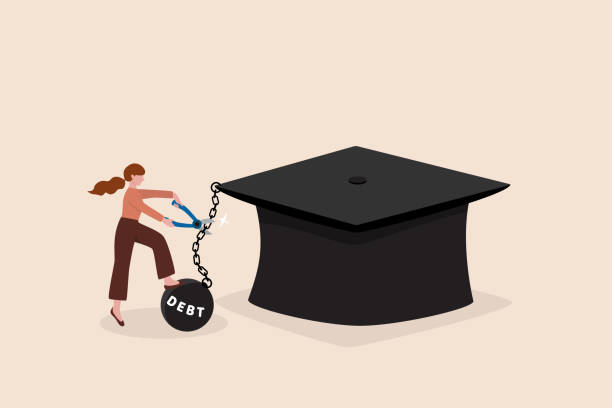
What Trump's Plan Means for Borrowers
The involvement of the Small Business Administration in student loan plans could bring significant changes to the student loan landscape. This involvement may lead to more business-like approaches to loan management, potentially benefiting borrowers through more efficient repayment processes. For instance, borrowers may see more streamlined repayment options, making it easier to manage their debt.
One potential benefit of this involvement is the possible reduction in interest rates for borrowers. The Small Business Administration's expertise in managing loans for small businesses could translate to more competitive interest rates for student loan borrowers. This could lead to significant savings over the life of the loan, as seen in examples where borrowers have saved thousands of dollars by refinancing their loans to lower interest rates.
However, there are also potential drawbacks to consider, such as the impact on loan forgiveness programs. Borrowers who are currently enrolled in loan forgiveness programs, such as Public Service Loan Forgiveness, may see changes to the terms of these programs. It is essential for borrowers to stay informed about any changes to these programs and to review their options carefully.
Some key areas that may be affected by the changes include:
- Interest rates: Borrowers may see changes to the interest rates on their loans, potentially leading to higher or lower monthly payments.
- Repayment terms: The repayment terms of loans may be adjusted, including the length of the repayment period or the amount of monthly payments.
- Loan forgiveness programs: Borrowers may see changes to the eligibility requirements or benefits of loan forgiveness programs.
To prepare for these potential changes, borrowers can take several steps, such as reviewing their current loan terms and understanding the potential impact of any changes. Borrowers should also consider creating a budget and exploring income-driven repayment options to ensure they are prepared for any changes to their loan terms. By staying informed and taking proactive steps, borrowers can navigate the potential changes and make the most of their loan options.

Implications for Financial Health
The proposed changes in borrowing regulations can have a significant impact on an individual's financial health. For instance, changes in interest rates or repayment terms can affect credit scores and debt-to-income ratios, making it essential for borrowers to reassess their financial situation. By understanding these implications, borrowers can take proactive steps to mitigate any negative effects.
Credit scores, in particular, can be influenced by changes in borrowing regulations, as late payments or high credit utilization can lower scores. To maintain a healthy credit score, borrowers should prioritize debt repayment and make timely payments. Creating a budget and tracking expenses can help borrowers stay on top of their finances and avoid missed payments.
In addition to credit scores, debt-to-income ratios are also crucial in determining financial health. Borrowers can calculate their debt-to-income ratio by adding up their monthly debt payments and dividing by their gross income. For example, if a borrower's monthly debt payments total $1,000 and their gross income is $4,000, their debt-to-income ratio would be 25%.
To maintain good financial health despite the potential changes, borrowers can follow these tips:
- Create a budget that accounts for all income and expenses
- Prioritize debt repayment, focusing on high-interest loans first
- Build an emergency fund to cover 3-6 months of living expenses
By following these tips, borrowers can ensure they are prepared for any changes in borrowing regulations and maintain a stable financial situation.
Emergency funds are essential in times of uncertainty, providing a cushion against unexpected expenses or income loss. Long-term investing is also critical, as it can help borrowers build wealth and achieve their financial goals. For example, contributing to a retirement account or investing in a diversified portfolio can help borrowers secure their financial future.
Ultimately, maintaining good financial health requires a combination of short-term planning and long-term investing. By creating a budget, prioritizing debt repayment, and building an emergency fund, borrowers can navigate any changes in borrowing regulations and achieve their financial objectives. Additionally, long-term investing can help borrowers build wealth and secure their financial future, even in the face of uncertainty.

Alternative Options for Borrowers
As a borrower, it's essential to explore alternative student loan repayment options to manage your debt effectively. Income-driven repayment plans and refinancing are two popular alternatives that can help you simplify your payments and reduce your financial burden. For instance, income-driven repayment plans can cap your monthly payments at a percentage of your discretionary income, making it more manageable.
When choosing the best repayment option, consider your income, expenses, and credit score, as these factors can significantly impact your ability to repay your loans. It's crucial to assess your financial situation and weigh the pros and cons of each option before making a decision. You can start by calculating your debt-to-income ratio and reviewing your credit report to determine the best course of action.
Some alternative repayment options to consider include:
- Income-driven repayment plans, such as Income-Based Repayment (IBR) and Pay As You Earn (PAYE)
- Refinancing, which involves consolidating your loans into a single loan with a lower interest rate
- Deferment or forbearance, which can temporarily suspend or reduce your payments
Each of these options has its benefits and drawbacks, and it's essential to understand the terms and conditions before committing to a particular plan.
For example, income-driven repayment plans can provide more flexibility and affordability, but may result in paying more interest over the life of the loan. On the other hand, refinancing can help you save money on interest, but may require a good credit score and a steady income. By carefully evaluating your options and considering your individual circumstances, you can make an informed decision that helps you manage your debt and achieve financial stability.
To get started, you can research and compare different repayment options, consult with a financial advisor, or contact your loan servicer to discuss your choices. Additionally, you can use online tools and calculators to estimate your monthly payments and determine which option is best for you. By taking the time to explore alternative repayment options, you can take control of your debt and create a more sustainable financial future.

Budgeting and Side Hustles for Borrowers
As a student loan borrower, managing your finances effectively is crucial to paying off your debt quickly. Creating a budget is the first step towards achieving this goal, and it involves tracking your income and expenses to understand where your money is going. By doing so, you can identify areas where you can cut back on unnecessary expenses and allocate that money towards your loan repayment.
Reducing expenses is a key aspect of budgeting, and there are several ways to do this, such as cooking at home instead of eating out, canceling subscription services you don't use, and finding ways to lower your utility bills. Additionally, you can also consider used or refurbished items instead of buying new ones, which can help you save a significant amount of money. For example, you can buy a used laptop or phone instead of the latest model, which can be expensive.
Increasing your income is also essential to paying off your loans faster, and one way to do this is by taking on a side hustle. Some popular side hustles for borrowers include:
- Freelancing, which can include writing, graphic design, or social media management
- Selling products online, such as through eBay, Amazon, or Etsy
- Ride-sharing or driving for a food delivery service
- Tutoring or teaching English online
These side hustles can help you earn extra money, which you can then put towards your loan repayment, and they can also help you develop new skills and gain valuable experience.
To find side hustles, you can search online for job listings or use websites such as Upwork or Fiverr to find freelance work. You can also use social media platforms to advertise your services or sell products, and you can reach out to friends or family members to see if they know of any job opportunities. Creating a budget that works for you is also essential, and there are many resources available to help you do this, such as budgeting apps or spreadsheets.
Some popular budgeting resources include Mint, You Need a Budget (YNAB), and Personal Capital, which can help you track your income and expenses and create a budget that works for you. You can also use the 50/30/20 rule, which involves allocating 50% of your income towards necessary expenses, 30% towards discretionary spending, and 20% towards saving and debt repayment. By following these tips and using these resources, you can create a budget that helps you pay off your loans quickly and achieve financial stability.

Investing for the Future
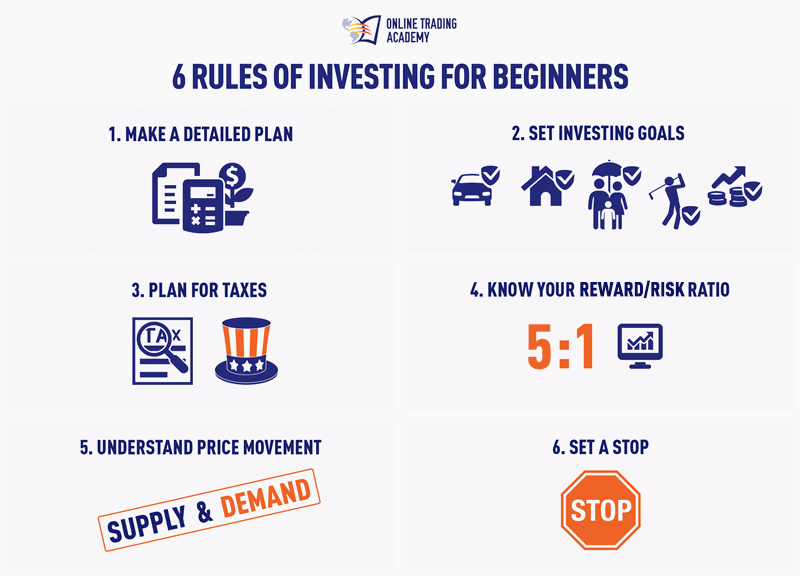
As a recent graduate, it's easy to get caught up in paying off student loans and forget about investing for the future. However, investing is a crucial step in achieving long-term financial goals, such as retirement or buying a home. By starting to invest early, you can take advantage of compound interest and set yourself up for financial success.
Investing doesn't have to be intimidating, especially for beginners. There are many investment options available that are easy to understand and require minimal effort, such as index funds or robo-advisors. For example, index funds allow you to invest in a diversified portfolio of stocks or bonds with a single investment, making it a great option for those just starting out.
To get started with investing, you'll need to set financial goals for yourself, such as saving for a down payment on a house or building an emergency fund. You'll also need to choose a brokerage account, which can be a daunting task with so many options available. Some popular brokerage accounts for beginners include Fidelity, Vanguard, and Robinhood.
Here are some steps to follow when choosing a brokerage account:
- Research different brokerage firms and their fees
- Consider the types of investments you want to make, such as stocks, bonds, or ETFs
- Look for accounts with low or no minimum balance requirements
- Read reviews and ask for referrals from friends or family members
Once you've chosen a brokerage account, you can start investing with as little as $100. Many robo-advisors and index funds offer low-cost investment options with minimal fees, making it easy to get started. For example, you could invest $100 per month in a diversified portfolio of stocks and bonds, and watch your money grow over time.
It's also important to remember that investing is a long-term game, and it's okay to start small. The key is to be consistent and patient, and to avoid getting caught up in get-rich-quick schemes or trying to time the market. By following these tips and starting to invest early, you can set yourself up for financial success and achieve your long-term goals.
Frequently Asked Questions (FAQ)
How will Trump's plan affect my current student loan repayment plan?
As a student loan borrower, it's natural to wonder how Trump's plan will affect your current repayment plan. The changes proposed may have a significant impact on your financial situation, so it's essential to stay informed. Borrowers can expect potential changes to interest rates, which could increase or decrease their monthly payments.
To understand how these changes may affect you, consider your current loan terms and interest rate. For example, if you have a variable interest rate, you may be more affected by changes to interest rates than someone with a fixed rate. It's crucial to review your loan documents and understand the terms of your loan to prepare for potential changes.
Some key aspects of Trump's plan that may impact your repayment plan include:
- Changes to interest rates, which could increase or decrease your monthly payments
- Alterations to repayment terms, such as the length of the repayment period or the amount of monthly payments
- Potential modifications to loan forgiveness programs, which could affect your eligibility or the amount of debt that can be forgiven
These changes may have a significant impact on your financial situation, so it's essential to stay up-to-date with the latest developments and review your loan terms regularly.
If you're concerned about how Trump's plan may affect your student loan repayment, consider taking proactive steps to prepare. You can start by reviewing your budget and exploring options for reducing your monthly payments, such as income-driven repayment plans or loan consolidation. By taking a proactive approach, you can minimize the potential impact of changes to your repayment plan and stay on track with your financial goals.
Can I still refinance my student loans if the Small Business Administration takes over?
When the Small Business Administration takes over, it's natural to wonder how this change affects your student loans. The good news is that borrowers may still be able to refinance their student loans, but the process and options may change under the new administration. This means you'll need to stay informed about any updates or modifications to the refinancing process.
To refinance your student loans, you'll typically need to meet certain eligibility criteria, such as having a good credit score and a stable income. You can check your credit report and score to ensure you're in a good position to refinance. Additionally, you may want to consider factors like interest rates and repayment terms when evaluating refinancing options.
Here are some key things to consider when refinancing your student loans under the new administration:
- Check the current interest rates and compare them to your existing loan rates to determine if refinancing is a good option
- Look into different lenders and their eligibility criteria to find the best fit for your situation
- Consider working with a financial advisor or student loan expert to help guide you through the process
It's also important to note that refinancing your student loans may involve some trade-offs, such as giving up certain benefits like income-driven repayment plans or loan forgiveness programs. By weighing the pros and cons and doing your research, you can make an informed decision about whether refinancing is right for you.
If you're unsure about how the change in administration will affect your student loans, you can start by reviewing your current loan documents and contacting your lender or loan servicer for more information. You can also explore online resources and financial planning tools to help you navigate the refinancing process and make the best decision for your financial situation.
How can I protect my financial health during this time of uncertainty?
In today's uncertain economic climate, it's essential to take proactive steps to safeguard your financial well-being. Creating a budget is a great place to start, as it allows you to track your income and expenses, identify areas for improvement, and make informed decisions about your money. By doing so, you'll be better equipped to navigate any financial challenges that come your way.
To create a budget, start by gathering all your financial documents, including pay stubs, bills, and bank statements. Next, categorize your expenses into needs (housing, food, utilities) and wants (entertainment, hobbies), and allocate your funds accordingly. This will help you prioritize your spending and make conscious decisions about how you use your money.
Prioritizing debt repayment is another crucial aspect of protecting your financial health. This involves focusing on paying off high-interest loans and credit cards, while also making timely payments on other debts, such as student loans or mortgages. By paying off high-interest debt, you'll save money on interest charges and free up more funds for savings and investments.
Some practical tips for prioritizing debt repayment include:
- Consolidating debt into a lower-interest loan or credit card
- Pay more than the minimum payment on high-interest debts
- Consider the snowball method, where you pay off smaller debts first to build momentum
Building an emergency fund is also vital for protecting your financial health. This fund should cover 3-6 months of living expenses and be easily accessible in case of unexpected events, such as job loss or medical emergencies. By having a cushion of savings, you'll be better prepared to weather any financial storms that come your way.
In terms of building an emergency fund, it's essential to start small and be consistent. Set aside a fixed amount each month, and take advantage of tax-advantaged savings vehicles, such as high-yield savings accounts or certificates of deposit (CDs). By making saving a habit and prioritizing your financial health, you'll be well on your way to achieving long-term financial stability and security.