As a recent graduate, managing student loan debt can be overwhelming, with the average student loan debt in the US exceeding $30,000 per borrower. Creating a solid repayment plan is essential to avoid defaulting on loans and to minimize the financial burden. By understanding the repayment options and strategies, graduates can take control of their debt and make informed decisions about their financial future.
Students often face a daunting task when it comes to repaying their loans, with multiple repayment options and deadlines to keep track of. To get started, it's crucial to gather all the necessary information about the loans, including the balance, interest rate, and repayment terms. This information will serve as the foundation for developing a personalized repayment plan.
Some key factors to consider when creating a repayment plan include:
- Understanding the different repayment options, such as income-driven repayment and consolidation
- Setting realistic payment goals and deadlines
- Exploring forgiveness and discharge options for eligible borrowers
By considering these factors and taking a proactive approach, graduates can develop a tailored repayment plan that suits their financial situation and helps them achieve debt freedom.
Developing a repayment plan is not a one-time task, but rather an ongoing process that requires regular monitoring and adjustments. As income and expenses change over time, the repayment plan should be reviewed and updated to ensure it remains effective. By staying on top of the repayment plan and making timely payments, graduates can avoid late fees and penalties, and make steady progress towards becoming debt-free.
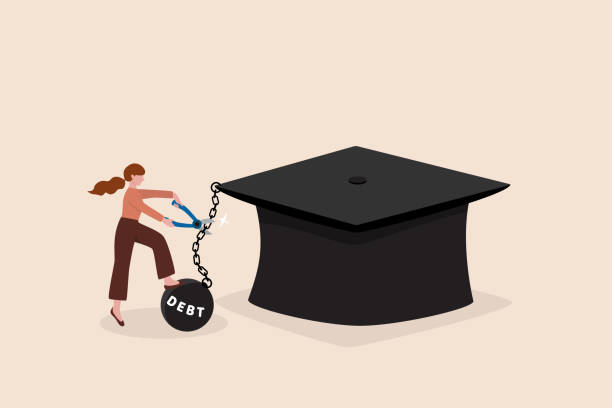
Understanding Your Student Loans
When it comes to managing your student loans, the first step is to calculate the total amount owed, including principal and interest. This will help you create a realistic repayment plan that suits your financial situation. For instance, let's say you have a loan with a principal amount of $10,000 and an interest rate of 6%, your total repayment amount could be around $13,000 over a 10-year period.
To make informed decisions about your student loans, it's essential to distinguish between federal and private loans, as each has different repayment options and forgiveness programs. Federal loans, for example, offer income-driven repayment plans and public service loan forgiveness, while private loans may have more flexible repayment terms but often lack forgiveness options. Understanding the specific terms of your loans will help you navigate the repayment process.
Here are some key factors to consider when evaluating your student loans:
- Principal amount: the initial amount borrowed
- Interest rate: the percentage of interest charged on the loan
- Repayment term: the length of time you have to repay the loan
- Repayment options: income-driven plans, deferment, or forbearance
Identifying the interest rates for each loan is crucial, as it allows you to prioritize high-interest loans first and potentially save thousands of dollars in interest payments over time. By focusing on high-interest loans, you can create a debt repayment strategy that maximizes your payments and minimizes your overall debt burden.
For example, if you have two loans with different interest rates, such as 4% and 8%, it's a good idea to prioritize the loan with the 8% interest rate to reduce the amount of interest accrued over time. By doing so, you can make significant progress on your debt repayment journey and achieve financial stability sooner. It's also important to review your loan documents and contact your lender if you have any questions or concerns about your repayment options.

Strategies for Repaying Student Loans
Repaying student loans can be a daunting task, but there are several strategies that can make it more manageable. One approach is to explore income-driven repayment plans, which can lower monthly payments based on income and family size. For example, the Income-Based Repayment (IBR) plan and the Pay As You Earn (PAYE) plan are two popular options that can help borrowers reduce their monthly payments.
These plans can be especially helpful for borrowers who are struggling to make ends meet, as they can significantly reduce the amount of money that needs to be paid each month. To qualify for these plans, borrowers typically need to provide documentation of their income and family size, and they may need to reapply annually to continue making income-driven payments. This can be a bit of a hassle, but it can be well worth it for borrowers who are eligible.
Another strategy for repaying student loans is to consider consolidating loans for a single, potentially lower monthly payment. This can be a good option for borrowers who have multiple loans with high interest rates or high monthly payments, as it can simplify the repayment process and potentially save money. However, borrowers should be aware of the potential drawbacks of consolidation, including:
- losing forgiveness benefits, such as Public Service Loan Forgiveness (PSLF)
- potentially longer repayment periods
- higher total interest paid over the life of the loan
In addition to income-driven repayment plans and loan consolidation, borrowers should also look into forgiveness programs, such as Public Service Loan Forgiveness (PSLF), for loans that may be eligible. These programs can provide significant relief for borrowers who work in certain fields, such as public service or non-profit work. For example, PSLF can forgive the remaining balance on a borrower's loans after 120 qualifying payments, which can be a huge benefit for borrowers who are eligible. Borrowers should research these programs carefully to see if they qualify and to understand the requirements for participation.

Budgeting for Student Loan Repayment
When it comes to managing student loan debt, creating a budget is essential. A good starting point is to allocate a significant portion of your income towards loan repayment, using the 50/30/20 rule as a guideline. This means 50% of your income goes towards essential expenses, 30% towards discretionary spending, and 20% towards saving and debt repayment, including your student loans.
To make the most of this budgeting rule, consider implementing cost-cutting measures to free up more money for loan repayment. This can involve reducing discretionary spending, such as dining out or subscription services, or finding ways to lower essential expenses, like negotiating a lower rent or finding a more affordable phone plan. By making a few small changes, you can allocate a larger portion of your income towards loan repayment.
Some practical ways to cut costs include:
- Canceling subscription services you don't use, such as gym memberships or streaming services
- Cooking at home instead of eating out or ordering takeout
- Shopping around for insurance or other essential services to find the best rates
These small changes can add up to make a big difference in your budget, allowing you to put more money towards your student loans.
Automating your loan payments is also crucial to ensuring timely payments and avoiding late fees. You can set up automatic payments through your loan servicer or bank, which will deduct the payment amount from your account on the same day each month. This way, you'll never have to worry about missing a payment or incurring late fees, and you can focus on making progress on your debt repayment goals.

Boosting Income to Pay Off Loans Faster
Paying off loans can be a daunting task, but increasing your income can make a significant difference in your repayment journey. One effective way to boost your income is by pursuing side hustles or part-time jobs, which can provide an extra stream of revenue to put towards your loans. For instance, you can consider dog walking, tutoring, or delivering food to earn some extra money.
Investing in skills or education can also lead to higher-paying jobs, thereby increasing your potential for loan repayment. By acquiring new skills or certifications, you can enhance your career prospects and earn a higher salary, which can then be applied towards your loan payments. This approach may take some time to yield results, but it can be a worthwhile investment in the long run.
Some other ways to generate additional income for loan payments include selling unwanted items or freelancing. You can sell items you no longer need or use on online marketplaces like eBay, Craigslist, or Facebook Marketplace, and put the proceeds towards your loans. Alternatively, you can offer your skills and services on freelancing platforms like Upwork or Fiverr, and use the earnings to pay off your debts.
Here are some more ideas to get you started:
- Sell handmade products or artwork on platforms like Etsy or Redbubble
- Rent out a spare room on Airbnb to generate passive income
- Participate in online surveys or focus groups to earn some extra cash
- Deliver packages or groceries as a side hustle to increase your earnings
Remember, every little bit counts when it comes to paying off loans, and making small changes to your income can add up over time. By exploring these options and finding what works best for you, you can create a plan to pay off your loans faster and achieve financial freedom. With persistence and dedication, you can overcome debt and build a brighter financial future.

Maintaining Financial Health During Repayment
Maintaining a healthy financial situation while repaying loans is crucial for long-term stability. Regularly monitoring your credit scores is essential, as on-time loan payments can significantly improve your credit over time. By checking your credit report, you can identify areas for improvement and make informed decisions about your financial habits.
When it comes to managing debt, it's essential to avoid taking on new debt, such as credit card balances, as this can complicate the repayment process. This means being mindful of your spending habits and avoiding unnecessary purchases that can lead to debt accumulation. For example, consider implementing a 30-day waiting period before buying non-essential items to help you determine if the purchase is really necessary.
To ensure loan payments remain on track, building an emergency fund is vital. This fund will cover unexpected expenses, such as car repairs or medical bills, and prevent you from falling behind on your loan payments. Here are some tips to get you started:
- Set a realistic savings goal, such as $1,000 or 3-6 months' worth of living expenses
- Automate your savings by setting up a monthly transfer from your checking account
- Keep your emergency fund in a easily accessible savings account to ensure you can access the funds when needed
By following these tips and maintaining a disciplined approach to your finances, you can ensure a smooth loan repayment process and improve your overall financial health. Remember, repaying loans is not just about making payments, it's also about building a stable financial foundation for the future. With time and patience, you can achieve financial stability and move closer to your long-term goals.

Frequently Asked Questions (FAQ)
How do I know which student loan repayment plan is best for me?
When it comes to choosing a student loan repayment plan, there's no one-size-fits-all solution. The best repayment plan depends on factors including income, family size, and the types of loans you have, so it's essential to review and compare different plans. By considering your individual circumstances, you can make an informed decision that works for you.
To get started, take a close look at your financial situation, including your income, expenses, and debt obligations. This will help you determine how much you can afford to pay each month. For example, if you're just starting out in your career, you may want to consider a plan with lower monthly payments to ensure you can cover your other expenses.
Here are some key factors to consider when evaluating different repayment plans:
- Income-driven repayment plans, which base your monthly payments on your income and family size
- Standard repayment plans, which offer a fixed monthly payment amount over a set period of time
- Graduated repayment plans, which start with lower monthly payments that increase over time
By weighing these options and considering your unique situation, you can choose a plan that aligns with your financial goals and helps you manage your debt effectively.
It's also important to think about the types of loans you have, as some repayment plans may be more suitable for certain types of loans. For instance, if you have a mix of federal and private loans, you may want to consider a plan that allows you to consolidate your loans or take advantage of income-driven repayment options. By carefully evaluating your options and choosing the right plan, you can simplify your finances and make progress on paying off your student loans.
Can I pay off my student loans early without penalties?
Paying off student loans can be a significant burden, but making extra payments can help reduce the amount of interest you owe over time. Most federal student loans do not have prepayment penalties, which means you can make extra payments without incurring additional fees. This is a great opportunity to pay off your loans faster and save money on interest.
Before making extra payments, it's essential to check the terms of your specific loans to confirm that there are no prepayment penalties. You can do this by reviewing your loan documents or contacting your loan servicer directly. They can provide you with information on any potential penalties or fees associated with making extra payments.
To get started, you'll want to understand the different types of student loans and their prepayment policies. Here are some key things to consider:
- Check your loan documents for any prepayment penalty clauses
- Contact your loan servicer to confirm their prepayment policies
- Consider making extra payments towards your loans with the highest interest rates first
By taking these steps, you can make informed decisions about your student loans and create a plan to pay them off efficiently.
Making extra payments can be as simple as adding a fixed amount to your monthly payment or making a lump sum payment when you have extra funds available. For example, if you typically pay $100 per month, you could increase your payment to $150 or $200 to pay off your loans faster. Even small extra payments can add up over time and help you save money on interest.
How does paying off student loans affect my credit score?
Paying off student loans can have a significant impact on your financial health, and one of the key benefits is the positive effect it can have on your credit score. As you make regular payments and reduce your debt, you demonstrate responsible credit behavior to lenders, which can lead to an improvement in your credit score over time. This, in turn, can open up more financial opportunities, such as lower interest rates on future loans or credit cards.
When you pay off student loans, you are also reducing your debt-to-income ratio, which is the percentage of your monthly gross income that goes towards paying off debts. A lower debt-to-income ratio can make you a more attractive borrower to lenders, as it shows that you are able to manage your debt obligations effectively. For example, if you have a monthly income of $4,000 and your student loan payments are $1,000 per month, paying off your loans can significantly reduce your debt-to-income ratio.
Here are some ways paying off student loans can affect your credit score:
- On-time payments are reported to credit bureaus, which can help establish a positive payment history
- Reducing your debt-to-income ratio can make it easier to get approved for other loans or credit cards
- A history of responsible debt repayment can lead to higher credit limits and lower interest rates
By making regular payments and paying off your student loans, you can demonstrate to lenders that you are a responsible borrower, which can lead to a range of financial benefits and opportunities. Additionally, paying off high-interest debt, such as student loans, can also free up more money in your budget for savings, investments, or other financial goals.