As a young adult, navigating the world of investments can be daunting, but it can also be a great way to earn some extra money on the side. Exploring alternative investment opportunities, such as private company stakes, can be a lucrative side hustle. This can involve investing in startups or small businesses, either directly or through platforms that connect investors with entrepreneurs.
For those new to investing, it's essential to start by understanding the basics of private company stakes, including the potential risks and rewards. Private company stakes can offer higher returns than traditional investments, but they also come with a higher level of risk. It's crucial to do your research and set clear financial goals before getting started.
Some popular ways to invest in private companies include:
- equity crowdfunding, which allows you to invest in startups and small businesses through online platforms
- venture capital firms, which invest in early-stage companies with high growth potential
- angel investing, which involves investing directly in startups and small businesses
These options can provide a great way to diversify your investment portfolio and earn some extra money on the side.
When considering private company stakes as a side hustle, it's essential to keep in mind that it requires a significant amount of time and effort. You'll need to research potential investment opportunities, analyze financial data, and make informed decisions about where to invest your money. However, with the right mindset and strategy, investing in private companies can be a rewarding and profitable venture.
To get started, it's a good idea to educate yourself on the basics of investing and learn about the different types of private company stakes available. You can also consider seeking advice from a financial advisor or joining online communities to connect with other investors. By taking the time to learn and plan, you can set yourself up for success and start earning money through private company stakes.

Understanding Private Company Stakes
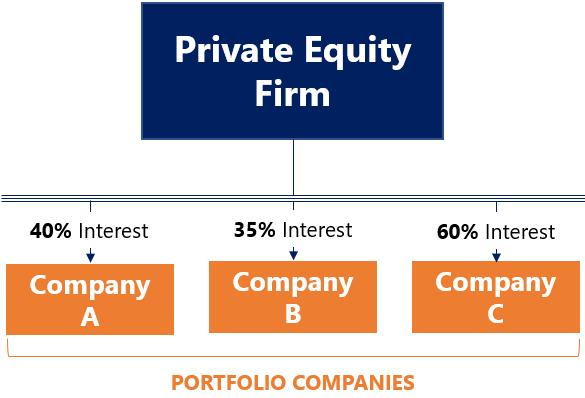
When it comes to investing, many people are familiar with public stocks, but private company stakes offer a different opportunity. Private company stakes refer to ownership shares in companies that are not listed on public stock exchanges, meaning they are not traded openly. This distinction is important, as it affects the way investors can buy, sell, and trade these stakes.
Private company stakes differ from public stocks in several key ways, including ownership structure and liquidity. Unlike public stocks, private company stakes are typically held by a smaller group of investors, and buying or selling these stakes can be more complicated. For example, investors may need to negotiate directly with the company or other stakeholders to purchase or sell private company stakes.
The potential benefits of investing in private company stakes include higher returns on investment and the opportunity to support innovative companies. Some private companies may offer more attractive growth prospects than public stocks, as they are not subject to the same level of regulatory scrutiny and can be more agile in responding to market changes. However, investing in private company stakes also carries unique risks, such as limited liquidity and lack of transparency.
Some of the risks associated with investing in private company stakes include:
- Lack of regulatory oversight, which can increase the risk of fraud or mismanagement
- Limited access to information about the company's financial performance and operations
- Difficulty buying or selling stakes, which can lead to liquidity problems
Despite these risks, many private companies have achieved significant success and growth, making them attractive investment opportunities.
Examples of successful private companies include Airbnb, a hospitality company that has disrupted the traditional hotel industry, and SpaceX, a space technology company that has pioneered reusable rockets. These companies have demonstrated impressive growth trajectories, with Airbnb valued at over $50 billion and SpaceX valued at over $100 billion. By understanding the benefits and risks of private company stakes, investors can make informed decisions about whether to invest in these innovative companies.
Identifying Investment Opportunities
When it comes to identifying investment opportunities, researching and due diligence are crucial steps that cannot be overlooked. This involves thoroughly examining a company's financial statements, management team, and industry trends to determine its potential for growth. By doing your homework, you can make informed decisions and avoid costly mistakes.
Evaluating a private company's potential for growth requires considering several key factors, including its competitive advantage, market demand, and financial health. A company with a unique product or service, a strong management team, and a solid business plan is more likely to succeed in the long run. Additionally, looking at a company's revenue growth, profit margins, and cash flow can provide valuable insights into its financial stability.
Some key factors to consider when evaluating a private company's potential for growth include:
- Market size and growth potential
- Competitive landscape and market share
- Management team and leadership
- Financial performance and projections
- Industry trends and outlook
These factors can help you determine whether a company has what it takes to succeed and provide a strong return on investment.
Platforms or networks that connect investors with private companies can be a great way to find investment opportunities. These platforms, such as AngelList or Seedrs, provide a curated list of startups and private companies that are seeking funding. They often conduct their own due diligence and provide detailed information about each company, making it easier for investors to make informed decisions.
For example, platforms like Crunchbase or PitchBook provide access to a vast database of private companies, including their funding history, financial performance, and key metrics. These resources can be incredibly valuable for investors looking to research and evaluate potential investment opportunities. By leveraging these platforms and networks, investors can gain access to a wide range of investment opportunities and make more informed decisions.

Selling Access to Stakes as a Side Hustle
Acquiring and selling stakes in private companies can be a lucrative side hustle, but it requires a solid understanding of the process. To get started, you'll need to identify potential investment opportunities, such as startup companies or small businesses looking to expand. You can find these opportunities through networking events, online forums, or social media groups.
Once you've acquired a stake in a private company, you can sell it to other investors or buyers, often with the help of brokerage services or online platforms. These platforms connect buyers and sellers, facilitating the sale of stakes and providing a range of tools and resources to support the process. For example, platforms like EquityZen or Forge Global allow you to buy and sell stakes in private companies.
The role of brokerage services or online platforms is crucial in facilitating stake sales, as they provide a secure and efficient way to conduct transactions. These platforms typically charge a fee for their services, which can range from 1-5% of the sale price. Some popular online platforms for buying and selling stakes include:
- EquityZen: a platform for buying and selling stakes in private companies
- Forge Global: a platform for buying and selling stakes in private companies, with a focus on tech startups
- SharesPost: a platform for buying and selling stakes in private companies, with a focus on venture-backed startups
In terms of revenue streams, selling stakes in private companies can generate significant profits, especially if you're able to acquire stakes at a low price and sell them at a higher price. The potential profit margins for this side hustle can be substantial, ranging from 10-50% or more, depending on the specific opportunity and market conditions. For example, if you acquire a 1% stake in a startup for $10,000 and sell it for $15,000, you'll make a profit of $5,000, or 50% return on investment.
To succeed in this side hustle, it's essential to have a deep understanding of the private company market and the factors that drive valuations. You'll also need to be able to conduct thorough research and due diligence on potential investment opportunities, as well as develop a network of contacts and partners in the industry. With the right skills and knowledge, selling stakes in private companies can be a highly rewarding and profitable side hustle.

Mitigating Risks and Regulatory Compliance
When investing in private company stakes, it's essential to understand the regulatory environment surrounding these transactions. The sale of private company stakes is governed by various laws and regulations, including the Securities Act of 1933 and the Securities Exchange Act of 1934. These laws are designed to protect investors and ensure that companies provide accurate and timely disclosure of financial information.
The regulatory environment can be complex, and failure to comply with these laws can result in significant fines and penalties. For example, the Securities and Exchange Commission (SEC) has imposed fines on companies that have failed to register their securities or provide adequate disclosure to investors. To avoid these risks, it's crucial to work with a qualified attorney or financial advisor who is familiar with the regulatory requirements.
There are several potential risks associated with investing in private company stakes, including legal and financial risks. Some of the key risks include:
- Market risk: the value of the investment may fluctuate over time
- Credit risk: the company may default on its obligations
- Operational risk: the company may experience management or operational issues
These risks can be mitigated through diversification and hedging strategies, such as investing in a portfolio of companies or using options and futures contracts to manage risk.
Diversification is a key strategy for mitigating risk, as it allows investors to spread their investments across a range of companies and industries. For example, an investor may choose to invest in a mix of technology, healthcare, and financial services companies to reduce their exposure to any one particular sector. By diversifying their portfolio, investors can reduce their risk and increase their potential returns over the long term.
Hedging strategies can also be used to manage risk, such as using options and futures contracts to protect against potential losses. For instance, an investor may purchase a put option to protect against a decline in the value of their investment, or use a futures contract to lock in a price for a future sale. These strategies can help investors to manage their risk and achieve their investment objectives.
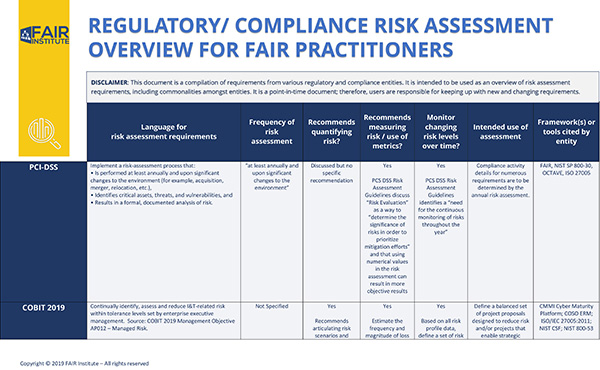
In addition to diversification and hedging, it's also essential to conduct thorough research and due diligence on any potential investment. This includes reviewing the company's financial statements, management team, and industry trends, as well as assessing the competitive landscape and potential risks and opportunities. By taking a thoughtful and informed approach to investing in private company stakes, investors can minimize their risks and maximize their returns.
Getting Started with Private Company Stakes
To get started with investing in and selling private company stakes, it's essential to understand the basics of private equity and the various types of investments available. This includes researching different private companies, their financials, and growth potential. A good starting point is to look into companies that are in industries you're familiar with or have a personal interest in.
Investing in private companies requires a thorough evaluation of the company's potential for growth and return on investment. This involves analyzing financial statements, management teams, and market trends. For example, you can look at a company's revenue growth, profit margins, and competitive advantage to determine its potential for success.
Here are some steps to follow when getting started:
- Research private companies and their investment opportunities
- Evaluate the company's financials and growth potential
- Assess the management team and industry trends
It's also crucial to consider the risks involved and develop a diversified investment portfolio to minimize losses.
For further learning and professional development, there are many resources available, including online courses, books, and industry conferences. Some recommended resources include the Private Equity Association, the National Venture Capital Association, and the book "Venture Capital and the Finance of Innovation" by Andrew Metrick. These resources can provide valuable insights and practical tips for investing in and selling private company stakes.
To succeed in this side hustle, it's essential to stay up-to-date with industry trends and best practices. We encourage readers to share their experiences and tips for success in investing in and selling private company stakes. What strategies have worked for you, and what lessons have you learned along the way? By sharing your knowledge and expertise, you can help others get started and achieve their financial goals.

Frequently Asked Questions (FAQ)
What are the typical investment requirements for private company stakes?
When considering investing in private company stakes, it's essential to understand that investment requirements can vary significantly. The amount needed to invest can range from a few thousand dollars to millions of dollars, depending on the company and industry. For instance, investing in a startup may require a smaller amount, while investing in an established private company may require a more substantial investment.
Investment requirements are often determined by the company's valuation, growth stage, and industry standards. Companies in the technology or healthcare sectors, for example, may require larger investments due to the high costs associated with research and development. In contrast, companies in the service or retail industries may require smaller investments.
Some common investment requirements for private company stakes include:
- Minimum investment amounts, which can range from $1,000 to $100,000 or more
- Accredited investor status, which may be required for certain investments
- Lock-up periods, which can restrict the ability to sell or transfer shares for a specified time
It's crucial to carefully review the investment requirements and terms before investing in a private company to ensure they align with your financial goals and risk tolerance.
To get started, it's a good idea to research the company and industry to understand the typical investment requirements and risks involved. You can also consult with a financial advisor or investment professional to determine the best investment strategy for your situation. By doing your due diligence and carefully evaluating the investment requirements, you can make informed decisions and potentially achieve your long-term financial goals.
How do I evaluate the potential for growth in a private company?
When considering an investment in a private company, evaluating its potential for growth is crucial. This involves analyzing various factors, including financial statements, to understand the company's current health and future prospects. By reviewing income statements, balance sheets, and cash flow statements, you can identify trends and areas for improvement.
Market trends play a significant role in determining a company's growth potential. Researching the industry and market size can help you understand the company's position and potential for expansion. For example, a company operating in a growing industry with a unique product or service may have higher growth potential than one in a declining market.
To evaluate the competitive landscape, consider the following factors:
- Market share and position of the company
- Competitors' strengths and weaknesses
- Barriers to entry for new competitors
By analyzing these factors, you can determine the company's ability to compete and grow in its market.
The management team is also a critical factor in evaluating a company's growth potential. A experienced and skilled management team can drive growth and make strategic decisions to expand the business. Research the team's track record, leadership style, and vision for the company to assess their ability to execute on growth plans.
In addition to these factors, consider the company's products or services, technology, and innovation pipeline. A company with a unique and innovative product or service may have higher growth potential than one with a commoditized offering. By evaluating these factors and considering the company's overall strategy, you can make an informed decision about its potential for growth.
Are there any tax implications or benefits associated with selling private company stakes?
When considering the sale of private company stakes, it's essential to understand the potential tax implications. Tax implications depend on the specific circumstances, and may include capital gains tax, which can be a significant factor in the overall sale process. For instance, if you've held your stake in the company for an extended period, you may be eligible for long-term capital gains treatment, which can result in a lower tax rate.
The tax implications of selling private company stakes can vary greatly depending on the individual's situation and the structure of the sale. In general, the sale of private company stakes is considered a taxable event, and the seller will need to report the gain or loss on their tax return. It's crucial to consult with a tax professional to ensure you're taking advantage of all available tax benefits and minimizing your tax liability.
Some benefits associated with selling private company stakes include tax deductions for business expenses. These deductions can help reduce your taxable income, resulting in a lower tax bill. Here are some examples of business expenses that may be deductible:
- Travel expenses related to the sale of the company stake
- Professional fees, such as legal and accounting services
- Other expenses directly related to the sale, such as marketing and advertising costs
To maximize the tax benefits of selling private company stakes, it's essential to keep accurate records of all business expenses related to the sale. This includes saving receipts, invoices, and other documentation to support your deductions. By taking the time to organize your records and consult with a tax professional, you can ensure you're taking advantage of all available tax benefits and minimizing your tax liability.
In addition to tax deductions for business expenses, there may be other tax benefits associated with selling private company stakes. For example, if you're selling a stake in a company that you've held for an extended period, you may be eligible for tax-deferred treatment under certain circumstances. It's crucial to consult with a tax professional to determine the specific tax implications and benefits associated with your situation.