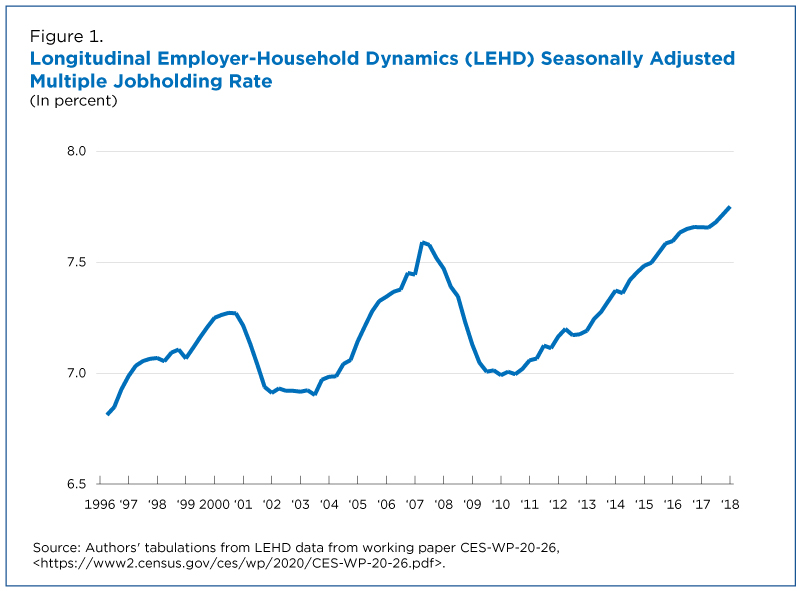
As the cost of living continues to rise, many young adults are finding it challenging to make ends meet with just one source of income. This has led to a significant increase in the number of individuals taking on side hustles to supplement their earnings. Whether it's freelancing, selling products online, or participating in the gig economy, side hustles have become a necessary tool for financial survival.
The trend of side hustles is not limited to any particular industry or profession, with people from all walks of life exploring different ways to earn extra money. For instance, a student may start a blog or YouTube channel to monetize their passion, while a working professional may take on a part-time job or offer consulting services. Some popular side hustles include:
- Online tutoring or teaching
- Selling handmade products or artwork
- Ride-sharing or delivery services
- Pet-sitting or house-sitting
The rise of side hustles has also been driven by the ease of access to technology and online platforms, which have made it easier for people to find and monetize their skills. With the right mindset and resources, anyone can start a side hustle and begin earning extra money to achieve their financial goals. By exploring different side hustle options and finding what works best for them, young adults can take control of their finances and create a more stable and secure future.
Why Side Hustles Are Necessary
The cost of living continues to rise, making it challenging for young adults to manage their finances effectively. As a result, budgeting has become a crucial aspect of daily life, with many individuals struggling to make ends meet. With expenses such as rent, tuition, and groceries taking up a significant portion of their income, it can be difficult to save for the future or pay off debt.
One way to combat this issue is by starting a side hustle, which can provide a much-needed boost to one's income. Side hustles can help pay off debt, such as student loans or credit card balances, or save for emergency funds, which is essential for unexpected expenses. By having a secondary source of income, young adults can gain greater financial stability and peace of mind.
Some successful side hustles include freelancing, selling products online, or participating in the gig economy. For example, freelancing platforms like Upwork or Fiverr offer a range of opportunities for individuals to showcase their skills and earn extra money. Other options include:
- Selling handmade products on Etsy or eBay
- Renting out a spare room on Airbnb
- Delivering food or packages through companies like Uber Eats or Amazon Flex
These side hustles can be done on a part-time basis, allowing individuals to balance their primary responsibilities with their secondary income stream.
In addition to providing financial benefits, side hustles can also help young adults develop new skills and gain valuable experience. For instance, freelancing can help individuals build a professional portfolio, while selling products online can teach them about marketing and entrepreneurship. By starting a side hustle, young adults can take control of their finances and create a more secure future for themselves.

Finding the Right Side Hustle
To find the right side hustle, it's essential to start by identifying your skills and passions. Take some time to reflect on what you're good at and what you enjoy doing, as this will help you narrow down your options and increase your chances of success. For example, if you're a talented writer, you might consider offering your services as a freelance writer or blogger.
When it comes to marketing and promoting your side hustle, there are several strategies you can use. Utilizing social media platforms like Instagram, Twitter, or Facebook can be an effective way to reach potential clients or customers. You can also try networking with people in your industry or attending local events to get the word out about your side hustle.
Some other ways to promote your side hustle include:
- Creating a professional website or portfolio to showcase your work
- Using online platforms like Upwork or Fiverr to find clients
- Partnering with other businesses or entrepreneurs to offer joint services
These strategies can help you get your side hustle off the ground and attract a steady stream of clients or customers.
Setting clear goals and boundaries for your side hustle is also crucial to its success. This includes deciding how much time you can dedicate to your side hustle each week, what your rates will be, and what services you'll offer. By establishing these boundaries, you can ensure that your side hustle remains sustainable and enjoyable, rather than feeling like a chore or an added stress.
To set effective goals for your side hustle, try to be specific and realistic about what you want to achieve. For instance, you might aim to earn a certain amount of money each month or complete a certain number of projects within a set timeframe. By having a clear vision of what you want to accomplish, you can stay focused and motivated, even when faced with challenges or setbacks.

Managing Finances with a Side Hustle
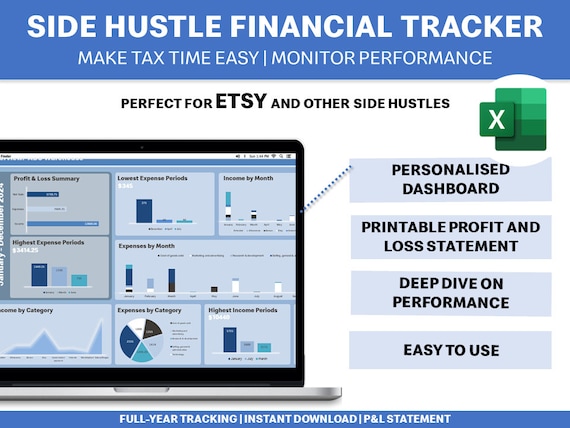
When managing finances with a side hustle, it's essential to track income and expenses separately from your primary income. This can be done by opening a separate business bank account, which will help you keep personal and business finances organized. For example, you can use accounting software like QuickBooks or Wave to categorize and record transactions.
Tracking income and expenses is crucial for tax purposes, as side hustles are subject to self-employment taxes. You'll need to report your side hustle income on your tax return and claim deductions for business expenses. It's a good idea to consult with a tax professional or accountant to ensure you're taking advantage of all eligible deductions.
To save and invest side hustle earnings, consider using a separate savings account specifically for this purpose. This will help you avoid commingling funds and make it easier to set aside a portion of your earnings for long-term goals. Some strategies for saving and investing side hustle earnings include:
- Setting aside a fixed percentage of your side hustle income each month
- Using a high-yield savings account to earn interest on your savings
- Investing in a tax-advantaged retirement account, such as a SEP-IRA
Avoiding burnout is critical when managing a side hustle, as it can be tempting to overwork yourself and neglect other areas of your life. To maintain a healthy work-life balance, set clear boundaries and prioritize self-care activities, such as exercise, meditation, or spending time with loved ones. It's also essential to schedule downtime and take breaks from your side hustle to recharge and avoid burnout.
Maintaining a healthy work-life balance requires discipline and time management skills. Consider using a calendar or planner to schedule side hustle work and personal activities, and set realistic goals for your side hustle income and growth. By prioritizing your well-being and taking a holistic approach to managing your finances, you can enjoy the benefits of a side hustle while minimizing the risks of burnout and financial stress.
Overcoming Common Challenges
When managing a side hustle, finding time to dedicate to your project can be a significant obstacle. To overcome this, consider creating a schedule that sets aside specific times for working on your side hustle, such as early mornings or weekends. By doing so, you can ensure that you're making consistent progress without compromising your other responsibilities.
Dealing with uncertainty is another common challenge that can hinder your side hustle's growth. This can include uncertainty about your target market, marketing strategies, or financial projections. Seeking support from a community of like-minded individuals, such as online forums or local networking groups, can provide valuable insights and help you navigate these uncertain waters.
Some practical solutions to common obstacles include:
- Breaking down large tasks into smaller, manageable chunks to reduce overwhelm
- Setting realistic goals and deadlines to maintain momentum
- Establishing a routine that includes time for self-care and relaxation
By prioritizing your well-being and taking care of your mental health, you can maintain the energy and motivation needed to drive your side hustle forward.
Self-care is essential when managing a side hustle, as it can be emotionally and physically demanding. This can include activities such as exercise, meditation, or spending time with loved ones. By prioritizing your mental health and taking breaks when needed, you can avoid burnout and maintain a healthy work-life balance.
Ultimately, overcoming common challenges requires a combination of planning, support, and self-care. By being proactive and seeking help when needed, you can navigate the ups and downs of managing a side hustle and achieve your financial goals. With persistence and dedication, you can turn your side hustle into a successful and sustainable source of income.

Long-Term Financial Planning
As a graduate, it's essential to think about long-term financial planning to secure your future. Having a side hustle can significantly contribute to achieving long-term financial goals, such as retirement or buying a home, by providing an additional source of income. This extra income can be allocated towards savings, investments, or debt repayment, helping you reach your goals faster.
One of the most effective ways to utilize side hustle earnings is by investing them in a tax-advantaged account, such as a Roth IRA. This type of account allows you to contribute after-tax dollars, which can then grow tax-free, providing a significant boost to your retirement savings. For example, if you earn $1,000 per month from your side hustle and contribute $500 to a Roth IRA, you can potentially save thousands of dollars in taxes over the years.
When it comes to investing side hustle earnings, there are several strategies to consider, including:
- Investing in a small business or startup, which can provide a potential for high returns, but also comes with higher risks
- Using a micro-investing app, which allows you to invest small amounts of money into a diversified portfolio
- Investing in real estate, such as a rental property or real estate investment trust (REIT)
These options can help you grow your wealth over time and achieve your long-term financial goals.
Regularly reviewing and adjusting your financial plan is crucial to achieving long-term success. This involves tracking your income and expenses, monitoring your investments, and making adjustments as needed. For instance, you may need to adjust your investment portfolio or contribution amounts to ensure you're on track to meet your goals. By doing so, you can stay focused on your objectives and make progress towards securing your financial future.
To make the most of your side hustle earnings, consider setting aside a specific amount each month for long-term investments. This could be as simple as transferring $100 to a savings account or investment portfolio each month. Over time, these small contributions can add up, helping you build a substantial nest egg and achieve your long-term financial goals, such as buying a home or retiring comfortably.

Frequently Asked Questions (FAQ)
What are some popular side hustles for young adults?
As a young adult, having a side hustle can be a great way to earn some extra money, gain new skills, and explore your passions. Popular side hustles include freelancing, where you can offer services like writing, designing, or programming to clients. This can be done through platforms like Upwork or Fiverr, which connect freelancers with potential clients.
Selling products online is another popular side hustle, and can be done through platforms like eBay, Amazon, or Etsy. You can sell items you no longer need, or source products to resell for a profit. For example, you could start by decluttering your room and selling items you no longer use or need.
Participating in the gig economy is also a popular side hustle, where you can sign up to be a delivery driver, pet sitter, or house sitter. Some popular gig economy platforms include Uber, Lyft, and TaskRabbit. Here are some other side hustles you might consider:
- Virtual assistant: offer administrative or technical services to clients
- Tutoring or teaching: use online platforms to teach languages, subjects, or skills
- Selling handmade goods: use platforms like Redbubble or Zazzle to sell handmade products
These side hustles can be a great way to earn some extra money, and can also provide valuable experience and skills. When choosing a side hustle, consider your interests, skills, and availability, and start small to see what works best for you. With a little creativity and effort, you can turn your side hustle into a successful and fulfilling venture.
How can I balance a side hustle with a full-time job?
When it comes to managing a side hustle alongside a full-time job, setting clear boundaries is essential. This means designating specific times for your side hustle and sticking to them, to avoid conflicts with your primary job. For instance, you might dedicate your weekends or a few hours each evening to your side hustle.
To maintain your physical and mental well-being, prioritizing self-care is crucial. This can involve activities such as exercise, meditation, or spending time with loved ones, which help you recharge and reduce stress. By making self-care a priority, you can ensure that you have the energy and focus needed to excel in both your full-time job and side hustle.
Creating a schedule that works for you is also vital to achieving a balance between your side hustle and full-time job. This can involve using a planner, calendar, or app to stay organized and keep track of your commitments. Some key things to consider when creating your schedule include:
- Setting realistic goals and deadlines for your side hustle
- Leaving some buffer time for unexpected tasks or emergencies
- Making time for relaxation and leisure activities to avoid burnout
By following these tips and finding a rhythm that works for you, you can successfully balance your side hustle with your full-time job and achieve your financial goals. It's all about being intentional with your time, taking care of yourself, and staying focused on what you want to achieve. With patience and persistence, you can turn your side hustle into a profitable venture that brings you financial freedom and fulfillment.
What are the tax implications of having a side hustle?
As a side hustler, it's essential to understand the tax implications of your extra income. Having a side hustle may require paying self-employment taxes, which can be a significant addition to your tax bill. For example, if you earn $1,000 per month from your side hustle, you may need to pay around 15% in self-employment taxes.
To navigate the tax implications of your side hustle, you'll need to keep accurate records of your income and expenses. This includes tracking every payment you receive, as well as any expenses related to your side hustle, such as equipment, supplies, or travel costs. By keeping detailed records, you can ensure you're taking advantage of all the deductions you're eligible for.
Here are some key tax-related tasks to consider when you have a side hustle:
- Set aside money for taxes each month, to avoid a large tax bill at the end of the year
- Keep receipts and records of all business-related expenses, to claim deductions on your tax return
- Consider consulting with a tax professional, to ensure you're meeting all your tax obligations
In addition to keeping accurate records, you'll also need to file additional tax forms, such as the Schedule C (Form 1040), which is used to report income and expenses from your side hustle. You may also need to make estimated tax payments each quarter, to avoid penalties and interest. By staying on top of your tax obligations, you can minimize your tax liability and keep more of your hard-earned money.