As a young adult, managing finances can be overwhelming, especially when it seems like everyone around you is making extra money through a side hustle. However, not everyone has the time or energy to dedicate to a part-time job or freelancing. Fortunately, there are still ways to build wealth without relying on a side hustle, and it starts with developing healthy financial habits.
Creating a budget and tracking expenses is a great place to begin, as it helps identify areas where money can be saved. For example, cutting back on daily coffee purchases or canceling unused subscription services can free up a significant amount of money each month. This money can then be invested or put towards long-term savings goals.
Some key strategies for building wealth without a side hustle include:
- Investing in a retirement account, such as a 401(k) or IRA, to take advantage of compound interest
- Pay off high-interest debt, such as credit card balances, to free up more money in your budget
- Building an emergency fund to cover unexpected expenses and avoid going into debt
By implementing these strategies, young adults can set themselves up for long-term financial success, even without the extra income from a side hustle.
It's also important to note that building wealth is a marathon, not a sprint, and it's essential to be patient and consistent with your financial plan. By making small changes to your daily habits and staying committed to your goals, you can create a brighter financial future for yourself. Whether you're just starting out or looking to improve your current financial situation, the key is to take it one step at a time and stay focused on your objectives.

Understanding the Wealth Formula
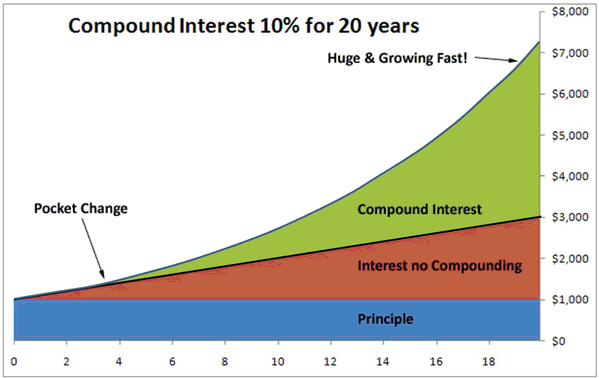
The concept of compound interest is a crucial aspect of the wealth formula, as it allows investors to earn interest on both their initial investment and any accrued interest over time. This means that even small, consistent investments can lead to significant wealth creation, given enough time. By harnessing the power of compound interest, individuals can build wealth without necessarily needing to make large investments.
To illustrate this point, consider the example of a recent graduate who starts investing $100 per month into a retirement account, earning an average annual return of 7%. Over the course of 40 years, this small monthly investment can grow into a substantial nest egg, thanks to the compounding effect of interest. By starting early and being consistent, this individual can set themselves up for long-term financial success.
The key to making the most of compound interest is to adopt a long-term vision and be patient, as wealth creation is a gradual process. It's essential to resist the temptation to withdraw funds or make impulsive investment decisions, and instead focus on steady, consistent progress. Some practical tips for achieving this include:
- Setting clear financial goals and creating a tailored investment plan
- Automating investments to ensure consistency and discipline
- Regularly reviewing and adjusting your investment portfolio to optimize returns
By following these principles and staying committed to a long-term strategy, individuals can unlock the full potential of the wealth formula and achieve significant financial gains over time. It's also important to remember that compound interest works in both directions, so it's essential to pay off high-interest debt and avoid letting it accumulate. With patience, discipline, and a solid understanding of compound interest, anyone can set themselves on the path to lasting financial prosperity.
In terms of specific investment options, there are many choices available that can help individuals take advantage of compound interest. These include:
- Index funds or ETFs, which offer broad diversification and low fees
- Dividend-paying stocks, which can provide a regular income stream and potential for long-term growth
- Retirement accounts, such as 401(k) or IRA, which offer tax benefits and compounding potential
Ultimately, the wealth formula is a powerful tool for building lasting financial security, and it's accessible to anyone who is willing to put in the time and effort to learn and apply its principles. By starting small, being consistent, and staying patient, individuals can harness the power of compound interest and achieve their long-term financial goals.
Investing for Wealth Creation
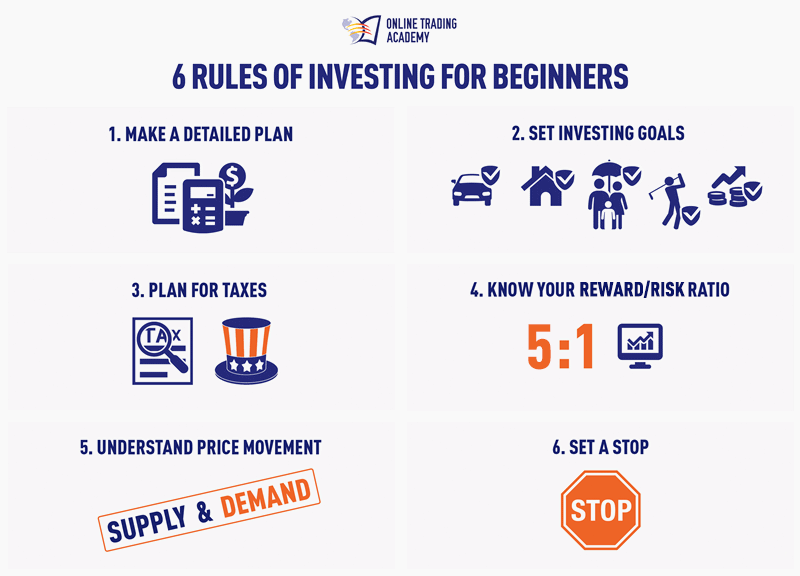
Investing in a diversified portfolio of stocks, bonds, and other assets is a key strategy for wealth creation. By spreading your investments across different asset classes, you can reduce risk and increase potential returns over the long term. For example, a portfolio that includes a mix of low-risk bonds and higher-risk stocks can provide a balance of stability and growth.
To get started with investing, you'll need to choose a brokerage account that meets your needs. This can be a daunting task, but most online brokerages offer similar features and fees. When selecting a brokerage account, consider factors such as account minimums, trading fees, and investment options.
Some popular brokerage accounts for beginners include Fidelity, Vanguard, and Robinhood. Once you've chosen a brokerage account, you can set up a monthly investment plan to make regular deposits and investments. This can be as simple as setting up an automatic transfer from your checking account to your brokerage account.
Here are some tips for minimizing investment fees and maximizing returns:
- Choose index funds or ETFs, which typically have lower fees than actively managed funds
- Avoid frequent buying and selling, as this can result in higher trading fees and taxes
- Take advantage of tax-advantaged accounts such as 401(k) or IRA
- Reinvest dividends and interest to benefit from compounding growth
By following these tips and starting to invest early, you can set yourself up for long-term financial success and wealth creation. It's also important to remember that investing is a marathon, not a sprint, and that patience and discipline are key to achieving your financial goals.
As you begin your investing journey, it's essential to educate yourself on the different types of investments and their associated risks and rewards. You can find a wealth of information online, including articles, videos, and podcasts, to help you make informed investment decisions. Additionally, consider consulting with a financial advisor or using online resources such as investing apps and forums to stay up-to-date on market trends and investment strategies.
Budgeting for Wealth
Creating a budget that accounts for savings and investment goals is essential for achieving long-term financial stability. By prioritizing needs over wants, individuals can make conscious spending decisions that align with their financial objectives. For instance, distinguishing between essential expenses, such as rent and utilities, and discretionary spending, like dining out or entertainment, can help allocate income more effectively.
To prioritize needs over wants, it's crucial to assess individual financial situations and make adjustments accordingly. This involves evaluating income, expenses, and financial goals to determine the best allocation of resources. By doing so, individuals can ensure they're making the most of their hard-earned money and setting themselves up for future success.
The 50/30/20 rule serves as a useful framework for allocating income towards necessary expenses, discretionary spending, and savings. This rule suggests that:
- 50% of income should go towards necessary expenses, such as housing, food, and transportation
- 30% towards discretionary spending, like hobbies, travel, or entertainment
- 20% towards savings and debt repayment, including emergency funds, retirement accounts, or paying off high-interest loans
This framework provides a starting point for creating a balanced budget that supports both short-term needs and long-term financial goals.
By following the 50/30/20 rule and making conscious spending decisions, individuals can develop healthy financial habits that promote wealth accumulation over time. For example, automating savings and investment contributions can help ensure consistent progress towards financial objectives, even for those who are new to budgeting and investing. By taking control of their finances and making informed decisions, individuals can set themselves up for long-term success and achieve their wealth-building goals.

Avoiding Debt and Building Credit
High-interest debt can have a devastating impact on your financial health and wealth creation. When you're paying high interest rates on debt, it can be challenging to make progress on your financial goals, such as saving for a down payment on a house or retirement. For example, if you have a credit card balance of $2,000 with an interest rate of 20%, you could end up paying over $400 in interest alone over the course of a year.
To pay off debt quickly, consider using the snowball or avalanche method. The snowball method involves paying off debts with the smallest balances first, while the avalanche method involves paying off debts with the highest interest rates first. Both methods can be effective, but it's essential to choose the one that works best for your financial situation and personality.
Here are some strategies for paying off debt:
- Pay more than the minimum payment on your debts each month to reduce the principal balance and interest paid over time
- Consider consolidating debt into a lower-interest loan or credit card
- Use the 50/30/20 rule to allocate your income towards necessities, discretionary spending, and debt repayment
By following these strategies, you can pay off debt quickly and start building wealth.
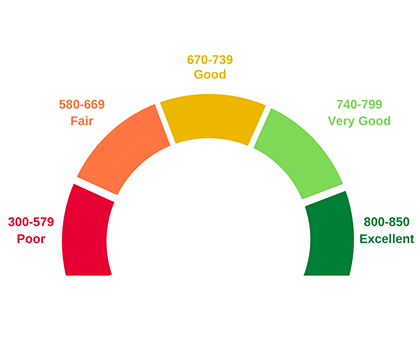
Building and maintaining a good credit score is also crucial for financial health. Your credit score is based on your payment history, credit utilization, and other factors, and it can affect your ability to get approved for loans and credit cards. To build a good credit score, make sure to pay your bills on time, keep credit utilization below 30%, and monitor your credit report for errors.
To maintain a good credit score, it's essential to continue practicing good credit habits, such as making on-time payments and keeping credit utilization low. You can also consider monitoring your credit score regularly to track your progress and identify areas for improvement. By following these tips, you can build and maintain a good credit score, which can help you achieve your long-term financial goals.
Staying on Track and Avoiding Pitfalls
Creating wealth is a long-term process that requires discipline, patience, and perseverance. One of the most significant challenges to building wealth is avoiding common pitfalls that can derail your progress. Lifestyle inflation, for instance, can be a major obstacle, where increasing income leads to increased spending rather than saving and investing.
Market volatility is another significant challenge that can impact wealth creation. It's essential to have a well-diversified portfolio and a long-term perspective to navigate market fluctuations. By doing so, you can avoid making impulsive decisions based on short-term market movements and stay focused on your financial goals.
To stay motivated and focused on your long-term financial goals, it's crucial to set clear objectives and track your progress regularly. You can use budgeting apps or spreadsheets to monitor your income and expenses, and make adjustments as needed. Additionally, celebrating small milestones along the way can help you stay motivated and encouraged to continue working towards your goals.
Some common financial pitfalls to watch out for include:
- Get-rich-quick schemes that promise unusually high returns with little risk
- Investing in unproven or unregulated investment products
- Falling for phishing scams or other types of financial fraud
It's essential to be cautious and do your research before investing in any product or service, and to never invest more than you can afford to lose.
Staying informed and educated is key to avoiding financial pitfalls. You can start by reading personal finance books, attending seminars, or following reputable financial blogs. By expanding your knowledge and skills, you can make more informed decisions and avoid costly mistakes. For example, learning about the importance of emergency funds and retirement savings can help you prioritize your financial goals and make progress towards achieving them.
Ultimately, creating wealth is a marathon, not a sprint. It requires a long-term perspective, discipline, and patience. By avoiding common pitfalls, staying motivated and focused, and continually learning and improving, you can set yourself up for success and achieve your financial goals.

Frequently Asked Questions (FAQ)
Do I need a side hustle to create wealth?
Creating wealth is a long-term goal that requires patience, discipline, and a solid financial plan. Having a side hustle can be beneficial, but it's not the only way to achieve financial success. By focusing on saving, investing, and managing debt, you can set yourself up for wealth creation without the need for a side hustle.
Living below your means and investing wisely can help you build wealth over time. For example, taking advantage of tax-advantaged retirement accounts, such as a 401(k) or IRA, can help your money grow faster. Additionally, investing in a diversified portfolio of stocks, bonds, and other assets can provide a relatively stable source of long-term growth.
That being said, having a side hustle can certainly accelerate your wealth creation journey. Some benefits of a side hustle include:
- Increased income, which can be used to pay off debt or invest in assets
- Improved skills and networking opportunities, which can lead to new career opportunities
- Diversified income streams, which can reduce financial risk and increase overall wealth
By evaluating your financial goals and priorities, you can determine whether a side hustle is right for you, or if focusing on traditional wealth creation strategies is a better fit.
It's also important to consider your financial foundation before starting a side hustle. This includes having a stable emergency fund, managing debt, and understanding your investment options. By building a solid financial base, you can create a foundation for long-term wealth creation, with or without a side hustle.
How long does it take to create wealth using the silent wealth formula?
Wealth creation is a journey that requires dedication and perseverance. It's essential to understand that building wealth doesn't happen overnight, but rather over a period of years, or even decades. By adopting a long-term mindset, you can set yourself up for success and make steady progress towards your financial goals.
One of the key factors in creating wealth is patience, as it allows you to ride out market fluctuations and avoid making impulsive decisions. Discipline is also crucial, as it enables you to stick to your investment strategy and avoid getting caught up in get-rich-quick schemes. Consistency is another vital element, as it helps you build wealth gradually over time through regular investing and saving.
To give you a better idea of what this looks like in practice, consider the following tips:
- Start by setting clear financial goals, such as saving for a down payment on a house or retirement
- Develop a budget that accounts for all your expenses and allocates a portion of your income towards savings and investments
- Take advantage of tax-advantaged accounts, such as 401(k) or IRA, to optimize your investment returns
By following these tips and maintaining a long-term perspective, you can create a solid foundation for building wealth over time.
It's also important to remember that wealth creation is a personal journey, and what works for someone else may not work for you. It's essential to find an investment strategy that aligns with your risk tolerance, financial goals, and values. With patience, discipline, and consistency, you can make steady progress towards creating wealth and achieving financial freedom.
Creating wealth is not a short-term endeavor, but rather a long-term process that requires commitment and perseverance. By understanding this and adopting a patient, disciplined, and consistent approach, you can set yourself up for success and make significant progress towards your financial goals over time.
What is the most important factor in creating wealth?
When it comes to building wealth, many people think it's about making a lot of money or getting lucky with investments. However, the truth is that creating wealth is often the result of a long-term plan and consistent effort. By starting early and making regular investments, you can set yourself up for financial success over time.
One of the most powerful factors in creating wealth is the concept of compound interest. This is where your investments earn interest, and then that interest earns interest, and so on. For example, if you start saving $100 per month at age 25, you could have a significant nest egg by the time you retire, simply due to the power of compound interest.
To get started with building wealth, consider the following key habits:
- Set clear financial goals, such as saving for a down payment on a house or retirement
- Create a budget and track your spending to ensure you're making progress towards your goals
- Start investing regularly, even if it's just a small amount each month
By following these habits and staying consistent, you can set yourself up for long-term financial success.
Starting early and being consistent are key factors in creating wealth over time. This is because the earlier you start investing, the more time your money has to grow. For instance, if you start investing $500 per month at age 30, you'll have more time to accumulate wealth than if you start at age 40. By prioritizing your financial goals and making regular investments, you can create a brighter financial future for yourself.