As a young adult, managing finances can be overwhelming, but taking control of your financial future is crucial for long-term stability and success. The 31-day wealth challenge is designed to help you develop healthy financial habits and a deeper understanding of personal finance. By committing to this challenge, you'll be taking the first step towards securing your financial future.
The purpose of the challenge is to provide a structured and achievable plan for young adults to improve their financial literacy and start building wealth. This challenge will cover a range of topics, from budgeting and saving to investing and debt management. By the end of the 31 days, you'll have a clear understanding of how to manage your finances effectively and make informed decisions about your money.
Some of the benefits of the challenge include:
- Improved financial literacy and knowledge of personal finance concepts
- Developing healthy financial habits, such as regular saving and budgeting
- Reducing debt and improving credit scores
- Increasing income and building wealth over time
By following the challenge, you'll be able to track your progress, stay motivated, and make positive changes to your financial situation. Whether you're looking to pay off student loans, build an emergency fund, or start investing, the 31-day wealth challenge is a great place to start.
The challenge is designed to be flexible and adaptable to your individual financial situation and goals. You'll be able to set your own targets and work at your own pace, with support and guidance provided throughout the 31 days. With commitment and dedication, you can achieve significant improvements in your financial situation and set yourself up for long-term success.

Understanding Your Financial Health
To get a sense of where you stand financially, it's essential to calculate your net worth. This is done by subtracting your liabilities from your assets, giving you a clear picture of your current financial standing. For instance, if you have $10,000 in savings and $5,000 in debt, your net worth would be $5,000.
Tracking your income and expenses is another crucial step in understanding your financial health. By monitoring where your money is coming from and where it's going, you can identify areas for improvement in your budget. This can be as simple as writing down every purchase you make in a notebook or using an app to categorize your spending.
To make the most of this information, it's helpful to set clear financial goals. These goals can include things like:
- Saving for an emergency fund to cover 3-6 months of living expenses
- Paying off high-interest debt, such as credit card balances
- Building up your savings for long-term goals, like a down payment on a house
Having specific targets in mind will help guide your financial decisions and give you a sense of direction.
By regularly reviewing your financial progress and making adjustments as needed, you can stay on track and work towards achieving your goals. This might involve cutting back on unnecessary expenses, finding ways to increase your income, or exploring new investment opportunities. Over time, this process will help you develop healthy financial habits and improve your overall financial well-being.

Budgeting Strategies for Success
To achieve financial stability, it's essential to have a solid plan in place. Implementing the 50/30/20 rule is a great starting point, where you allocate 50% of your income towards necessities like rent, utilities, and groceries. This simple rule helps create a balance between spending and saving.
Necessities can vary from person to person, but generally include expenses like housing, food, and transportation. Discretionary spending, on the other hand, includes entertainment, hobbies, and travel. By allocating 30% of your income towards discretionary spending, you can enjoy some flexibility and freedom in your budget.
To make the most of your budget, consider using budgeting apps like Mint or You Need a Budget to track your spending and stay on top of your finances. These apps can help you identify areas where you can cut back and make conscious spending decisions. Some key features to look for in a budgeting app include:
- Automated expense tracking
- Customizable budgeting categories
- Bill reminders and payment tracking
Prioritizing needs over wants is crucial to making conscious spending decisions. Take a closer look at your expenses and ask yourself if each purchase is a necessity or a want. For example, do you need to dine out every night, or can you cook at home and save some money? By prioritizing your needs, you can allocate 20% of your income towards saving and debt repayment, setting yourself up for long-term financial success.
By following these budgeting strategies, you can take control of your finances and achieve your goals. Remember to review and adjust your budget regularly to ensure you're on track and make any necessary changes. With time and practice, budgeting will become second nature, and you'll be well on your way to financial freedom.

Paying Off Debt and Building Credit
Taking control of your finances starts with tackling debt and establishing a good credit score. To begin, create a debt repayment plan that outlines all your debts, including the balance, interest rate, and minimum payment for each. This will help you visualize your financial situation and make informed decisions about how to proceed.
When developing your plan, focus on high-interest debts first, such as credit card balances, as they can quickly add up and cost you more in the long run. For example, if you have a credit card with an 18% interest rate and a $2,000 balance, consider allocating a larger portion of your monthly payment towards this debt. By doing so, you can save money on interest charges and pay off the principal amount faster.
Another strategy to consider is consolidating debt into a lower-interest loan or credit card. This can simplify your payments and reduce the amount of interest you owe over time. To illustrate, if you have multiple credit cards with high interest rates, you might consolidate them into a single personal loan with a lower interest rate, such as 6% or 8%.
Some key tips to keep in mind when paying off debt and building credit include:
- Making on-time payments to demonstrate responsible credit behavior
- Keeping credit utilization below 30% to show lenders you can manage your debt
- Monitoring your credit report to ensure it's accurate and up-to-date
By following these guidelines and staying committed to your debt repayment plan, you can build a stronger credit profile and improve your overall financial health.
As you work towards becoming debt-free, remember that building credit is an ongoing process. By making consistent, on-time payments and maintaining a low credit utilization ratio, you can establish a positive credit history and enjoy better loan terms and lower interest rates in the future. With patience, discipline, and the right strategies, you can achieve financial stability and secure a brighter financial future.

Investing and Growing Your Wealth
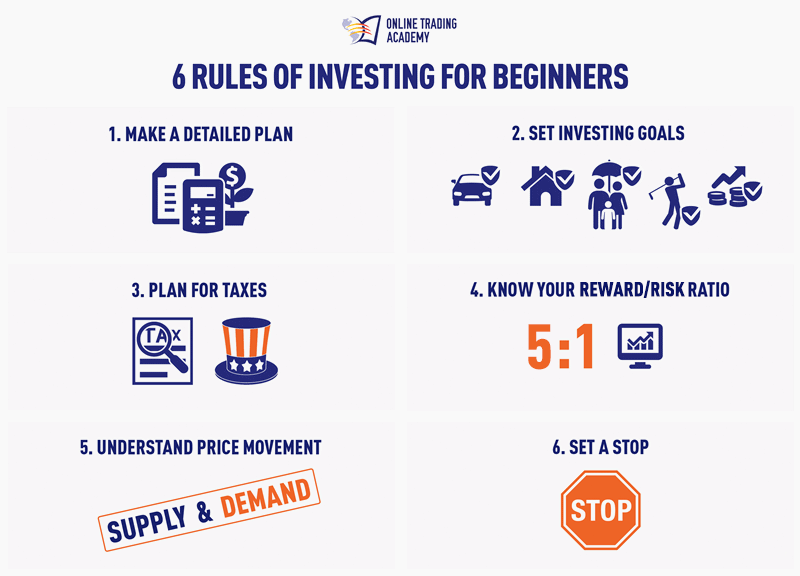
When it comes to building wealth, investing is a crucial step to take. Starting early and consistently investing in a retirement account, such as a Roth IRA, can make a significant difference in your long-term financial security. For example, contributing just $100 per month to a Roth IRA from age 25 to 65 can result in a substantial nest egg.
To get started with investing, it's essential to explore low-cost options that align with your financial goals. Low-cost index funds or ETFs are excellent choices for long-term investing, as they provide broad diversification and tend to have lower fees compared to actively managed funds. By investing in a total stock market index fund, you can gain exposure to a wide range of assets with minimal effort.
In addition to traditional investments, consider alternative options to diversify your income streams. Some popular alternatives include:
- Real estate investing, such as purchasing a rental property or investing in a real estate investment trust (REIT)
- Starting a side hustle, like freelancing or selling products online, to generate additional income
- Investing in a small business or peer-to-peer lending platform
These alternatives can help you spread risk and potentially increase your overall returns, but it's crucial to do your research and understand the associated risks and rewards.
As you begin investing and growing your wealth, it's essential to maintain a long-term perspective and avoid getting caught up in short-term market fluctuations. By staying informed, setting clear financial goals, and being patient, you can make progress toward achieving financial independence and securing your financial future. Remember to regularly review and adjust your investment portfolio to ensure it remains aligned with your goals and risk tolerance.
Maintaining Financial Discipline
To achieve long-term financial stability, it's essential to establish a routine of regular financial check-ins. Schedule a monthly or quarterly review of your budget and progress to ensure you're on track with your goals. This practice helps identify areas for improvement and allows for adjustments to be made as needed.
Regular financial check-ins can be as simple as reviewing your bank statements, tracking expenses, and comparing them to your budget. You can also use this opportunity to assess your debt repayment progress and make adjustments to your strategy. For instance, you can use the 50/30/20 rule as a guideline to allocate your income towards necessities, discretionary spending, and savings.
Another crucial aspect of maintaining financial discipline is avoiding lifestyle inflation. As your income increases, it's tempting to upgrade your lifestyle by spending more on luxuries. Instead, direct excess funds towards savings and debt repayment to build a safety net and secure your financial future.
Here are some ways to avoid lifestyle inflation:
- Automate your savings and debt repayment to ensure consistent progress
- Set aside a portion of your income for long-term investments, such as a retirement fund or emergency fund
- Use the excess funds to pay off high-interest debts, such as credit card balances or personal loans
Staying informed about personal finance is vital to improving your financial literacy. Continuously learning about various financial topics, such as investing, budgeting, and money management, helps you make informed decisions about your financial resources. You can find a wealth of information online, including blogs, podcasts, and online courses, to help you stay up-to-date with the latest financial trends and strategies.

Frequently Asked Questions (FAQ)
What is the best way to track my expenses?
To get a clear picture of your spending habits, it's essential to track every transaction, no matter how small. Using a budgeting app or spreadsheet can make this process easier and more efficient. By logging every purchase, from coffee to rent, you'll be able to identify areas where you can cut back and make adjustments to achieve your financial goals.
There are many budgeting apps available that can help you track your expenses, such as Mint, You Need a Budget (YNAB), and Personal Capital. These apps allow you to link your bank accounts and credit cards, making it easy to log every transaction. You can also set budgeting goals and receive alerts when you go over budget.
If you prefer a more manual approach, using a spreadsheet can be a great way to track your expenses. You can create columns for date, category, and amount, and fill in each transaction as you make it. Some popular spreadsheet options include Google Sheets and Microsoft Excel.
Here are some tips for using a budgeting app or spreadsheet:
- Set aside time each week to review your transactions and update your budget
- Use categories to group similar expenses, such as housing, transportation, and food
- Make sure to include irregular expenses, such as car maintenance and property taxes
By following these tips and using a budgeting app or spreadsheet, you'll be able to track your expenses effectively and make informed decisions about your money. This will help you stay on top of your finances and achieve your long-term goals.
How do I prioritize my debts for repayment?
When it comes to managing multiple debts, it can be overwhelming to decide which ones to tackle first. A good rule of thumb is to focus on paying off high-interest debts first, while making minimum payments on other debts. This approach can help you save money on interest charges and pay off your debts more efficiently.
To get started, make a list of all your debts, including credit cards, loans, and other financial obligations. Then, prioritize them based on their interest rates, with the highest-interest debts at the top. For example, if you have a credit card with an 18% interest rate and a student loan with a 6% interest rate, you should prioritize the credit card debt first.
Here are some tips to help you prioritize your debts:
- Make a list of all your debts, including the balance, interest rate, and minimum payment due
- Sort your debts by interest rate, with the highest-interest debts first
- Consider consolidating multiple debts into a single loan with a lower interest rate
By following these steps, you can create a debt repayment plan that works for you and helps you achieve financial stability. Remember to always make minimum payments on all your debts to avoid late fees and penalties.
In addition to prioritizing high-interest debts, it's also important to consider the emotional and psychological benefits of paying off certain debts. For instance, if you have a small debt with a low balance, you may want to pay it off first to get a sense of accomplishment and momentum. Ultimately, the key is to find a debt repayment strategy that works for you and helps you stay motivated to achieve your financial goals.
What are some easy ways to start investing with little money?
When it comes to investing, many people assume that they need a significant amount of money to get started. However, this is not the case, and there are several easy ways to start investing with little money. Consider micro-investing apps or fractional share investing, which allow you to invest small amounts of money into a variety of assets.
Micro-investing apps are a great option for beginners, as they often have low or no fees and require minimal investment amounts. For example, apps like Acorns or Stash allow you to invest as little as $5 into a diversified portfolio. This makes it easy to get started and begin building wealth over time.
Some popular micro-investing apps and fractional share investing platforms include:
- Acorns: invest spare change into a diversified portfolio
- Stash: invest small amounts into a variety of ETFs and stocks
- Robinhood: invest in fractional shares of popular stocks and ETFs
These platforms make it easy to start investing with little money and can help you develop a long-term investing habit.
To get started, simply download one of these apps, fund your account with a small amount of money, and begin investing in a diversified portfolio. You can also set up automatic transfers to invest a fixed amount of money at regular intervals, making it easy to build wealth over time. By starting small and being consistent, you can make progress towards your financial goals.