As a graduate, managing your federal student loans can be overwhelming, especially with the various repayment options available. The Department of Education currently handles these loans, but there have been proposals to transfer them to the Small Business Administration. This potential change raises important questions about the impact on borrowers.
The idea of transferring federal student loans to the Small Business Administration may seem unusual, as the SBA primarily focuses on supporting small businesses. However, some argue that the SBA's expertise in loan management could benefit student loan borrowers. For instance, the SBA's experience with loan consolidation and forgiveness programs could be applied to federal student loans.
Some potential risks of this transfer include changes to loan repayment terms, interest rates, and forgiveness programs. For example, borrowers who are currently enrolled in income-driven repayment plans may face changes to their monthly payments or eligibility. To understand these risks, consider the following:
- Loan consolidation options and their potential effects on interest rates
- Changes to Public Service Loan Forgiveness and other forgiveness programs
- Potential impacts on borrowers' credit scores and financial stability
It's essential for borrowers to stay informed about any developments related to the potential transfer of federal student loans. By understanding the potential risks and benefits, graduates can make informed decisions about their loan repayment strategies and plan for their financial future. In this article, we'll delve into the details of this proposed change and explore what it could mean for federal student loan borrowers.
Understanding the Proposed Shift
The Department of Education currently plays a significant role in managing federal student loans, overseeing the application, approval, and repayment process. This includes handling borrower inquiries, processing loan applications, and collecting payments. For instance, the Department of Education's online portal allows borrowers to access their loan information, make payments, and apply for income-driven repayment plans.
Transferring the responsibility of managing federal student loans to the Small Business Administration could have significant implications for borrowers. The Small Business Administration's primary focus is on supporting small businesses, so it may not have the same level of expertise in managing student loans. This shift could lead to changes in the student loan process, including how applications are evaluated and approved.
The potential implications of this shift on the student loan process are far-reaching. For example, the application process may become more streamlined, with the Small Business Administration leveraging its experience in processing small business loans to simplify the student loan application process. However, this could also lead to a lack of specialized support for student borrowers, who may require more guidance and resources to navigate the repayment process.
Some potential benefits of involving the Small Business Administration in federal student loan management include:
- Streamlined application and approval processes, potentially reducing processing times and making it easier for borrowers to access funds
- Increased focus on borrower financial literacy and education, which could help borrowers make more informed decisions about their loans
- More flexible repayment options, potentially including income-driven repayment plans or loan forgiveness programs
However, there are also potential drawbacks to consider, including:
- Lack of expertise in student loan management, which could lead to delays or errors in processing borrower inquiries and payments
- Insufficient support for borrower inquiries and concerns, potentially leading to frustration and dissatisfaction among borrowers
- Conflicting priorities, as the Small Business Administration may need to balance its focus on supporting small businesses with its new role in managing federal student loans
Ultimately, the success of this proposed shift will depend on the Small Business Administration's ability to adapt to its new role and provide effective support to student borrowers. Borrowers should stay informed about any changes to the student loan process and be prepared to advocate for their needs and concerns. By doing so, they can help ensure a smooth transition and continue to access the funds they need to pursue their educational goals.

Impact on Borrowers and Repayment
When a transfer occurs in the student loan system, it can have significant implications for borrowers. One key area of concern is the potential impact on interest rates, as changes to the system could lead to increases or decreases in the rates borrowers pay. For example, if interest rates rise, borrowers may see an increase in their monthly payments, making it more challenging to manage their debt.
Repayment terms are another crucial aspect to consider, as any changes to the system could affect the length of time borrowers have to repay their loans. This, in turn, can influence the total amount of interest paid over the life of the loan. Borrowers should be aware of any changes to repayment terms and adjust their budgets accordingly to avoid defaulting on their loans.
Borrower protections are also essential to examine, particularly in the context of federal student loans. These protections can include features like deferment and forbearance options, which allow borrowers to temporarily suspend or reduce their payments. It is crucial for borrowers to understand how any changes to the system might affect these protections and plan accordingly.
Some of the key aspects to consider include:
- Income-driven repayment plans, which tie monthly payments to a borrower's income and family size
- Public Service Loan Forgiveness programs, which offer loan forgiveness to borrowers working in certain public service jobs
- Clear communication and borrower education, which are vital in navigating any changes to the student loan system
By understanding how these aspects may be affected, borrowers can better prepare for any changes and make informed decisions about their loan repayment.
To navigate any changes to the student loan system, borrowers should prioritize clear communication and education. This can involve regularly checking their loan accounts for updates, attending borrower education sessions, or seeking guidance from financial advisors. By staying informed and proactive, borrowers can ensure they are well-equipped to manage their debt and make the most of available borrower protections.
In terms of practical tips, borrowers can take steps to prepare for potential changes by reviewing their loan documents, contacting their loan servicer with questions, and exploring available resources such as income-driven repayment plans and loan forgiveness programs. By being proactive and informed, borrowers can minimize the impact of any changes to the student loan system and achieve financial stability.

Risks and Challenges of the Shift
As the student loan landscape continues to evolve, it's essential to consider the potential risks associated with the shift. One significant concern is the increase in borrowing costs, which can lead to a heavier debt burden for students. For instance, if interest rates rise, borrowers may struggle to keep up with repayments, making it more challenging to achieve financial stability.
The reduction in borrower protections is another risk that may have a detrimental impact on students, particularly those from low-income backgrounds. This group may already be struggling to make ends meet, and less favorable loan terms can exacerbate their financial difficulties. As a result, it's crucial for policymakers to consider the potential consequences of such changes on vulnerable populations.
Implementing a significant change in student loan management is a complex task, and several challenges come with it. Logistical hurdles, such as updating systems and training staff, can be time-consuming and costly. Administrative challenges, including communicating changes to borrowers and ensuring a smooth transition, also require careful planning and execution.
Some of the key challenges of implementing such a change include:
- Regulatory hurdles, such as ensuring compliance with existing laws and regulations
- Coordinating with multiple stakeholders, including lenders, servicers, and government agencies
- Managing the impact on existing loan programs and borrowers
These challenges highlight the need for a well-planned and carefully executed transition to minimize disruptions and ensure that borrowers are not adversely affected.
The potential for increased debt and default rates among borrowers is a significant concern, particularly if loan terms become less favorable or support services are reduced. For example, if borrowers are no longer able to access income-driven repayment plans or loan forgiveness programs, they may struggle to keep up with repayments, leading to default. To mitigate this risk, it's essential to provide borrowers with clear information and support to help them navigate the changing landscape and make informed decisions about their loans.
To avoid increased debt and default rates, borrowers can take proactive steps, such as:
- Reviewing their loan terms and conditions to understand the impact of any changes
- Exploring alternative repayment options, such as income-driven plans or loan consolidation
- Seeking advice from financial advisors or student loan experts
By being aware of the potential risks and challenges, borrowers can better navigate the shifting student loan landscape and make informed decisions about their financial future.

Alternatives and Solutions for Borrowers
Managing student loan debt can be overwhelming, but there are several alternative strategies that can help. One approach is to consider consolidation, which involves combining multiple loans into a single loan with a lower interest rate and a longer repayment period. This can simplify the repayment process and reduce monthly payments.
Another option is refinancing, which involves taking out a new loan with a lower interest rate to pay off existing loans. This can be a good choice for borrowers who have improved their credit score since taking out their original loans. For example, a borrower who has a steady income and a good credit score may be able to refinance their loans and save thousands of dollars in interest over the life of the loan.
Credit counseling agencies can also provide assistance to borrowers who are struggling to manage their debt. These agencies offer free or low-cost advice and can help borrowers develop a plan to pay off their loans. Some credit counseling agencies also offer debt management plans, which can help borrowers negotiate with lenders and reduce their monthly payments.
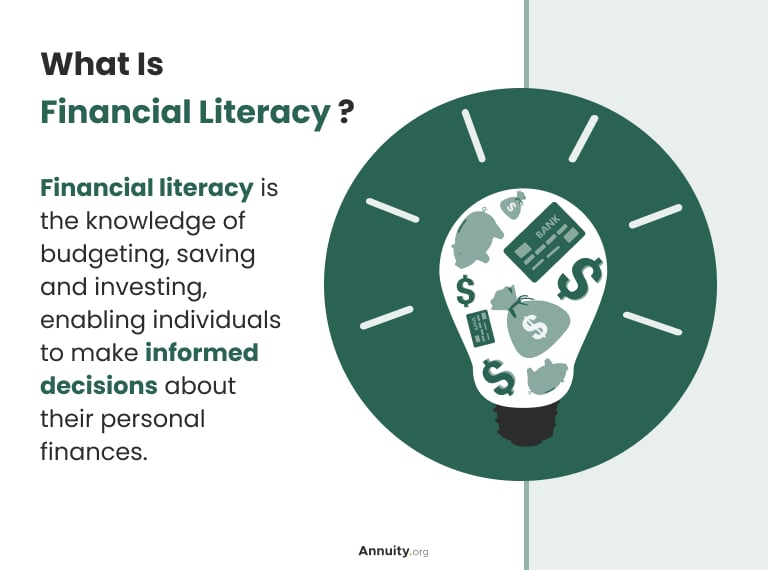
In addition to these strategies, budgeting and financial literacy are essential for mitigating the risks associated with student loans. Borrowers should create a budget that takes into account their income, expenses, and loan payments, and make adjustments as needed. Financial literacy is also crucial, as it can help borrowers understand the terms of their loans and make informed decisions about repayment.
Some key budgeting and financial literacy tips include:
- Tracking expenses to understand where money is going
- Creating a budget that prioritizes loan payments and essential expenses
- Understanding the difference between federal and private loans, and the repayment options available for each
By following these tips and seeking assistance when needed, borrowers can take control of their debt and make progress towards financial freedom.
For borrowers who want to pay off their loans more quickly, side hustles and investing can be a good option. Side hustles, such as freelancing or selling products online, can provide a extra source of income that can be used to make loan payments. Investing, such as in a retirement account or a taxable brokerage account, can also help borrowers build wealth over time and pay off their loans more quickly. For example, a borrower who starts a side hustle and earns an extra $1,000 per month can use that money to make extra loan payments and pay off their debt faster.
Investing in a retirement account, such as a 401(k) or an IRA, can also provide tax benefits and help borrowers build wealth over time. Other income-boosting strategies, such as asking for a raise at work or pursuing additional education or training, can also help borrowers manage their debt more effectively. By taking a proactive approach to managing their debt and building their income, borrowers can achieve financial stability and security.

Conclusion and Next Steps
As we wrap up our discussion on transferring federal student loans to the Small Business Administration, it's essential to recap the key takeaways. Transferring federal student loans to the SBA may have significant implications for borrowers, including potential changes to interest rates, repayment terms, and forgiveness options. For instance, borrowers may be able to take advantage of more favorable repayment terms, but they may also lose access to certain federal benefits.
Borrowers must stay informed and proactive in managing their student loan debt, regardless of the outcome. This includes regularly reviewing their loan terms, making timely payments, and exploring available repayment options. By doing so, borrowers can ensure they're making the most of their financial situation and avoiding potential pitfalls.
Some key considerations for borrowers to keep in mind include:
- Understanding the differences between federal and private loan options
- Exploring income-driven repayment plans and forgiveness programs
- Monitoring their credit score and report to ensure accuracy
These factors can have a significant impact on a borrower's financial well-being, and it's crucial to stay on top of them.
For borrowers seeking more information or assistance with their student loans, there are several resources available. The Federal Student Aid website is a great starting point, offering a wealth of information on repayment options, forgiveness programs, and more. Additionally, borrowers can reach out to their loan servicer or a financial advisor for personalized guidance and support. By taking the initiative to educate themselves and seek help when needed, borrowers can navigate the complex world of student loans with confidence.
Frequently Asked Questions (FAQ)
What are the potential benefits of the Small Business Administration managing federal student loans?
The idea of the Small Business Administration (SBA) managing federal student loans may seem unconventional, but it could bring a fresh perspective to the table. By leveraging their expertise in business development and management, the SBA could introduce more efficient and effective solutions to student loan management. This could lead to better outcomes for borrowers and the economy as a whole.
One potential benefit of SBA involvement is the application of business-oriented solutions to student loan management. For instance, the SBA could implement income-driven repayment plans that take into account a borrower's business income and expenses, providing more flexibility and affordability. This approach could be particularly beneficial for entrepreneurs and small business owners who may have irregular income streams.
Some potential advantages of SBA-managed student loans include:
- More flexible repayment terms, such as income-driven repayment plans tailored to business owners
- Access to business development resources and mentorship programs to help borrowers succeed in their careers
- Streamlined loan forgiveness programs for borrowers who start their own businesses or work in high-need fields
These benefits could make a significant difference in the lives of student loan borrowers, especially those who are pursuing entrepreneurial ventures or working in fields that are critical to the economy.
By applying business principles to student loan management, the SBA could also help borrowers develop better financial habits and planning skills. For example, borrowers could receive guidance on creating business plans, managing cash flow, and building credit, all of which are essential skills for long-term financial stability. This holistic approach to student loan management could have a positive impact on the overall financial well-being of borrowers.
How could this shift affect students from low-income backgrounds?
Students from low-income backgrounds may encounter significant challenges in pursuing higher education due to the shift in loan terms and support services. With potentially less favorable loan terms, these students may struggle to afford the rising costs of tuition, room, and board. As a result, they may need to rely on part-time jobs or scholarships to bridge the financial gap.
The reduction in support services can also have a profound impact on students from low-income backgrounds. For instance, counseling and academic advising services may be limited, making it more difficult for these students to navigate the complexities of higher education. This can lead to a higher risk of dropping out or delaying graduation, which can have long-term consequences on their career prospects.
Some of the potential barriers to accessing higher education include:
- Higher interest rates on student loans, making it more expensive to borrow money
- Reduced grant funding, forcing students to rely on loans or part-time jobs
- Limited access to resources such as tutoring, mentoring, and career counseling
To mitigate these challenges, students from low-income backgrounds can explore alternative options, such as community colleges or online courses, which may offer more affordable tuition rates and flexible scheduling. Additionally, they can seek out private scholarships or non-profit organizations that provide financial assistance and support services specifically for low-income students.
What can borrowers do to prepare for potential changes in the student loan system?
Staying informed is key to navigating potential changes in the student loan system. Borrowers should regularly check the official website of their loan servicer and the Department of Education for updates on new policies or regulations. This can help them anticipate and prepare for any changes that may affect their loan terms or repayment options.
Reviewing loan terms is another crucial step in preparing for potential changes. Borrowers should familiarize themselves with the details of their loan, including the interest rate, repayment period, and any fees associated with their loan. By understanding their loan terms, borrowers can identify areas where they may need to adjust their repayment strategy in response to changes in the student loan system.
To manage their debt effectively, borrowers should consider developing a budget and financial plan. This can involve tracking their income and expenses, creating a monthly budget, and setting aside a specific amount for loan repayments. Some practical tips for budgeting include using the 50/30/20 rule, where 50% of income goes towards necessary expenses, 30% towards discretionary spending, and 20% towards saving and debt repayment.
Borrowers can also explore alternative repayment options to manage their debt. Some strategies to consider include:
- Income-driven repayment plans, which tie monthly payments to income and family size
- Graduated repayment plans, which start with lower payments that increase over time
- Consolidation, which involves combining multiple loans into a single loan with a single interest rate and repayment term
By exploring these options and staying informed about changes in the student loan system, borrowers can take proactive steps to manage their debt and achieve financial stability.
In addition to these strategies, borrowers should also be aware of the potential benefits and drawbacks of different repayment options. For example, income-driven repayment plans may offer lower monthly payments, but may also result in paying more interest over the life of the loan. By weighing these factors and considering their individual financial situation, borrowers can make informed decisions about how to manage their debt and prepare for potential changes in the student loan system.