As a young adult, managing finances can be overwhelming, especially when living on a tight budget. One effective way to boost your income is by starting a side hustle, which can help you pay off debt, save money, and invest in your future. With the rise of the gig economy, it's easier than ever to find opportunities that fit your skills and schedule.
Many young adults have successfully turned their passions into profitable side hustles, such as freelancing, tutoring, or selling products online. For example, if you're skilled at writing, you can offer your services on freelance platforms like Upwork or Fiverr. This can help you earn extra money and build a professional portfolio.
To get started, it's essential to identify your skills and interests, and then explore ways to monetize them. Here are some popular side hustle ideas:
- Freelance writing or graphic design
- Ride-sharing or food delivery
- Selling products online through e-commerce platforms
- Tutoring or teaching English as a second language
These opportunities can help you earn a steady income and gain valuable work experience, which can be beneficial for your long-term career goals.
By maximizing your side hustle income, you can achieve financial stability and independence, which is crucial for young adults. It's essential to be proactive and take control of your finances by exploring different side hustle opportunities and finding what works best for you. With the right mindset and strategy, you can turn your side hustle into a successful and profitable venture.

Assessing Your Side Hustle
To assess your side hustle, start by evaluating the current earnings and potential growth of each job or side hustle. This involves tracking your income and expenses to understand how much you're making and how much you could potentially make in the future. For example, if you're freelancing as a writer, you might track the number of clients you have and the rate you're charging to determine your earning potential.
When assessing your side hustle, it's also important to identify skills that are in high demand and can increase your earning potential. These might include skills like coding, graphic design, or social media management. By focusing on high-demand skills, you can increase your chances of earning more money and growing your side hustle over time.
Some key skills to consider include:
- digital marketing, which can help you promote your side hustle and attract new clients
- photography, which can help you create high-quality visuals for your side hustle
- web development, which can help you build a professional website and online presence
These skills can be learned through online courses or practice, and can help you take your side hustle to the next level.
In addition to evaluating earnings and identifying in-demand skills, it's also important to consider the time commitment and opportunity cost of each side hustle. This involves thinking about how much time you have available to devote to your side hustle, and what other activities you might have to give up in order to pursue it. For example, if you have a full-time job and want to start a side hustle, you might have to give up some of your free time on weekends or evenings.
To make the most of your time, consider using a schedule or planner to track your time commitment and stay organized. This can help you prioritize your side hustle and make sure you're using your time effectively. By evaluating your time commitment and opportunity cost, you can make informed decisions about which side hustles to pursue and how to allocate your time.

Investing in Yourself
Investing in yourself is one of the most valuable investments you can make, as it can lead to increased earning potential and new opportunities. By developing new skills, you can boost your value in your current or future side hustles, making you more competitive in the job market. For example, learning a new programming language or digital marketing skill can open doors to higher-paying freelance work or full-time employment.
To get started, consider taking online courses or attending workshops to learn new skills that are in demand. You can also practice and build a portfolio of your work to showcase your abilities to potential clients or employers. This will help you stand out from the competition and demonstrate your expertise.
Building a personal brand or online presence is also essential for attracting higher-paying clients or opportunities. This can be achieved by creating a professional website or social media profiles that showcase your skills and services. Some key elements to include are:
- a clear and concise description of your services
- testimonials from previous clients or employers
- a portfolio of your work or relevant projects
By having a solid online presence, you can establish yourself as an expert in your field and attract new opportunities.
Creating digital products or services can also generate passive income, allowing you to earn money while you sleep. This can include creating and selling online courses, ebooks, or software products that solve a problem or meet a need in your industry. For instance, if you have expertise in a particular area, you can create an online course teaching others your skills, and sell it on platforms like Udemy or Skillshare.
To succeed in creating digital products or services, it's essential to validate your ideas and understand your target market. This involves researching your competition, identifying gaps in the market, and creating products that meet the needs of your audience. By doing so, you can create a steady stream of passive income and build a sustainable business that generates revenue over time.

Diversifying Income Streams
Diversifying your income streams can be a game-changer for achieving financial stability and freedom. By exploring alternative side hustles, you can reduce your reliance on a single income source and create a safety net for unexpected expenses. For instance, if you have a talent for writing, you can start a blog or offer content writing services to clients.
Investigating freelance or consulting work in areas of expertise is another way to diversify your income streams. This can include offering services on freelance platforms like Upwork or Fiverr, or leveraging your professional network to find consulting opportunities. By doing so, you can monetize your skills and experience, and earn extra income on the side.
Some popular side hustles to consider include:
- Tutoring or teaching English online
- Selling products on e-commerce platforms like Amazon or Etsy
- Participating in affiliate marketing or sponsored content
- Renting out a spare room on Airbnb or renting out your car on Turo
These side hustles can be done on a part-time basis, allowing you to earn additional income without sacrificing your main job or other responsibilities.
Creating and selling products or services can also generate significant additional income. This can include creating and selling online courses, ebooks, or software products, or offering services like photography, graphic design, or web development. By identifying a need in the market and creating a product or service to meet that need, you can earn passive income and build a sustainable business.
To get started with diversifying your income streams, it's essential to identify your skills, interests, and resources. Make a list of your strengths and weaknesses, and research potential side hustles that align with your goals and values. With patience, persistence, and the right mindset, you can create a diversified portfolio of income streams and achieve financial success.

Managing Finances Effectively
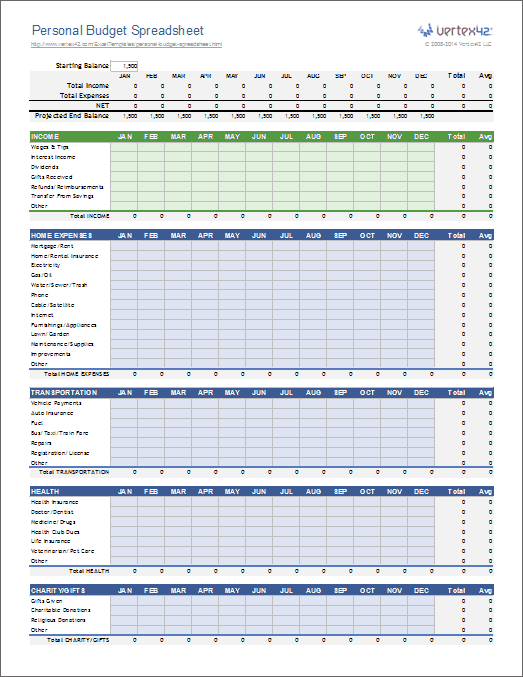
To manage finances effectively, it's essential to start by creating a budget that accounts for all your income streams and expenses. This includes not just your primary job, but also any side hustles, investments, or freelance work you may have. By considering all your income sources, you can get a clear picture of your overall financial situation.
When building your budget, prioritize your needs over your wants to ensure you're allocating your money wisely. Make a list of essential expenses, such as rent, utilities, and groceries, and then see where you can cut back on discretionary spending. For example, you might decide to cook at home instead of eating out or cancel subscription services you don't use.
To make the most of your budget, consider using the 50/30/20 rule, where 50% of your income goes towards necessary expenses, 30% towards discretionary spending, and 20% towards saving and debt repayment. You can also use this rule to allocate excess funds towards savings or investments, such as a retirement account or a high-yield savings account.
Some effective ways to optimize your financial growth include:
- Using tax-advantaged accounts, such as a 401(k) or IRA, to save for retirement
- Taking advantage of savings strategies, such as dollar-cost averaging or automating your investments
- Utilizing tax deductions and credits, such as the Earned Income Tax Credit or the Student Loan Interest Deduction
By implementing these strategies, you can reduce your tax liability and make your money work harder for you.
As you work on managing your finances, remember to regularly review and adjust your budget to ensure it's still working for you. This might involve adjusting your income projections, expense categories, or savings goals as your financial situation changes. By staying on top of your finances and making informed decisions, you can achieve long-term financial stability and success.
Staying Motivated and Focused
When it comes to managing your finances, staying motivated and focused is key to achieving success. Setting clear financial goals is the first step, and this can be done by identifying what you want to achieve, whether it's paying off debt or building up your savings. By writing down your goals and making them specific, you'll be able to track your progress more effectively.
Tracking progress is essential to staying motivated, as it allows you to see how far you've come and how much further you have to go. You can use a budgeting app or spreadsheet to track your income and expenses, and set reminders to review your progress regularly. This will help you stay on track and make adjustments as needed.
Celebrating milestones and accomplishments along the way is also important, as it helps to keep you motivated and encouraged. This can be as simple as treating yourself to a nice dinner or weekend getaway when you reach a certain milestone, such as paying off a credit card or reaching a savings goal. Some examples of milestones to celebrate include:
- paying off a certain amount of debt
- reaching a savings goal, such as saving for a down payment on a house
- increasing your income by a certain amount
Finding a support network or community can also be a great way to stay motivated and accountable. This can be a group of friends or family members who are also working towards similar financial goals, or an online community of like-minded individuals. You can also consider working with a financial advisor or planner who can provide guidance and support. By surrounding yourself with people who understand and support your goals, you'll be more likely to stay on track and achieve success.

Frequently Asked Questions (FAQ)
How do I prioritize my side hustles for maximum income potential?
When it comes to managing multiple side hustles, prioritization is key to maximizing your income potential. To start, evaluate each side hustle based on its current earnings, considering how much money you're making from each one. This will give you a clear picture of which side hustles are generating the most revenue.
Next, consider the growth potential of each side hustle, thinking about whether there's room for expansion or if you've already reached a plateau. For example, if you're freelancing as a writer, you might have more opportunities to take on higher-paying clients or projects, whereas a side hustle like dog walking might have limited growth potential.
To prioritize effectively, make a list of your side hustles and their corresponding characteristics, such as:
- Current earnings per month
- Growth potential (high, medium, low)
- Time commitment required per week
This will help you visualize which side hustles deserve more attention and resources.
Time commitment is another crucial factor to consider when prioritizing your side hustles. Be honest with yourself about how much time you can realistically dedicate to each side hustle, and whether that time is being used efficiently. For instance, if you're spending 10 hours a week on a side hustle that only generates $100, you might want to adjust your strategy or drop it altogether.
By evaluating each side hustle based on these factors, you'll be able to create a prioritized plan that focuses on the most lucrative and promising opportunities. This might involve scaling back or eliminating side hustles that are no longer serving you, and investing more time and energy into those with higher earnings potential.
What are some high-demand skills that can increase my earning potential?
As a graduate looking to boost your career, acquiring high-demand skills can significantly increase your earning potential. Skills like coding, digital marketing, writing, or design are often in high demand and can open up lucrative job opportunities. By investing time in developing these skills, you can set yourself apart from others in the job market.
To get started, consider focusing on skills that align with your interests and career goals. For example, if you enjoy writing, you can explore content writing, copywriting, or technical writing. These skills are highly valued in various industries, including marketing, publishing, and communications.
Some in-demand skills to consider include:
- Coding and web development, which are essential for creating software, apps, and websites
- Digital marketing, which involves promoting products or services through online channels
- Writing and content creation, which can include blogging, journalism, or social media management
- Design, which encompasses graphic design, user experience (UX) design, or user interface (UI) design
These skills can be developed through online courses, workshops, or degree programs, and can be applied to various industries and job roles.
By acquiring these high-demand skills, you can increase your earning potential and improve your job prospects. For instance, a skilled coder or digital marketer can earn a higher salary than someone without these skills. Additionally, having a versatile set of skills can also provide a competitive edge in the job market, making you a more attractive candidate to potential employers.
How can I balance multiple side hustles and avoid burnout?
To maintain a healthy work-life balance while juggling multiple side hustles, it's essential to set clear boundaries between your different projects and personal life. This can be achieved by creating a schedule that allocates specific times for each side hustle, as well as time for rest and relaxation. By doing so, you'll be able to avoid the feeling of being overwhelmed and reduce the risk of burnout.
Prioritizing self-care is also crucial when managing multiple side hustles, as it helps to reduce stress and increase productivity. This can involve activities such as exercise, meditation, or spending time with loved ones. For example, you could start your day with a 30-minute yoga routine or take a short walk during your lunch break to clear your mind.
When possible, delegating tasks can also help to maintain a healthy work-life balance. This can involve outsourcing tasks that take up too much of your time or energy, such as bookkeeping or social media management. Here are some tasks you can consider delegating:
- Hiring a virtual assistant to handle administrative tasks
- Outsourcing content creation to freelancers or agencies
- Using automation tools to streamline repetitive tasks
By delegating tasks and prioritizing self-care, you'll be able to focus on high-priority tasks and avoid burnout. Remember, taking care of yourself is essential to maintaining your physical and mental well-being, especially when managing multiple side hustles.
In addition to setting clear boundaries and prioritizing self-care, it's also important to learn to say no to non-essential tasks and commitments. This can be challenging, especially if you're someone who likes to take on new projects and help others. However, saying no to non-essential tasks can help you to avoid overcommitting and reduce the risk of burnout. By being mindful of your limitations and prioritizing your own needs, you'll be able to maintain a healthy work-life balance and achieve your goals.