As a young adult, managing student loan debt can be overwhelming, especially when facing financial hardship due to unemployment. This article is designed to provide a step-by-step guide on obtaining an unemployment deferment for your student loans, helping you navigate this challenging situation. By understanding the process, you can temporarily suspend your loan payments and regain control of your finances.
To start, it's essential to understand what an unemployment deferment entails and how it can benefit you. An unemployment deferment allows you to pause your student loan payments for a specified period, typically up to three years, while you're seeking employment or experiencing financial difficulties. This temporary relief can help you avoid defaulting on your loans and minimize the risk of damaging your credit score.
If you're unsure about your eligibility for an unemployment deferment, consider the following requirements:
- You must be currently unemployed or working less than 30 hours per week
- You must be actively seeking employment or participating in a job placement program
- You must meet specific income guidelines, which vary depending on the lender and loan type
By meeting these requirements, you can take the first step towards obtaining an unemployment deferment and alleviating some of the financial pressure associated with your student loans.
Throughout this article, we'll walk you through the process of applying for an unemployment deferment, including the necessary documentation, application procedures, and potential next steps. By following these guidelines and tips, you can make informed decisions about your student loan debt and develop a plan to get back on track financially. For example, you may want to explore income-driven repayment plans or loan forgiveness programs, which can provide long-term relief and help you achieve financial stability.

Understanding Unemployment Deferment
To be eligible for an unemployment deferment, you must meet specific criteria, including being currently unemployed or working less than 30 hours per week. The required documentation typically includes proof of unemployment benefits, a letter from your employer, or a sworn statement detailing your employment status. You will need to submit this documentation to your loan servicer within a specified timeline, usually within 90 days of becoming unemployed.
When considering an unemployment deferment, it's essential to understand the differences between deferment and forbearance. Deferment allows you to temporarily stop making payments on your student loans, and in some cases, you may not be responsible for paying interest that accrues during this period. Forbearance, on the other hand, also allows you to stop making payments, but interest will continue to accrue, and you will be responsible for paying it back.
Here are the key differences between deferment and forbearance:
- Deferment: temporarily stops payments and may not accrue interest, depending on the loan type
- Forbearance: temporarily stops payments, but interest will continue to accrue
- Eligibility: deferment typically requires a more formal application process and documentation, while forbearance may be granted at the discretion of the loan servicer
In general, deferment is a more beneficial option for borrowers who are experiencing financial hardship due to unemployment.
An unemployment deferment might be the best course of action in situations where you have lost your job and are actively seeking new employment. For example, if you have been laid off and are receiving unemployment benefits, you may be eligible for an unemployment deferment. This can help you avoid defaulting on your student loans and give you time to get back on your feet financially. Additionally, if you are working part-time or freelance and your income is significantly reduced, an unemployment deferment can provide temporary relief from making full payments on your student loans.
It's crucial to carefully review your loan terms and conditions before applying for an unemployment deferment. You should also consider speaking with a financial advisor or your loan servicer to determine the best option for managing your debt. By understanding the eligibility criteria, benefits, and drawbacks of an unemployment deferment, you can make informed decisions about your financial situation and take control of your student loan debt.
Application Process for Unemployment Deferment
When facing unemployment, managing loan payments can be overwhelming. To mitigate this, many loan servicers offer unemployment deferment options, allowing borrowers to temporarily suspend payments. By understanding the application process, individuals can navigate this challenging time with greater ease.
The first step in applying for an unemployment deferment is to contact the loan servicer, either by phone or email, to inquire about their specific requirements and procedures. It's essential to keep detailed records of all correspondence, including dates, times, and the names of representatives spoken to. This documentation will be invaluable in case of any disputes or issues that may arise during the application process.
To initiate the application, borrowers typically need to submit paperwork, which may include:
- Proof of unemployment, such as a letter from the state unemployment office
- A copy of the unemployment benefits award letter
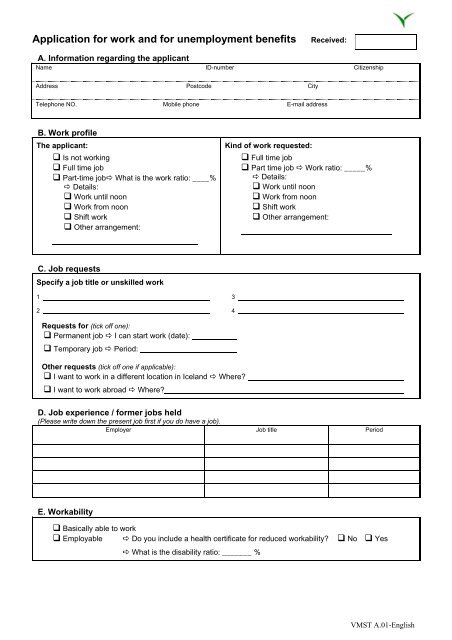
- A completed application form, usually provided by the loan servicer
These documents will vary depending on the loan servicer and the type of loan, so it's crucial to carefully review the requirements to ensure all necessary materials are included.
Effective communication with loan servicers is key to a smooth application process. Borrowers should be prepared to provide detailed information about their unemployment status and financial situation, and to ask questions about the deferment process. For example, it's a good idea to ask about any potential fees associated with the deferment or how interest will accrue during the deferment period.
Keeping detailed records of unemployment status and loan correspondence is vital, as this information may be required to support the deferment application or to resolve any issues that may arise. Borrowers should maintain a file with all relevant documents, including correspondence with the loan servicer, proof of unemployment, and records of payments made. By being organized and proactive, individuals can ensure a successful application process and avoid any potential pitfalls.
Managing Finances During Deferment
When you're in a deferment period, it's essential to reassess your finances and create a plan that works for you. This means cutting back on non-essential expenses and focusing on the basics. By doing so, you'll be able to navigate this period with greater ease and come out financially healthier on the other side.
To start, consider creating a bare-bones budget that accounts for only your essential expenses, such as rent, utilities, and groceries. This will help you understand where your money is going and identify areas where you can cut back. For example, you might need to temporarily suspend subscription services or find ways to reduce your daily spending.
Some essential expenses to prioritize include:
- Housing costs, such as rent or mortgage payments
- Utility bills, like electricity and water
- Food and groceries
- Minimum payments on debts, such as credit cards or loans
By prioritizing these expenses, you'll be able to ensure you have a solid foundation for your finances during the deferment period.
In addition to budgeting, consider taking on a side hustle or part-time job to supplement your income and reduce financial strain. This could be anything from freelancing to dog walking, and can help you earn some extra money to put towards your essential expenses. For instance, you might offer your skills on freelance platforms like Upwork or Fiverr, or sign up to drive for a ride-sharing service.
The deferment period can also be a great opportunity to explore options for investing or improving your overall financial health. You might consider using this time to learn more about personal finance, pay off high-interest debts, or build up your emergency fund. By taking proactive steps to manage your finances during this period, you'll be well on your way to achieving long-term financial stability.
Some potential investment options to consider include:
- High-yield savings accounts, which can earn you a higher interest rate on your savings
- Index funds or ETFs, which can provide broad diversification and potentially lower fees
- Certificates of deposit (CDs), which can offer a fixed return over a set period of time
Remember to always do your research and consider your individual financial goals and risk tolerance before making any investment decisions.

Post-Deferment Planning and Next Steps
As the deferment period comes to an end, it's essential to review your loan terms to understand the total amount owed, interest rate, and repayment schedule. This will help you plan and prepare for the next steps in managing your student loan debt. Take some time to gather all relevant documents and statements to get a clear picture of your financial situation.
When reviewing your loan terms, consider exploring income-driven repayment options, which can help lower your monthly payments and make them more manageable. For example, income-based repayment plans can cap your monthly payments at a certain percentage of your income, making it easier to afford. This can be especially helpful if you're experiencing financial difficulties or have a variable income.
The deferment period can also have an impact on your credit scores, as it may affect your credit utilization ratio and payment history. It's crucial to monitor your credit report and score regularly to ensure that your deferment period hasn't negatively impacted your creditworthiness. By checking your credit report, you can identify any errors or areas for improvement and take steps to address them.
To get back on track with your student loan debt, consider seeking financial counseling or advice from a reputable organization. Here are some resources to get you started:
- The National Foundation for Credit Counseling (NFCC) offers non-profit credit counseling services and education
- The Financial Counseling Association of America (FCAA) provides a directory of certified financial counselors
- The Department of Education's Federal Student Aid website offers guidance on managing student loan debt and repayment options
These resources can provide you with personalized advice and support to help you manage your student loan debt and achieve your long-term financial goals.
In the long run, it's essential to consider how your student loan debt may impact your ability to achieve other financial goals, such as buying a home, starting a family, or retiring. By planning ahead and exploring options for managing your debt, you can minimize the impact of your student loans and stay on track with your financial objectives. By taking control of your student loan debt, you can create a brighter financial future for yourself.

Frequently Asked Questions (FAQ)
How long can I defer my student loans due to unemployment?
When dealing with student loan debt, unemployment can be a significant challenge. If you're facing a job loss, you may be able to temporarily suspend your loan payments through an unemployment deferment. This can provide much-needed relief while you focus on finding new employment.
The length of an unemployment deferment varies by loan type and servicer, but typically ranges from 6 to 36 months. For example, federal student loans often offer longer deferment periods, while private loans may have shorter periods. It's essential to check with your loan servicer to determine the specific deferment period you're eligible for.
To qualify for an unemployment deferment, you'll typically need to meet certain requirements, such as:
- Being unemployed or underemployed
- Actively seeking new employment
- Receiving unemployment benefits
You'll need to provide documentation to support your claim, such as proof of unemployment benefits or a letter from your former employer.
It's crucial to note that interest may still accrue on your loans during the deferment period, depending on the type of loan you have. For instance, subsidized federal loans may not accrue interest, while unsubsidized loans will continue to accrue interest. Be sure to review your loan terms and conditions to understand how interest will be handled during the deferment period.
Once you've secured new employment, you'll need to notify your loan servicer to exit the deferment period and resume making payments. You can also consider income-driven repayment plans or other alternatives to manage your student loan debt. By understanding your options and taking proactive steps, you can navigate the challenges of unemployment and get back on track with your student loan payments.
Will deferring my student loans affect my credit score?
When considering deferring your student loans, it's natural to worry about the potential impact on your credit score. Deferment itself does not directly impact credit scores, which is a relief for many borrowers. However, it's essential to understand the indirect effects that could arise from deferment.
Missed payments prior to deferment can negatively affect your credit score, as lenders report late or missed payments to the credit bureaus. For example, if you miss a payment before requesting deferment, this could lower your credit score. To avoid this, make sure to communicate with your lender and make timely payments until your deferment is approved.
During deferment, interest may continue to accrue on your loans, depending on the type of loan and lender. This accumulation of interest can increase your total debt, making it more challenging to repay your loans in the long run. To minimize the impact, consider making interest-only payments during deferment or exploring income-driven repayment plans.
Here are some key factors to keep in mind when deferment might affect your credit score:
- Missed payments before deferment can lower your credit score
- Accumulation of interest during deferment can increase your debt
- Defaulting on your loans after deferment can significantly damage your credit score
To maintain a healthy credit score, it's crucial to stay on top of your loan payments and communicate with your lender throughout the deferment process.
By understanding the potential indirect effects of deferment on your credit score, you can take proactive steps to protect your credit and make informed decisions about your student loans. Regularly reviewing your credit report and score can also help you identify any potential issues early on.
Can I still make payments on my student loans during deferment?
When you defer your student loans, you may think that you're completely off the hook from making payments. However, that's not entirely the case. You can still choose to make voluntary payments during this time, which can be a smart financial move.
Making voluntary payments during deferment can help reduce the principal balance of your loan, as well as the overall interest paid over time. For example, if you have a $30,000 loan with a 6% interest rate, making regular payments during deferment can save you hundreds of dollars in interest payments down the line. This can be especially beneficial if you're expecting a significant increase in income soon.
Here are some benefits of making voluntary payments during deferment:
- Reduced principal balance: By paying down the principal, you'll owe less overall
- Lower interest payments: Less principal means less interest accrued over time
- Improved credit score: Making regular payments can help demonstrate responsible credit behavior
It's worth noting that voluntary payments during deferment are entirely optional, so you should only make payments if you're financially able to do so. If you're struggling to make ends meet, it's best to focus on more pressing expenses.
To make the most of voluntary payments during deferment, consider setting up a separate payment plan with your lender. This can help you stay on track and ensure that your payments are being applied correctly. You can also use this time to explore income-driven repayment options or loan forgiveness programs that may be available to you.