As a young adult, starting your own business or pursuing a career in a field that requires specialized equipment can be daunting, especially when it comes to financing. Equipment financing and loans can provide a viable solution to help you acquire the necessary tools and machinery to get started. For instance, a photographer may need to invest in a high-quality camera and lighting equipment to launch their business.
Equipment financing options are available for various types of equipment, including vehicles, machinery, and technology. These loans can be tailored to meet the specific needs of your business or career goals. By understanding the different types of equipment financing available, you can make informed decisions about how to fund your endeavors.
Some common examples of equipment financing include:
- Equipment loans: These loans provide funding for specific equipment purchases, such as a car or a piece of machinery.
- Leasing: This option allows you to use equipment for a set period in exchange for regular payments.
- Lines of credit: These revolving credit lines provide access to funds for equipment purchases or other business expenses.
When exploring equipment financing options, it's essential to consider factors such as interest rates, repayment terms, and fees to ensure you find the best fit for your needs. By doing your research and comparing different options, you can make a more informed decision about how to finance your equipment needs.
Ultimately, equipment financing and loans can be a valuable resource for young adults looking to launch or grow their careers. With the right financing in place, you can focus on building your business or pursuing your passions without the burden of upfront equipment costs. By taking the time to understand your options and make a plan, you can set yourself up for success and achieve your long-term goals.
Understanding Equipment Financing
Equipment financing is a type of funding that allows businesses to purchase or lease equipment necessary for their operations. This concept is particularly beneficial for small businesses or side hustles, as it enables them to acquire essential equipment without having to pay the full cost upfront. By spreading the cost over time, businesses can better manage their cash flow and allocate resources more efficiently.
One of the key advantages of equipment financing is that it offers more flexibility compared to traditional loans. Equipment financing often requires less collateral and has more lenient repayment terms, making it a more accessible option for businesses with limited assets or credit history. Additionally, the equipment itself can serve as collateral, reducing the risk for the lender and the business.
The benefits of equipment financing can be seen in various industries, such as:
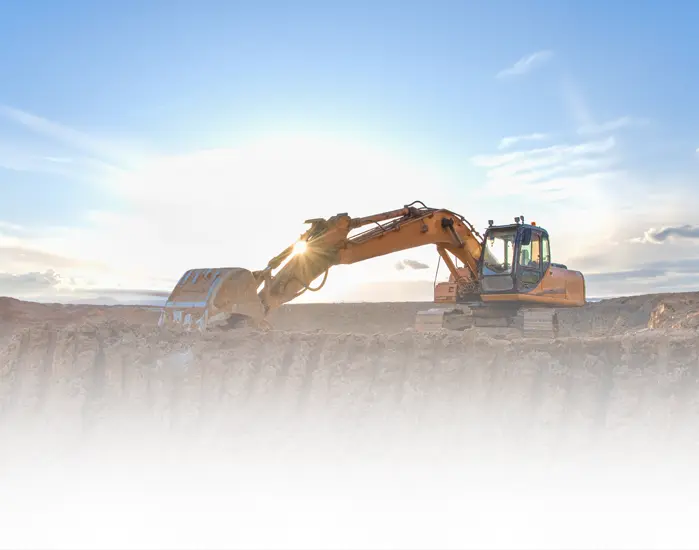
- Construction, where businesses need to purchase heavy machinery and equipment to complete projects
- Photography, where high-quality cameras and lighting equipment are essential for producing professional-grade work
- Healthcare, where medical practices require specialized equipment to provide quality patient care
These industries often rely on equipment financing to acquire the necessary tools and technology to operate efficiently and remain competitive.
In contrast to traditional loans, equipment financing is specifically designed for the purchase or lease of equipment, making it a more tailored solution for businesses with specific needs. This type of financing also tends to have a faster approval process, allowing businesses to quickly acquire the equipment they need to grow and expand their operations. By understanding the options and benefits of equipment financing, small businesses and side hustles can make informed decisions about their equipment needs and take their operations to the next level.
Types of Equipment Financing Options
When it comes to equipment financing, businesses and side hustles have several options to consider. Equipment loans and leases are two of the most popular choices, each with its own set of benefits and drawbacks. For instance, a small business owner may opt for an equipment loan to purchase a new printer, while a freelancer may prefer to lease a laptop to avoid long-term commitment.
Equipment loans allow businesses to borrow money to purchase equipment outright, with repayment terms that can range from a few months to several years. The interest rates for equipment loans vary depending on the lender and the borrower's credit score, but they are often lower than those for other types of loans. This option is suitable for businesses that plan to use the equipment for an extended period.
On the other hand, equipment leases provide an alternative to purchasing equipment, with the option to return or upgrade the equipment at the end of the lease term. The pros and cons of equipment leases include:
- Lower upfront costs, as businesses only need to pay a monthly fee
- Access to the latest technology, as leases often include maintenance and upgrade options
- Potential tax benefits, as lease payments may be deductible as business expenses
However, equipment leases may have higher overall costs in the long run, and businesses may not have the option to purchase the equipment at the end of the lease term.
To choose the best equipment financing option, businesses should consider their specific needs and financial situation. For example, a business with a limited budget may prefer to lease equipment, while a business with a stable cash flow may opt for an equipment loan. It is essential to review the interest rates and repayment terms for each option, as well as any additional fees or charges. By doing so, businesses can make an informed decision that aligns with their goals and financial capabilities.
Ultimately, the key to selecting the right equipment financing option is to evaluate the total cost of ownership, including the cost of the equipment, interest rates, and any additional fees. Businesses should also consider their growth plans and how the equipment will be used in the long term. By taking a thoughtful and informed approach, businesses can find the equipment financing option that works best for them and helps them achieve their goals.
Top Equipment Financing Providers of 2025
When it comes to equipment financing, choosing the right provider can be a daunting task. To help you make an informed decision, we've reviewed and compared the top equipment financing providers of 2025, including their interest rates and terms. From banks to alternative lenders, each provider has its unique features and benefits.
The application and approval process for each provider varies, but most require a solid business plan and a good credit score. For example, some providers may offer a pre-approval process, which can give you an idea of how much you can borrow and what your monthly payments will be. This can be a useful tool for planning and budgeting purposes.
Some of the top equipment financing providers include:
- CIT Group, which offers competitive interest rates and flexible repayment terms
- Wells Fargo, which provides a range of financing options and a streamlined application process
- Bank of America, which offers specialized financing programs for certain industries and businesses
These providers, among others, can help you secure the equipment you need to grow and succeed.
To get approved for equipment financing, it's essential to improve your credit score and provide a solid business plan. This can include demonstrating a stable income, a good credit history, and a clear plan for how you intend to use the equipment and repay the loan. For instance, you can improve your credit score by paying your bills on time, reducing debt, and monitoring your credit report.
In addition to a good credit score and business plan, it's also important to consider the following tips when applying for equipment financing:
- Shop around and compare rates and terms from different providers
- Read reviews and check the provider's reputation and customer service
- Consider working with a financial advisor or broker to help you navigate the process
By following these tips and choosing the right provider, you can secure the equipment financing you need to take your business to the next level.
Ultimately, equipment financing can be a powerful tool for businesses of all sizes, providing access to the equipment and technology needed to succeed. By understanding the application and approval process, and taking steps to improve your credit score and business plan, you can unlock the financing you need to achieve your goals. Whether you're just starting out or looking to expand, equipment financing can help you get the equipment you need to drive growth and profitability.
Managing Equipment Financing Debt
When it comes to equipment financing debt, managing it effectively is crucial for the financial health of your business. Making timely payments and avoiding default are essential to maintaining a good credit score and avoiding additional fees. By prioritizing your equipment financing debt, you can ensure that your business remains stable and continues to grow.
To create a budget and repayment plan for equipment financing debt, start by reviewing your loan terms and understanding the total amount owed, interest rate, and repayment schedule. Consider your business's cash flow and expenses to determine how much you can afford to pay each month. You can also use online tools or consult with a financial advisor to help you create a personalized repayment plan.
Here are some tips to keep in mind when managing equipment financing debt:
- Review your loan terms carefully before signing to ensure you understand all the conditions and fees involved
- Make timely payments to avoid late fees and negative credit reporting
- Consider making extra payments to pay off the principal amount and reduce the interest paid over time
By following these tips, you can avoid common pitfalls and ensure that your equipment financing debt is managed effectively.
Avoiding overspending is also critical when managing equipment financing debt. Make sure to only purchase equipment that is essential to your business operations and avoid buying unnecessary items that can increase your debt burden. Neglecting to review loan terms can also lead to unexpected fees and charges, so it's essential to carefully review your loan agreement before signing.
To stay on track with your repayment plan, consider setting up automatic payments or reminders to ensure that you never miss a payment. You can also use accounting software to track your expenses and stay organized. By being proactive and responsible with your equipment financing debt, you can minimize the risk of default and ensure that your business remains financially stable.
Alternatives to Equipment Financing
When it comes to funding equipment purchases, many businesses and side hustles consider equipment financing as the primary option. However, there are alternative options available that can help you acquire the necessary equipment without taking on debt. Saving up for the equipment is one such alternative, where you can set aside a portion of your revenue each month until you have enough funds to make the purchase.
Using a side hustle to generate funds is another alternative, where you can take on additional work or projects to raise the money needed for the equipment. For example, a freelance writer could take on extra writing projects to save up for a new laptop or software. This approach can be beneficial as it allows you to maintain control over your finances and avoid debt.
The benefits of saving up or using a side hustle to fund equipment purchases include avoiding interest payments and maintaining control over your finances. However, there are also drawbacks to consider, such as delayed purchases or reduced cash flow. To determine the best approach for your business or side hustle, consider the following factors:
- the cost of the equipment and how it will impact your cash flow
- the potential return on investment for the equipment
- your current financial situation and ability to take on debt
Delaying a purchase to save up for equipment can be beneficial in the long run, as it allows you to avoid debt and maintain control over your finances. However, it can also mean missing out on potential revenue or opportunities. For instance, a photographer may need to wait several months to save up for a new camera, which could mean missing out on potential clients or projects.
On the other hand, using a side hustle to generate funds can provide a steady stream of income and help you raise the money needed for the equipment. This approach can be particularly beneficial for businesses or side hustles with variable income or cash flow. By taking on additional work or projects, you can generate the funds needed for the equipment and maintain control over your finances.
Ultimately, the best approach will depend on your specific business or side hustle needs and financial situation. By considering the benefits and drawbacks of each alternative and weighing your options carefully, you can make an informed decision that works best for you. It's essential to prioritize your financial goals and consider the potential impact on your cash flow and overall financial health.

Frequently Asked Questions (FAQ)
What are the typical interest rates for equipment financing?
When it comes to equipment financing, interest rates play a significant role in determining the overall cost of the loan. Interest rates for equipment financing vary depending on the provider and the borrower's creditworthiness. Generally, lenders offer more favorable interest rates to borrowers with good credit scores, as they are considered lower-risk.
The type of equipment being financed also affects the interest rate, with more expensive or specialized equipment often resulting in higher interest rates. For instance, financing a new tractor may have a different interest rate compared to financing a piece of office equipment. Lenders take into account the equipment's value, usage, and resale potential when determining the interest rate.
Some common factors that influence equipment financing interest rates include:
- Loan amount and term
- Credit score and history
- Equipment type and value
- Industry and business type
- Lender fees and charges
Understanding these factors can help borrowers make informed decisions when comparing equipment financing options and negotiating interest rates with lenders.
To get the best interest rate for equipment financing, it's essential to shop around, compare quotes from different lenders, and consider working with a financial advisor. By doing so, borrowers can find the most suitable financing option for their business needs and budget. Additionally, maintaining a good credit score and providing a significant down payment can also help secure more favorable interest rates.
Can I use equipment financing for personal purchases?
Equipment financing is typically used for business purposes, such as purchasing machinery, vehicles, or technology. However, some providers may offer financing for personal purchases, such as a photography hobby or a home music studio. This can be a great option for individuals who want to invest in their passions without having to pay upfront.
When considering equipment financing for personal purchases, it's essential to evaluate the costs and benefits. For example, if you're a photography enthusiast, you may be able to finance a new camera or equipment to improve your skills and potentially sell your photos. This can be a great way to turn your hobby into a side income.
Here are some examples of personal purchases that may be eligible for equipment financing:
- Photography equipment, such as cameras, lenses, or lighting
- Music equipment, such as instruments, sound systems, or recording gear
- Art supplies, such as paints, canvases, or sculpting materials
It's crucial to research and compares rates and terms from different providers to find the best option for your needs.
Before applying for equipment financing, make sure you understand the terms and conditions, including the interest rate, repayment period, and any fees associated with the loan. You should also consider whether you can afford the monthly payments and whether the purchase is a worthwhile investment for your personal goals.
How do I qualify for equipment financing?
To qualify for equipment financing, it's essential to understand the key factors that lenders consider. Your credit score plays a significant role, as it demonstrates your ability to repay debts on time. A good credit score can help you secure better interest rates and terms.
Business history is another crucial factor, as lenders want to see a stable and profitable business. This includes providing financial statements, tax returns, and other documents that showcase your business's growth and revenue. For example, a well-established business with a consistent income stream is more likely to qualify for equipment financing.
The type and value of the equipment being financed also impact qualification. Lenders consider the equipment's age, condition, and market demand, as well as its potential resale value.
- New equipment with a high resale value is often easier to finance
- Used or specialized equipment may require a larger down payment or more stringent credit requirements
- The equipment's value and usefulness to your business are also taken into account
Lenders may also consider your business's income and cash flow to determine whether you can afford the loan repayments. Providing a detailed business plan and financial projections can help demonstrate your ability to manage the loan and make timely payments.
To improve your chances of qualifying for equipment financing, it's a good idea to prepare your financial documents in advance and shop around for lenders that offer competitive rates and terms. You can also consider working with a financial advisor or accountant to help you navigate the application process and make informed decisions about your equipment financing options.