As a graduate, managing student loan repayment can be a daunting task, and inflation can make it even more challenging. Inflation can erode the purchasing power of your money, making it harder to pay off your loans. For instance, if you borrowed $30,000 at a 4% interest rate, inflation could increase the effective interest rate, making your monthly payments more expensive.
When inflation rises, the value of money decreases, which means the amount you borrowed will have more purchasing power in the past than it does today. This can lead to higher interest payments over the life of the loan, making it essential to understand how inflation affects your student loan repayment. To mitigate this effect, it's crucial to develop a solid repayment strategy that takes inflation into account.
Some effective strategies for mitigating the impact of inflation on student loan repayment include:
- Considering income-driven repayment plans that adjust your monthly payments based on your income and family size
- Refinancing your loans to a lower interest rate, which can help reduce the impact of inflation
- Making extra payments or paying more than the minimum each month to pay off the principal amount faster
By understanding how inflation affects your student loan repayment and using these strategies, you can create a plan that helps you pay off your loans efficiently and effectively. In the following sections, we'll dive deeper into the impact of inflation on student loan repayment and explore more strategies for mitigation.

Understanding Inflation's Impact on Student Loans
As a student loan borrower, it's essential to understand how inflation can affect your financial situation. Inflation can increase the cost of living, making it harder to repay student loans with the same purchasing power. For instance, if you borrowed $1,000 to cover living expenses, inflation could reduce the value of that $1,000, requiring you to take out more loans to maintain the same standard of living.
Inflation can also lead to higher interest rates on variable-rate student loans, making it even more challenging to repay your debt. When inflation rises, lenders often increase interest rates to keep pace with the rising cost of living. This means that your monthly payments could increase, even if you're not borrowing more money.
Some examples of how inflation can impact variable-rate student loans include:
- Higher monthly payments: As interest rates rise, your monthly payments may increase to cover the additional interest.
- Longer repayment periods: With higher interest rates, it may take longer to pay off your student loans, resulting in more money spent on interest over time.
- Increased total cost: The total cost of your student loans could increase significantly, making it harder to achieve financial stability.
The psychological impact of inflation on borrowers should not be underestimated. Increased stress and anxiety can come from feeling like you're falling behind on your payments or struggling to make ends meet. It's essential to stay informed about inflation and its potential impact on your student loans, so you can plan accordingly and make adjustments as needed.
To mitigate the effects of inflation, consider creating a budget that accounts for potential increases in living expenses and interest rates. You can also explore income-driven repayment plans or consider refinancing your student loans to a fixed-rate option. By taking proactive steps, you can reduce the stress and anxiety associated with inflation and stay on track with your financial goals.
Being proactive and informed can help you navigate the challenges of inflation and student loan debt. Staying up-to-date with the latest news and trends can also help you make informed decisions about your financial situation.

Strategies for Managing Student Loans During Inflation
When dealing with student loans during inflation, it's essential to consider income-driven repayment plans. These plans can help borrowers by capping monthly payments at a percentage of their discretionary income, making it easier to manage debt during economic uncertainty. For example, the Income-Based Repayment (IBR) plan can limit payments to 10% or 15% of a borrower's discretionary income.
Income-driven repayment plans offer several benefits, including lower monthly payments and potential loan forgiveness after a certain period. To take advantage of these plans, borrowers should review their options and choose the one that best fits their financial situation. This may involve consulting with a financial advisor or using online tools to compare different plans.
Refinancing or consolidating student loans can also be a viable strategy for managing debt during inflation. This approach can potentially lower interest rates and monthly payments, making it easier for borrowers to stay on top of their loans. By refinancing or consolidating their loans, borrowers may be able to:
- Lower their interest rates and reduce the amount of interest paid over the life of the loan
- Combine multiple loans into a single loan with a single monthly payment
- Extend their repayment period, which can lower monthly payments but may increase the total amount paid
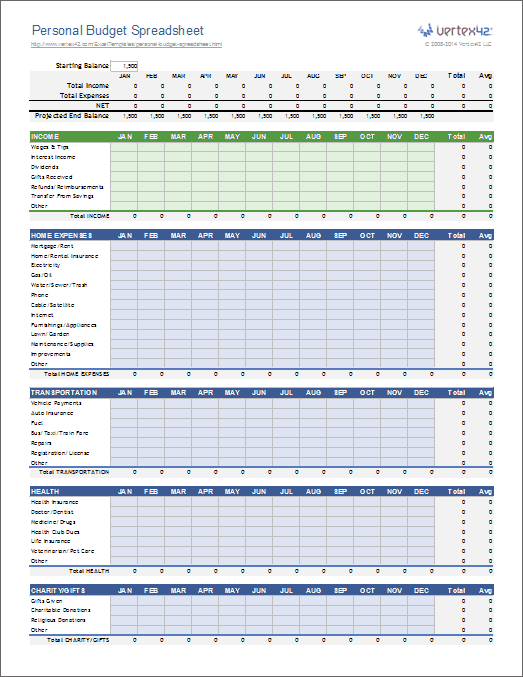
Creating a budget that accounts for inflation and prioritizes debt repayment is crucial for managing student loans effectively. Borrowers should start by tracking their income and expenses to understand where their money is going. They can then create a budget that allocates a fixed amount for debt repayment, taking into account the potential impact of inflation on their expenses.
To prioritize debt repayment, borrowers can consider the snowball method, which involves paying off loans with the smallest balances first, or the avalanche method, which focuses on paying off loans with the highest interest rates first. By prioritizing debt repayment and making timely payments, borrowers can pay off their loans faster and reduce the amount of interest paid over time. It's also essential to review and adjust the budget regularly to ensure it remains effective in managing debt during inflation.
Side Hustles and Income Boosters to Combat Inflation
As a graduate, managing finances can be challenging, especially with the rising costs of living due to inflation. One effective way to combat this is by exploring side hustles, which can provide an additional source of income to help offset increasing expenses. By dedicating a few hours a week to a side hustle, you can potentially earn enough to make a significant impact on your financial situation.
Popular side hustles include freelancing, where you can offer services such as writing, graphic design, or social media management, and selling products online through platforms like eBay, Amazon, or Etsy. These side hustles can be done remotely and on your own schedule, making them ideal for graduates with busy lives. For example, if you have a talent for photography, you can sell your photos on stock image websites like Shutterstock or iStock.
To get started with a side hustle, consider your skills and interests, and think about how you can monetize them. You can also look into online marketplaces or platforms that connect freelancers with clients, such as Upwork or Fiverr. Some other side hustles to consider include:
- Tutoring or teaching English online
- Renting out a spare room on Airbnb
- Selling handmade products or crafts on platforms like Redbubble or Zazzle
- Delivering food or packages for companies like UberEats or Amazon Flex
Once you start earning money from your side hustle, it's essential to allocate it wisely, especially if you have student loans to repay. You can use the 50/30/20 rule as a guideline, where 50% of your side hustle income goes towards necessities like rent and utilities, 30% towards discretionary spending, and 20% towards saving and debt repayment. By prioritizing your student loan repayment, you can make progress on paying off your debt and free up more money in your budget for other expenses.
When allocating your side hustle income towards student loan repayment, consider making extra payments or paying off high-interest loans first. You can also look into income-driven repayment plans or loan forgiveness programs, which can help make your payments more manageable. By combining a side hustle with a solid financial plan, you can take control of your finances and stay ahead of inflation.

Investing and Saving During Inflation
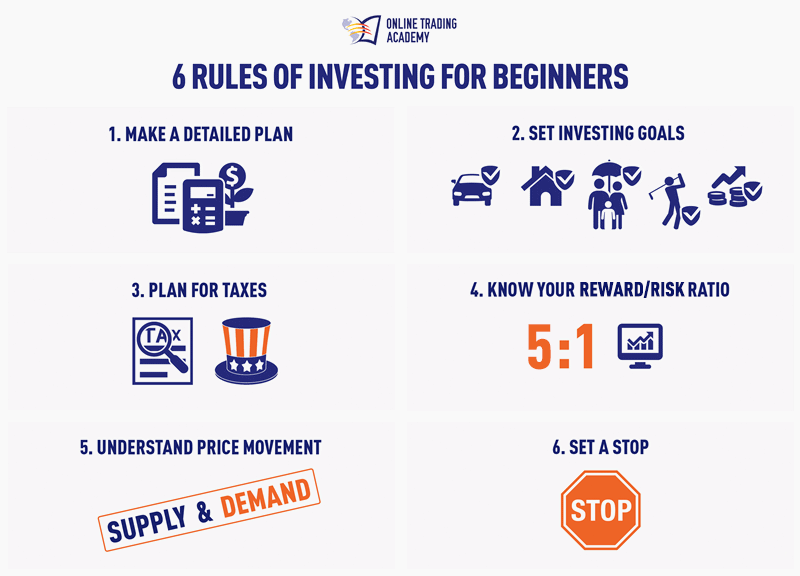
As a graduate, it's essential to think about investing for the future, even if you're still repaying student loans. Investing early can help your money grow over time, providing a financial safety net for years to come. By starting to invest now, you can take advantage of compound interest and potentially build significant wealth.
Inflation can erode the purchasing power of your savings, making it crucial to consider investments that keep pace with rising prices. Inflation-indexed investments, such as Treasury Inflation-Protected Securities (TIPS), can help protect your savings by adjusting the interest rate to match inflation. For example, if you invest $1,000 in TIPS with a 2% interest rate and inflation rises to 3%, your interest rate will increase to 3%, ensuring your savings keep pace with inflation.
To balance investing and saving with student loan repayment, consider the following tips:
- Pay the minimum on your student loans each month to free up more money for investing and saving
- Take advantage of tax-advantaged retirement accounts, such as a Roth IRA, to save for the future while reducing your taxable income
- Automate your investments by setting up a monthly transfer from your checking account to your investment account
By following these tips, you can make progress on your student loans while also building a nest egg for the future.
It's also important to prioritize your financial goals, focusing on high-interest debt and building an emergency fund before investing large sums of money. As you pay down your student loans, you can gradually increase the amount you invest each month, taking advantage of dollar-cost averaging to reduce the impact of market volatility. With a solid plan and discipline, you can navigate the challenges of investing and saving during inflation while making progress on your financial goals.
Long-Term Financial Planning and Inflation
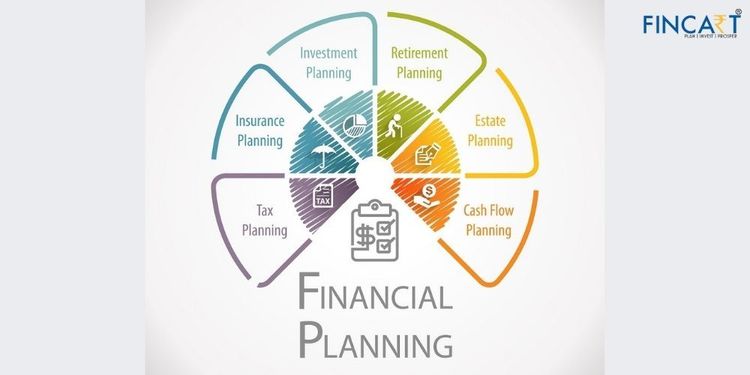
Long-term financial planning is crucial for achieving stability and security in the future. It involves setting clear goals, such as retirement savings and building emergency funds, to ensure that you are prepared for any unexpected expenses or life events. By prioritizing long-term planning, you can make informed decisions about your finances and create a safety net for yourself and your loved ones.
Inflation can have a significant impact on long-term financial goals, as it can erode the purchasing power of your money over time. For example, if you save $1,000 today, it may not have the same value in 10 years due to inflation. To mitigate this effect, it's essential to consider inflation when creating your financial plan and to review it regularly to make adjustments as needed.
To protect your long-term financial goals from inflation, consider the following strategies:
- Invest in assets that historically perform well during periods of inflation, such as stocks or real estate
- Save in accounts that earn interest rates that keep pace with inflation, such as high-yield savings accounts or inflation-indexed bonds
- Review and adjust your budget regularly to account for changes in prices and inflation
By taking these steps, you can help ensure that your long-term financial goals remain on track, even in the face of inflation.
Regular review and adjustment of your financial plan is critical to staying on track and achieving your long-term goals. This includes monitoring your expenses, income, and savings to ensure that you are still on track to meet your objectives. For instance, you may need to adjust your retirement savings contributions or emergency fund allocations to account for changes in inflation or other economic factors.
It's also important to consider the impact of inflation on specific financial goals, such as retirement savings. For example, if you expect to need $50,000 per year in retirement, you'll need to factor in the potential impact of inflation on that amount over time. By doing so, you can create a more accurate and effective financial plan that accounts for the potential effects of inflation.
Frequently Asked Questions (FAQ)
How does inflation affect fixed-rate student loans?
When it comes to fixed-rate student loans, inflation does not directly impact the interest rate, as the rate is locked in at the time of borrowing. This means that borrowers can budget for the same monthly payment amount over the life of the loan, without worrying about interest rate increases due to inflation. As a result, fixed-rate loans can provide a sense of stability and predictability for borrowers.
However, inflation can still affect the borrower's purchasing power, which in turn can impact their ability to repay the loan. For example, if a borrower's income does not keep pace with inflation, their monthly loan payments may become a larger portion of their take-home pay, making it more difficult to repay the loan. This can be particularly challenging for borrowers who are living on a tight budget.
To mitigate the effects of inflation on fixed-rate student loans, borrowers can take several steps:
- Consider making extra payments to pay off the loan more quickly, which can help reduce the overall cost of the loan
- Build an emergency fund to cover 3-6 months of living expenses, which can provide a cushion in case of unexpected expenses or income disruptions
- Look into income-driven repayment plans, which can help lower monthly payments and make the loan more manageable
By understanding how inflation can indirectly impact fixed-rate student loans, borrowers can take proactive steps to manage their debt and stay on track with their repayment goals. It's also important for borrowers to regularly review their budget and adjust as needed to ensure they can continue making timely payments on their loan. This can help prevent default and ensure a positive credit history.
Can I use a side hustle to pay off student loans faster?
Using a side hustle to pay off student loans is a great way to take control of your debt. By increasing your income and allocating extra funds towards your loans, you can pay them off faster and save money on interest. For example, you could start freelancing in a field you're skilled in, such as writing or graphic design, and put the extra money towards your loans.
One of the benefits of using a side hustle to pay off student loans is that it allows you to make extra payments without having to cut back on necessities. This means you can continue to live comfortably while still making progress on your debt. Some popular side hustles for students and graduates include tutoring, pet sitting, and selling items online.
Here are some ways to use a side hustle to pay off student loans:
- Start by identifying your skills and interests, and finding a side hustle that aligns with them
- Set a specific goal for how much you want to earn from your side hustle and how much you want to put towards your loans
- Make a plan for how you will allocate your extra income, such as setting up automatic payments or using a budgeting app
By following these steps, you can use a side hustle to pay off your student loans faster and achieve financial freedom. It's also important to consider the tax implications of your side hustle and to make sure you're taking advantage of any tax deductions or credits you're eligible for.
Should I prioritize investing or paying off student loans during inflation?
When it comes to managing your finances during inflation, it's essential to consider your individual circumstances. Your financial priorities may vary depending on your income, expenses, and debt obligations. For instance, if you have a stable job and a relatively low debt-to-income ratio, you may be able to allocate a larger portion of your income towards investments.
Inflation can erode the purchasing power of your money over time, making it crucial to prioritize high-interest debt repayment, such as student loans with interest rates above 6%. By paying off these debts, you can save money on interest payments and free up more funds for investments. Additionally, consider consolidating your student loans to a lower interest rate, if possible, to reduce your monthly payments.
To strike a balance between debt repayment and investing, consider the following strategies:
- Allocate a fixed amount each month towards your student loan payments, and try to pay more than the minimum payment to pay off the principal amount faster.
- Invest a portion of your income in a tax-advantaged retirement account, such as a 401(k) or an IRA, to take advantage of compound interest and tax benefits.
- Take advantage of employer matching contributions, if available, to boost your retirement savings.
By prioritizing high-interest debt repayment while still investing for the future, you can create a balanced approach to managing your finances during inflation. This approach will help you make progress on your debt obligations while also building wealth over the long term.