As a young adult, managing multiple student loans can be a daunting task. With various interest rates, repayment terms, and due dates to keep track of, it's easy to feel overwhelmed. For instance, you may have a federal loan with a fixed interest rate, a private loan with a variable interest rate, and a personal loan from a family member, each requiring separate payments and attention.
Many students graduate with multiple loans, often totaling tens of thousands of dollars, which can lead to financial stress and anxiety. To make matters worse, navigating the complex world of student loan management can be time-consuming and confusing. By understanding the challenges of managing multiple student loans, you can take the first step towards regaining control of your finances.
Some common challenges faced by young adults with multiple student loans include:
- Keeping track of multiple due dates and payment amounts
- Understanding the different interest rates and repayment terms
- Deciding which loans to prioritize and how to allocate payments
By addressing these challenges and developing effective strategies for managing multiple student loans, you can set yourself up for long-term financial success and reduce the burden of debt.
Effective management of multiple student loans requires a clear understanding of your financial situation, including your income, expenses, and debt obligations. By taking a proactive approach to managing your loans, you can avoid missed payments, late fees, and negative credit reporting. In the following sections, we will explore practical tips and strategies for managing multiple student loans, including how to create a budget, prioritize payments, and explore loan forgiveness options.
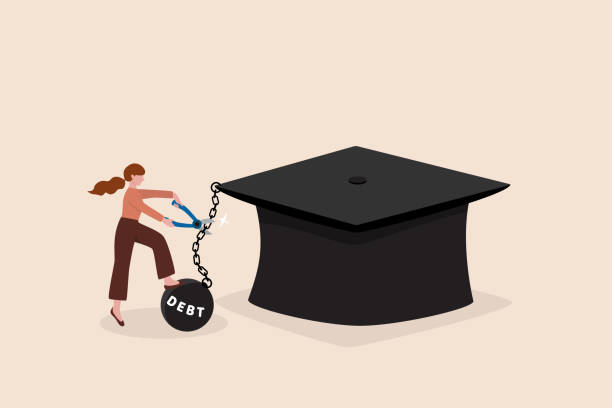
Understanding Your Student Loans
When it comes to managing your student loans, it's essential to understand the difference between federal and private student loans. Federal student loans are provided by the government and typically offer more flexible repayment terms and lower interest rates. For example, federal loans may have interest rates ranging from 4-7%, while private loans can have rates as high as 12-18%.
Federal student loans also offer more borrower-friendly repayment terms, such as income-driven repayment plans and loan forgiveness programs. In contrast, private student loans often have less flexible repayment terms and may not offer the same level of borrower protections. It's crucial to review the terms and conditions of each loan to determine the best course of action.
To track and organize multiple student loans, consider using a spreadsheet or online tool, such as a loan tracker or budgeting app. These tools allow you to:
- View all your loans in one place
- Track interest rates and balances
- Set reminders for payment due dates
By keeping all your loan information in one place, you can easily prioritize your loans and make informed decisions about repayment.
To prioritize your loans, consider focusing on the loans with the highest interest rates or balances first. For example, if you have a private loan with an interest rate of 12% and a balance of $10,000, you may want to prioritize paying that loan off first. On the other hand, if you have a federal loan with a lower interest rate and a smaller balance, you may be able to focus on paying that loan off more slowly.
When prioritizing your loans, it's also essential to consider the repayment terms and any potential penalties for late or missed payments. By understanding the terms of each loan and prioritizing your payments accordingly, you can make the most of your budget and pay off your loans more efficiently. You can also use the snowball method, where you pay off the loan with the smallest balance first, or the avalanche method, where you pay off the loan with the highest interest rate first.

Strategies for Managing Multiple Loans
When dealing with multiple loans, it's essential to have a solid strategy in place to manage your debt effectively. The snowball method is a popular approach that involves paying off loans with the smallest balances first, while making minimum payments on other loans. For instance, if you have a credit card with a $500 balance and a student loan with a $10,000 balance, you would focus on paying off the credit card first.
This method can provide a psychological boost as you quickly eliminate smaller debts and see progress. The snowball method is also relatively easy to implement, as it doesn't require complex calculations or financial expertise. By paying off smaller loans first, you can build momentum and stay motivated to tackle your larger debts.
In contrast, the avalanche method involves focusing on loans with the highest interest rates, regardless of the balance. This approach can save you more money in interest payments over time. For example, if you have a credit card with a $2,000 balance and an 18% interest rate, and a student loan with a $15,000 balance and a 6% interest rate, you would prioritize paying off the credit card first.
Some key considerations when choosing a debt repayment strategy include:
- Interest rates: Loans with higher interest rates can cost you more in the long run.
- Loan terms: Consider the repayment periods and any prepayment penalties.
- Personal preferences: Think about your financial goals and motivation levels.
Consolidating multiple loans into a single loan can be another option, but it's crucial to weigh the pros and cons. On the one hand, consolidation can simplify your payments and potentially lower your interest rate.
However, consolidation may also lead to longer repayment periods, which can increase the total interest paid over time. It's essential to carefully review the terms and conditions of any consolidation loan before making a decision. By considering your individual circumstances and financial goals, you can make an informed choice about the best strategy for managing your multiple loans.

Budgeting and Side Hustles for Loan Repayment
Creating a budget is essential for managing loan repayment, and a good starting point is the 50/30/20 rule. This rule allocates 50% of your income towards necessary expenses like rent and utilities, 30% towards discretionary spending, and 20% towards saving and debt repayment. By following this rule, you can ensure that you have enough money set aside for loan repayment each month.
To increase your income for loan repayment, consider taking on a side hustle. Some popular options include freelancing, tutoring, or selling items online. These side hustles can be done in your spare time and can provide a significant boost to your income, which can then be used to pay off loans.
Here are some side hustles you can consider:
- Freelancing: offer your skills such as writing, graphic design, or social media management to clients on freelance platforms
- Tutoring: use online platforms to offer your teaching services to students who need help with a particular subject
- Selling items online: use platforms like eBay, Craigslist, or Facebook Marketplace to sell items you no longer need or use
These side hustles can help you earn extra money, which can then be used to pay off loans and achieve financial freedom.
Having an emergency fund in place is also crucial for avoiding further debt. This fund can be used to cover unexpected expenses, such as car repairs or medical bills, and can help you avoid going further into debt. Aim to save 3-6 months' worth of living expenses in an easily accessible savings account, and make sure to replenish the fund as needed.
In addition to creating a budget and taking on a side hustle, it's also important to prioritize your loan repayment. Consider paying off high-interest loans first, and make extra payments whenever possible. By following these tips, you can create a plan for loan repayment and achieve financial freedom.

Investing and Financial Health
Paying off high-interest loans can be a form of investment in financial health, as it frees up money in your budget and reduces the amount of interest you owe over time. By prioritizing debt repayment, you can save hundreds or even thousands of dollars in interest payments. For example, paying off a credit card balance with an 18% interest rate can save you a significant amount of money in interest charges.
Investing in your financial health also means starting to invest early, even while paying off loans. This can seem counterintuitive, but putting aside even a small amount each month can add up over time and provide a cushion for future expenses. By starting to invest early, you can take advantage of compound interest and set yourself up for long-term financial success.
Some benefits of starting to invest early include:
- Compound interest: your investments earn interest on both the initial amount and any accrued interest
- Reduced financial stress: having a safety net can provide peace of mind and reduce anxiety about money
- Increased financial flexibility: having investments can provide options for future expenses or opportunities
It's essential to find a balance between paying off debt and investing for the future, as both are important for achieving financial health.
For those looking to learn more about investing and financial planning, there are many resources available. Websites such as Investopedia and The Balance offer a wealth of information on investing and personal finance, including tutorials, articles, and calculators. Additionally, books like "The Total Money Makeover" and "Your Money or Your Life" provide practical advice and strategies for achieving financial health. By taking the time to educate yourself and start investing early, you can set yourself up for long-term financial success and achieve your goals.
Avoiding Default and Delinquency
Defaulting on a student loan can have severe consequences, including damage to credit scores. When a loan is in default, it can negatively impact your credit report, making it harder to get approved for credit cards, apartments, or even a mortgage in the future. For example, a single defaulted loan can drop your credit score by as much as 100 points.
If loan repayment becomes difficult, there are options available to help avoid default. Deferment or forbearance can temporarily suspend or reduce payments, giving you time to get back on your feet. To qualify, you'll typically need to meet specific criteria, such as economic hardship or enrollment in school.
Some common reasons for deferment or forbearance include:
- Unemployment or underemployment
- Economic hardship, such as a significant reduction in income
- Enrollment in school, either full-time or part-time
- Disability or illness that prevents you from working
It's essential to communicate with your loan servicer if you're struggling to make payments, as they can help you explore these options and find a solution that works for you.
Communicating with loan servicers is crucial in avoiding default and delinquency. If you're having trouble making payments, don't hesitate to reach out to your servicer to discuss your options. They may be able to offer temporary relief, such as a payment plan or reduced payments, to help you get back on track.
Seeking help when needed is also vital in managing student loan debt. You can start by contacting your loan servicer or a non-profit credit counseling agency for guidance. Additionally, many lenders offer online resources and tools to help you manage your loans and avoid default. By taking proactive steps and seeking help when needed, you can avoid the consequences of default and stay on top of your student loan debt.

Frequently Asked Questions (FAQ)
How do I consolidate my student loans?
When it comes to managing your student loans, consolidation can be a great option to simplify your finances. Consolidation involves combining multiple loans into a single loan with a potentially lower interest rate and single monthly payment. This can make it easier to keep track of your debt and make timely payments.
To consolidate your student loans, you can start by gathering information about your current loans, including the balance, interest rate, and payment due date for each loan. You can then use this information to compare consolidation options and find the best one for your situation. For example, you may be able to consolidate your federal student loans into a Direct Consolidation Loan, which can offer a lower interest rate and more flexible repayment terms.
Here are some benefits of consolidating your student loans:
- Lower monthly payments: By combining multiple loans into one, you may be able to reduce your monthly payment amount.
- Simplified payments: With a single loan and single monthly payment, you'll have fewer payments to keep track of.
- Potentially lower interest rate: Consolidation may offer a lower interest rate, which can save you money over the life of the loan.
It's also important to consider the potential drawbacks of consolidation, such as losing certain benefits like forgiveness options or income-driven repayment plans. Before making a decision, be sure to review the terms and conditions of your consolidation loan and understand how it will affect your overall financial situation. You can also consult with a financial advisor or student loan expert to get personalized advice and guidance.
In terms of next steps, you can start by contacting your loan servicer or visiting the official website of the US Department of Education to learn more about consolidation options and eligibility requirements. You can also use online tools and resources to compare rates and terms from different lenders and find the best consolidation loan for your needs. By taking the time to research and understand your options, you can make an informed decision and take control of your student loan debt.
Can I refinance my student loans?
Refinancing your student loans can be a great way to save money and make your debt more manageable. This process involves taking out a new loan with a private lender to pay off your existing loans, potentially lowering your interest rates or monthly payments. By doing so, you can simplify your finances and focus on paying off your debt more efficiently.
When considering refinancing, it's essential to understand the benefits and how it can impact your financial situation. For instance, if you have multiple loans with high interest rates, refinancing can help you consolidate them into a single loan with a lower interest rate, resulting in significant savings over time. This can be especially helpful if you have a stable income and a good credit score.
Here are some key things to consider when refinancing your student loans:
- Check your credit score, as a good credit score can help you qualify for better interest rates
- Research and compare rates from different private lenders to find the best option for you
- Consider the repayment terms and ensure they align with your financial goals
By taking the time to understand your options and choose the right lender, you can make informed decisions about your student loans and create a more sustainable financial future.
It's also important to note that refinancing your student loans may not always be the best option, especially if you're currently benefiting from federal loan programs such as income-driven repayment or public service loan forgiveness. Before making a decision, it's crucial to weigh the pros and cons and consider seeking advice from a financial advisor if needed. Additionally, you can use online tools and calculators to determine how much you could save by refinancing your student loans and make a more informed decision.
What happens if I default on a student loan?
Defaulting on a student loan can have severe and long-lasting effects on your financial health. When you default, it means you've failed to make payments on your loan, and this can lead to damaged credit, making it harder to secure loans, credit cards, or even apartments in the future. For example, a single defaulted loan can drop your credit score by as much as 100 points.
One of the most significant consequences of defaulting on a student loan is wage garnishment, where a portion of your paycheck is deducted to pay off the debt. This can be a significant financial burden, especially if you're already living on a tight budget. To avoid this, it's essential to communicate with your lender and explore options for deferment or forbearance if you're struggling to make payments.
In addition to wage garnishment, defaulting on a student loan can also lead to other serious financial consequences, including:
- Collection fees: You may be charged additional fees by collection agencies, which can add up quickly.
- Tax refund offset: The government can seize your tax refund to pay off the debt.
- Lawsuits: In extreme cases, lenders may sue you to collect the debt, which can result in a court judgment against you.
It's crucial to take proactive steps to avoid default, such as setting up automatic payments or seeking help from a financial advisor.
If you're struggling to make payments, don't ignore the problem – reach out to your lender or a financial counselor for guidance. They can help you explore options, such as income-driven repayment plans or temporary hardship programs, to get your loan back on track. By taking control of your debt, you can avoid the serious financial consequences of default and get back on the path to financial stability.