As a young adult, managing your finances effectively is crucial for achieving long-term stability and success. With the ever-changing financial landscape, it's essential to stay informed about the latest trends and strategies that can help you make the most of your money. Whether you're a recent graduate or just starting your career, being aware of the top money trends can make a significant difference in your financial journey.
In 2025, some of the most significant money trends for young adults include side hustles, budgeting, and investing. These areas can have a substantial impact on your financial situation, and understanding how to navigate them can help you build a solid foundation for your financial future. For example, starting a side hustle can help you earn extra income, pay off debt, and build savings.
Some of the key areas to watch in 2025 include:
- side hustles, such as freelancing or selling products online
- budgeting strategies, like the 50/30/20 rule or zero-based budgeting
- investing options, including stocks, bonds, or retirement accounts
By exploring these topics in more detail, you can gain a deeper understanding of how to manage your finances effectively and make informed decisions about your money.
Throughout this article, we'll delve into the top 9 money trends for young adults to watch in 2025, providing you with practical tips and examples to help you get started. Whether you're looking to pay off student loans, build an emergency fund, or start investing in your future, this guide will provide you with the insights and knowledge you need to succeed. By the end of this article, you'll be well-equipped to take control of your finances and make progress towards your long-term goals.

Emerging Side Hustles for Extra Income
The way we work is changing, and remote work opportunities are on the rise. With the advancement of technology, it's now possible to work from anywhere and at any time, making it easier to juggle a side hustle with a full-time job. For instance, virtual assistance, online tutoring, and social media management are just a few examples of remote work opportunities that can bring in extra income.
Many young adults are turning to freelance work to supplement their income, and platforms like Upwork and Fiverr make it easy to find clients and get started. Online tutoring, in particular, is a great option for those with teaching or mentoring experience, as they can use platforms like TutorMe or Chegg to connect with students. By leveraging their skills and expertise, freelancers can earn a decent income and build a loyal client base.
The gig economy is another area that's experiencing rapid growth, with companies like Uber, Lyft, and TaskRabbit leading the way. These platforms provide opportunities for young adults to earn money on their own schedule, whether it's driving for a ride-sharing service or completing tasks for homeowners. To get started, simply sign up for the platform, complete any required training or background checks, and start working.
Some popular gig economy platforms include:
- Uber and Lyft for ride-sharing
- TaskRabbit for task completion and handyman services
- Postmates and DoorDash for food delivery
- Freelancer and Fiverr for freelance work
By capitalizing on these platforms, young adults can earn extra income and gain valuable work experience.
Creating and selling digital products is another way to monetize skills and expertise. This can include online courses, ebooks, and other digital products that solve a problem or meet a need. For example, if you're an expert in marketing, you could create an online course teaching others how to build a successful marketing campaign. Platforms like Udemy and Teachable make it easy to host and sell online courses, and Amazon Kindle Direct Publishing allows authors to self-publish ebooks.
To get started with creating and selling digital products, identify your area of expertise and think about what problems you can solve for others. Then, choose a platform to host your product and start creating. With the right mindset and strategy, it's possible to earn passive income from digital products and build a successful online business. By exploring these emerging side hustles, young adults can take control of their finances and build a more secure financial future.

Budgeting and Expense Tracking Tools
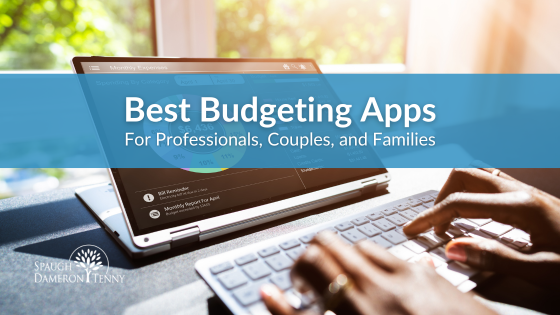
When it comes to managing your finances, having the right tools can make all the difference. Popular budgeting apps like Mint, You Need a Budget (YNAB), and Personal Capital offer a range of features to help you track your expenses and stay on top of your money. For example, Mint allows you to link your bank accounts and credit cards, providing a comprehensive view of your spending.
These apps also offer benefits such as bill tracking, investment monitoring, and financial goal setting. Some apps, like YNAB, focus on helping you assign jobs to every dollar you earn, ensuring that your money is working for you. By using these apps, you can gain a better understanding of your spending habits and make informed decisions about your financial future.
In addition to budgeting apps, spreadsheet budgeting is another effective way to manage your finances. To get started, you can set up a basic budget template in Google Sheets or Microsoft Excel, using columns to track income, fixed expenses, and discretionary spending. This approach allows you to customize your budget to suit your needs and preferences.
Some key features to include in your spreadsheet budget template are:
- Income tracking: record your regular income from all sources
- Fixed expenses: list regular expenses like rent, utilities, and groceries
- Discretionary spending: track expenses like entertainment, hobbies, and travel
By using a spreadsheet to track your expenses, you can identify areas where you can cut back and make adjustments to achieve your financial goals.
Another approach to consider is zero-based budgeting, which involves assigning a job to every dollar you earn. This means that every expense, including savings and debt repayment, is accounted for in your budget. By using zero-based budgeting, you can ensure that your money is being used intentionally and effectively, helping you to achieve financial stability and security.
To implement zero-based budgeting, start by tracking your income and expenses, then categorize your spending into needs, wants, and savings goals. You can use the 50/30/20 rule as a guideline, allocating 50% of your income towards necessities, 30% towards discretionary spending, and 20% towards saving and debt repayment. By following this approach, you can take control of your finances and make progress towards your long-term goals.
Investing and Retirement Planning
When it comes to investing, it's essential to understand the basics. Investing involves putting your money into assets that have a potential for growth, such as stocks, bonds, and ETFs. For example, stocks represent ownership in companies, while bonds are essentially loans to companies or governments, and ETFs are funds that track a specific index or sector.
To get started with investing, you need to consider your risk tolerance, which is your ability to withstand market fluctuations. Diversification is also crucial, as it involves spreading your investments across different asset classes to minimize risk. This can be achieved by investing in a mix of stocks, bonds, and other assets, such as real estate or commodities.
Here are some common types of investments:
- Stocks: represent ownership in companies and offer potential for long-term growth
- Bonds: essentially loans to companies or governments, offering regular income and relatively lower risk
- ETFs: funds that track a specific index or sector, providing diversification and flexibility
These investments can be used to build a retirement portfolio, which is essential for securing your financial future.
Retirement planning is critical, and starting early is key. The power of compound interest can help your investments grow significantly over time, even with modest monthly contributions. For instance, contributing $500 per month to a retirement account from age 25 to 65 can result in a substantial nest egg, thanks to the magic of compound interest.
There are several options for retirement planning, including:
- Roth IRAs: individual retirement accounts that allow tax-free growth and withdrawals
- 401(k): employer-sponsored plans that offer tax benefits and potential employer matching
- Other employer-sponsored plans: such as 403(b) or Thrift Savings Plan, which may offer similar benefits and features
These options can help you build a solid foundation for your retirement savings.
To get started with investing, you'll need to set up a brokerage account, which can be done online or through a financial advisor. You can also explore robo-advisors, which are automated investment platforms that offer low-cost and diversified investment portfolios. For example, popular robo-advisors like Betterment or Wealthfront provide easy-to-use interfaces and professional investment management. By taking the first step and starting to invest, you'll be well on your way to building a secure financial future.

Debt Management and Credit Scores
Paying off high-interest debt is a crucial step in achieving financial freedom. The snowball method, which involves paying off debts with the smallest balances first, can be a great way to build momentum and see quick results. For example, if you have a credit card with a $500 balance and another with a $2,000 balance, you would focus on paying off the $500 balance first.
Another approach is the avalanche method, which involves paying off debts with the highest interest rates first. This can save you the most money in interest over time, but may not provide the same sense of accomplishment as the snowball method. Debt consolidation, which involves combining multiple debts into a single loan with a lower interest rate, can also be a viable option.
To get started with debt repayment, it's essential to understand your credit score and how it's affected by your debt. You can check your credit report for free from the three major credit reporting agencies: Equifax, Experian, and TransUnion. Monitoring your credit report regularly can help you catch errors and identify areas for improvement.
Here are some ways to check and monitor your credit reports:
- Request a free credit report from each of the three major credit reporting agencies once a year
- Use online tools, such as Credit Karma or Credit Sesame, to track your credit score and report
- Set up notifications to alert you to changes in your credit report
Maintaining a good credit score is vital for qualifying for loans and credit cards at favorable interest rates. A good credit score can also help you get approved for apartments, cell phone plans, and other services. To build credit, you can consider becoming an authorized user on someone else's credit card, applying for a secured credit card, or taking out a credit-builder loan.
Some additional tips for building credit include:
- Making on-time payments on all debts and bills
- Keeping credit utilization below 30%
- Avoiding applying for too many credit cards or loans in a short period
By following these strategies and tips, you can pay off high-interest debt, maintain a good credit score, and build a strong financial foundation for the future. Remember to stay patient, disciplined, and informed, and you'll be on your way to achieving financial freedom.
Financial Health and Wellness
Maintaining good financial health is crucial for overall well-being, and it's closely linked to mental health. Financial stress can have a significant impact on mental health, leading to anxiety, depression, and other issues. For instance, worrying about debt or living paycheck to paycheck can affect sleep patterns and overall quality of life.
Setting financial goals is essential for achieving financial stability and reducing stress. This includes setting short-term objectives, such as paying off debt or building an emergency fund, and long-term goals, like saving for retirement or a down payment on a house. Creating a plan to achieve these goals can help individuals stay focused and motivated.
To get started, it's helpful to identify specific goals and break them down into smaller, manageable steps. For example, if the goal is to save $1,000 for an emergency fund, the plan might involve setting aside a certain amount each month or cutting back on unnecessary expenses. Some key considerations when setting financial goals include:
- Assessing current financial situation and identifying areas for improvement
- Determining priority goals and creating a timeline for achievement
- Developing a budget and tracking expenses to stay on track
In addition to setting goals and creating a plan, practicing financial self-care is vital for maintaining good financial health. This involves cultivating a positive relationship with money and taking care of one's financial well-being. Practices like mindfulness, self-compassion, and gratitude can help reduce financial stress and increase feelings of calm and confidence.
Mindfulness, for example, can involve taking a few minutes each day to focus on the present moment and let go of worries about the future or past. This can be as simple as taking a few deep breaths, noticing the surroundings, or paying attention to physical sensations in the body. Self-compassion is also essential, as it involves treating oneself with kindness and understanding when making financial mistakes or encountering setbacks.
Cultivating gratitude is another important aspect of financial self-care, as it involves focusing on the things that are going well and expressing appreciation for what one already has. This can be done by keeping a gratitude journal, writing down things to be thankful for each day, or sharing appreciation with a friend or loved one. By incorporating these practices into daily life, individuals can improve their financial health and overall well-being.
Frequently Asked Questions (FAQ)
What are the most important money trends to watch in 2025?
As we step into 2025, it's essential to stay on top of the latest money trends that can impact our financial lives. The rise of side hustles is one trend that's expected to continue, with more people taking on part-time jobs or freelancing to supplement their income. This shift is driven by the need for financial flexibility and the desire to pursue passions outside of a traditional 9-to-5 job.
The growth of budgeting and expense tracking tools is another trend to watch, as these tools help individuals manage their finances more effectively. With the help of apps like Mint or You Need a Budget, users can track their spending, create budgets, and set financial goals. By leveraging these tools, individuals can make informed decisions about their money and achieve a better balance between saving and spending.
When it comes to investing and retirement planning, the importance of starting early cannot be overstated. Some key areas to focus on include:
- Contributing to a 401(k) or IRA to take advantage of compound interest and tax benefits
- Investing in a diversified portfolio of stocks, bonds, and other assets to minimize risk
- Creating a long-term plan for retirement, including estimating expenses and income needs
By prioritizing these areas, individuals can set themselves up for long-term financial success and security.
In addition to these trends, it's also important to stay informed about changes in the economy and financial markets. This can involve following reputable sources of financial news, such as The New York Times or Forbes, and seeking advice from financial advisors or planners. By staying informed and proactive, individuals can navigate the complexities of personal finance and achieve their financial goals.
How can I get started with investing as a young adult?
As a young adult, taking the first step into investing can seem daunting, but it's a crucial move towards securing your financial future. To begin, it's essential to research and understand different types of investments, such as stocks, bonds, and mutual funds. This knowledge will help you make informed decisions and choose the investments that align with your goals and risk tolerance.
Setting up a brokerage account is a necessary step to start investing, and it's easier than you think. You can open an account with a traditional brokerage firm or an online brokerage platform, such as Fidelity or Robinhood, and fund it with an initial deposit. Many brokerage firms also offer educational resources and tools to help you get started.
When selecting investments, consider your financial goals, risk tolerance, and time horizon. For example, if you're saving for a short-term goal, such as a down payment on a house, you may want to invest in more conservative options, like bonds or money market funds. On the other hand, if you're investing for a long-term goal, like retirement, you may want to consider more aggressive options, like stocks or exchange-traded funds (ETFs).
Here are some ways to get guidance on your investment journey:
- Consult with a financial advisor who can provide personalized advice and help you create a customized investment plan.
- Use a robo-advisor, which is a low-cost, automated investment platform that offers diversified portfolios and professional management.
- Take advantage of online resources, such as investment blogs, podcasts, and webinars, to learn more about investing and stay up-to-date on market trends.
Ultimately, the key to successful investing is to start early, be consistent, and stay informed. By taking the time to research, set up a brokerage account, and consider seeking professional guidance, you'll be well on your way to building a solid investment portfolio and achieving your long-term financial goals. Remember to always prioritize your financial education and stay flexible, as your investment strategy may evolve over time.
What are some effective strategies for paying off high-interest debt?
Paying off high-interest debt can be a daunting task, but with the right strategies, you can overcome it. The snowball method is a popular approach, where you pay off debts with the smallest balances first, while making minimum payments on larger debts. This method provides a psychological boost as you quickly eliminate smaller debts and see progress.
The avalanche method, on the other hand, involves paying off debts with the highest interest rates first, while making minimum payments on other debts. This approach can save you more money in interest payments over time, as you're tackling the most expensive debts first. For example, if you have a credit card with an 18% interest rate and another with a 12% interest rate, you'd prioritize the 18% interest rate debt.
When considering ways to pay off high-interest debt, it's essential to look at your options, including:
- Debt consolidation, which involves combining multiple debts into one loan with a lower interest rate
- Balance transfer options, where you transfer high-interest debt to a credit card with a lower or 0% interest rate
- Credit counseling services, which provide personalized advice and guidance on managing debt
These options can help you simplify your payments, reduce interest rates, and become debt-free faster.
To get started with paying off high-interest debt, it's crucial to assess your financial situation, create a budget, and prioritize your debts. You can also consider automating your payments or setting up a debt repayment plan with a credit counselor. By taking control of your debt and using effective strategies, you can break free from the cycle of high-interest debt and build a more stable financial future.