As a prospective medical student, navigating the complex world of financial aid can be overwhelming. With numerous options available, it's essential to understand the different types of medical school loans to make informed decisions about your financial future. By doing so, you'll be better equipped to manage your debt and focus on your studies.
When exploring medical school loan options, consider factors such as interest rates, repayment terms, and borrowing limits. For instance, federal loans like the Direct Unsubsidized Loan and the Grad PLUS Loan offer competitive interest rates and flexible repayment plans. Private lenders also provide a range of loan options, often with varying interest rates and repayment terms.
To get started, let's take a look at some of the key factors to consider when evaluating medical school loans:
- Interest rates: fixed or variable, and how they impact your monthly payments
- Repayment terms: the length of time you have to repay the loan, and any associated fees
- Borrowing limits: the maximum amount you can borrow, and how it affects your overall debt
By carefully evaluating these factors, you can make an informed decision about which medical school loan is right for you. In the following sections, we'll delve into the best medical school loans for 2025, providing you with the information you need to secure the financial aid that suits your needs.
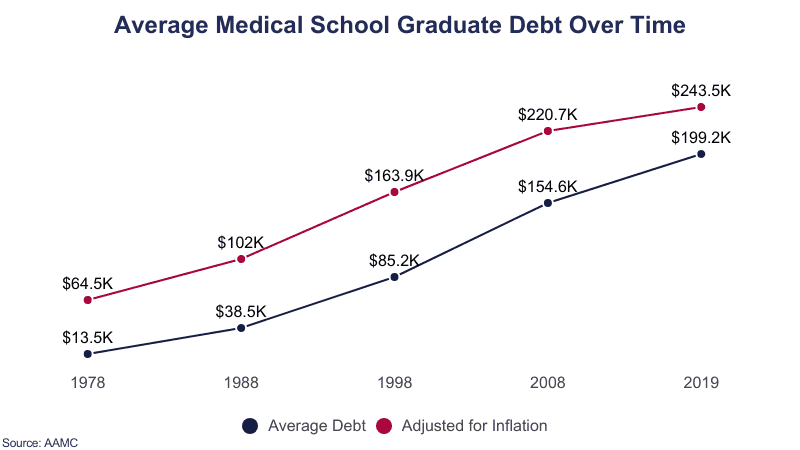
Understanding Medical School Loans
When it comes to financing medical school, there are several loan options available to students. Federal loans, such as the Federal Direct Unsubsidized Loan and the Federal Direct Grad PLUS Loan, are popular choices among medical students. These loans offer fixed interest rates and flexible repayment terms, making them a good option for those who want to borrow from the federal government.
Private loans, on the other hand, are offered by banks, credit unions, and other lenders, and often have variable interest rates and repayment terms. Some private lenders offer perks like no origination fees or rewards for good grades. For example, a private lender may offer a 0.25% interest rate reduction for borrowers who make automatic payments.
To compare and contrast different loan options, consider the following factors:
- Interest rates: Look for loans with low, fixed interest rates to minimize your debt burden
- Repayment terms: Choose a loan with a repayment term that fits your budget and financial goals
- Fees: Check for origination fees, late payment fees, and other charges that can add to your debt
By evaluating these factors, you can find the best loan option for your medical school education and set yourself up for financial success.
Some federal loan options, like the Public Service Loan Forgiveness (PSLF) program, offer forgiveness or discharge options for borrowers who work in certain fields, such as non-profit or government healthcare. For instance, if you plan to work as a doctor in a low-income community, you may be eligible for loan forgiveness after making a certain number of qualifying payments.
Private loans often have more stringent credit requirements and may require a co-signer, but they can offer more competitive interest rates and terms for borrowers with good credit. To illustrate, a borrower with a good credit score may qualify for a private loan with a 4.5% interest rate, while a federal loan may have a higher interest rate of 6%. By weighing the pros and cons of each type of loan, you can make an informed decision about how to finance your medical school education.
Top Medical School Loans for 2025
As a medical student, navigating the complex world of loans can be overwhelming. To help, we've compiled a list of top medical school loans for 2025, including their interest rates, repayment terms, and borrower benefits. These loans offer competitive rates and flexible repayment options, making it easier to focus on your studies.
When considering medical school loans, it's essential to review the application and approval process for each option. Most lenders require a credit score of 650 or higher, as well as a stable income or a co-signer with a good credit history. For example, the Federal Direct Unsubsidized Loan has a credit score requirement of 650, while the Discover Medical School Loan requires a minimum credit score of 700.
Here are some top medical school loans for 2025:
- Federal Direct Unsubsidized Loan: 5.28% interest rate, 10-25 year repayment term
- Discover Medical School Loan: 4.49% - 12.99% interest rate, 20-25 year repayment term
- Sallie Mae Medical School Loan: 4.25% - 11.79% interest rate, 15-20 year repayment term
These loans offer various borrower benefits, such as deferment options, forbearance, and discounts for automatic payments. It's crucial to carefully review the terms and conditions of each loan to determine which one best suits your needs.
To optimize your loan application and increase approval chances, it's essential to maintain a good credit score, as this can help reduce interest rates. You can also consider applying with a co-signer, such as a parent or guardian, who has a stable income and good credit history. Additionally, submitting all required documents promptly and ensuring accuracy in your application can help streamline the approval process.
In terms of repayment, many lenders offer flexible options, such as income-driven repayment plans or loan forgiveness programs. For instance, the Public Service Loan Forgiveness (PSLF) program forgives the remaining balance on a Direct Loan after 120 qualifying payments. It's essential to explore these options and discuss them with your lender to determine the best repayment strategy for your situation.
To reduce interest rates, consider making timely payments, enrolling in automatic payment plans, or making extra payments when possible. You can also explore loan consolidation or refinancing options, which can help simplify your payments and potentially lower your interest rate. By carefully reviewing your loan options and repayment terms, you can make informed decisions about your medical school financing and set yourself up for long-term financial success.

Repayment and Forgiveness Options
When it comes to repaying medical school loans, there are several options available to help make the process more manageable. Income-driven repayment plans, for example, can help lower monthly payments based on income and family size. This can be especially helpful for those with high debt-to-income ratios.
Medical school loan borrowers can choose from various repayment options, including:
- Income-driven repayment plans, such as Income-Based Repayment (IBR) and Pay As You Earn (PAYE)
- Loan forgiveness programs, like Public Service Loan Forgiveness (PSLF) and National Health Service Corps (NHSC) Loan Repayment Program
- Standard repayment plans, which offer fixed monthly payments over a set period
Each of these options has its pros and cons, including potential tax implications and credit score impacts.
For instance, income-driven repayment plans can offer lower monthly payments, but may result in paying more in interest over the life of the loan. On the other hand, loan forgiveness programs can offer significant debt relief, but often require specific employment or service commitments. To illustrate, a doctor working for a non-profit hospital may be eligible for PSLF, which can forgive their remaining loan balance after 10 years of qualifying payments.
To create a personalized repayment plan, it's essential to consider individual financial goals and circumstances. For example, a resident with high-interest loans may prioritize paying those off first, while a fellow with lower-interest loans may focus on building an emergency fund. By weighing the pros and cons of each repayment option and considering factors like tax implications and credit score impacts, borrowers can develop a tailored plan to minimize debt and maximize savings.
Ultimately, a well-informed and strategic approach to repayment can help medical school loan borrowers achieve financial stability and success. By exploring the various repayment options and considering individual circumstances, borrowers can make the most of their financial resources and achieve their long-term goals. For example, using a loan repayment calculator or consulting with a financial advisor can help borrowers create a personalized plan that works best for them.

Budgeting and Debt Management Strategies
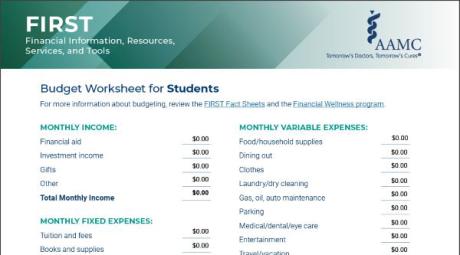
As a medical student, managing your finances effectively is crucial to reduce financial stress and focus on your studies. Budgeting and debt management are essential skills to master, as they can help you make the most of your limited income and navigate the challenges of medical school. By creating a budget, you can identify areas where you can cut back on unnecessary expenses and allocate your resources more efficiently.
To reduce expenses, consider sharing an apartment with roommates, cooking your own meals instead of eating out, and canceling subscription services you don't use. You can also look for ways to increase your income, such as taking on a part-time job or freelancing in your spare time. For example, you could tutor students in a subject you excel in or work as a medical scribe to gain valuable experience and earn extra money.
When it comes to debt management, prioritizing your debts is key. You can create a debt snowball plan, where you pay off your smallest debts first, or a debt avalanche plan, where you focus on paying off your debts with the highest interest rates first. Here are some steps to create a debt plan:
- Make a list of all your debts, including the balance, interest rate, and minimum payment for each one
- Sort your debts by balance or interest rate, depending on your chosen plan
- Pay the minimum payment on all debts except the one you're focusing on, which you'll pay as much as possible towards
To access budgeting and debt management tools, you can use online resources such as budgeting spreadsheets and apps. Some popular options include Mint, You Need a Budget (YNAB), and Personal Capital, which offer free trials or affordable subscription plans. These tools can help you track your expenses, create a budget, and set financial goals, making it easier to manage your finances and stay on top of your debt.
Additionally, many medical schools and financial institutions offer resources and guidance on budgeting and debt management specifically for medical students. You can also reach out to a financial advisor or credit counselor for personalized advice on managing your debt and creating a budget that works for you. By taking control of your finances and creating a plan to manage your debt, you can reduce your stress levels and focus on your studies, setting yourself up for success in your medical career.
Conclusion and Next Steps
As you near the end of this article, it's essential to recap the critical information discussed. The top medical school loans and repayment options were explored, providing a comprehensive understanding of the financial aid available to medical students. By grasping these concepts, students can make informed decisions about their financial futures.
To get started, medical students should apply for loans through the Free Application for Federal Student Aid (FAFSA) and explore additional loan options, such as the Federal Direct Unsubsidized Loan and the Federal Direct Graduate PLUS Loan. Creating a repayment plan is also crucial, as it helps students manage their debt and make timely payments. A well-structured plan can be the difference between financial stability and overwhelm.
Some key action steps for medical students include:
- Researching and applying for loan forgiveness programs, such as the Public Service Loan Forgiveness (PSLF) program
- Considering income-driven repayment plans, like the Income-Based Repayment (IBR) plan
- Building an emergency fund to cover unexpected expenses and avoid further debt
By taking these steps, medical students can set themselves up for long-term financial success and reduce the burden of their medical school debt.
For those seeking additional guidance, there are numerous resources available, including financial aid offices at medical schools, online forums, and professional organizations. The Association of American Medical Colleges (AAMC) and the Financial Aid Association (FAA) are excellent places to start, offering a wealth of information and support for managing medical school debt. By leveraging these resources and taking proactive steps, medical students can navigate the complex world of medical school financing with confidence.

Frequently Asked Questions (FAQ)
What are the best medical school loans for 2025?
When it comes to financing your medical education, it's essential to explore all available options. Federal student loans are a great place to start, as they often offer more flexible repayment terms and forgiveness programs. For instance, the William D. Ford Federal Direct Loan Program provides low-interest loans with a fixed interest rate.
Private lenders also offer competitive medical school loans with attractive interest rates and repayment terms. These loans can be used to cover expenses not covered by federal loans, such as living expenses and equipment costs. Some popular private lenders include Sallie Mae, Discover, and Wells Fargo.
To get the best deal, it's crucial to compare rates and terms from multiple lenders. Here are some key factors to consider when choosing a medical school loan:
- Interest rate: Look for loans with low, fixed interest rates to minimize your debt burden.
- Repayment terms: Consider loans with flexible repayment plans, such as income-driven repayment or deferment options.
- Fees: Check for any origination fees or late payment fees that may add to your overall cost.
In 2025, some of the best medical school loans will likely come from lenders that offer competitive interest rates and repayment terms. For example, the Federal Perkins Loan Program offers a fixed interest rate of 5% and a 9-month grace period after graduation. By doing your research and comparing rates, you can find the best medical school loan to suit your needs and budget.
It's also important to consider forgiveness programs and other benefits when choosing a medical school loan. Some loans, such as the Public Service Loan Forgiveness Program, offer forgiveness options for borrowers who work in public service or non-profit roles. By understanding your options and choosing the right loan, you can set yourself up for success and minimize your debt burden after graduation.
How do I apply for medical school loans?
When considering medical school, one of the most significant concerns is often the financial burden. To alleviate some of this stress, students can explore various loan options to help fund their education. By doing research and comparing different loans, students can make informed decisions about which options best suit their needs.
Before applying for medical school loans, it's essential to check your credit score, as this can impact the interest rates and terms of your loan. A good credit score can lead to more favorable loan conditions, so it's crucial to review your credit report and work on improving your score if necessary. You can request a free credit report from the three major credit bureaus to get started.
To apply for medical school loans, students typically need to submit applications through the loan provider's website or their school's financial aid office. Here are some steps to follow:
- Research and compare different loan options, including federal and private loans
- Review and understand the terms and conditions of each loan
- Gather required documents, such as tax returns and identification
By taking these steps, students can navigate the loan application process with confidence and make progress toward securing the funds they need to pursue their medical education.
In addition to federal loans, such as the Direct Unsubsidized Loan and the Grad PLUS Loan, students may also consider private loan options from lenders like Sallie Mae or Discover. It's essential to carefully review the terms and conditions of each loan, including interest rates and repayment terms, to ensure you're making the best decision for your financial situation. By exploring all available options and choosing the right loan for your needs, you can set yourself up for success and focus on your medical studies.
Can medical school loans be forgiven?
As a medical student, managing debt can be overwhelming, but there's good news: some medical school loans can be forgiven. This is often made possible through programs designed to incentivize professionals to work in certain fields or locations. For instance, doctors who work in public health or non-profit organizations may be eligible for loan forgiveness.
One popular option is the Public Service Loan Forgiveness program, which forgives the remaining balance on a borrower's loan after 120 qualifying payments. This program is particularly beneficial for medical professionals who work in public service roles, such as those employed by government agencies or non-profit organizations. By understanding the requirements and eligibility criteria, medical students can make informed decisions about their career paths and loan repayment strategies.
Some lenders also offer loan forgiveness options, which can provide additional relief for medical students. These options may vary depending on the lender and the specific loan program, so it's essential to review the terms and conditions carefully. Here are some examples of loan forgiveness options:
- Income-driven repayment plans that forgive remaining balances after a set period
- Loan forgiveness programs for specific specialties, such as primary care or pediatrics
- Employer-sponsored loan forgiveness programs, which may be offered as a benefit to employees
To take advantage of these loan forgiveness options, medical students should research and understand the eligibility criteria, application processes, and potential tax implications. By exploring these opportunities and creating a strategic plan, medical professionals can minimize their debt burden and focus on their careers. It's also crucial to stay up-to-date on any changes to loan forgiveness programs and lender offerings to maximize the benefits available.