As a young adult, navigating the world of student loans can be overwhelming, especially when considering the need for a cosigner. No-cosigner student loans offer a viable alternative, allowing students to secure funding without relying on a parent or guardian. This option is particularly useful for independent students or those who do not have a creditworthy cosigner.
No-cosigner student loans provide numerous benefits, including increased independence and financial responsibility. By taking out a loan in their own name, students can establish a credit history and develop essential money management skills. For example, making timely payments on a no-cosigner student loan can help improve credit scores over time.
Some key advantages of no-cosigner student loans include:
- Increased accessibility for students without a creditworthy cosigner
- Opportunities for students to establish their own credit history
- Greater financial independence and responsibility
By understanding the benefits and options available, young adults can make informed decisions about their financial aid and set themselves up for long-term success. It is essential to research and compare different lenders and loan terms to find the best fit for individual needs.
When exploring no-cosigner student loans, it is crucial to consider factors such as interest rates, repayment terms, and fees. Students should also review their eligibility and application requirements, as these may vary between lenders. By doing so, young adults can make the most of their financial aid options and achieve their educational goals.
Top No-Cosigner Student Loan Companies
As a young adult, navigating the world of student loans can be overwhelming, especially when you don't have a cosigner. However, there are several companies that offer no-cosigner student loans with competitive interest rates and flexible repayment terms. Companies like College Ave, Funding U, and SoFi are great options to consider, as they cater to students who are looking for affordable and manageable loan options.
When exploring no-cosigner student loan companies, look for lenders that provide borrower protections, such as deferment and forbearance options, to help manage debt during financial hardships. These options can be a lifesaver if you're facing unexpected expenses or financial difficulties. For instance, if you lose your job or need to take a break from school, having the option to defer or forbear your loan payments can help you avoid defaulting on your loan.
To make an informed decision, research and compare loan terms from different lenders, including:
- Origination fees: These are fees charged by the lender for processing your loan application
- Late payment fees: These are fees charged if you miss a payment or pay late
- Credit score requirements: Some lenders may have stricter credit score requirements than others
By carefully reviewing and comparing these terms, you can find a loan that fits your financial situation and helps you achieve your educational goals. It's also essential to read reviews and check the lender's reputation to ensure you're working with a reputable company.

How to Qualify for No-Cosigner Student Loans
To qualify for no-cosigner student loans, it's essential to establish a good credit history. This can be achieved by making on-time payments for all debts, including credit cards, loans, and utility bills. By doing so, you demonstrate your ability to manage debt responsibly and increase your chances of getting approved for a loan without a cosigner.
Building a strong credit history also involves keeping credit utilization low, which means using less than 30% of the available credit limit on your credit cards. For example, if you have a credit card with a $1,000 limit, try to keep your balance below $300. Monitoring credit reports for errors is also crucial, as incorrect information can negatively impact your credit score.
If you're struggling to qualify for a no-cosigner student loan, consider a co-signer release option. This allows borrowers to remove a co-signer from the loan after a specified number of payments, usually 12-36 months. Some lenders offer this option, which can be beneficial for borrowers who want to take full responsibility for their loan.
Some lenders use alternative credit scoring models that consider factors beyond traditional credit history, such as:
- Income: Your current income and income potential can be used to evaluate your creditworthiness.
- Employment: A stable job and steady income can demonstrate your ability to repay the loan.
- Education history: Your academic achievements and field of study can be used to assess your creditworthiness.
These alternative models can be beneficial for students who have limited credit history or no credit at all. By researching lenders that offer these models, you may be able to qualify for a no-cosigner student loan.
Comparing No-Cosigner Student Loan Options
When exploring no-cosigner student loan options, it's essential to compare interest rates among lenders to find the best fit for your financial situation. Interest rates can significantly impact the total cost of the loan, so consider lenders that offer competitive rates, such as 4.5% to 12.6% APR. For example, a lender offering a 6% interest rate may be a better option than one with a 10% rate, resulting in lower monthly payments.
To make an informed decision, consider the repayment terms offered by each lender, including the loan term, monthly payment amount, and any prepayment penalties. Repayment terms can vary significantly, with some lenders offering flexible repayment plans, such as income-driven repayment or deferred payment options. Evaluating these terms can help you choose a lender that aligns with your financial goals and circumstances.
In addition to interest rates and repayment terms, it's crucial to evaluate the fees associated with each loan, including:
- Origination fees, which can range from 1% to 5% of the loan amount
- Late payment fees, which can be a flat fee or a percentage of the overdue amount
- Interest paid over the life of the loan, which can add up quickly if not managed properly
By considering these fees, you can calculate the total cost of the loan and make a more informed decision.
Evaluating a lender's customer service and support is also vital, as it can impact your overall borrowing experience. Look for lenders that offer a range of support options, including online resources, phone support, and in-person support. Some lenders may also provide additional resources, such as financial literacy tools or repayment guidance, to help you manage your loan effectively. By prioritizing customer service, you can ensure a smoother and more supportive borrowing experience.
Managing No-Cosigner Student Loan Debt
When dealing with no-cosigner student loan debt, it's essential to start by creating a budget and prioritizing debt repayment. This involves tracking your income and expenses to understand where your money is going and making adjustments to allocate more funds towards debt repayment. By focusing on high-interest loans first, you can save money on interest charges over time.
To make your monthly payments more manageable, consider income-driven repayment plans, such as Income-Based Repayment (IBR) or Pay As You Earn (PAYE). These plans can lower your monthly payments based on your income and family size, making it easier to stay on top of your debt. For example, if you're earning a lower income, your monthly payments could be significantly reduced, giving you some breathing room in your budget.
Here are some key benefits of income-driven repayment plans:
- Lower monthly payments based on your income and family size
- Forgiveness of any remaining balance after 20 or 25 years of qualifying payments
- Flexibility to switch to a different repayment plan if your income changes
Additionally, exploring loan forgiveness options can be a great way to eliminate some or all of your debt.
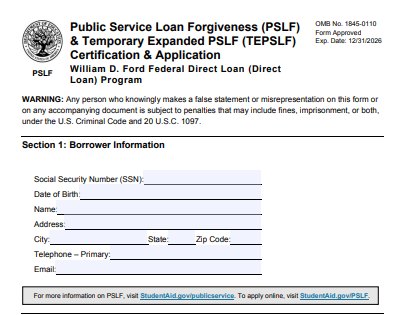
Loan forgiveness options, such as Public Service Loan Forgiveness (PSLF), are available for borrowers working in public service jobs, including government, non-profit, and teaching positions. To qualify for PSLF, you'll need to make 120 qualifying payments while working full-time for a qualifying employer. This can be a significant benefit, as it can save you thousands of dollars in interest and principal payments over the life of your loan.

Frequently Asked Questions (FAQ)
What credit score is required for a no-cosigner student loan?
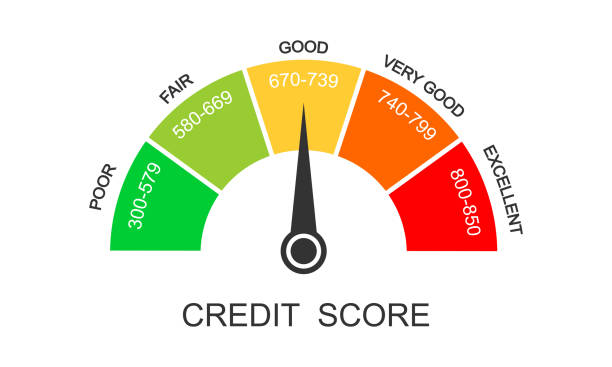
When it comes to securing a no-cosigner student loan, your credit score plays a significant role in determining your eligibility. The required credit score varies by lender, but most no-cosigner student loan companies require a minimum credit score of 650. This means that students with a good credit history have a better chance of getting approved for a loan without a cosigner.
To give you a better idea, here are some general credit score requirements for no-cosigner student loans:
- A minimum credit score of 650 is often required for most lenders
- Some lenders may accept credit scores as low as 620, but this may come with less favorable terms
- Having a credit score of 700 or higher can help you qualify for better interest rates and repayment terms
It's essential to check your credit score before applying for a no-cosigner student loan to determine your eligibility and potential interest rates.
If you're a student with a limited credit history, you may want to consider building your credit score before applying for a loan. You can do this by making on-time payments on your credit cards, paying off debts, and avoiding new credit inquiries. By taking these steps, you can improve your credit score and increase your chances of getting approved for a no-cosigner student loan with favorable terms.
In addition to checking your credit score, it's also crucial to research and compares different lenders to find the best option for your needs. Look for lenders that offer competitive interest rates, flexible repayment terms, and minimal fees. By doing your research and understanding the credit score requirements, you can make an informed decision and secure a no-cosigner student loan that helps you achieve your educational goals.
Can I get a no-cosigner student loan with bad credit?
When it comes to securing a no-cosigner student loan with bad credit, the process can be daunting. Many traditional lenders rely on credit scores to determine eligibility, making it tough for those with poor credit to qualify. However, some lenders are now offering alternative credit scoring models that consider additional factors beyond credit history.
These alternative models may take into account other criteria, such as income, employment history, and academic performance. For example, some lenders might consider students with a stable income or those who are pursuing a degree in a high-demand field. This can be a more holistic approach to evaluating creditworthiness, rather than relying solely on credit scores.
Some lenders also offer co-signer release options, which allow borrowers to release their co-signer from the loan after a certain number of on-time payments. This can be a good option for students who are unable to qualify for a no-cosigner loan initially, but want to eventually take on the responsibility of the loan themselves.
- Make a certain number of on-time payments, typically 12-36 months
- Meet specific credit score requirements
- Provide proof of income and employment stability
By exploring these options, students with bad credit may be able to secure a no-cosigner student loan or work towards releasing their co-signer in the future. It's essential to research and compare different lenders to find the best fit for your individual circumstances.
How do I apply for a no-cosigner student loan?
To get started with a no-cosigner student loan, you can typically apply online through the lender's website. This process is often straightforward and can be completed from the comfort of your own home. You will usually need to create an account or log in to an existing one to begin your application.
When applying, you will need to provide personal and financial information, which may include your name, address, and social security number. Additionally, you may be required to submit documentation such as tax returns and pay stubs to verify your income and eligibility. This information helps lenders assess your creditworthiness and determine the loan amount you qualify for.
Some lenders may also require additional documentation, such as:
- Proof of enrollment in a degree-granting program
- Transcripts or academic records
- Employment verification
It's essential to review the lender's requirements carefully and gather all necessary documents before submitting your application to avoid delays or complications.
Once you have submitted your application, the lender will review your information and may request additional documentation if needed. After approval, you will receive a loan offer outlining the terms and conditions, including the interest rate, repayment terms, and loan amount. Be sure to carefully review the offer and ask questions if you're unsure about any aspect of the loan before accepting it.