As a young adult, managing student loan debt can be overwhelming, but with the right approach, it's entirely possible to pay off your loans efficiently. This guide is designed to provide you with a step-by-step plan to tackle your debt and achieve financial freedom. By following the strategies outlined in this guide, you'll be able to create a personalized plan that suits your financial situation and goals.
Paying off student loans requires a combination of discipline, patience, and smart financial decisions. For instance, consider consolidating your loans to simplify your payments and potentially lower your interest rates. You can also take advantage of tax deductions on your student loan interest to reduce your taxable income.
To get started, it's essential to understand the different types of student loans and their repayment options. Here are some key factors to consider:
- Types of student loans, such as federal and private loans
- Repayment plans, including income-driven repayment and standard repayment
- Loan forgiveness programs and their eligibility criteria
By understanding these factors, you'll be able to make informed decisions about your loan repayment and create a plan that works best for you.
Throughout this guide, we'll explore practical tips and strategies for paying off student loans, such as creating a budget, increasing your income, and using debt repayment tools. We'll also discuss common pitfalls to avoid and provide examples of successful debt repayment stories to motivate and inspire you. Whether you're a recent graduate or several years into repayment, this guide will provide you with the knowledge and confidence to take control of your student loan debt and achieve long-term financial success.
Understanding Your Loans
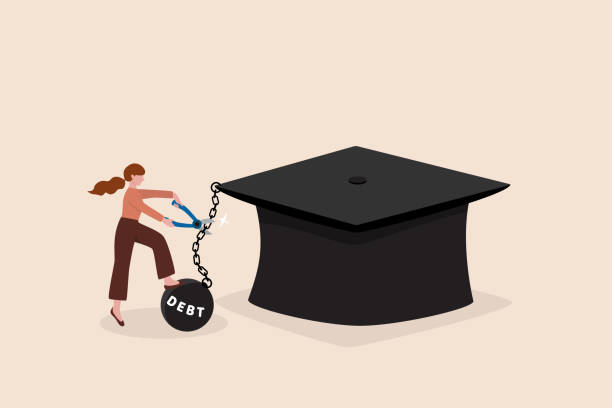
To get a handle on your loans, it's essential to calculate the total amount owed, including interest rates and repayment terms for each loan. This will give you a clear picture of your financial obligations and help you prioritize your payments. For instance, if you have a federal student loan with a 4% interest rate and a private loan with a 6% interest rate, you may want to focus on paying off the private loan first.
When dealing with multiple loans, it's crucial to distinguish between federal and private loans, as they often have different repayment terms and interest rates. Federal loans, for example, may offer income-driven repayment plans or loan forgiveness options, while private loans typically do not. Understanding the differences between these loan types will help you apply the most beneficial repayment strategies.
Some key factors to consider for each loan include:
- Interest rate: Is it fixed or variable, and how will it impact your monthly payments?
- Repayment term: How long do you have to pay off the loan, and are there any prepayment penalties?
- Fees: Are there any origination fees, late payment fees, or other charges associated with the loan?
By carefully reviewing these factors, you can make informed decisions about how to manage your loans and minimize your debt burden.
If you're struggling to keep track of multiple loans with different repayment terms and interest rates, you may want to consider loan consolidation or refinancing options. These strategies can simplify your payments and potentially lower your interest rates, making it easier to manage your debt. For example, consolidating multiple private loans into a single loan with a lower interest rate could save you hundreds of dollars in interest over the life of the loan.
Before pursuing loan consolidation or refinancing, however, it's essential to weigh the pros and cons and consider your individual financial situation. You may want to speak with a financial advisor or use online tools to determine whether these options are right for you. By taking a proactive and informed approach to managing your loans, you can take control of your debt and achieve greater financial stability.

Budgeting for Loan Repayment
When it comes to managing your finances after graduation, creating a budget that prioritizes loan repayment is essential. This involves allocating a fixed amount each month towards your loans, which will help you stay on track and avoid missing payments. For instance, if you have a monthly income of $4,000, you could allocate $1,000 towards loan repayment.
To make the most of your budget, consider implementing the 50/30/20 rule. This rule suggests that 50% of your income should go towards necessities like rent, utilities, and groceries, while 30% is allocated for discretionary spending, and 20% for saving and debt repayment. By following this rule, you can ensure that you're striking a balance between enjoying your life and paying off your loans.
Here are some tips to help you allocate your income effectively:
- Start by tracking your expenses to understand where your money is going
- Make a list of your necessities, discretionary spending, and savings goals
- Use the 50/30/20 rule as a guideline to allocate your income accordingly
Automating your loan payments is another great way to ensure timely payments and reduce the risk of missed payments. By setting up automatic transfers from your checking account to your loan account, you can avoid late fees and penalties, and make steady progress towards becoming debt-free. This can be easily done through your bank's online platform or your loan provider's website.
Increasing Income for Faster Repayment
To accelerate loan repayment, it's essential to focus on increasing your income. Exploring side hustles can be a great way to boost your monthly earnings, and freelancing is a popular option. For instance, you can offer your skills such as writing, graphic design, or social media management on platforms like Upwork or Fiverr.
Investing in personal development can also enhance your career prospects and lead to potential salary increases. This can include taking online courses or attending workshops to improve your skills and knowledge in a particular area. By doing so, you can increase your earning potential and make more significant payments towards your loans.
Some side hustles that can significantly increase your monthly income include:
- Part-time jobs, such as tutoring, pet-sitting, or house-sitting
- Selling products online through e-commerce platforms like Amazon or Etsy
- Ride-sharing or delivery services, such as Uber or DoorDash
These side hustles can provide a steady stream of income, which can be used to make extra payments towards your loans.
Another way to increase your income is to sell unwanted items or assets. This can include selling old furniture, electronics, or even a vehicle. You can use the proceeds to make a lump sum payment towards your loans, which can help reduce the principal amount and save on interest. For example, you can sell your unwanted items on platforms like eBay, Craigslist, or Facebook Marketplace.
By implementing these strategies, you can increase your income and make faster progress on your loan repayment journey. It's essential to be consistent and patient, as it may take some time to see the results. However, with persistence and dedication, you can achieve your financial goals and become debt-free.

Strategies for Accelerated Repayment
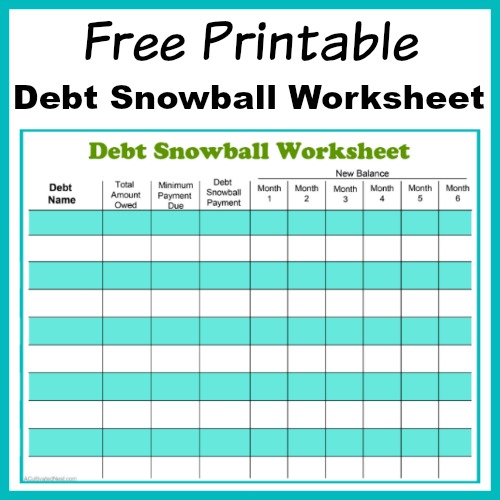
When it comes to paying off loans, having a solid strategy in place can make all the difference. One approach is to apply the snowball method, which involves paying off loans with the smallest balances first. This can help build psychological momentum, as you'll be able to quickly eliminate smaller debts and see progress sooner.
For example, let's say you have two loans: one with a balance of $1,000 and an interest rate of 6%, and another with a balance of $5,000 and an interest rate of 4%. If you use the snowball method, you would focus on paying off the $1,000 loan first, as it has the smallest balance. This can give you a sense of accomplishment and motivate you to keep going.
Another approach is to use the avalanche method, which involves focusing on loans with the highest interest rates to save on interest over time. This can be a more cost-effective approach in the long run, as you'll be reducing the amount of interest you owe on your loans. Here are some key considerations when using the avalanche method:
- Make a list of all your loans, including their balances and interest rates
- Sort the list by interest rate, with the highest rates first
- Focus on paying off the loans with the highest interest rates first
In addition to using the snowball or avalanche method, you can also try making bi-weekly payments instead of monthly payments. This can help reduce the principal amount faster, as you'll be making more frequent payments throughout the year. For instance, if you normally pay $1,000 per month, you could try making bi-weekly payments of $500 instead. This can add up to an extra payment per year, which can help you pay off your loans faster.

Maintaining Financial Health
Monitoring your financial health is crucial, and one key aspect of this is keeping track of your credit score. Your credit score can be affected by your loan repayment history, so making timely payments is essential. For instance, missing a student loan payment can lower your credit score, making it harder to get loans or credit cards in the future.
To avoid complicating your financial situation, it's a good idea to avoid taking on new debt while repaying student loans. This means being mindful of your spending habits and avoiding credit card debt or personal loans. By doing so, you can focus on paying off your existing debt and build a more stable financial foundation.
Building an emergency fund is also vital for maintaining financial health. This fund should cover 3-6 months of living expenses, providing a safety net in case of unexpected events, such as job loss or medical emergencies. Some practical tips for building an emergency fund include:
- Setting aside a fixed amount each month
- Avoiding unnecessary expenses
- Using a separate savings account to keep your emergency fund separate from your everyday spending money
Having a solid emergency fund in place can give you peace of mind and help you stay on track with your financial goals. It's also important to review and adjust your budget regularly to ensure you're on track with your financial goals. By following these tips and staying committed to your financial plan, you can achieve long-term financial stability and security.

Frequently Asked Questions (FAQ)
What is the best strategy for paying off student loans quickly?
When it comes to paying off student loans quickly, creating a budget is essential. Start by tracking your expenses to see where your money is going, and then make a plan to allocate your income towards loan repayment. This will help you identify areas where you can cut back and put more money towards your loans.
Increasing your income can also play a significant role in paying off student loans quickly. Consider taking on a side job, freelancing, or asking for a raise at your current job to boost your earnings. Even an extra $100 per month can make a big difference in the long run.
There are several debt repayment methods that can help you pay off your student loans quickly, including the snowball and avalanche methods.
- The snowball method involves paying off loans with the smallest balances first, while making minimum payments on larger loans.
- The avalanche method involves paying off loans with the highest interest rates first, which can save you more money in interest over time.
For example, if you have a loan with a $1,000 balance and a 6% interest rate, and another loan with a $5,000 balance and a 4% interest rate, the avalanche method would prioritize the loan with the 6% interest rate.
Applying a combination of these strategies can help you pay off your student loans quickly and efficiently. By budgeting, increasing your income, and using a debt repayment method that works for you, you can make significant progress on your loans and achieve financial freedom sooner. It's also important to stay motivated and track your progress along the way, which can help you stay on track and reach your goals.
How can I lower my student loan interest rates?
Lowering your student loan interest rates can make a significant difference in the amount you pay over the life of your loan. If interest rates have dropped since you initially borrowed, it may be worth exploring refinancing options. This can be especially beneficial if you have a good credit score, as you may be able to qualify for a lower interest rate.
Refinancing your loans can be a bit complex, so it's essential to do your research and compare rates from different lenders. You can start by checking with your current lender to see if they offer any refinancing options, or you can look into private lenders that specialize in student loan refinancing. Some popular options include SoFi, LendingClub, and CommonBond.
In addition to refinancing, income-driven repayment plans can also help lower your monthly payments and potentially reduce your interest rate. These plans are based on your income and family size, and can be a good option if you're struggling to make your payments. Some examples of income-driven repayment plans include:
- Income-Based Repayment (IBR) plans, which cap your monthly payments at 10-15% of your discretionary income
- Pay As You Earn (PAYE) plans, which also cap your monthly payments at 10% of your discretionary income
- Income-Contingent Repayment (ICR) plans, which calculate your monthly payments based on your income and loan balance
When considering income-driven repayment plans, it's crucial to understand the eligibility criteria and potential tax implications. You can start by visiting the Federal Student Aid website to learn more about the different plans and to see if you qualify. You can also contact your lender or a financial advisor for personalized guidance and support.
Ultimately, lowering your student loan interest rates requires some research and planning, but it can be well worth the effort. By exploring refinancing options and income-driven repayment plans, you can potentially save thousands of dollars over the life of your loan and make your monthly payments more manageable. Remember to always review the terms and conditions of any new loan or repayment plan before making a decision, and don't hesitate to seek help if you need it.
Are there any forgiveness programs for student loans?
If you're struggling to repay your student loans, there's good news - several forgiveness programs can help. These programs are designed to provide relief to borrowers who work in specific fields or meet certain eligibility criteria. For instance, if you're a teacher, you may be eligible for teacher loan forgiveness programs that can help you save thousands of dollars.
Public Service Loan Forgiveness (PSLF) is another popular program that offers loan forgiveness to borrowers who work full-time for a qualifying employer, such as a government agency or non-profit organization. To qualify, you'll need to make 120 qualifying payments and meet other eligibility requirements. This program can be a game-changer for borrowers who are dedicated to public service.
Some of the forgiveness programs available include:
- Public Service Loan Forgiveness (PSLF)
- Teacher Loan Forgiveness
- Perkins Loan Cancellation
- Income-Driven Repayment (IDR) forgiveness
Each program has its own set of eligibility requirements and application process, so it's essential to research and understand the details before applying. By exploring these options, you can potentially reduce your debt burden and achieve financial freedom.
To get started, review your loan documents and research the forgiveness programs that align with your profession and circumstances. You can also contact your loan servicer or a financial aid counselor for guidance on the application process and eligibility requirements. Remember to stay organized and keep track of your payments, as this will help you navigate the forgiveness process more efficiently.