As a young adult, taking control of your finances can be overwhelming, especially when faced with student loan debt. Creating a plan to pay off your loans quickly can seem daunting, but with the right approach, you can achieve financial freedom. By following the steps outlined in this article, you'll be well on your way to becoming debt-free.
To get started, it's essential to understand the importance of having a solid plan in place. This involves setting clear financial goals, tracking your expenses, and making conscious decisions about your money. For example, you can start by allocating a fixed amount each month towards your loan repayment, and then adjust as needed to ensure you're on track to meet your goals.
Some key considerations when creating your plan include:
- Calculating your total loan amount and interest rates
- Determining your monthly payment amount and due date
- Exploring options for consolidation or refinancing, if necessary
By taking the time to gather this information and understand your loan terms, you'll be better equipped to make informed decisions about your repayment strategy.
Paying off student loans quickly requires discipline, patience, and persistence, but the benefits are well worth the effort. By staying committed to your plan and making regular payments, you can save money on interest, reduce your debt burden, and achieve long-term financial stability. In the following sections, we'll dive deeper into the specifics of creating a personalized plan and provide actionable tips to help you reach your goals.
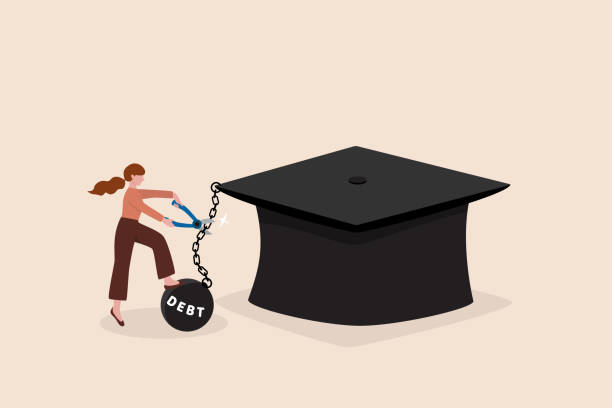
Understanding Your Loans
To get a handle on your debt, you need to know what you're dealing with. Start by identifying the types of loans you have, including federal and private loans, and their respective interest rates. For instance, federal loans like Stafford loans often have lower interest rates compared to private loans from banks or lenders.
Gathering all your loan documents is the next crucial step. Create a spreadsheet to track your loans and payments, including the loan balance, interest rate, and minimum monthly payment. This will help you visualize your debt and make informed decisions about how to tackle it.
You can use a spreadsheet like Google Sheets or Microsoft Excel to organize your loans. Here are some key details to include:
- Loan type (federal or private)
- Loan balance
- Interest rate
- Minimum monthly payment
- Due date
Having all this information in one place will make it easier to determine the total amount you owe and the minimum monthly payment for each loan.
Calculating your total debt can be a daunting task, but it's essential to understanding your financial situation. Add up the balances of all your loans to get the total amount you owe. You can also use online tools or consult with a financial advisor to help you with this process. For example, the National Student Loan Data System (NSLDS) can provide you with information about your federal loans.
Once you have a clear picture of your debt, you can start thinking about how to manage your payments. Look at the minimum monthly payment for each loan and consider ways to pay more than the minimum to pay off your loans faster. You may also want to explore income-driven repayment plans or loan forgiveness options, depending on your situation.
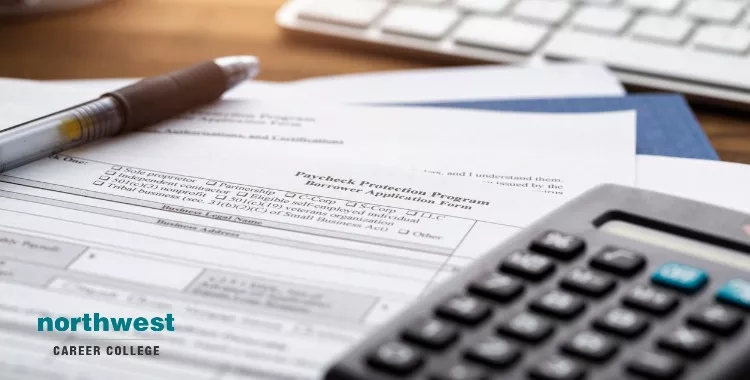
Creating a Payment Plan
To start creating a payment plan, it's essential to calculate your monthly income and expenses. This will give you a clear picture of how much you can afford to pay towards your loans each month. By tracking your income and expenses, you can identify areas where you can cut back and allocate more funds towards your loan repayment.
When calculating your expenses, be sure to include all necessary costs such as rent, utilities, and groceries. You can use a budgeting app or spreadsheet to make it easier to track your expenses and stay organized. This will help you determine a realistic amount that you can commit to paying each month.
Consider consolidating your loans into a single loan with a lower interest rate and a longer repayment period. This can simplify your payments and potentially save you money on interest over time. For example, if you have multiple credit cards with high interest rates, you may be able to consolidate them into a single personal loan with a lower interest rate.
Some benefits of consolidating your loans include:
- Lower monthly payments
- Single monthly payment instead of multiple payments
- Potentially lower interest rate
It's also important to look into income-driven repayment plans that can lower your monthly payments based on your income and family size. These plans can be a good option if you have a low income or a large family, as they can help make your monthly payments more manageable.
For instance, if you have a federal student loan, you may be eligible for an income-driven repayment plan such as Income-Based Repayment (IBR) or Pay As You Earn (PAYE). These plans can cap your monthly payments at a percentage of your discretionary income, which can help make your loan payments more affordable. By exploring these options and creating a payment plan that works for you, you can take control of your debt and make progress towards becoming debt-free.
Increasing Income and Decreasing Expenses
To tackle debt effectively, it's essential to focus on two key areas: increasing your income and decreasing your expenses. Exploring side hustles and part-time jobs can be a great way to boost your income, allowing you to put more money towards your loans. For example, you could consider freelancing, pet-sitting, or even delivering food to earn some extra cash.
Cutting back on unnecessary expenses is also crucial in allocating more funds towards your loans. This can be achieved by identifying areas where you can cut back, such as dining out or subscription services you don't use. By making a few small changes to your daily habits, you can free up a significant amount of money to put towards your loans.
Some practical ways to cut back on expenses include:
- Canceling subscription services, such as streaming platforms or gym memberships, that you don't use regularly
- Cooking at home instead of dining out or ordering takeout
- Shopping during sales or using coupons to reduce your grocery bills
By implementing these strategies, you can reduce your expenses and allocate the saved amount towards your loans.
Another way to increase your funds is by selling items you no longer need or use. This can be a great way to declutter your space while also putting some extra money towards your loans. Consider selling items online through platforms like eBay, Craigslist, or Facebook Marketplace, or hold a yard sale to get rid of unwanted items and earn some cash.

Utilizing Forgiveness and Assistance Programs
When it comes to managing your loans, it's essential to explore all available options. Researching and understanding loan forgiveness programs can be a great place to start. For instance, programs like Public Service Loan Forgiveness or Teacher Loan Forgiveness can help alleviate a significant portion of your debt.
These programs often have specific eligibility criteria, so it's crucial to review the requirements carefully. Public Service Loan Forgiveness, for example, is available to borrowers who work full-time in public service jobs, such as government or non-profit organizations. By understanding the criteria, you can determine if you qualify and make informed decisions about your loan repayment.
In addition to loan forgiveness programs, there are various assistance programs that can help lower your monthly payments. Some examples include:
- Income-driven repayment plans, which adjust your monthly payments based on your income and family size
- Loan deferment, which temporarily suspends your payments due to financial hardship or other circumstances
- Forbearance, which allows you to temporarily reduce or stop making payments due to financial difficulties
These programs can provide much-needed relief and help you get back on track with your loan repayment.
Working with a financial advisor or credit counselor can also be beneficial in managing your loans. They can provide personalized advice and help you create a tailored plan to tackle your debt. By seeking professional guidance, you can ensure you're taking advantage of all available options and making progress towards becoming debt-free.
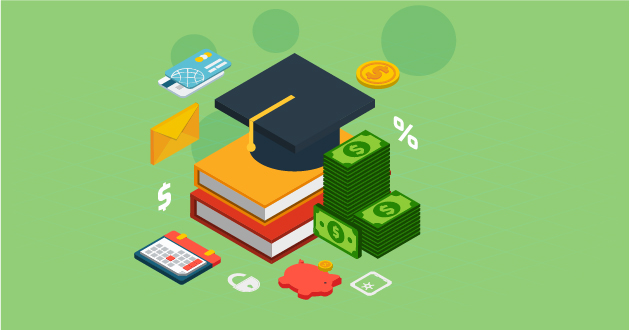
Staying Motivated and Accountable
Paying off loans can be a daunting task, but with a solid plan and the right mindset, you can stay on track. Setting realistic goals and milestones is crucial to achieving success, as it allows you to break down a large task into smaller, manageable chunks. For example, if you have a large student loan, you might set a goal to pay off a certain amount each month or quarter.
Celebrating your progress along the way is also important, as it helps to keep you motivated and encouraged. This can be as simple as treating yourself to a nice dinner or weekend getaway after reaching a milestone, or sharing your progress with friends and family to get their support and encouragement. By acknowledging and celebrating your successes, you can stay positive and focused on your goals.
Consider joining a support group or finding an accountability partner to help you stay motivated and on track. This can be a friend or family member who is also paying off loans, or a online community of people with similar goals and challenges. Some popular options include:
- Online forums and discussion groups
- Social media groups and challenges
- Local debt support groups or meetups
Having someone to report to and share your progress with can be a great motivator and help you stay accountable.
Regularly reviewing and adjusting your budget and payment plan is also essential to ensuring you're on track to meet your goals. This might involve checking in on your progress every few months, or whenever your financial situation changes. By regularly reviewing your budget and payment plan, you can identify areas for improvement and make adjustments as needed to stay on track and achieve your goals.

Frequently Asked Questions (FAQ)
What is the best way to pay off student loans quickly?
To pay off student loans quickly, it's essential to understand your financial situation. Start by gathering all the necessary information about your loans, including the balance, interest rate, and repayment terms. This will help you make informed decisions about your repayment strategy.
Creating a personalized plan is crucial to paying off student loans quickly. Consider your income, expenses, and loan terms to determine how much you can afford to pay each month. For example, if you have a high-interest loan, you may want to prioritize paying that off first.
Here are some tips to help you create a personalized plan:
- Determine your monthly income and expenses to see how much you can allocate towards loan repayment
- Consider consolidating your loans to simplify your payments and potentially lower your interest rate
- Look into income-driven repayment plans, which can help lower your monthly payments if you're struggling to make ends meet
Another key factor to consider is your loan terms, including the interest rate and repayment period. If you have a variable interest rate, you may want to pay off your loan as quickly as possible to avoid potential rate increases. On the other hand, if you have a fixed interest rate, you may be able to take a more gradual approach to repayment.
To pay off your student loans quickly, you'll need to make more than the minimum payment each month. You can do this by cutting back on discretionary spending, taking on a side job, or using tax refunds or bonuses to make extra payments. By making consistent, extra payments, you can pay off your loans faster and save money on interest over time.
Can I consolidate my student loans into a single loan?
Consolidating your student loans into a single loan can be a great way to simplify your payments and potentially lower your interest rate. This process involves combining multiple loans into one, which can make it easier to manage your debt and reduce the amount you pay each month. For example, if you have multiple loans with different interest rates and payment due dates, consolidating them can help you avoid missing payments and reduce the risk of late fees.
When you consolidate your student loans, you can choose a new interest rate and repayment term that works for you. This can be especially helpful if you have high-interest loans or loans with variable interest rates, as consolidating them can help you lock in a lower fixed rate. Additionally, consolidating your loans can also help you reduce the number of payments you need to make each month, making it easier to stay on top of your debt.
Here are some benefits of consolidating your student loans:
- Simplify your payments by combining multiple loans into one
- Potentially lower your interest rate and reduce the amount you pay each month
- Choose a new repayment term that works for you, such as a longer or shorter repayment period
It's also important to note that consolidating your student loans may not always be the best option, and it's essential to carefully consider the pros and cons before making a decision. You should also research and compare different consolidation options to find the one that best fits your needs and financial situation.
To get started with consolidating your student loans, you can begin by gathering information about your current loans, including the interest rates, balances, and repayment terms. You can then use this information to research and compare different consolidation options, such as federal consolidation loans or private consolidation loans. By taking the time to understand your options and choose the best one for you, you can make informed decisions about your debt and work towards achieving financial stability.
Are there any loan forgiveness programs available for students?
As a student, it can be overwhelming to think about paying off your loans after graduation. However, there are several loan forgiveness programs available that can help eligible borrowers have part or all of their loans forgiven. These programs are designed to reward students who pursue careers in public service or other high-need fields.
One of the most well-known loan forgiveness programs is the Public Service Loan Forgiveness (PSLF) program, which forgives the remaining balance on a borrower's Direct Loans after 120 qualifying payments. To be eligible, borrowers must work full-time for a qualifying employer, such as a government agency or non-profit organization. This program can be a huge relief for students who want to pursue careers in public service without being burdened by debt.
There are also loan forgiveness programs available for students who become teachers, such as the Teacher Loan Forgiveness program. This program forgives up to $17,500 of a borrower's Direct Loans or FFEL loans after five consecutive years of teaching in a low-income school or in a subject area with a high need for qualified teachers. Other loan forgiveness programs include:
- Perkins Loan Cancellation, which forgives part or all of a borrower's Federal Perkins Loans for students who work in certain fields, such as nursing or law enforcement
- Income-Driven Repayment (IDR) plans, which forgive any remaining balance on a borrower's loans after 20 or 25 years of qualifying payments
- State-specific loan forgiveness programs, which vary by state and may offer additional forgiveness options for students who work in certain fields or live in certain areas
To take advantage of these loan forgiveness programs, students should research the eligibility requirements and application process for each program. It's also important to keep track of your loan payments and qualifying employment to ensure that you're on track to receive loan forgiveness. By understanding your options and planning ahead, you can make the most of these programs and reduce your debt burden after graduation.