As a young adult, managing your finances effectively is key to achieving long-term financial stability. Understanding the latest trends and data in the financial sector can help you make informed decisions about your money. For instance, being aware of the current bank credit growth and personal loan trends can help you navigate the best options for borrowing and saving.
The Reserve Bank of India (RBI) regularly releases data on bank credit growth, which can impact the availability and interest rates of personal loans. Staying updated on this data can help you plan your finances better, whether you're looking to take out a loan for education, travel, or other expenses. By doing so, you can avoid costly mistakes and make the most of available financial opportunities.
To get started, it's essential to know what factors influence bank credit growth and personal loan interest rates. Some key points to consider include:
- the current state of the economy, including inflation and GDP growth
- the RBI's monetary policy decisions, such as changes to the repo rate
- the overall demand for credit in the market, including demand from individuals and businesses
By considering these factors, you can better understand the context of the latest RBI data and make more informed decisions about your financial choices.
As you delve into the world of personal finance, it's crucial to remember that managing your finances is a continuous learning process. By staying updated on the latest trends and data, you can refine your financial strategy and achieve your long-term goals. Whether you're a student, a working professional, or an entrepreneur, having a solid grasp of personal finance concepts can help you navigate the complexities of the financial world with confidence.

Bank Credit Growth to NBFCs
Bank credit growth refers to the increase in the amount of loans and advances made by banks to various sectors, including individuals, businesses, and Non-Banking Financial Companies (NBFCs). This concept is significant in the Indian economy as it affects borrowing rates and overall economic growth. For instance, when bank credit growth is high, it can lead to lower interest rates, making it easier for individuals and businesses to borrow money.
The Reserve Bank of India (RBI) releases data on bank credit growth, which provides insights into the trends and patterns of lending in the economy. According to recent data, there has been a notable increase in bank credit growth to NBFCs, which has implications for the availability of loans for individuals and businesses. This growth can lead to increased competition among lenders, resulting in better interest rates and terms for borrowers.
Some of the key trends in bank credit growth to NBFCs include:
- Increased lending to NBFCs, which has led to a surge in loan disbursals to individuals and businesses
- Higher credit growth in certain sectors, such as housing and microfinance
- Improved asset quality and reduced non-performing assets (NPAs) in the NBFC sector
These trends indicate a positive outlook for the Indian economy, with increased access to credit for individuals and businesses.
The growth in bank credit to NBFCs can have a ripple effect on the entire economy, impacting the availability of loans and interest rates. For example, when NBFCs receive more credit from banks, they can lend more to individuals and businesses, leading to increased economic activity. This, in turn, can lead to job creation, higher consumption, and overall economic growth.
To take advantage of the growth in bank credit to NBFCs, individuals and businesses can consider the following:
- Check their credit scores and reports to ensure they are eligible for loans
- Compare interest rates and terms from different lenders to get the best deal
- Consider borrowing from NBFCs, which may offer more flexible repayment options and lower interest rates
By understanding the trends and implications of bank credit growth to NBFCs, individuals and businesses can make informed decisions about borrowing and investing, ultimately contributing to the growth and development of the Indian economy.
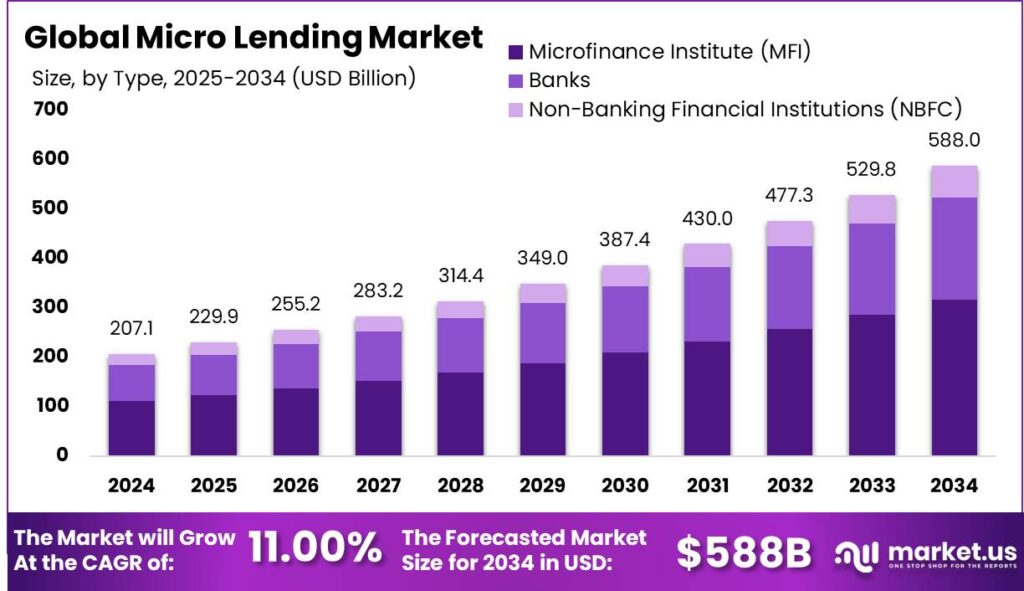
Moderation in Personal Loans
As per the latest RBI data, there has been a notable moderation in personal loans in March, with growth rates slowing down compared to previous quarters. This trend could be attributed to the economic slowdown, which has led to increased caution among lenders, making them more selective about who they lend to. As a result, borrowers may face stricter eligibility criteria and higher interest rates.
One of the primary reasons behind this moderation is the economic slowdown, which has affected consumer spending and debt management. For instance, a decrease in disposable income can lead to a reduction in loan applications, as individuals become more cautious about taking on debt. This, in turn, can have a ripple effect on the overall economy, as reduced consumer spending can impact businesses and industries.
To navigate the personal loan market effectively, young adults should focus on maintaining a good credit score, which can help them qualify for better loan options and interest rates. A credit score of 750 or above is considered good, and can be achieved by making timely payments, keeping credit utilization low, and monitoring credit reports regularly. For example, paying credit card bills on time and keeping credit card utilization below 30% can help improve credit scores.
When it comes to loan options, individuals should consider the following:
- Comparing interest rates and fees from different lenders to find the best deal
- Considering shorter loan tenures to reduce overall interest paid
- Opting for loans with flexible repayment options, such as part-prepayment or pre-closure
By doing so, borrowers can make informed decisions and choose loan options that suit their financial needs and goals.
In terms of repayment strategies, individuals should prioritize making timely payments, as delayed payments can lead to penalties and negatively impact credit scores. Creating a budget and setting aside a fixed amount each month for loan repayment can help individuals stay on track and avoid defaulting on loans. For instance, setting up automatic payments or reminders can help ensure that loan payments are made on time.
The implications of moderate personal loan growth on consumer spending and debt management are significant, as individuals may need to adjust their financial plans accordingly. For example, a reduction in loan growth can lead to reduced consumer spending, which can impact businesses and industries that rely on consumer demand. Individuals can adjust their financial plans by:
- Reducing discretionary spending and allocating more funds towards loan repayment
- Building an emergency fund to cover 3-6 months of living expenses
- Exploring alternative credit options, such as credit cards or lines of credit, for shorter-term financial needs
By being proactive and flexible, individuals can navigate the changing personal loan landscape and make informed financial decisions.
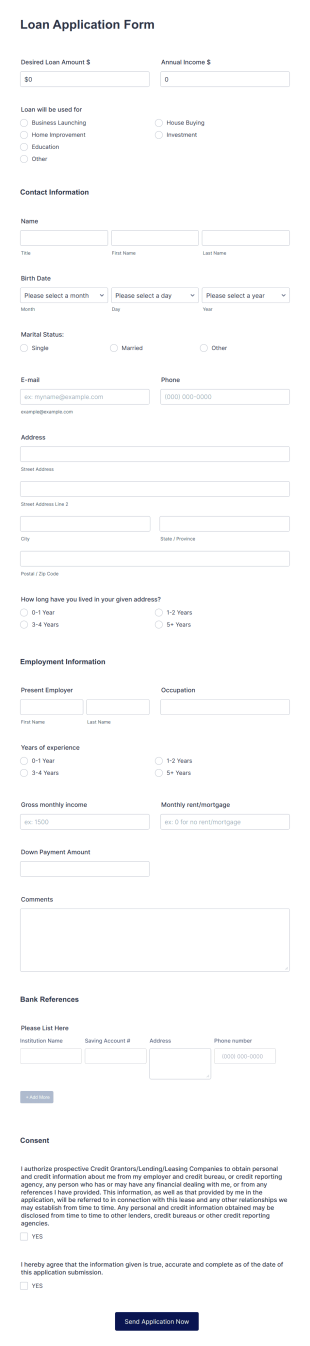
Impact on Financial Health
As bank credit growth and personal loans continue to rise, it's essential to understand how these trends can impact an individual's financial health. Credit utilization and debt-to-income ratios are crucial factors to consider, as excessive borrowing can lead to financial strain. For instance, taking on too much debt can increase monthly payments, making it challenging to save for long-term goals.
Maintaining good financial health requires a combination of budgeting, saving, and investing wisely. By prioritizing needs over wants and creating a budget, individuals can ensure they're not overextending themselves with credit. This can be achieved by tracking expenses, cutting back on unnecessary spending, and allocating funds towards savings and investments.
To achieve long-term financial goals, it's vital to make informed decisions about loans and credit. This is where financial literacy comes into play, enabling individuals to understand the implications of their financial choices. Resources such as online courses, workshops, and financial planning tools can help young adults improve their financial knowledge and make better decisions.
Some key strategies for maintaining good financial health include:
- Setting clear financial goals, such as paying off debt or building an emergency fund
- Creating a budget that accounts for all income and expenses
- Building an emergency fund to cover 3-6 months of living expenses
- Investing in a retirement account, such as a 401(k) or IRA
- Monitoring credit reports and scores to ensure accuracy and good standing
By being proactive and informed, individuals can navigate the trends in bank credit growth and personal loans while maintaining good financial health. This involves staying up-to-date with personal finance news, seeking advice from financial experts, and continually assessing and adjusting financial plans as needed. With the right knowledge and strategies, young adults can make informed decisions and achieve their long-term financial goals.
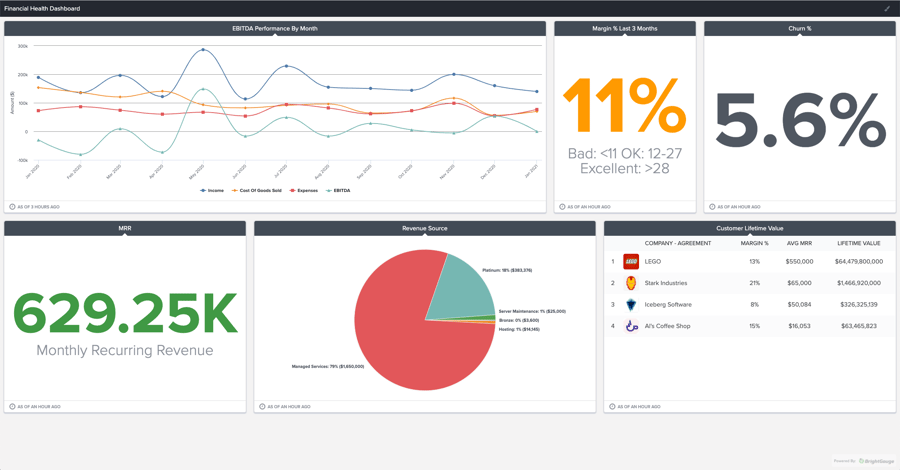
Investing and Side Hustles
As a young adult, it's essential to explore alternative investment options that can help you grow your wealth over time. Considering the current bank credit growth and personal loan trends, it's crucial to diversify your investment portfolio to minimize risk. For instance, you can consider investing in a mix of low-risk bonds, index funds, and dividend-paying stocks.
When it comes to investment strategies, it's vital to stay informed about the current financial landscape. The rise of bank credit growth and personal loan trends can impact your investment decisions, so it's essential to adapt your strategy accordingly. By doing so, you can make informed decisions that align with your financial goals and risk tolerance.
In addition to investing, side hustles and entrepreneurship can be a great way to supplement your income and reduce your reliance on personal loans. Some successful side hustles include freelancing, selling products online, or offering services like pet-sitting or house-sitting. These ventures can help you earn extra money, which can be allocated towards saving, investing, or debt repayment.
Here are some examples of side hustles that can help you earn extra income:
- Starting a blog or YouTube channel focused on a specific niche
- Offering tutoring or coaching services in a particular subject
- Selling handmade products or artwork on platforms like Etsy
- Renting out a spare room on Airbnb or renting out your car on Turo
These side hustles can help you earn a steady stream of income, which can be used to fund your investments or pay off high-interest debts.
To allocate your income effectively, it's essential to strike a balance between saving, investing, and debt repayment. A general rule of thumb is to allocate 50% of your income towards necessary expenses, 30% towards discretionary spending, and 20% towards saving and debt repayment. By following this guideline, you can ensure that you're making progress towards your financial goals while also enjoying the present moment.
Ultimately, investing and side hustles can be a powerful combination for achieving financial freedom. By exploring alternative investment options, starting a side hustle, and allocating your income effectively, you can set yourself up for long-term financial success. Remember to stay informed, adapt to changing financial trends, and continuously educate yourself on personal finance to make the most of your money.
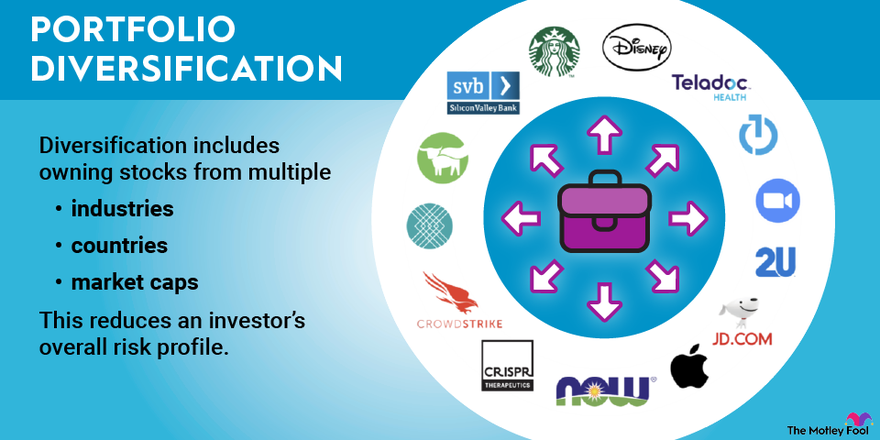
Budgeting for Financial Stability
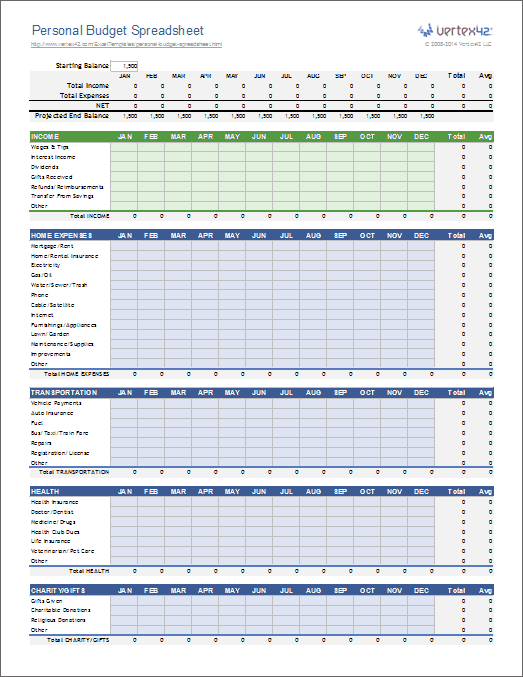
Creating a budget is the first step towards achieving financial stability. It allows you to track your income and expenses, making it easier to manage your finances and make informed decisions. By prioritizing budgeting, you can ensure that you're allocating your resources effectively and making progress towards your financial goals.
In recent years, there has been a significant increase in bank credit and personal loans, making it more important than ever to have a solid budget in place. This is especially true for young adults who may be struggling to manage their debt and save for the future. To get started, you can use tools like Mint or You Need a Budget (YNAB) to track your expenses and stay on top of your finances.
To create a budget that works for you, start by identifying your income and fixed expenses, such as rent and loan repayments. Next, allocate funds for savings and investments, such as retirement accounts or emergency funds. Here are some key components to include in your budget:
- Income: salary, investments, and any other sources of income
- Fixed expenses: rent, utilities, loan repayments, and insurance
- Variable expenses: entertainment, hobbies, and travel
- Savings: emergency fund, retirement accounts, and other long-term savings goals
- Investments: stocks, bonds, and other investment vehicles
Having an emergency fund in place is crucial for financial stability, as it provides a safety net in case of unexpected expenses or job loss. Aim to save 3-6 months' worth of living expenses in an easily accessible savings account. You can build your emergency fund by setting aside a fixed amount each month or by using windfalls, such as tax refunds or bonuses, to boost your savings.
In addition to budgeting and saving, it's also important to invest for the future. This can include contributing to a retirement account, such as a 401(k) or IRA, or investing in a brokerage account. Consider using apps like Acorns or Robinhood to get started with investing, even if you only have a small amount of money to invest. By taking a proactive approach to budgeting and investing, you can set yourself up for long-term financial success and achieve your goals.
Frequently Asked Questions (FAQ)
How does bank credit growth affect personal loan interest rates?
When it comes to personal loan interest rates, several factors come into play, and bank credit growth is one of them. Bank credit growth can influence personal loan interest rates by impacting the overall cost of borrowing for lenders. As a result, lenders may adjust their interest rates to reflect the changing cost of borrowing.
The relationship between bank credit growth and personal loan interest rates is rooted in the concept of supply and demand. When bank credit growth is high, it means that lenders have more funds available to lend, which can lead to increased competition and lower interest rates. On the other hand, when bank credit growth is slow, lenders may raise their interest rates to attract more deposits and maintain their liquidity.
Some of the key ways in which bank credit growth affects personal loan interest rates include:
- Changing the cost of borrowing for lenders, which can be passed on to borrowers in the form of interest rates
- Influencing the overall demand for credit, which can impact the interest rates offered by lenders
- Affecting the liquidity of lenders, which can impact their ability to offer competitive interest rates
For instance, if bank credit growth is high, a lender may offer a personal loan with an interest rate of 10% to attract more borrowers. However, if bank credit growth slows down, the same lender may raise the interest rate to 12% to maintain their profit margins.
It's essential to keep an eye on bank credit growth when applying for a personal loan, as it can impact the interest rate you're offered. By understanding the relationship between bank credit growth and personal loan interest rates, you can make more informed decisions about your borrowing needs. Additionally, you can take practical steps, such as shopping around for lenders and comparing interest rates, to find the best deal for your situation.
What are the implications of moderate personal loan growth for consumer spending?
When it comes to personal loan growth, a moderate increase can have a significant impact on consumer spending habits. As individuals take on more debt, they may become more cautious about their financial decisions, leading to reduced spending in certain areas. This can be seen in the way people prioritize their expenses, focusing on essential needs over discretionary wants.
One of the main implications of moderate personal loan growth is that consumers may start to cut back on non-essential purchases. For example, they might decide to cook at home more often instead of eating out, or postpone buying a new car. By making these adjustments, individuals can free up more money in their budget to pay off their loans and avoid accumulating more debt.
Some of the key areas where consumer spending may be reduced include:
- Housing and transportation costs, as individuals may opt for more affordable options
- Entertainment and leisure activities, such as travel or dining out
- Electronics and gadgets, as people may choose to repair or upgrade existing devices instead of buying new ones
By being mindful of their spending habits and making conscious financial decisions, consumers can navigate the implications of moderate personal loan growth and work towards achieving their long-term financial goals.
To manage debt effectively and minimize its impact on consumer spending, individuals can consider strategies such as creating a budget, prioritizing needs over wants, and exploring debt consolidation options. By taking a proactive approach to managing their finances, consumers can reduce their reliance on personal loans and make more informed spending decisions. This, in turn, can help them maintain a healthy financial balance and achieve greater financial stability over time.
How can young adults maintain good financial health amidst trends in bank credit and personal loans?
To maintain good financial health, young adults should start by prioritizing budgeting, which involves tracking income and expenses to understand where their money is going. This can be done using a budgeting app or simply by keeping a spreadsheet. By doing so, they can identify areas where they can cut back on unnecessary expenses and allocate that money towards savings and investments.
Creating a budget also helps young adults make conscious financial decisions, such as avoiding impulse purchases and reducing credit card debt. For instance, they can set a goal to save a certain amount each month and make sure to transfer that amount to their savings account as soon as they receive their paycheck. This way, they can build an emergency fund to fall back on in case of unexpected expenses.
When it comes to credit utilization, young adults should be mindful of their debt-to-income ratios, which is the percentage of their monthly gross income that goes towards paying off debts. To maintain a healthy debt-to-income ratio, they can follow these tips:
- Keep credit card balances low, ideally below 30% of the credit limit
- Make timely payments on personal loans and credit cards to avoid late fees and interest charges
- Consider consolidating debt into a lower-interest loan or credit card to simplify payments and reduce interest costs
By being mindful of their credit utilization and debt-to-income ratios, young adults can avoid falling into debt traps and maintain good financial health.
Investing is also an essential aspect of maintaining good financial health, as it can help young adults grow their wealth over time. They can start by investing in a retirement account, such as a 401(k) or IRA, which offers tax benefits and potentially employer matching contributions. Alternatively, they can explore other investment options, such as index funds or ETFs, which can provide a diversified portfolio with relatively low fees. By starting to invest early, young adults can take advantage of compound interest and set themselves up for long-term financial success.