As a young adult, building wealth may seem like a daunting task, especially if you don't have a side business or family wealth to fall back on. However, with the right strategy and mindset, it's possible to create a secure financial future. By starting early and making smart financial decisions, you can set yourself up for long-term success.
Creating a simple and effective wealth-building plan begins with understanding your financial goals and priorities. Take some time to reflect on what you want to achieve, whether it's paying off student loans, building an emergency fund, or saving for a big purchase. This will help you stay focused and motivated as you work towards your objectives.
One key aspect of building wealth is developing healthy financial habits, such as saving and investing regularly. Here are some examples of habits you can start building today:
- Set aside a fixed amount each month for savings and investments
- Take advantage of tax-advantaged accounts, such as 401(k) or IRA
- Avoid high-interest debt and work towards paying off any existing balances
By incorporating these habits into your daily routine, you can make steady progress towards your financial goals and set yourself up for long-term success.
Starting small is also crucial when it comes to building wealth, as it allows you to build momentum and confidence over time. For example, you could start by investing a small amount each month in a low-cost index fund or ETF, and gradually increase your contributions as your income grows. This approach may not make you rich overnight, but it can help you build a solid foundation for long-term financial success.

Setting Financial Foundations
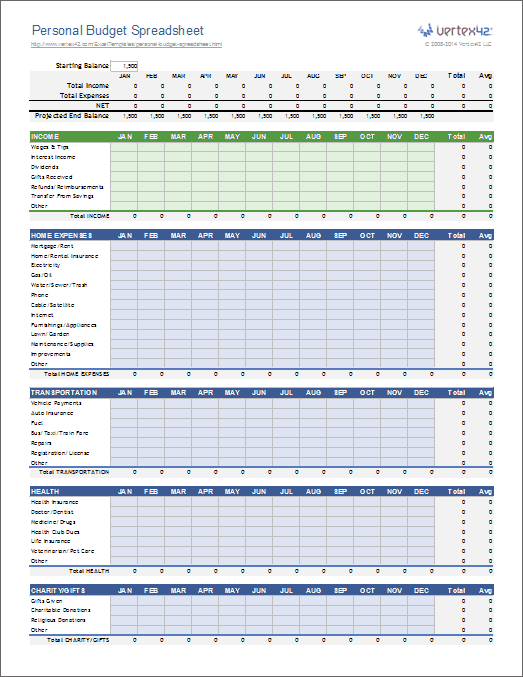
To set yourself up for long-term financial success, it's essential to create a budget that accounts for all your income and expenses. This will help you understand where your money is going and identify areas where you can cut back. By tracking every transaction, from rent and utilities to coffee and entertainment, you'll get a clear picture of your spending habits.
Prioritizing needs over wants is crucial to minimizing unnecessary spending. Make a list of essential expenses, such as rent, groceries, and transportation, and allocate your funds accordingly. This will help you distinguish between necessary expenses and discretionary spending, allowing you to make conscious financial decisions.
Some common examples of needs include:
- Housing and utilities
- Food and groceries
- Health insurance and medical expenses
- Minimum debt payments
On the other hand, wants might include dining out, subscription services, or entertainment expenses. By prioritizing your needs and cutting back on wants, you can free up more money in your budget for savings and debt repayment.
Building an emergency fund is a critical step in setting financial foundations. This fund should cover 3-6 months of living expenses in case of unexpected events, such as job loss or medical emergencies. Start by setting aside a small amount each month, and gradually increase the amount as your income and expenses allow. Having a cushion of savings will provide peace of mind and help you avoid going into debt when unexpected expenses arise.
A practical tip for building an emergency fund is to set up automatic transfers from your checking account to your savings account. This way, you'll ensure that you're saving a fixed amount regularly, without having to think about it. You can also consider using a separate savings account specifically for your emergency fund, to keep it separate from your everyday spending money.
Investing for the Future
When it comes to building wealth, investing for the future is a crucial step. One effective way to do this is by exploring low-cost index funds or ETFs, which offer a diversified portfolio and can help reduce risk. For example, Vanguard's Total Stock Market Index Fund is a popular choice among investors, providing broad exposure to the US stock market at a relatively low cost.
Investing in a retirement account, such as a Roth IRA, can also be a savvy move, as it allows your money to grow tax-free over time. Contributions to a Roth IRA are made with after-tax dollars, but the withdrawals in retirement are tax-free, making it an attractive option for long-term investors. It's essential to understand the eligibility and contribution limits for Roth IRAs, which can vary based on income level and filing status.
To make saving and investing easier and less prone to being neglected, consider automating your investments. This can be done by setting up a monthly transfer from your checking account to your investment account. Here are some benefits of automating your investments:
- Reduces the likelihood of forgetting to invest each month
- Helps you take advantage of dollar-cost averaging, which can reduce the impact of market volatility
- Allows you to invest a fixed amount of money at regular intervals, making it easier to stick to your investment plan
By automating your investments and exploring low-cost investment options, you can create a solid foundation for your financial future. It's essential to start early, be consistent, and take a long-term view when it comes to investing. As your income and financial situation change, you can adjust your investment strategy to ensure it remains aligned with your goals.

Debt Management Strategies
When it comes to managing debt, the first step is to take stock of your financial situation. This involves making a list of all your debts, including credit cards, loans, and other financial obligations. By doing so, you'll be able to see the bigger picture and make informed decisions about how to tackle your debt.
To prioritize your debts, consider sorting them by interest rate or urgency. For example, you may want to focus on paying off high-interest credit card debt first, as it can save you the most money in interest over time. Alternatively, you may need to prioritize debts with urgent deadlines, such as overdue bills or taxes.
Here are some key debt management strategies to consider:
- Listing all debts and prioritizing them based on interest rates or urgency
- Considering debt consolidation or balance transfer options for high-interest debts
- Paying more than the minimum payment each month to reduce principal balances faster
By implementing these strategies, you can make significant progress in paying off your debt and achieving financial stability.
For instance, if you have multiple credit cards with high interest rates, you may want to consider consolidating them into a single loan with a lower interest rate. This can simplify your payments and save you money on interest over time. Additionally, if you have a credit card with a 0% introductory APR, you may be able to transfer your high-interest debt to this card and save on interest.
Paying more than the minimum payment each month is also crucial to reducing your debt quickly. By doing so, you'll be able to pay off the principal balance faster, which can save you money on interest and help you become debt-free sooner. For example, if you have a credit card with a $1,000 balance and a minimum payment of $25, try to pay $50 or $100 each month to make a bigger dent in your debt.

Growing Income Over Time
Investing in personal development is a great way to enhance your career prospects and potentially increase your salary. This can be achieved by taking online courses, attending workshops, or pursuing certifications that are relevant to your field. For example, learning a new programming language or becoming proficient in data analysis can significantly boost your earning potential.
To further grow your income, it's essential to explore alternative income streams. Some popular options include investing in dividend-paying stocks or participating in peer-to-peer lending. These alternatives can provide a relatively stable source of passive income, allowing you to diversify your earnings and reduce your reliance on a single source of income.
Some alternative income streams to consider are:
- Dividend-paying stocks, which distribute a portion of the company's profits to shareholders
- Peer-to-peer lending, which involves lending money to individuals or businesses through online platforms
- Renting out a spare room on Airbnb or renting out a property on VRBO
These options can help you generate additional income, which can be used to pay off debt, build savings, or invest in other opportunities.
Negotiating your salary or pursuing additional education can also increase your earning potential. This can be achieved by researching industry standards, tracking your accomplishments, and making a solid case for a raise. Alternatively, pursuing a higher degree or certification can significantly enhance your career prospects and lead to higher salary offers. For instance, a master's degree in a field like engineering or finance can lead to a substantial increase in earning potential.
Maintaining Discipline and Patience
When it comes to managing your finances effectively, discipline and patience play a crucial role. Setting realistic financial goals is essential, as it helps you stay focused and motivated on what you want to achieve. For instance, saving for a down payment on a house or paying off student loans can be a great starting point.
Celebrating milestones achieved along the way can also help you stay on track and encouraged to continue working towards your goals. This could be as simple as treating yourself to a nice dinner or a weekend getaway after reaching a savings milestone. By acknowledging and rewarding your progress, you'll be more likely to maintain the discipline needed to reach your long-term financial objectives.
It's also important to avoid getting caught up in get-rich-quick schemes or risky investments that promise unusually high returns with little effort. These often come with significant risks and can lead to financial losses. Instead, consider the following:
- Investing in a diversified portfolio of low-cost index funds or ETFs
- Building an emergency fund to cover 3-6 months of living expenses
- Pay off high-interest debt, such as credit card balances, as soon as possible
By taking a more cautious and informed approach to investing, you can minimize risks and increase your chances of achieving long-term financial success.
Regularly reviewing and adjusting your financial plans is also crucial, as circumstances can change over time. This may involve updating your budget to reflect changes in income or expenses, or adjusting your investment strategy to reflect shifts in the market. By staying proactive and adaptable, you can ensure that your financial plans remain aligned with your goals and values.

Frequently Asked Questions (FAQ)
How long does it take to see significant results from this wealth formula?
When it comes to building wealth, patience is key. It's essential to understand that significant results don't happen overnight, but rather over several years of consistent effort. By sticking to a well-thought-out wealth formula, you can set yourself up for long-term financial success.
One of the most critical factors in achieving substantial wealth growth is time. The longer you can commit to your wealth-building strategy, the more likely you are to see significant results. For example, if you start saving and investing in your early twenties, you'll have a considerable head start on building wealth compared to someone who begins in their thirties or forties.
To give you a better idea of what to expect, here are some general guidelines on what you can achieve with consistent effort:
- Short-term (1-3 years): You can start to see some positive changes in your finances, such as paying off high-interest debt or building an emergency fund.
- Medium-term (4-7 years): You may begin to notice more substantial growth in your wealth, such as a significant increase in your savings or investments.
- Long-term (8-10+ years): With consistent effort and a solid wealth formula, you can achieve substantial wealth growth, such as financial independence or a sizable nest egg.
It's also important to remember that everyone's financial journey is unique, and results can vary significantly from person to person. Factors such as income, expenses, and investment returns can all impact your wealth growth, so it's essential to be patient and adapt your strategy as needed. By staying committed to your goals and continuously learning and improving, you can increase your chances of achieving significant results from your wealth formula.
Do I need a lot of money to start investing?
Starting to invest can seem daunting, especially if you think you need a large sum of money to begin. However, the truth is that you can start investing with small amounts of money and gradually increase your investments over time. This approach allows you to get started right away and build your portfolio over time.
One of the biggest misconceptions about investing is that you need to have a lot of money to start. In reality, many investment platforms and brokerages allow you to start with minimal amounts, sometimes as low as $10 or $100. For example, micro-investing apps like Acorns or Stash allow you to invest small amounts of money into a diversified portfolio.
Some popular investment options for beginners with small amounts of money include:
- Index funds or ETFs, which provide broad diversification and can be purchased with minimal investment
- Robo-advisors, which offer automated investment management and often have low or no minimum investment requirements
- Micro-investing apps, which allow you to invest small amounts of money into a variety of assets
These options make it easy to get started and begin building your investment portfolio, even with limited funds.
As you continue to invest and your portfolio grows, you can gradually increase the amount you invest each month. This approach helps you build the habit of investing and allows you to take advantage of compound interest over time. By starting small and being consistent, you can make progress towards your long-term financial goals, even if you don't have a lot of money to start with.
Is this wealth formula suitable for everyone, regardless of age or financial situation?
When it comes to building wealth, there's no one-size-fits-all approach. The principles of wealth creation are universal, but the specific strategies may need to be tailored based on individual circumstances, such as age, income, and debt levels. For instance, a young adult with a steady income and no debt may be able to invest aggressively, while someone nearing retirement may need to focus on preserving their wealth.
Age is a significant factor to consider when applying the wealth formula. As people get older, their financial priorities and risk tolerance often change. For example, a 30-year-old may be able to ride out market fluctuations, while a 60-year-old may need to focus on generating steady income from their investments.
Here are some factors to consider when tailoring the wealth formula to your individual circumstances:
- Income level: Those with higher incomes may be able to save and invest more aggressively, while those with lower incomes may need to focus on budgeting and debt reduction.
- Debt levels: Individuals with high-interest debt may need to prioritize debt repayment before investing, while those with low-interest debt may be able to focus on building wealth.
- Financial goals: Whether you're saving for a down payment on a house, retirement, or a big purchase, your financial goals will influence the strategies you use to build wealth.
Ultimately, the key to making the wealth formula work for you is to understand your individual circumstances and adjust your strategies accordingly. By taking the time to assess your financial situation and set clear goals, you can create a personalized plan for building wealth that works for you, regardless of your age or financial situation. This may involve seeking the advice of a financial advisor or conducting your own research to determine the best course of action.