Studying abroad can be a life-changing experience, offering a unique opportunity to explore new cultures, meet people from diverse backgrounds, and gain a world-class education. However, one of the significant barriers to studying abroad is the financial cost, which can be daunting for many students. To help bridge this financial gap, international student loans have become a popular option for students looking to pursue their academic dreams abroad.
Pursuing higher education in a foreign country can be expensive, with costs including tuition fees, living expenses, and travel costs. International student loans can help cover these expenses, allowing students to focus on their studies without financial stress. For example, students looking to study in the US, UK, or Canada can explore loan options from lenders that cater specifically to international students.
When exploring international student loan options, it's essential to consider the eligibility criteria, interest rates, and repayment terms. Here are some key factors to consider:
- Loan amount and duration
- Interest rates and fees
- Repayment terms and options
- Eligibility criteria, including credit score and co-signer requirements
By carefully evaluating these factors, students can make informed decisions about their loan options and choose the best fit for their financial situation.
Many international students have successfully funded their studies abroad using student loans, and with the right guidance, you can too. Whether you're looking to study in Europe, Asia, or the Americas, there are loan options available to help you achieve your academic goals. By understanding the ins and outs of international student loans, you can take the first step towards making your study abroad dreams a reality.

Top International Student Loans for 2025
As an international student, securing funding for your education can be a daunting task. MPOWER Financing offers a loan program that provides a viable solution, with benefits including no cosigner or collateral requirements, and a six-month grace period after graduation. This allows students to focus on their studies and career without immediate financial burdens.
The MPOWER Financing loan program has eligibility criteria that include being an international student or a US citizen, being admitted to or enrolled in a US college or university, and meeting specific GPA and course load requirements. For example, students can use the MPOWER loan to cover tuition, fees, and living expenses, making it a comprehensive funding option. By researching and understanding the eligibility criteria, students can determine if the MPOWER Financing loan program is the right fit for their needs.
Prodigy Finance is another loan program that focuses on supporting international students, with a unique approach that assesses a student's potential earnings and career trajectory. This program offers competitive interest rates and flexible repayment terms, making it an attractive option for students who may not have a traditional credit history. Prodigy Finance also provides a range of resources and support to help students navigate the loan process and make informed financial decisions.
Some key features of international student loan programs include:
- Competitive interest rates and repayment terms
- No cosigner or collateral requirements
- Flexible loan amounts and disbursement options
- Support and resources for international students
These features can help students make the most of their loan and achieve their academic and career goals.
The Nomad Credit loan program is another option for international students, offering a range of loan amounts and repayment terms to suit individual needs. Nomad Credit also provides a user-friendly online platform and dedicated customer support, making it easy for students to apply and manage their loan. By considering the Nomad Credit loan program, students can explore alternative funding options and find the best fit for their financial situation and goals.

How to Choose the Best International Student Loan
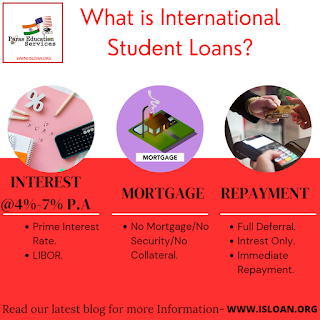
When exploring international student loan options, it's essential to consider interest rates and repayment terms. These factors can significantly impact the total amount you'll pay back over the life of the loan. For instance, a loan with a lower interest rate may save you thousands of dollars in interest payments.
To make an informed decision, evaluate loan fees and the total cost of the loan. This includes origination fees, late payment fees, and any other charges associated with the loan. Consider using a loan calculator to compare the total cost of different loan options and determine which one is the most affordable.
Loan flexibility is also crucial, as it can help you manage your repayments during difficult financial periods. Look for lenders that offer flexible repayment plans, such as income-driven repayment or temporary forbearance. This can help reduce your monthly payments or pause them altogether if you're experiencing financial hardship.
Some key factors to consider when evaluating loan flexibility and customer support include:
- Repayment term options, such as 5, 10, or 15 years
- Availability of income-driven repayment plans or hardship programs
- Quality of customer support, including phone, email, and online resources
By carefully evaluating these factors, you can choose a loan that meets your needs and helps you achieve your educational goals.
In addition to these factors, consider the lender's reputation and customer reviews. Research the lender's history, ratings, and reviews from other borrowers to get a sense of their customer service and overall borrowing experience. This can help you make a more informed decision and avoid potential pitfalls.

Applying for an International Student Loan
When applying for an international student loan, it's essential to gather all the necessary documents to ensure a smooth application process. These documents typically include a valid passport, proof of acceptance into a university, and proof of income or a co-signer. Having these documents ready can help you avoid delays and increase your chances of approval.
The loan application process involves submitting an application form, which can be done online or through a paper application, and providing supporting documents such as transcripts and language proficiency test scores. You may also need to provide information about your co-signer, if applicable, including their credit score and income. This information helps lenders assess your creditworthiness and determine the interest rate you'll qualify for.
Your credit score plays a significant role in the loan approval process and can affect the interest rate you're offered. A good credit score can help you qualify for lower interest rates, while a poor credit score may result in higher interest rates or even loan denial. For example, a credit score of 700 or higher is generally considered good and can help you qualify for more favorable loan terms.
To improve your chances of approval and qualify for better interest rates, it's crucial to have a good credit score. Here are some tips to help you improve your credit score:
- Make on-time payments on your existing debts, such as credit cards or previous loans
- Keep your credit utilization ratio low, ideally below 30%
- Monitor your credit report for errors and dispute any inaccuracies
- Avoid applying for multiple credit cards or loans in a short period, as this can negatively impact your credit score
By following these tips, you can improve your credit score over time and increase your chances of qualifying for better loan options.
In addition to improving your credit score, it's also important to research and compares different loan options to find the one that best suits your needs. Consider factors such as interest rates, repayment terms, and fees when evaluating loan options. You can also use online tools, such as loan calculators, to help you estimate your monthly payments and total costs. By doing your research and making informed decisions, you can find a loan that meets your needs and helps you achieve your academic goals.
Managing International Student Loan Debt
As an international student, managing loan debt can be overwhelming, but there are strategies to help minimize the burden. One approach is to take on a part-time job to supplement your income and reduce the amount you need to borrow. For example, working as a teaching assistant or tutor can help you earn extra money while gaining valuable work experience.
To further reduce debt, scholarships are a great option, as they provide free money that doesn't need to be repaid. Many organizations offer scholarships specifically for international students, so it's worth researching and applying for these opportunities. Some universities also offer their own scholarships, so be sure to check with your school's financial aid office for more information.
In addition to minimizing debt, it's also important to have a plan for repaying your loans. Income-driven repayment plans can be a helpful option, as they allow you to make payments based on your income level. The benefits of these plans include lower monthly payments and potential loan forgiveness after a certain number of years.
Some popular income-driven repayment plans include:
- Income-Based Repayment (IBR) Plan, which caps monthly payments at 10% or 15% of your discretionary income
- Pay As You Earn (PAYE) Plan, which limits monthly payments to 10% of your discretionary income
- Revised Pay As You Earn (REPAYE) Plan, which offers a more flexible repayment structure
These plans can help make your loan payments more manageable, but it's essential to understand the terms and conditions before enrolling.
Avoiding default is crucial when it comes to managing international student loan debt. Late payments can have serious consequences, including damage to your credit score and additional fees. To avoid default, make sure to stay on top of your payments and communicate with your lender if you're experiencing financial difficulties. You can also consider setting up automatic payments or using a budgeting app to help you stay organized.
If you do miss a payment, don't panic – contact your lender as soon as possible to discuss your options. They may be able to offer temporary hardship programs or deferment, which can help you get back on track. By being proactive and taking control of your loan debt, you can avoid the consequences of late payments and achieve financial stability.

Alternatives to International Student Loans
As an international student, it can be challenging to secure funding for your education. One way to reduce your reliance on loans is to explore scholarship options, which can be found through your university's financial aid office or online platforms like Fastweb or Scholarships.com. By researching and applying for scholarships, you can potentially cover a significant portion of your tuition fees.
Personal savings and budgeting also play a crucial role in reducing loan dependency. Creating a budget that accounts for all your expenses, including tuition, living costs, and other necessities, can help you identify areas where you can cut back and save. For example, you can consider sharing an apartment with roommates, cooking your own meals, or finding a part-time job to supplement your income.
Another alternative to international student loans is crowdfunding, which involves raising funds from a large number of people, typically through online platforms like GoFundMe or Kickstarter. This approach can be particularly useful for covering unexpected expenses or funding specific projects related to your education. Here are some tips for successful crowdfunding:
- Set a clear and achievable funding goal
- Share your story and explain how the funds will be used
- Offer updates and rewards to your contributors
By being proactive and exploring these alternatives, you can reduce your reliance on loans and make your educational journey more affordable and sustainable. Additionally, you can also consider working with your university's financial aid office to explore other options, such as payment plans or emergency loans, which can provide temporary relief when needed.

Frequently Asked Questions (FAQ)
What are the eligibility criteria for international student loans?
When it comes to international student loans, understanding the eligibility criteria is crucial for a successful application. Lenders typically have their own set of requirements, but there are some common factors that can increase your chances of approval. For instance, being admitted to a university is often a fundamental requirement, as it demonstrates your commitment to pursuing higher education.
In addition to university admission, lenders also consider creditworthiness, which can be a challenge for international students with limited credit history. To mitigate this, many lenders require a co-signer, usually a creditworthy individual, such as a family member or friend, who can vouch for the student's creditworthiness. This co-signer is equally responsible for repaying the loan, making it essential to choose someone with a good credit score.
Some key eligibility criteria to keep in mind include:
- Being a registered student at an approved university or college
- HAVING a valid visa or student permit
- Demonstrating a good credit history or having a creditworthy co-signer
- Meeting the lender's income and employment requirements
It's essential to research and compares different lenders to find the one that best fits your needs and circumstances. By understanding the eligibility criteria and preparing your application carefully, you can increase your chances of securing an international student loan and achieving your academic goals.
How do I repay an international student loan?
Repaying an international student loan can seem daunting, but understanding the repayment terms is the first step towards managing your debt effectively. The lender typically sets the repayment terms, which can vary depending on the loan agreement. It's essential to review your loan documents carefully to know what to expect.
Repayment terms may include monthly payments, interest-only payments, or income-driven repayment plans. For instance, some lenders may offer a fixed monthly payment of $100, while others may require interest-only payments of $50 for the first few years. This can help you plan your budget and make timely payments.
To make repayment more manageable, consider the following options:
- Monthly payments: This involves paying a fixed amount every month, which can help you pay off the principal amount and interest over time.
- Interest-only payments: This option requires you to pay only the interest on your loan for a specified period, usually during the study period or immediately after graduation.
- Income-driven repayment plans: These plans base your monthly payments on your income and family size, which can be helpful if you're struggling to make ends meet.
It's crucial to communicate with your lender to determine the best repayment plan for your situation and to explore any available options for reducing your monthly payments.
When repaying an international student loan, it's also important to consider the exchange rate, as it can affect the amount you pay. For example, if you're paying in a foreign currency, a fluctuating exchange rate can increase or decrease the amount you owe. Be sure to factor this into your budget and repayment plan to avoid any unexpected surprises.
By understanding your repayment terms and exploring available options, you can create a plan that works for you and helps you pay off your international student loan efficiently. Remember to stay in touch with your lender and seek advice if you're unsure about any aspect of the repayment process.
Can I get an international student loan without a co-signer?
As an international student, navigating the world of student loans can be overwhelming. Many lenders require a co-signer, typically a US citizen or permanent resident, to guarantee the loan. However, some lenders offer no-co-signer loans, providing an alternative for students who don't have a co-signer.
These no-co-signer loans may have stricter eligibility criteria, such as a higher GPA or enrollment in a specific field of study. For example, lenders may prioritize students in high-demand fields like engineering or computer science. This is because lenders view these fields as having better job prospects and higher earning potential.
Some lenders may also offer no-co-signer loans with higher interest rates to compensate for the increased risk. It's essential to carefully review the terms and conditions of these loans to ensure you understand the total cost. Here are some key factors to consider when exploring no-co-signer loan options:
- Interest rates and fees associated with the loan
- Repayment terms and flexibility
- Eligibility criteria and required documentation
To increase your chances of getting approved for a no-co-signer loan, it's crucial to maintain a good academic record and build a strong credit history. You can also consider working with a lender that specializes in international student loans, as they may have more flexible eligibility criteria. By doing your research and exploring different options, you can find a no-co-signer loan that meets your needs and helps you achieve your academic goals.