As we explore the world of personal finance, it's inspiring to come across stories of individuals who have achieved remarkable milestones, such as early retirement. One such example is that of a person who managed to retire early with a whopping ₹4.7 crore, all without relying on side hustles or stock tips. This individual's journey serves as a testament to the power of careful financial planning and disciplined investing.
The key to this person's success lies in their ability to create a well-thought-out financial plan, which included setting clear goals, living below their means, and making smart investment decisions. By doing so, they were able to build a substantial corpus over time, ultimately achieving their goal of early retirement. This story highlights the importance of having a solid financial foundation in place.
Some of the key takeaways from this individual's journey include:
- Starting to save and invest early, to take advantage of the power of compounding
- Being consistent and disciplined in their financial approach, avoiding get-rich-quick schemes and fads
- Staying focused on their long-term goals, and making adjustments as needed to stay on track
By following these principles, anyone can work towards achieving their own financial goals, whether it's early retirement or something else entirely. With the right mindset and approach, it's possible to build wealth over time and create a secure financial future.

Understanding the Power of Compounding
Compound interest is a powerful force that can significantly boost your savings over time. It works by earning interest on both the initial amount and any accrued interest, creating a snowball effect that can help your wealth grow exponentially. For example, if you save $1,000 with a 5% annual interest rate, you'll earn $50 in interest the first year, but in the second year, you'll earn 5% on $1,050, resulting in $52.50 in interest.
The key to harnessing the power of compound interest is to start saving and investing early, even with small amounts. This allows you to take advantage of time, which is a critical factor in the compounding process. By starting early, you can turn small, consistent savings into a substantial nest egg over the long term.
To illustrate the impact of compounding, consider the following examples:
- Saving $100 per month for 10 years with a 6% annual return can result in over $18,000, while saving the same amount for 20 years can yield over $43,000.
- Starting to save at age 25, rather than 35, can result in tens of thousands of dollars more in savings by retirement age, even with the same monthly contribution.
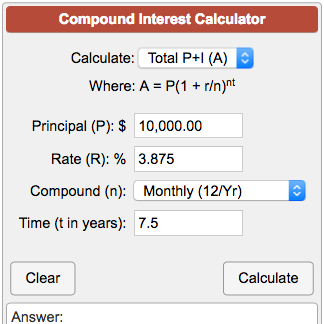
Calculating compound interest can be straightforward, and there are many online tools and formulas available to help. The basic formula is A = P(1 + r/n)^(nt), where A is the future value, P is the principal amount, r is the annual interest rate, n is the number of times interest is compounded per year, and t is the time in years. By applying this formula and understanding how compounding works, you can set realistic financial goals and make informed decisions about your savings and investments.
When applying compound interest to your personal finance goals, it's essential to consider your time horizon, risk tolerance, and investment options. You can use compounding to your advantage by taking advantage of tax-advantaged accounts, such as 401(k) or IRA, and by making consistent, long-term investments in a diversified portfolio. By doing so, you can harness the power of compounding to achieve your financial goals and build a secure financial future.
Strategies for Aggressive Saving
When it comes to saving aggressively, having a clear plan is essential. The 50/30/20 rule is a great guideline to follow, where 50% of your income goes towards necessities like rent and utilities, 30% towards discretionary spending, and 20% towards saving and investing. This rule helps you allocate your income effectively and make sure you're prioritizing your financial goals.
To reduce expenses and create a budget that prioritizes saving and debt repayment, start by tracking your spending to see where your money is going. Make a list of your essential expenses, such as rent, groceries, and transportation, and cut back on non-essential expenses like dining out or subscription services. For example, consider cooking at home instead of ordering takeout, or canceling gym memberships you don't use.
Here are some tips for reducing expenses and creating a budget:
- Use the envelope system to allocate cash for different expenses
- Avoid impulse purchases by implementing a 30-day waiting period
- Take advantage of sales and discounts on essential items
By following these tips, you can free up more money in your budget to put towards saving and debt repayment.
Increasing your income is another key strategy for aggressive saving. Pursuing higher education or certifications can help you qualify for higher-paying jobs and accelerate your savings. For example, taking online courses or attending workshops can help you develop in-demand skills and increase your earning potential. You can also consider taking on a side hustle or freelance work to supplement your income and put more money towards your financial goals.
In addition to increasing your income, you can also explore ways to optimize your existing budget. Consider using budgeting apps or spreadsheets to track your expenses and stay on top of your finances. You can also automate your savings by setting up automatic transfers from your checking account to your savings or investment accounts. By taking a proactive approach to your finances, you can make aggressive saving a reality and achieve your long-term financial goals.

Investment Strategies for Long-Term Growth
When it comes to investing for long-term growth, one key concept to understand is dollar-cost averaging. This involves investing a fixed amount of money at regular intervals, regardless of the market's performance, to reduce the impact of market volatility on your investments. By doing so, you can avoid trying to time the market and reduce the risks associated with investing a lump sum at the wrong time.
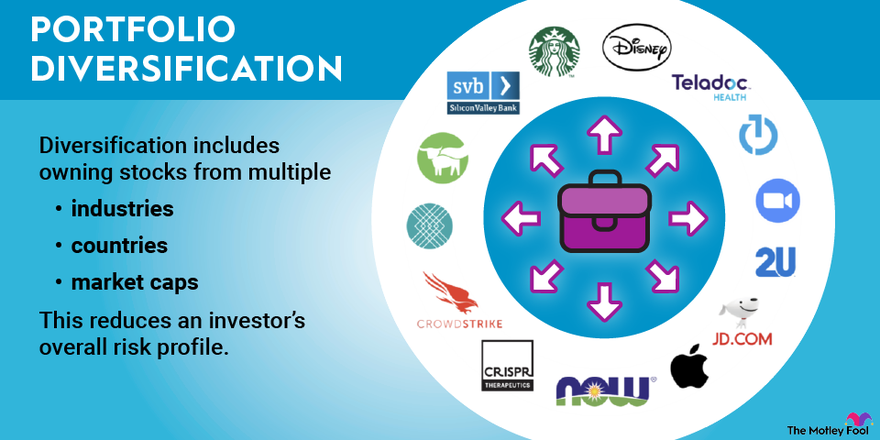
Diversification is another crucial aspect of investment strategies, as it helps spread risk across different asset classes. This can include a mix of stocks, bonds, and real estate, allowing you to balance potential returns with risk levels. For example, investing in a combination of low-risk bonds and higher-risk stocks can provide a more stable portfolio.
To achieve diversification, consider the following investment options:
- Stocks: Represent ownership in companies and offer potential for long-term growth
- Bonds: Provide regular income and relatively lower risk
- Real estate: Can offer rental income and property appreciation
These options can be accessed through various investment vehicles, including individual securities, mutual funds, or exchange-traded funds (ETFs).
For a straightforward investment strategy, consider selecting low-cost index funds or ETFs, which track a specific market index, such as the S&P 500. These funds offer broad diversification and often have lower fees compared to actively managed funds. By investing in index funds or ETFs, you can benefit from the overall market's growth, without trying to pick individual winners or losers.
In terms of practical tips, it's essential to start investing early and consistently, even if it's with a small amount of money. Set up a regular investment plan, and take advantage of tax-advantaged accounts, such as 401(k) or IRA, to optimize your investment growth. By following these strategies and maintaining a long-term perspective, you can increase your chances of achieving your financial goals.
Avoiding Debt and Building Financial Health
Avoiding debt is a crucial step towards building financial health. High-interest debt, such as credit card debt, can quickly spiral out of control and lead to financial distress. To avoid this, it's essential to be mindful of your spending habits and avoid making purchases that exceed your means.
One effective strategy for paying off high-interest debt quickly is to prioritize debts with the highest interest rates. For example, if you have multiple credit cards with different interest rates, focus on paying off the one with the highest rate first. This approach can help you save money on interest charges and become debt-free faster.
Creating an emergency fund is another vital component of maintaining financial stability. This fund serves as a safety net during unexpected events, such as car repairs or medical emergencies, and can help prevent you from going into debt. Aim to save 3-6 months' worth of living expenses in your emergency fund to ensure you're prepared for any situation.
In addition to avoiding debt and building an emergency fund, monitoring and improving your credit score can have a significant impact on your financial health. A good credit score can help you access better loan terms and lower interest rates, saving you money in the long run. Here are some ways to improve your credit score:
- Check your credit report regularly to ensure it's accurate and up-to-date
- Make on-time payments to demonstrate responsible payment behavior
- Keep credit utilization below 30% to show lenders you can manage your debt
By following these tips and staying committed to your financial goals, you can avoid debt and build a strong foundation for long-term financial health. Remember, financial stability is a journey, and taking small steps today can lead to significant benefits in the future. Start by assessing your current financial situation, creating a budget, and making adjustments as needed to achieve financial freedom.
Maintaining Discipline and Patience
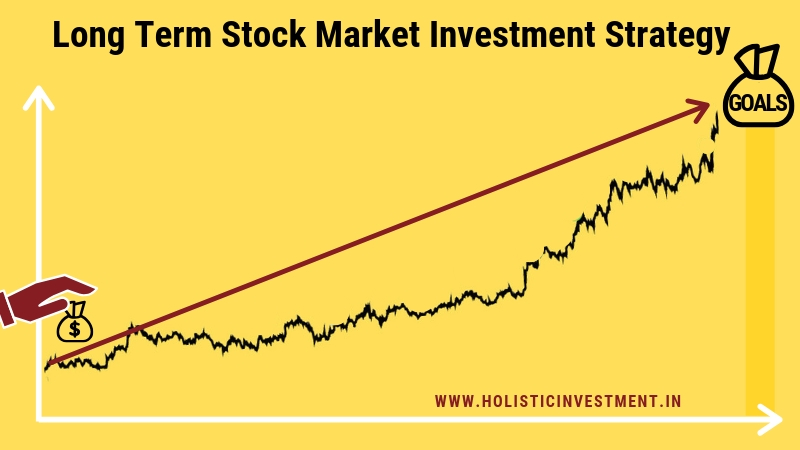
Maintaining a long-term perspective is crucial when it comes to personal finance and wealth creation. This means avoiding get-rich-quick schemes that promise unrealistic returns and instead focusing on steady, consistent progress. By doing so, you can avoid common pitfalls and make more informed investment decisions.
To stay disciplined, it's essential to set clear financial goals, such as saving for a down payment on a house or retirement. Automating savings and investments is also a great strategy, as it ensures that you stick to your plan and make regular progress towards your goals. For example, setting up automatic transfers from your checking account to your savings or investment account can help you build wealth over time.
Some effective strategies for staying disciplined include:
- Creating a budget and tracking your expenses to understand where your money is going
- Setting up a separate savings account for specific goals, such as a vacation or emergency fund
- Using investment apps or robo-advisors to automate your investments and reduce emotional decision-making
These strategies can help you overcome common obstacles and stay focused on your long-term goals.
The psychological aspects of wealth creation are just as important as the financial aspects. Fear and greed are two common emotions that can derail even the best-laid plans, leading to impulsive decisions that can have negative consequences. By recognizing and managing these emotions, you can make more rational investment decisions and avoid common pitfalls. For instance, taking a step back and assessing your emotions before making a major investment decision can help you avoid acting on impulse.
Overcoming fear and greed requires a combination of self-awareness, discipline, and patience. By cultivating a long-term perspective and focusing on steady progress, you can build wealth over time and achieve your financial goals. Additionally, educating yourself on personal finance and investing can help you make more informed decisions and reduce anxiety and uncertainty.
Frequently Asked Questions (FAQ)
How can I start saving for early retirement with a low income?
When it comes to saving for early retirement on a low income, it can seem like a daunting task. However, with a solid plan and commitment, you can make progress towards your goal. Start by creating a budget that accounts for all your necessary expenses, such as rent, utilities, and groceries, to understand where your money is going.
To make the most of your limited income, prioritize your needs over your wants, and be honest about what you can cut back on. For example, consider cooking at home instead of eating out, or canceling subscription services you don't use. By making a few small changes, you can free up some extra cash to put towards your retirement fund.
Allocating a small percentage of your income towards a retirement fund is a great place to start. Here are some steps to get you started:
- Set aside a manageable amount, such as 5-10% of your income, and automate your transfers to make saving easier and less prone to being neglected.
- Take advantage of tax-advantaged retirement accounts, such as a Roth IRA or a traditional IRA, which can help your savings grow over time.
- Consider contributing to a retirement plan offered by your employer, if available, as they may match a portion of your contributions.
As you begin saving, remember that every little bit counts, and consistency is key. Even small, regular contributions can add up over time, so try to make saving a habit. By starting early and being patient, you can make progress towards your goal of early retirement, even on a low income.
What are the best investment options for long-term growth with minimal risk?
When it comes to investing for long-term growth with minimal risk, it's essential to have a solid understanding of your options. Low-cost index funds and diversified ETFs are often recommended for their balance of growth potential and risk management. By spreading your investments across various asset classes, you can reduce your exposure to market volatility.
For beginners, low-cost index funds are a great starting point, as they provide broad diversification and typically have lower fees compared to actively managed funds. These funds track a specific market index, such as the S&P 500, and offer a relatively stable way to grow your wealth over time. By investing in index funds, you can benefit from the overall performance of the market without trying to pick individual winners.
Some popular examples of low-cost index funds include those offered by Vanguard and Schwab, which have minimal fees and a wide range of investment options. Diversified ETFs, on the other hand, offer even more flexibility, as they can be traded throughout the day and often have lower minimum investment requirements. When selecting ETFs, consider the following factors:
- Investment objective and strategy
- Fees and expenses
- Underlying holdings and diversification
- Performance history and track record
To get started with investing in low-cost index funds and diversified ETFs, consider the following practical tips: start by assessing your financial goals and risk tolerance, then allocate your investments accordingly. It's also essential to educate yourself on the different types of funds and ETFs available, and to consult with a financial advisor if needed. By taking a disciplined and informed approach to investing, you can set yourself up for long-term success and achieve your financial goals.
How can I avoid making emotional investment decisions based on market fluctuations?
When it comes to investing, emotional decision-making can be a major obstacle to achieving long-term financial goals. Market fluctuations can be unpredictable and may cause investors to make impulsive decisions, such as selling stocks during a downturn or investing in a hot trend. By setting a long-term investment strategy, you can reduce the impact of emotional decision-making and stay focused on your goals.
To create a solid investment plan, it's essential to define your investment objectives, risk tolerance, and time horizon. This will help you determine the right asset allocation and investment mix for your portfolio. For example, if you're a conservative investor with a long-term horizon, you may allocate a larger portion of your portfolio to bonds and dividend-paying stocks.
Automating your investments can also help you avoid making emotional decisions based on market fluctuations. By setting up a systematic investment plan, you can invest a fixed amount of money at regular intervals, regardless of market conditions. This approach can help you:
- Reduce the impact of market volatility on your investments
- Take advantage of dollar-cost averaging, which can lower your average cost per share over time
- Stay disciplined and avoid making impulsive decisions based on emotions
In addition to setting a long-term investment strategy and automating your investments, it's also important to educate yourself on investing and personal finance. This can help you make informed decisions and avoid making emotional choices based on fear, greed, or other emotions. By staying informed and focused on your long-term goals, you can avoid common pitfalls and achieve financial success.
To get started, consider consulting with a financial advisor or conducting your own research on investing and personal finance. You can also take advantage of online resources, such as investment blogs, podcasts, and webinars, to stay up-to-date on market trends and investing strategies. By taking a proactive and informed approach to investing, you can reduce the impact of emotional decision-making and achieve your long-term financial goals.