As a young adult, managing your finances effectively can be a game-changer for your future. Saving money without relying on a side hustle is a great way to build wealth and achieve financial stability. By making a few simple changes to your daily habits and expenses, you can start saving money and working towards your long-term goals.
For many young adults, the idea of saving money can seem daunting, especially when they're already struggling to make ends meet. However, the benefits of saving money are numerous, and can have a significant impact on your overall well-being. For example, having a savings cushion can reduce financial stress and provide peace of mind.
Some of the benefits of saving money without a side hustle include:
- Reduced financial stress and anxiety
- Increased financial stability and security
- Improved ability to achieve long-term goals, such as buying a home or paying off debt
By prioritizing saving and making it a habit, you can achieve these benefits and set yourself up for financial success.
One of the key advantages of saving money without a side hustle is that it allows you to focus on your primary goals and priorities. For instance, you can focus on your studies or career without the added pressure of having to earn extra income. This can lead to better performance and a greater sense of fulfillment in your chosen field.
To get started with saving money without a side hustle, you can try simple techniques such as tracking your expenses, creating a budget, and setting aside a fixed amount each month. You can also take advantage of tools and resources, such as budgeting apps and financial calculators, to help you stay on track and achieve your savings goals.

Understand Your Expenses
To get a handle on your finances, it's essential to understand where your money is going. Tracking daily expenses is a great way to start, and using apps like Mint or Personal Capital can provide valuable guidance. These apps can help you link your accounts, track your spending, and even offer budgeting advice tailored to your habits.
Categorizing expenses into needs and wants is also crucial for prioritizing spending. Needs include essential expenses like rent, utilities, and groceries, while wants include discretionary spending like dining out, entertainment, and hobbies. By distinguishing between the two, you can make more informed decisions about how to allocate your funds.
Setting financial goals is a key motivator for managing expenses effectively. Some examples of financial goals include:
- Building an emergency fund to cover 3-6 months of living expenses
- Paying off high-interest debt, such as credit card balances
- Saving for long-term objectives, like a down payment on a house or retirement
Having specific goals in mind can help you stay focused on what's truly important and make conscious decisions about how to use your money.
By monitoring your spending and setting clear financial objectives, you can identify areas where you can cut back and make adjustments to achieve your goals. For instance, you might realize that you're spending too much on dining out and decide to cook at home more often, or that you can negotiate a better rate on your utilities by switching providers. By taking control of your expenses, you can make progress towards a more stable and secure financial future.
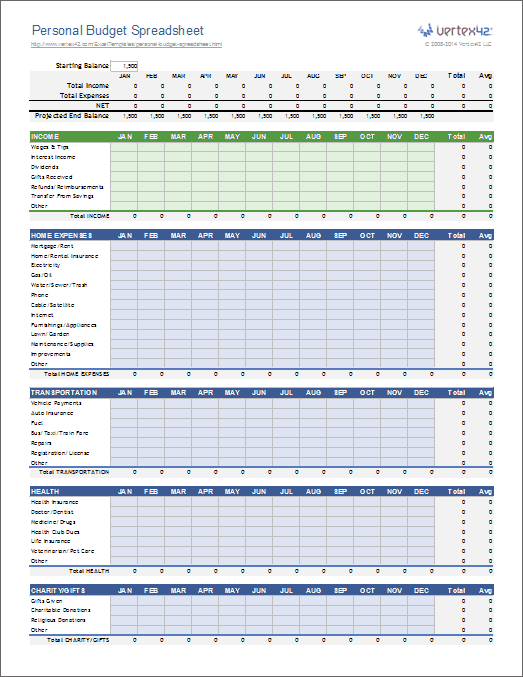
Optimize Your Budget
To optimize your budget, it's essential to strike a balance between spending, saving, and debt repayment. Implementing the 50/30/20 rule is a great starting point, where 50% of your income goes towards needs like rent, utilities, and groceries, 30% for wants like entertainment and hobbies, and 20% for saving and debt repayment. This rule helps you prioritize your spending and make conscious financial decisions.
Cutting back on unnecessary expenses is another crucial step in optimizing your budget. Consider reviewing your subscription services, such as streaming platforms and gym memberships, and cancel any that are underutilized or no longer needed. For example, if you haven't been to the gym in months, it's likely time to cancel your membership and allocate that money towards more important expenses.
Some expenses are unavoidable, but you can make the most of them by using cashback and rewards credit cards for daily purchases. Here are some tips to keep in mind:
- Choose a credit card that offers rewards or cashback in categories you frequently spend in, such as groceries or gas.
- Use your credit card for daily purchases, like coffee or lunch, to earn rewards or cashback.
- Make sure to pay off your credit card balance in full each month to avoid interest charges and late fees.
By following these tips, you can optimize your budget, reduce unnecessary expenses, and make progress towards your financial goals.

Increase Your Income Without a Side Hustle
When it comes to increasing your income, many people think that starting a side hustle is the only way to go. However, there are other ways to boost your earnings without taking on a part-time job. One approach is to negotiate a raise at your current job, which can be a great way to increase your income without having to juggle multiple jobs.
To successfully negotiate a raise, you'll need to highlight your value and contributions to the company. Make a list of your accomplishments and the ways in which you've added value to your organization, such as successful projects you've led or positive feedback from coworkers. This will help you make a strong case for why you deserve a raise.
Another way to increase your income is to sell unwanted items or clutter from your home. This can be a great way to generate some extra cash and declutter your living space at the same time. You can sell items online through platforms like eBay or Craigslist, or hold a yard sale to get rid of multiple items at once.
In addition to selling items you no longer need, you can also save money by considering used or refurbished items before buying new. This can be a great way to reduce your expenses and free up more money in your budget. Some options to consider include:
- buying used books or electronics instead of new ones
- shopping at thrift stores or second-hand shops for clothing and household items
- looking for refurbished or certified pre-owned items, such as furniture or appliances
By taking a few simple steps, you can increase your income and reduce your expenses, all without having to start a side hustle. With a little creativity and resourcefulness, you can achieve your financial goals and improve your overall financial well-being.

Invest for the Future
When it comes to investing for the future, it's essential to start with a solid foundation. A high-yield savings account is a great place to begin, as it provides easy access to your money while earning a bit of interest. This type of account is ideal for short-term goals or emergency funds, allowing you to withdraw your money when needed.
For long-term investing, consider exploring low-fee index funds or ETFs, which aim to provide diversification and growth over time. These types of investments can be less expensive than actively managed funds, and they often track a specific market index, such as the S&P 500. By investing in a mix of assets, you can reduce risk and increase potential returns.
Some popular options for long-term investing include:
- Index funds, which track a specific market index
- ETFs, which offer flexibility and diversification
- Dividend-paying stocks, which can provide regular income
These investments can help you build wealth over time, but it's crucial to do your research and understand the associated fees and risks.
In addition to individual investments, don't forget to take advantage of any employer match on a 401(k) or similar retirement plan. This is essentially free money that can help your retirement savings grow faster. For example, if your employer matches 50% of your contributions up to 6% of your salary, contributing enough to maximize the match can add thousands of dollars to your retirement account over time.

Maintain Financial Discipline
To develop good financial habits, it's essential to set up automatic transfers for savings and investments. This way, you'll ensure that you save a fixed amount regularly, making it easier to prioritize your financial goals. For instance, you can set up a monthly transfer from your checking account to your savings or investment account.
Regularly reviewing and adjusting your budget is crucial to staying on track with your financial objectives. This helps you identify areas where you can cut back on unnecessary expenses and allocate that money towards more important goals, such as paying off debt or building an emergency fund. By doing so, you'll be able to make conscious financial decisions that align with your priorities.
Some key strategies to maintain financial discipline include:
- Setting clear financial goals, such as saving for a down payment on a house or paying off student loans
- Tracking your expenses to understand where your money is going and making adjustments as needed
- Avoiding impulse purchases and staying disciplined in your spending habits
By following these strategies, you'll be able to make progress towards your financial goals and develop a sense of financial stability.
When you receive a raise or a windfall, it can be tempting to splurge on luxuries or upgrade your lifestyle. However, it's essential to avoid lifestyle inflation by directing that extra money towards savings and debt repayment. For example, you could put half of your raise towards your emergency fund and the other half towards paying off high-interest debt, such as credit card balances. This will help you build wealth over time and achieve long-term financial security.
To make the most of your financial discipline, consider implementing a "50/30/20" rule, where 50% of your income goes towards necessary expenses, 30% towards discretionary spending, and 20% towards saving and debt repayment. This will help you strike a balance between enjoying your life today and building a secure financial future. By following this rule and staying committed to your financial goals, you'll be able to maintain financial discipline and achieve long-term success.

Frequently Asked Questions (FAQ)
How can I save money when I'm living paycheck to paycheck?
Living paycheck to paycheck can be overwhelming, but there are ways to break the cycle. To start, it's essential to understand where your money is going, which is why tracking your expenses is crucial. You can use a budgeting app, spreadsheet, or even just a notebook to log every purchase, no matter how small, for a month to get an accurate picture of your spending habits.
This exercise will help you identify areas where you can cut back, and it might surprise you how quickly small changes can add up. For example, bringing your lunch to work instead of buying it can save you around $5-10 per day, which translates to $100-200 per month. By making a few tweaks to your daily habits, you can free up some money in your budget to allocate towards more important things.
To build a safety net, focus on creating a tiny emergency fund, even if it's just $100-500 to start. This fund will help you cover unexpected expenses, such as car repairs or medical bills, without having to rely on credit cards or loans. Here are some ways to get started:
- Set aside a fixed amount each month, even if it's just $10-20
- Sell unwanted items or clutter to generate some extra cash
- Use windfalls, such as tax refunds or bonuses, to boost your emergency fund
As you work on building your emergency fund, remember that it's not about making drastic changes overnight. It's about making small, sustainable adjustments to your spending habits and gradually working your way towards financial stability. By taking control of your finances and making conscious decisions about how you allocate your money, you can break the cycle of living paycheck to paycheck and start building a more secure financial future.
What's the best way to invest my savings for long-term growth?
When it comes to investing your savings for long-term growth, it's essential to have a solid plan in place. Consulting a financial advisor can be a great starting point, as they can help you create a personalized investment strategy tailored to your goals and risk tolerance. This approach can provide valuable guidance and help you avoid costly mistakes.
For those who prefer a more DIY approach, robo-advisors are a beginner-friendly and low-fee alternative. These online platforms use algorithms to manage your investments, offering a range of portfolio options and automatic rebalancing. By using a robo-advisor, you can get started with investing quickly and easily, without needing extensive financial knowledge.
Some popular robo-advisors include:
- Wealthfront: Known for its low fees and diversified investment portfolios
- Betterment: Offers goal-based investing and tax-loss harvesting
- Schwab Intelligent Portfolios: Provides automated investment management with no advisory fees
These platforms can be a great way to begin investing, as they often have low or no minimum balance requirements and offer educational resources to help you get started.
As you begin investing, it's crucial to understand the importance of diversification and long-term thinking. This means spreading your investments across different asset classes, such as stocks, bonds, and real estate, to minimize risk and maximize potential returns. By taking a patient and informed approach to investing, you can set yourself up for success and achieve your long-term financial goals.
Ultimately, the key to successful investing is to find an approach that works for you and your unique financial situation. Whether you choose to work with a financial advisor or use a robo-advisor, the most important thing is to get started and make consistent progress towards your goals. With time and patience, you can grow your savings and build a brighter financial future.
How long does it take to see significant results from saving and investing?
When starting a savings and investment plan, it's natural to wonder when you'll begin to see significant results. The timing can vary depending on factors such as the amount you save, the returns on your investments, and your overall financial goals. Generally, consistent saving and investing over a period of time can help you achieve noticeable improvements in your financial health.
To give you a better idea, saving and investing consistently over 6-12 months can start to show positive results. For example, if you start saving $500 per month, you could have around $6,000 in a year, which can be a significant amount to use towards a big purchase or to build an emergency fund. This amount can also be invested to generate passive income and grow your wealth over time.
Some key factors to consider when evaluating the effectiveness of your savings and investment plan include:
- Regularly reviewing and adjusting your budget to ensure you're saving enough
- Choosing the right investment vehicles, such as index funds or ETFs, to maximize your returns
- Being patient and avoiding the temptation to withdraw from your savings or investments too early
By following these tips and staying committed to your plan, you can set yourself up for long-term financial success and start to see significant results from your savings and investments.
It's also important to remember that saving and investing is a long-term game, and it's not just about the amount of time it takes to see results, but also about the habits you build and the discipline you develop along the way. By making saving and investing a regular part of your routine, you can create a solid foundation for achieving your financial goals and securing your financial future. With time and patience, you can start to see the positive impact of your efforts and make progress towards a more stable and secure financial situation.