As a young adult, managing your finances can be overwhelming, especially when you're just starting out. You want to save money, but you may not know where to begin or think that starting a side hustle is the only way to do so. Fortunately, there are many easy ways to save money without having to take on a part-time job or start a business.
You can start by making small changes to your daily habits, such as cutting back on unnecessary expenses or finding ways to reduce your monthly bills. For example, you could try cooking at home instead of eating out or canceling subscription services you don't use. These small changes can add up over time and make a big difference in your savings.
Here are some ways to get started:
- Track your expenses to see where your money is going and identify areas where you can cut back
- Set a budget and stick to it to ensure you're not overspending
- Take advantage of cashback and rewards programs on your credit cards or through apps
By following these tips and making a few simple changes to your financial habits, you can start saving money without having to start a side hustle. You'll be on your way to building a safety net and achieving your long-term financial goals.

Understand Your Spending
To gain control over your finances, it's essential to have a clear picture of where your money is going. Tracking your daily expenses is the first step towards understanding your spending habits and identifying areas where you can cut back on unnecessary spending. By monitoring your expenses, you can pinpoint patterns and trends that may be hindering your ability to save or achieve your financial goals.
The 50/30/20 rule is a simple and effective way to allocate your income towards necessities, discretionary spending, and saving. This rule suggests that 50% of your income should go towards essential expenses like rent, utilities, and groceries, while 30% is allocated towards discretionary spending like entertainment and hobbies, and 20% towards saving and debt repayment. For example, if you earn $4,000 per month, you would allocate $2,000 towards necessities, $1,200 towards discretionary spending, and $800 towards saving.
Using budgeting apps can make tracking expenses easier and more convenient, allowing you to monitor your spending on-the-go. Some popular budgeting apps include Mint, You Need a Budget (YNAB), and Personal Capital, which offer features like automated expense tracking, budgeting tools, and investment tracking. Here are some benefits of using budgeting apps:
- Automated expense tracking to save time and reduce errors
- Customizable budgeting tools to suit your financial goals
- Investment tracking to monitor your portfolio and make informed decisions
By implementing these strategies, you can develop healthy spending habits and make progress towards achieving your financial goals. Remember, understanding your spending is an ongoing process that requires regular monitoring and adjustments to stay on track. As you become more aware of your spending habits, you can make informed decisions to optimize your budget and create a brighter financial future.

Optimize Your Budget
To optimize your budget, it's essential to prioritize your spending by focusing on needs over wants. This simple mindset shift can help you save a significant amount of money in the long run. By distinguishing between essential expenses and discretionary spending, you can allocate your resources more efficiently.
When it comes to reducing expenses, one area to examine is subscription services and monthly bills. Take a close look at your current subscriptions, such as streaming platforms, gym memberships, and software services, to see if there are any you can cancel or downgrade. This can help you save money on recurring expenses and free up more funds for savings and investments.
Some practical ways to reduce subscription services and monthly bills include:
- negotiating with service providers to lower your rates
- canceling unused or underused subscriptions
- exploring alternative options, such as free trials or ad-supported services
By implementing these strategies, you can minimize unnecessary expenses and allocate more resources towards your financial goals.
Taking advantage of sales and discounts on essential items is another effective way to optimize your budget. Keep an eye out for promotions and discounts on everyday items, such as groceries, household supplies, and personal care products. By stocking up on non-perishable items when they're on sale, you can save money and reduce your overall expenses.
For example, if you notice that your favorite grocery store is offering a discount on a particular brand of coffee, you can buy a few extra packs to last you a while. This way, you can enjoy your daily coffee while also saving money in the long run. By being mindful of sales and discounts, you can make the most of your budget and achieve your financial objectives.

Invest in Your Financial Future
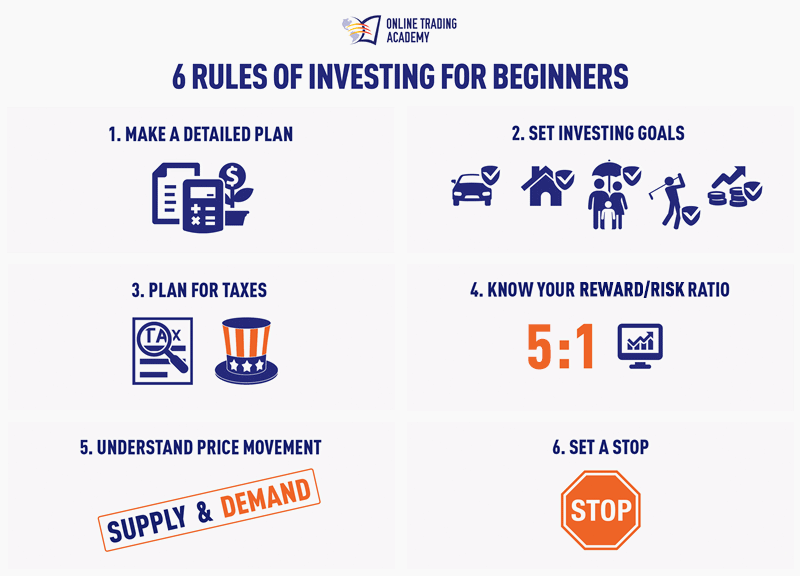
When it comes to securing your financial future, taking a proactive approach is key. Consider opening a high-yield savings account, which can help you earn interest on your savings, allowing your money to grow over time. For instance, if you deposit $1,000 into a high-yield savings account with a 2% annual percentage yield, you can earn $20 in interest after one year.
Investing in the stock market can seem daunting, but there are low-risk options available. Look into index funds or ETFs, which offer a diversified portfolio and can help you spread out your risk. These types of investments can provide a steady return over the long term, making them a great option for those just starting out.
Some popular low-risk investment options include:
- Index funds, which track a specific market index, such as the S&P 500
- ETFs, which offer flexibility and diversification
- Money market funds, which provide easy access to your cash while earning interest
These options can help you get started with investing and can be a great way to build wealth over time.
If your employer offers a retirement account, such as a 401(k) or 403(b), be sure to take advantage of it, especially if they offer a match. This means that your employer will contribute a certain amount of money to your account, often based on the amount you contribute. For example, if your employer offers a 50% match on your 401(k) contributions, and you contribute $100 per month, your employer will add an additional $50 to your account.
Avoid Debt and Build Credit
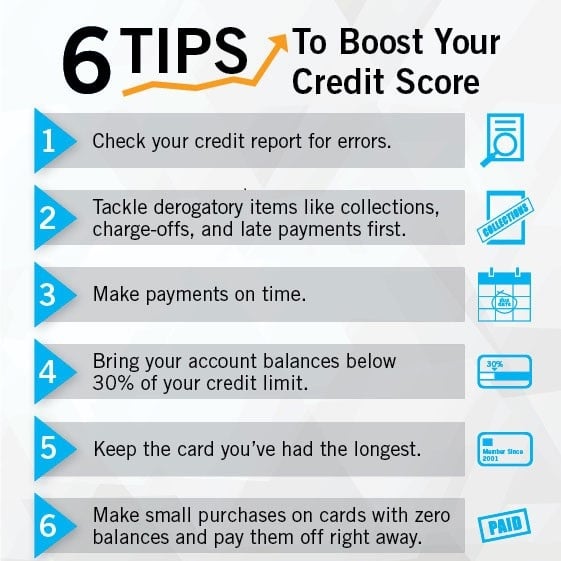
To set yourself up for long-term financial success, it's crucial to prioritize debt management and credit building. Making timely payments on any existing debts is essential, as it helps you avoid interest and late fees that can quickly add up. For instance, paying your credit card bill on time each month can save you a significant amount of money in interest charges.
One effective way to manage debt is to consider consolidating it into a lower-interest loan or credit card. This can simplify your payments and reduce the amount of interest you owe over time. By consolidating your debt, you can create a more manageable payment plan and free up more money in your budget for savings and investments.
When it comes to building credit, monitoring your credit report is a vital step. You can request a free credit report from each of the three major credit bureaus once a year, which allows you to review your report for errors or inaccuracies. Here are some tips to help you build a positive credit score:
- Make on-time payments on all debts, including credit cards, loans, and mortgages
- Keep credit utilization below 30% to show lenders you can manage your debt responsibly
- Avoid applying for too many credit cards or loans in a short period, as this can negatively impact your credit score
By following these tips and staying on top of your debt and credit, you can avoid common financial pitfalls and set yourself up for long-term financial stability. Remember, building credit and managing debt takes time and effort, but the payoff is well worth it in the end. With patience, discipline, and the right strategies, you can achieve a healthy financial future and reach your goals.
Stay Disciplined and Patient
Setting realistic financial goals is crucial to staying on track and motivated. This involves breaking down larger objectives into smaller, achievable milestones that can be celebrated along the way. For instance, instead of aiming to save $10,000 in a year, start by setting a goal to save $1,000 in the first three months.
Celebrating small victories is essential to maintaining discipline and patience. As you reach each milestone, take time to acknowledge and reward yourself for the progress made. This could be as simple as treating yourself to a favorite meal or activity, helping to reinforce positive financial habits.
Avoiding impulse purchases is also vital to staying focused on long-term financial objectives. This requires developing self-control and being mindful of spending habits. To help with this, consider implementing a 30-day waiting period for non-essential purchases, allowing time to assess whether the item is truly needed.
To stay on track, it's helpful to identify common triggers for impulse purchases, such as:
- Emotional spending, like buying something to cope with stress or boredom
- Peer pressure, like feeling pressured to keep up with friends or family members
- Lack of planning, like not having a budget or shopping list
By recognizing these triggers, you can develop strategies to overcome them and stay focused on your financial goals.
Enlisting the help of a financial advisor or accountability partner can provide an added layer of support and guidance. This could be a professional advisor, a trusted friend or family member, or even an online community of like-minded individuals. Having someone to report to and share progress with can help maintain motivation and discipline, especially during challenging times.

Frequently Asked Questions (FAQ)
How can I save money if I'm living paycheck to paycheck?
Living paycheck to paycheck can be stressful and overwhelming, but taking control of your finances is the first step towards breaking the cycle. Start by tracking your expenses to get a clear picture of where your money is going - write down every purchase, no matter how small, in a notebook or use an app to make it easier. This will help you identify areas where you can cut back and make adjustments.
To prioritize your spending, make a list of your needs and wants, and focus on essential expenses like rent, utilities, and groceries. Use the 50/30/20 rule as a guideline, where 50% of your income goes towards needs, 30% towards wants, and 20% towards saving and debt repayment. For example, if you earn $1,000 per month, aim to spend $500 on needs, $300 on wants, and $200 on saving and debt repayment.
Here are some ways to cut back on unnecessary expenses:
- Cook at home instead of eating out or ordering takeout
- Cancel subscription services you don't use, such as gym memberships or streaming services
- Shop for groceries and household items in bulk to reduce costs
By making a few simple changes, you can free up more money in your budget to put towards saving and debt repayment.
In addition to cutting back on expenses, look for ways to increase your income to get ahead financially. This could mean taking on a side job, asking for a raise at work, or selling items you no longer need online. Even a small increase in income can make a big difference in your ability to save and break the paycheck-to-paycheck cycle. Consider using the extra money to pay off high-interest debt or build up your emergency fund to create a safety net.
What's the best way to invest my savings for long-term growth?
When it comes to investing your savings for long-term growth, it's essential to start by assessing your financial goals and risk tolerance. This will help you determine the best investment strategy for your needs. Consider consulting with a financial advisor or conducting your own research to get started.
Investing in low-risk options can be a great way to begin, as they tend to be more stable and less volatile. Index funds or ETFs are popular choices, as they track a specific market index, such as the S&P 500, and offer broad diversification. This can help reduce risk and increase potential for long-term growth.
Some popular low-risk investment options include:
- Index funds, which track a specific market index
- ETFs, which offer diversification and flexibility
- Dividend-paying stocks, which provide regular income
These options can be a good starting point for beginners, as they are relatively easy to understand and tend to be less volatile than other investments.
Conducting your own research is crucial to finding the best investment options for your needs. You can start by reading financial news and blogs, or by using online investment platforms to learn more about different options. By taking the time to educate yourself, you can make informed decisions and increase your potential for long-term growth.
Ultimately, the key to successful investing is to be patient and disciplined, and to avoid making emotional decisions based on short-term market fluctuations. By taking a long-term approach and sticking to your investment strategy, you can increase your potential for growth and achieve your financial goals.
How can I avoid overspending and stay within my budget?
To avoid overspending and stay within your budget, it's essential to have a clear understanding of your financial goals and spending habits. The 50/30/20 rule is a great starting point, where 50% of your income goes towards necessary expenses like rent and utilities, 30% towards discretionary spending, and 20% towards saving and debt repayment. This rule can help you allocate your resources effectively and make conscious spending decisions.
Prioritizing needs over wants is also crucial in maintaining a balanced budget. Take some time to reflect on your spending habits and identify areas where you can cut back on unnecessary expenses. For instance, do you really need that daily latte or can you opt for a more affordable alternative?
To help you stay on track, consider implementing a cash envelope system, where you divide your expenses into categories and allocate a specific amount of cash for each category. This can include:
- housing and utilities
- transportation
- food and entertainment
- debt repayment and savings
By using a cash envelope system, you can avoid overspending and ensure that you're staying within your allocated budget for each category.
Another practical tip is to regularly review your budget and make adjustments as needed. Life is unpredictable, and your budget should be flexible enough to accommodate changes in your income or expenses. By being mindful of your spending habits and making conscious financial decisions, you can avoid overspending and achieve your long-term financial goals.