As a young adult, managing finances can be a daunting task, especially when living on a limited budget. This is where side hustles come in – a way to earn extra money and gain valuable experience. By taking on a side hustle, you can improve your financial stability and create a safety net for unexpected expenses.
Having a side hustle is no longer a luxury, but a necessity for many young adults. It allows you to pay off student loans, credit card debt, and build an emergency fund. For example, you can start by freelancing, tutoring, or selling products online to earn some extra cash.
There are numerous benefits to having a side hustle, including:
- Increased earning potential
- Improved skills and experience
- Networking opportunities
- Reduced financial stress
By exploring different side hustle options, you can find what works best for you and your lifestyle. Whether it's dog walking, house sitting, or delivering food, there are countless ways to earn extra money and achieve financial freedom.
In today's gig economy, it's easier than ever to find a side hustle that aligns with your interests and skills. You can use online platforms, social media, or local job boards to find opportunities that fit your schedule and goals. By starting small and being consistent, you can turn your side hustle into a successful venture that brings in extra income and helps you achieve financial stability.

Getting Started with Side Hustles
To begin your side hustle journey, it's essential to take some time to reflect on your skills and passions. Consider what you're naturally good at and what you enjoy doing in your free time, as this will help you determine the best side hustle for you. For example, if you're an excellent writer, you may want to explore freelance writing or editing opportunities.
When researching popular side hustles, you'll find a wide range of options to choose from, including freelancing, tutoring, or selling products online. Some people have found success with ride-sharing or delivery services, while others have turned their hobbies into lucrative businesses. You can also use online platforms like Upwork or Fiverr to find freelance work that matches your skills.
Some popular side hustles to consider are:
- Freelancing in fields like writing, graphic design, or social media management
- Tutoring or teaching English as a second language
- Selling products online through platforms like eBay, Amazon, or Etsy
- Participating in online surveys or focus groups
- Renting out a spare room on Airbnb or renting out your car on Turo
Setting clear financial goals for your side hustle is also crucial, as it will help you stay motivated and focused. Determine how much you want to earn from your side hustle and what you plan to use the money for, such as paying off debt or building up your savings. By setting specific goals, you'll be more likely to achieve success and make the most of your side hustle.

Responsibly Managing Your Side Hustle
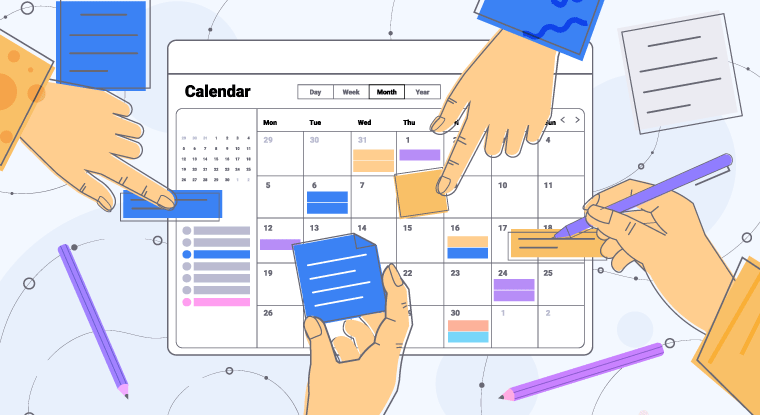
To successfully manage your side hustle, it's essential to create a schedule that balances your secondary work with your primary job or studies. This can be achieved by setting aside specific days or hours for your side hustle, ensuring it doesn't interfere with your main responsibilities. For instance, you could dedicate your weekends or evenings to your side hustle, depending on your primary job's schedule.
Managing administrative tasks is also crucial to the success of your side hustle. You should set aside time for tasks such as taxes, accounting, and record-keeping to avoid last-minute rushes or penalties. Creating a calendar reminder or allocating a specific day each month for these tasks can help you stay organized and focused.
Developing a system for tracking expenses and income is vital to ensure your side hustle remains profitable. This can be achieved by:
- Using a spreadsheet to log your income and expenses
- Implementing a cloud-based accounting software to automate tasks
- Setting up separate bank accounts for your side hustle to keep personal and business finances separate
By implementing these systems, you can easily monitor your side hustle's financial performance and make informed decisions to optimize its growth.
As your side hustle grows, it's essential to regularly review and adjust your schedule and systems to ensure they remain effective. This may involve delegating tasks, outsourcing certain responsibilities, or adjusting your pricing strategy to maintain profitability. By being proactive and adaptable, you can successfully manage your side hustle and achieve your financial goals.
Growing Your Side Hustle
To take your side hustle to the next level, it's essential to focus on continuous learning and development. This means identifying areas where you can improve and acquiring new skills to increase your earning potential. For instance, if you're a freelance writer, you could take online courses to learn about content marketing or SEO to offer more services to your clients.
Developing new skills can be done through various means, such as online courses, workshops, or attending industry events. You can also learn from others in your industry by reading their blogs, watching their videos, or listening to their podcasts. This will help you stay up-to-date with the latest trends and best practices in your field.
Networking with others in your industry is also crucial for growing your side hustle. This can be done by:
- Attending industry conferences and events to meet potential clients or collaborators
- Joining online communities and forums related to your niche
- Reaching out to people you admire in your industry for advice or mentorship
By building relationships with others in your industry, you can find new opportunities and collaborations that can help you grow your side hustle.
Using marketing and social media is another effective way to promote your side hustle and attract new clients or customers. You can start by creating a professional website or blog to showcase your services and portfolio. You can also leverage social media platforms like Facebook, Instagram, or Twitter to reach a wider audience and engage with potential clients. For example, you can share tips and advice related to your niche, or promote your services through targeted ads.

Common Side Hustle Mistakes to Avoid
When starting a side hustle, it's easy to get caught up in the excitement of potentially earning extra income. However, many people underestimate the amount of time and effort required to succeed, leading to burnout and disappointment. To avoid this, set realistic goals and prioritize tasks to ensure a sustainable workload.
As a side hustler, it's essential to keep expenses in check to maximize profits. Avoid overspending on unnecessary expenses or investments, such as expensive equipment or software, by making a list of essential costs and sticking to it. For example, consider using free or low-cost marketing tools, like social media, to reach customers instead of spending money on expensive advertising.
Some common mistakes to watch out for when managing your side hustle finances include:
- Not tracking expenses, leading to lost deductions and reduced tax refunds
- Investing in get-rich-quick schemes or unproven business opportunities
- Failing to set aside money for taxes and emergency funds
By being mindful of these potential pitfalls, you can make informed decisions and avoid financial setbacks.
Maintaining a healthy work-life balance is crucial for long-term success in your side hustle. Don't neglect your physical and mental health in pursuit of financial gain, as this can lead to decreased productivity and motivation. Take breaks, exercise regularly, and prioritize self-care activities, such as meditation or spending time with loved ones, to ensure you stay energized and focused on your goals.
To prioritize your well-being, try scheduling time for self-care into your daily or weekly routine, just as you would any other important task. This can include activities like taking a walk, reading a book, or cooking a healthy meal. By making your health a priority, you'll be better equipped to handle the demands of your side hustle and achieve long-term success.

Long-Term Financial Planning with Side Hustles
When it comes to managing your finances, having a side hustle can be a game-changer. With the extra income, you can tackle financial goals that may seem daunting with just one source of income. For instance, you can use your side hustle income to pay off high-interest debt, such as credit card balances, and free up more money in your budget for savings and investments.
Paying off high-interest debt is just the first step - you can also use your side hustle to build an emergency fund. This fund will provide a cushion in case of unexpected expenses or financial setbacks, helping you avoid going further into debt. By setting aside a portion of your side hustle income each month, you can build a safety net and achieve greater financial stability.
Investing in your future is another key aspect of long-term financial planning. You can invest in a retirement account, such as a Roth IRA, or explore other long-term investment vehicles, like index funds or real estate. These investments can help your money grow over time, providing a nest egg for retirement or other long-term goals.
Some popular options for investing your side hustle income include:
- 401(k) or other employer-sponsored retirement plans
- Individual retirement accounts (IRAs)
- Brokerage accounts for investing in stocks, bonds, or mutual funds
By exploring these options and finding what works best for you, you can make the most of your side hustle income and set yourself up for long-term financial success.
In addition to investing and debt repayment, you can also use your side hustle to fund big-ticket purchases or long-term goals, such as a down payment on a house, a car, or a dream vacation. By setting aside a portion of your side hustle income each month, you can make steady progress towards these goals without having to take on more debt. With patience and discipline, you can achieve financial freedom and enjoy the rewards of your hard work.

Frequently Asked Questions (FAQ)
What is the best side hustle for a college student?
As a college student, finding a side hustle that fits your busy schedule can be challenging. However, there are several options that can help you earn extra money while leveraging your existing skills. For instance, if you excel in a particular subject, you can offer tutoring services to your peers.
Freelancing is another excellent option, as it allows you to choose projects that align with your skills and interests. You can offer services such as writing, graphic design, or social media management, and work on a flexible schedule. This way, you can balance your academic responsibilities with your side hustle.
Some popular side hustles for college students include:
- Online surveys and market research
- Selling products online through platforms like eBay or Etsy
- Ride-sharing or food delivery services
- Participating in online gig economy, such as Fiverr or Upwork
These options can help you earn some extra money, but it's essential to choose one that fits your schedule and skills. By doing so, you can ensure a successful and sustainable side hustle that complements your college life.
To get started, identify your strengths and interests, and explore side hustles that align with them. You can also ask your friends, family, or mentors for advice and guidance. Additionally, consider using online platforms and resources, such as job boards or freelance websites, to find opportunities that match your skills and schedule.
How much money can I expect to make from a side hustle?
When it comes to side hustles, the earning potential can vary greatly. The amount of money you can make from a side hustle depends on several factors, including the type of hustle, your skills, and the demand for your services. For instance, freelance writing or graphic design can fetch higher rates if you have a strong portfolio and a solid client base.
The type of side hustle you choose also plays a significant role in determining your earnings. Some side hustles, such as dog walking or house sitting, may have lower earning potential compared to others like online tutoring or affiliate marketing. Your skills and expertise in a particular area can also impact your earnings, with specialized skills like coding or video production commanding higher rates.
Here are some factors that can influence your side hustle earnings:
- The demand for your services in the market
- The level of competition in your chosen side hustle
- Your ability to market and promote your services effectively
- The amount of time and effort you can dedicate to your side hustle
To give you a better idea, some side hustles can earn you around $10-$20 per hour, while others can fetch upwards of $50-$100 per hour. It's essential to research your market and understand what clients are willing to pay for your services to set competitive rates.
Practically, you can start by identifying your skills and interests, then researching the market demand for those skills. You can also use online platforms like Upwork or Fiverr to get an idea of what others are charging for similar services. By setting realistic expectations and being flexible, you can create a side hustle that generates a decent income and helps you achieve your financial goals.
Do I need to pay taxes on my side hustle income?
As a side hustler, it's essential to understand your tax obligations to avoid any potential penalties or fines. Generally, the IRS considers side hustle income as taxable, regardless of whether you receive a W-2 or a 1099 form. This means you'll need to report your earnings on your tax return, even if it's just a part-time or freelance gig.
The type of tax forms you'll need to file depends on your side hustle's structure and earnings. For example, if you're freelancing or running a sole proprietorship, you may need to file a Schedule C (Form 1040) to report your business income and expenses. You may also need to make estimated tax payments throughout the year to avoid penalties.
Here are some common tax forms and deductions you may need to consider:
- Form 1040: Your personal tax return, where you'll report your side hustle income
- Schedule C (Form 1040): For reporting business income and expenses as a sole proprietor
- Form 1099-MISC: For reporting miscellaneous income, such as freelance work or consulting fees
It's crucial to keep accurate records of your side hustle income and expenses, as this will help you determine your tax liability and potential deductions. You can use a spreadsheet or accounting software to track your earnings and expenses, making it easier to file your taxes when the time comes.
In terms of deductions, you may be able to claim business expenses related to your side hustle, such as home office expenses, equipment, or travel costs. For instance, if you use a dedicated space in your home for your side hustle, you may be able to deduct a portion of your rent or mortgage interest as a business expense. Be sure to consult with a tax professional or accountant to ensure you're taking advantage of all the deductions you're eligible for.