As a graduate, managing your finances effectively is crucial to securing a stable financial future. One often overlooked aspect of personal finance is tax planning, which can significantly impact your overall financial health. By understanding how to reduce your taxes, you can retain more of your hard-earned income and allocate it towards your goals.
Learning how to minimize your tax liability is a valuable skill that can benefit you throughout your life. With the right strategies, you can reduce the amount of taxes you owe and keep more of your money. For instance, taking advantage of tax deductions on student loan interest or charitable donations can lead to substantial savings.
There are numerous legal ways to reduce your taxes, and we will explore 22 of these secrets in detail. Some of these methods include:
- Tax-advantaged retirement accounts, such as 401(k) or IRA
- Itemizing deductions on your tax return
- Utilizing tax credits for education or home improvements
By implementing these strategies, you can potentially save thousands of dollars on your taxes and achieve your long-term financial objectives.
Understanding tax laws and regulations can seem daunting, but with the right guidance, you can make informed decisions about your finances. Our goal is to provide you with practical and actionable advice to help you navigate the complex world of taxation. By applying these 22 legal secrets, you can take control of your taxes and make the most of your money.

Understanding Tax Deductions
When it comes to reducing your taxable income, understanding tax deductions is key. Itemizing deductions allows you to claim more than the standard deduction, which can lead to significant savings on your tax bill. For instance, charitable donations and medical expenses can be itemized, providing a greater benefit than taking the standard deduction.
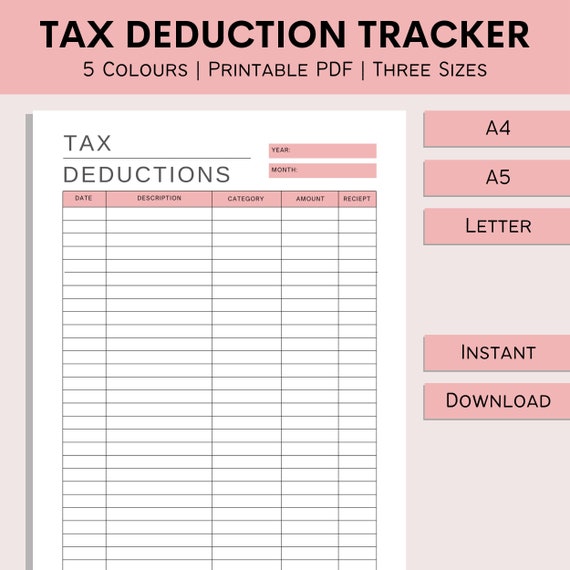
To maximize your deductions, it's essential to keep track of eligible expenses throughout the year. This includes charitable donations, such as cash gifts to qualified organizations, and medical expenses, like hospital bills and prescription medications. By keeping accurate records, you can ensure you're taking advantage of all the deductions available to you.
In addition to itemized deductions, tax credits can also provide significant savings. For low-to-moderate income workers, the Earned Income Tax Credit (EITC) is a valuable resource. This credit can result in a refund, even if you don't owe taxes, making it a crucial benefit for those who qualify.
Some other tax credits and deductions to consider include:
- The Child Tax Credit, which provides a credit for each qualifying child
- The Student Loan Interest Deduction, which allows you to deduct interest paid on student loans
- The Mortgage Interest Deduction, which provides a deduction for interest paid on a primary residence
For self-employed individuals, keeping accurate records of business expenses is crucial. This includes expenses like home office supplies, travel costs, and equipment purchases. By tracking these expenses, you can deduct them from your taxable income, reducing your tax liability and increasing your take-home pay.
Maximizing Retirement Contributions
When it comes to planning for retirement, contributing to a retirement account is one of the most effective ways to save. By putting money into a 401(k) or IRA, you can reduce your taxable income, which can lead to a lower tax bill. For example, if you contribute $5,000 to a 401(k), you may be able to reduce your taxable income by that same amount, resulting in a lower tax liability.
One of the benefits of contributing to a retirement account is the potential for tax-free growth and withdrawals in retirement. Consider a Roth IRA, which allows you to contribute after-tax dollars and then withdraw the money tax-free in retirement. This can be a great option for those who expect to be in a higher tax bracket in retirement.
To get the most out of your retirement contributions, take advantage of employer matching contributions. Many employers offer to match a certain amount of your 401(k) contributions, which can essentially give you free money for retirement. Here are some tips to keep in mind:
- Contribute enough to your 401(k) to maximize your employer match, as this is essentially free money for your retirement.
- Consider automating your contributions to make saving easier and less prone to being neglected.
- Review your retirement accounts regularly to ensure you are on track to meet your retirement goals.
In addition to taking advantage of employer matching contributions, it's also important to start saving for retirement as early as possible. The power of compound interest can help your retirement savings grow significantly over time, even with small, consistent contributions. By starting to save early and taking advantage of tax-advantaged accounts, you can set yourself up for a more secure retirement.
/msdyn_blobfile/$value)
Leveraging Tax Credits and Benefits
As a taxpayer, it's essential to take advantage of the various tax credits and benefits available to you. One such benefit is the Child Tax Credit, which can provide significant relief to eligible families with dependents. For instance, if you have a child under the age of 17, you may be able to claim a tax credit of up to $2,000 per child, depending on your income level.
To qualify for the Child Tax Credit, you'll need to meet certain requirements, such as having a qualifying child and meeting income thresholds. It's also important to note that the credit begins to phase out at higher income levels, so it's crucial to review the eligibility criteria carefully. You can find more information on the Child Tax Credit on the IRS website or by consulting with a tax professional.
In addition to the Child Tax Credit, there are other tax benefits available to individuals with education expenses. The Student Loan Interest Deduction, for example, allows you to deduct up to $2,500 in interest paid on qualified student loans. This can be a significant savings, especially for recent graduates or those still in school. To qualify, you'll need to meet certain income requirements and have paid interest on a qualified student loan.
Some other tax credits and benefits to explore include:
- The Savers Credit, which provides a tax credit of up to 50% of retirement contributions for low-to-moderate income individuals
- The Earned Income Tax Credit (EITC), which provides a refundable tax credit for working individuals and families
- The American Opportunity Tax Credit, which provides a tax credit of up to $2,500 for education expenses
It's worth noting that these credits and benefits have different eligibility requirements and income limits, so it's essential to review the criteria carefully to determine which ones you may be eligible for.
To maximize your tax savings, it's a good idea to keep accurate records of your expenses and income throughout the year. This will help you identify which tax credits and benefits you may be eligible for and ensure you're taking advantage of all the savings available to you. By doing so, you can reduce your tax liability and keep more of your hard-earned money.
Investing in Tax-Efficient Vehicles
When it comes to investing, minimizing taxes is key to maximizing your returns. One effective way to do this is by investing in index funds or ETFs, which offer a tax-efficient way to grow your wealth over time. By holding a diversified portfolio of stocks or bonds, you can reduce your tax liability and keep more of your hard-earned money.
Investing in tax-efficient vehicles requires some planning and strategy. For example, you can consider tax-loss harvesting to offset capital gains from other investments. This involves selling securities that have declined in value to realize losses, which can then be used to offset gains from other investments, reducing your tax bill.
Here are some benefits of tax-loss harvesting:
- Reduces capital gains tax liability
- Allows you to rebalance your portfolio
- Can be used to offset gains from other investments
By taking advantage of tax-loss harvesting, you can minimize your tax bill and keep more of your investment returns.
Another often-overlooked tax-efficient vehicle is a Health Savings Account (HSA). An HSA allows you to set aside pre-tax dollars for medical expenses, reducing your taxable income and lowering your tax bill. You can use an HSA to pay for qualified medical expenses, such as doctor visits, prescriptions, and hospital stays, and the funds can be invested for long-term growth.
To get the most out of an HSA, consider the following tips:
- Contribute as much as possible to your HSA each year
- Invest your HSA funds for long-term growth
- Keep receipts for qualified medical expenses to reimburse yourself from your HSA
By utilizing an HSA and investing in tax-efficient vehicles, you can reduce your tax liability and keep more of your hard-earned money, achieving your long-term financial goals.

Staying Informed and Organized
Staying on top of your finances requires being informed and organized, especially when it comes to taxes. Tax laws and regulations can change frequently, so it's essential to stay up-to-date with the latest updates to avoid any potential pitfalls. For instance, you can visit the official website of your country's tax authority to get the latest information on tax law changes.
To ensure you're taking advantage of all the tax deductions and credits you're eligible for, consider consulting a tax professional or financial advisor. They can provide personalized guidance tailored to your specific situation, helping you make informed decisions about your finances. This is particularly useful if you're self-employed or have complex tax situations.
Keeping accurate and organized records is crucial for tax season, as it will make it easier to file your taxes and reduce the risk of errors or audits. Here are some tips to help you stay organized:
- Keep all your financial documents, including receipts and invoices, in a designated folder or digital storage system
- Set up a system for tracking your expenses and income throughout the year
- Make sure to update your records regularly to reflect any changes in your financial situation
By following these tips, you'll be well-prepared for tax season and can avoid the stress and hassle that comes with last-minute scrambling. Additionally, having a clear understanding of your financial situation will help you make better decisions about your money and achieve your long-term goals.

Frequently Asked Questions (FAQ)
What is the difference between a tax deduction and a tax credit?
When it comes to taxes, understanding the difference between a tax deduction and a tax credit can help you make the most of your return. A tax deduction reduces your taxable income, which in turn reduces the amount of tax you owe. For example, if you have a deduction of $1,000 and you're in a 20% tax bracket, you'll save $200 in taxes.
On the other hand, a tax credit directly reduces the amount of tax you owe, dollar for dollar. This means that if you have a tax credit of $1,000, you'll owe $1,000 less in taxes, regardless of your tax bracket. Tax credits are generally more valuable than tax deductions, as they provide a direct reduction in tax liability.
Here are some key differences between tax deductions and tax credits:
- Tax deductions reduce taxable income, while tax credits reduce the amount of tax owed
- Tax deductions are subject to income limits and phase-outs, while tax credits are not always subject to these limits
- Tax deductions can be itemized or taken as a standard deduction, while tax credits are typically claimed on specific forms or schedules
To maximize your tax savings, it's essential to understand which tax deductions and credits you're eligible for. You can consult with a tax professional or use tax preparation software to help you navigate the process. By taking advantage of available tax deductions and credits, you can reduce your tax liability and keep more of your hard-earned money.
Can I claim tax deductions for home office expenses?
As a self-employed individual or remote worker, you may be wondering if you can claim tax deductions for home office expenses. The good news is that you may be eligible to deduct a portion of your home expenses on your tax return, which can help reduce your taxable income. This can be a significant benefit, especially if you use a dedicated space for work.
To qualify for the home office deduction, you must use a specific area of your home regularly and exclusively for business purposes. This can be a dedicated home office, a studio, or even a garage converted into a workspace. For example, if you're a freelance writer, you can deduct the expenses related to the room where you work, as long as it's used only for writing and not for personal activities.
Here are some common home office expenses that you may be able to deduct:
- Rent or mortgage interest
- Utilities, such as electricity and internet
- Home maintenance and repairs
- Office furniture and equipment
- Insurance premiums
Keep in mind that you'll need to calculate the business use percentage of your home to determine the deductible amount, which can be done using the simplified option or the actual expenses method.
It's essential to keep accurate records of your home office expenses, including receipts, invoices, and bank statements, to support your tax deduction claim. You can also consult with a tax professional or use tax software to help you navigate the process and ensure you're taking advantage of all the deductions you're eligible for. By doing so, you can minimize your tax liability and maximize your refund.
How can I avoid tax penalties and audits?
Maintaining accurate and detailed records is essential for avoiding tax penalties and audits. This includes keeping track of all income, expenses, and charitable donations throughout the year. By doing so, you can ensure that your tax return is complete and accurate, reducing the risk of errors or discrepancies that may trigger an audit.
Timely filing is also crucial, as missing the tax filing deadline can result in penalties and interest on any taxes owed. It's a good idea to mark your calendar with important tax deadlines, such as the annual income tax filing deadline, to ensure you never miss a filing date. Additionally, you can file for an extension if you need more time to gather your documents or complete your return.
To minimize the risk of tax penalties and audits, consider seeking professional guidance from a tax expert or accountant. They can help you navigate the complex tax code and ensure you're taking advantage of all eligible deductions and credits. Here are some ways a tax professional can assist you:
- Reviewing your tax return for accuracy and completeness
- Identifying potential audit triggers and addressing them proactively
- Providing guidance on tax planning and strategy to minimize your tax liability
By following these tips, you can reduce your risk of tax penalties and audits. For example, if you're self-employed or have a side hustle, you may need to make estimated tax payments throughout the year to avoid penalties. By staying on top of your tax obligations and seeking professional guidance when needed, you can enjoy peace of mind and avoid costly mistakes.