Achieving financial independence is a dream for many, and it's inspiring to see individuals who have made it a reality. The story of someone who retired early with ₹4.7 Crore is a remarkable example, as it was accomplished without relying on side hustles or stock tips. This feat is a testament to the power of careful planning and disciplined investing.
The individual's journey to financial freedom is a valuable case study for young adults seeking to achieve similar goals. By understanding the strategies and principles that guided their decisions, others can apply these lessons to their own lives. For instance, creating a well-structured investment portfolio and avoiding get-rich-quick schemes are essential steps towards securing one's financial future.
Some key takeaways from this success story include:
- Starting to invest early, even with small amounts, can have a significant impact over time
- Having a clear understanding of one's financial goals and risk tolerance is crucial for making informed investment decisions
- Consistency and patience are vital when it comes to investing, as they help to ride out market fluctuations and stay focused on long-term objectives
By embracing these principles and staying committed to their financial plans, young adults can set themselves on the path to achieving their own goals, whether that's early retirement or simply securing a stable financial future.

Understanding the Importance of Early Retirement Planning
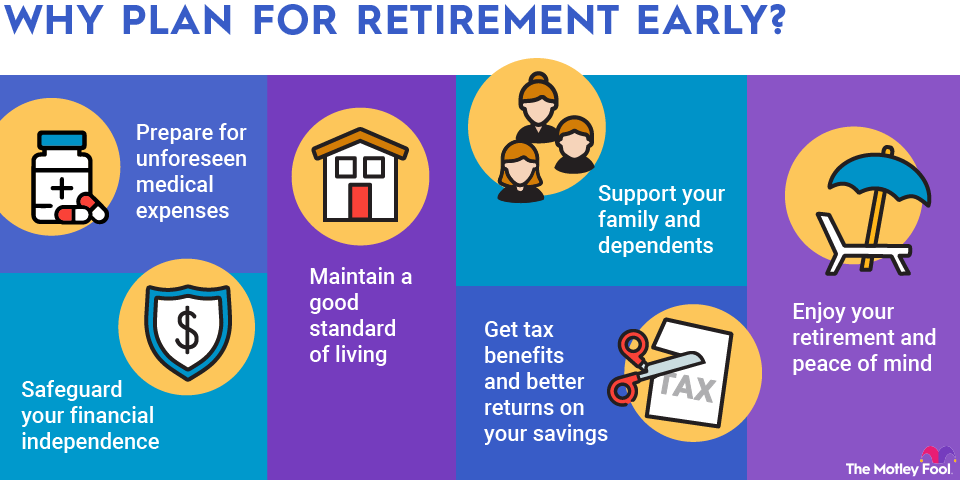
Retiring early can be a dream come true for many, offering increased freedom and the ability to pursue personal interests without financial stress. This allows individuals to focus on their passions and hobbies, rather than being tied to a 9-to-5 job. By having the financial means to support themselves, early retirees can enjoy a sense of security and peace of mind.
Planning and saving for retirement from a young age can significantly impact the outcome, as it allows for the power of compound interest to work in one's favor. For example, using the rule of 72, which estimates how long it takes for an investment to double in value, we can see the importance of starting early. By beginning to save and invest at a young age, individuals can potentially double their retirement savings multiple times over the course of their working life.
Some of the benefits of early retirement planning include:
- Increased freedom to travel and explore new places
- More time to spend with loved ones, such as family and friends
- The ability to pursue personal interests and hobbies without financial stress
These benefits can lead to a healthier and more fulfilling life, as individuals are able to prioritize their well-being and happiness. By having the time and resources to focus on their physical and mental health, early retirees can enjoy a better quality of life.
In terms of practical tips, it's essential to start by setting clear retirement goals and creating a personalized plan. This can involve working with a financial advisor, setting up a retirement account, and making regular contributions. By taking small steps towards early retirement planning, individuals can make significant progress over time and set themselves up for long-term success.
Key Strategies for Achieving Financial Independence
Achieving financial independence requires discipline and a well-thought-out plan. Living below one's means is essential, as it allows individuals to allocate a significant portion of their income towards savings and investments. By doing so, they can build wealth over time and secure their financial future.
Creating a budget is a crucial step in achieving financial independence. A budget helps individuals track their income and expenses, making it easier to identify areas where they can cut back and allocate more funds towards savings and investments. For instance, using the 50/30/20 rule, which allocates 50% of income towards necessities, 30% towards discretionary spending, and 20% towards savings and investments, can be a useful guideline.
Investing in a diversified portfolio is another key strategy for achieving financial independence. This can include low-cost index funds, which provide broad market exposure and tend to be less expensive than actively managed funds.
- Real estate investment trusts (REITs) can also be a viable option, offering a way to invest in property without directly managing physical assets.
- Diversifying across different asset classes can help reduce risk and increase potential returns over the long term.
When it comes to allocating income, it's essential to strike a balance between necessities, discretionary spending, and savings/investments. The 50/30/20 rule can serve as a starting point, but individuals should feel free to adjust the proportions based on their unique financial circumstances. For example, those with high-interest debt may want to allocate a larger percentage of their income towards debt repayment.
Investing for the long term requires patience and discipline, as it can take time for wealth to grow. By starting early and consistently allocating a portion of their income towards savings and investments, individuals can take advantage of compound interest and increase their chances of achieving financial independence. Regularly reviewing and adjusting one's budget and investment portfolio can also help ensure that they remain on track to meet their financial goals.

Avoiding Common Financial Pitfalls
When it comes to managing your finances, it's easy to fall into common pitfalls that can hinder your progress. One of the most significant mistakes is getting into high-interest debt, such as credit card debt, which can quickly spiral out of control. For instance, if you have a credit card balance of $2,000 with an interest rate of 18%, you could end up paying over $400 in interest alone over the course of a year.
To avoid this, it's essential to pay off debt quickly, and one effective strategy is the snowball method. This involves paying off your debts with the smallest balances first, while making minimum payments on larger debts. By doing so, you'll gain momentum and see progress faster, which can be a great motivator.
Another common pitfall is making emotional investment decisions based on market volatility. When the market fluctuates, it's natural to feel anxious or excited, but it's crucial to take a step back and maintain a long-term perspective. This means avoiding impulsive decisions, such as selling stocks during a downturn or investing in a hot trend without proper research.
To invest wisely, consider the following strategies:
- Set clear financial goals and risk tolerance before investing
- Diversify your portfolio to minimize risk
- Regularly review and adjust your investment portfolio as needed
By taking a calm and informed approach, you can avoid making costly mistakes and stay on track with your long-term financial goals.
Lifestyle inflation is another financial pitfall that can sneak up on you, especially as your income increases. This occurs when you inflate your spending habits to match your rising income, rather than prioritizing savings and investments. For example, if you receive a 10% raise, you might be tempted to upgrade your car or move to a more expensive apartment, but it's essential to resist this temptation and instead direct excess funds towards your financial goals.
To avoid lifestyle inflation, try the following:
- Allocate 50-30-20: 50% of your income towards necessities, 30% towards discretionary spending, and 20% towards saving and debt repayment
- Prioritize needs over wants, and make conscious spending decisions
- Automate your savings and investments to make progress towards your goals
By being mindful of your spending habits and prioritizing your financial goals, you can build a stable and secure financial future.

Applying the Lessons to Your Own Life
To start applying the lessons to your own life, begin by taking a close look at your current financial situation. This includes assessing your income, expenses, debts, and savings to get a clear picture of where you stand. Make a list of all your income sources and expenses to identify areas where you can cut back and allocate funds more efficiently.
Next, create a personalized financial plan that suits your needs and goals. This plan should include setting realistic retirement goals, such as saving for a down payment on a house or building an emergency fund. Consider your risk tolerance and time horizon when choosing investment vehicles, such as stocks, bonds, or mutual funds.
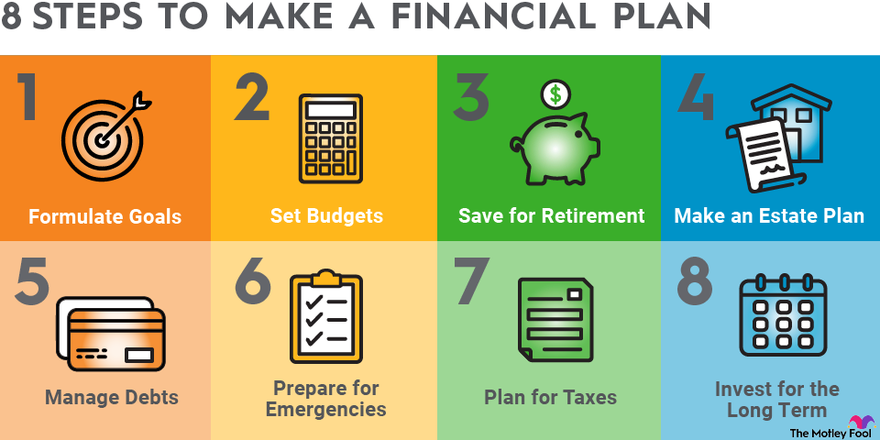
Here are some steps to follow when creating your financial plan:
- Set specific, measurable, and achievable financial goals, including short-term and long-term objectives
- Determine your net worth by subtracting your total debts from your total assets
- Choose investment vehicles that align with your risk tolerance and financial goals
For example, if you're saving for retirement, you may want to consider contributing to a 401(k) or IRA, which offer tax benefits and potentially higher returns over the long term.
Discipline, patience, and consistency are key to following through with your financial plan over the long term. Avoid getting caught up in get-rich-quick schemes or making impulsive financial decisions based on emotions. Instead, focus on making steady progress towards your goals, even if it's just a small step each month, such as increasing your savings rate or paying off a little extra debt.
By staying committed to your financial plan and making adjustments as needed, you can achieve financial stability and security over time. Remember to regularly review and update your plan to reflect changes in your income, expenses, or goals. With time and effort, you can build a brighter financial future and achieve your long-term objectives.
Staying Motivated on the Path to Early Retirement
Saving and investing for early retirement can be a long and challenging journey, requiring discipline and perseverance. The psychological aspects of this process should not be underestimated, as procrastination and lack of motivation can hinder progress. To overcome these obstacles, it's essential to understand the importance of setting clear financial goals and tracking progress.
Achieving financial milestones can provide a tremendous sense of accomplishment and reinforce positive financial behaviors. These milestones can be as simple as paying off debt, building an emergency fund, or reaching a certain savings threshold. By celebrating these achievements, individuals can stay motivated and focused on their long-term goals.
One effective way to stay motivated is to find like-minded individuals who share similar financial goals. This can be done by joining online communities, such as forums or social media groups, where people can share their experiences and learn from others. Some popular online communities include Reddit's r/financialindependence and r/retireearly, where individuals can connect with others who are on a similar path.
In addition to online communities, local meetups can also be a great way to connect with like-minded individuals. These meetups can provide opportunities to learn from others, share knowledge and experiences, and stay motivated. Some examples of local meetups include:
- Financial independence groups, which often host seminars and workshops on topics such as investing and tax optimization
- Early retirement groups, which may organize meetups and outings for individuals who share similar goals
- Investing clubs, which can provide a platform for individuals to learn about different investment strategies and share knowledge
Tracking progress and celebrating financial milestones can also be done using various tools and resources. For example, spreadsheets or budgeting apps can help individuals monitor their savings and investments, while also providing a sense of accomplishment as they reach certain milestones. By using these tools and connecting with others who share similar goals, individuals can stay motivated and focused on their path to early retirement.
Ultimately, staying motivated on the path to early retirement requires a combination of discipline, perseverance, and support. By setting clear financial goals, tracking progress, and connecting with like-minded individuals, individuals can overcome procrastination and stay focused on their long-term objectives. With the right mindset and support, achieving early retirement can become a reality, providing a sense of financial independence and freedom.

Frequently Asked Questions (FAQ)
Is it possible to retire early without any side hustles or investments in stocks?
Retiring early is a dream for many, and it's often assumed that it requires a side hustle or investing in stocks. However, with careful planning and discipline, it's possible to achieve this goal without taking on extra work or risking your money in the stock market. By focusing on saving and budgeting, you can set yourself up for success and create a comfortable retirement.
Diligent saving is key to retiring early, and it's essential to start as soon as possible. This means creating a budget that accounts for all your expenses and prioritizing saving for retirement. For example, you can take advantage of tax-advantaged retirement accounts such as 401(k) or IRA, and contribute to them regularly.
A well-diversified investment strategy is also crucial, and it doesn't have to involve stocks. You can consider low-risk investments such as:
- bonds, which provide a fixed income and relatively low risk
- certificates of deposit (CDs), which are time deposits offered by banks with a fixed interest rate
- money market funds, which invest in low-risk, short-term debt securities
These investments may not offer the highest returns, but they can provide a steady income stream and help you achieve your retirement goals.
Smart budgeting is also essential for retiring early, and it's not just about saving money, but also about making the most of your resources. This means being mindful of your spending habits, avoiding debt, and finding ways to reduce your expenses. For instance, you can consider downsizing your home, cooking at home instead of eating out, and canceling subscription services you don't use.
By combining diligent saving, smart budgeting, and a well-diversified investment strategy, you can increase your chances of retiring early without relying on side hustles or stock investments. It's essential to be patient, disciplined, and flexible, and to regularly review and adjust your plan to ensure you're on track to meet your goals. With time and effort, you can create a comfortable and secure retirement, even without taking on extra work or risking your money in the stock market.
How much should I save each month to achieve early retirement?
When it comes to saving for early retirement, the amount you should set aside each month can vary greatly depending on your individual circumstances. Your current age, desired retirement age, and expected expenses in retirement all play a significant role in determining how much you should save. For example, if you're starting to save at a young age, you may be able to get away with saving a smaller percentage of your income.
A general rule of thumb is to save at least 20% of your income each month, but this can be adjusted based on your specific situation. If you're closer to your desired retirement age, you may need to save a larger percentage of your income to catch up. It's essential to consider your expected expenses in retirement, such as housing, food, and healthcare costs, when determining how much to save.
To give you a better idea, here are some factors to consider when calculating your monthly savings:
- Current age and desired retirement age
- Expected expenses in retirement, including housing, food, and healthcare costs
- Current income and potential for future income growth
- Any existing retirement accounts or savings
By taking these factors into account, you can create a personalized savings plan that will help you achieve your goal of early retirement. It's also a good idea to review and adjust your plan regularly to ensure you're on track to meet your goals.
What role does compound interest play in achieving early retirement?
Compound interest is a powerful force that can significantly grow your savings over time, making it a crucial component of a long-term investment strategy. By starting to save and invest early, you can harness the power of compound interest to build a substantial nest egg for retirement. For instance, if you begin saving $500 per month at age 25, you could potentially accumulate a sizable amount by the time you reach your desired retirement age.
When it comes to achieving early retirement, compound interest plays a vital role in growing your investments exponentially. As your savings earn interest, that interest is then reinvested, generating even more interest and creating a snowball effect. This concept can be illustrated by considering a retirement account that earns an average annual return of 7%, where the interest earned in one year becomes the base for the next year's interest.
To maximize the benefits of compound interest, consider the following strategies:
- Start saving and investing as early as possible to give your money more time to grow
- Be consistent with your investments, even if it's a small amount each month
- Take advantage of tax-advantaged retirement accounts, such as 401(k) or IRA, to optimize your savings
By implementing these strategies and allowing compound interest to work in your favor, you can potentially achieve your goal of early retirement and enjoy the financial freedom that comes with it.
Additionally, it's essential to understand how compound interest works in different types of investments, such as stocks, bonds, or mutual funds. By doing so, you can make informed decisions about your investment portfolio and create a tailored plan that suits your retirement goals and risk tolerance. With patience, discipline, and a solid understanding of compound interest, you can set yourself up for success and achieve a comfortable early retirement.