As a graduate, managing student loans can be overwhelming, especially with the numerous options and repayment plans available. The recent proposal to have the Small Business Administration (SBA) handle student loans has sparked intense debate, with many wondering how this change would impact borrowers. This potential shift in management could significantly affect the way loans are serviced and repaid.
One of the primary concerns is how the SBA would handle the complex process of student loan repayment, which is currently managed by the Department of Education. The SBA's experience lies in supporting small businesses, so it's unclear how they would adapt to managing student loans. For instance, would they be able to provide the same level of support and guidance that borrowers currently receive from the Department of Education?
Some of the implications of this proposal for borrowers include:
- Potential changes to repayment plans and interest rates
- Shifts in customer service and support
- Uncertainty around loan forgiveness programs
These changes could have a significant impact on borrowers, who may need to adjust their budget and repayment strategies accordingly. It's essential for borrowers to stay informed and up-to-date on any developments related to this proposal.
Borrowers can prepare for potential changes by reviewing their current loan terms and repayment plans, as well as exploring alternative options for managing their debt. By staying proactive and informed, borrowers can minimize any disruption caused by a potential change in management. Additionally, borrowers can look to resources like BudgetWiseGrad for guidance and support in navigating the complex world of student loans.
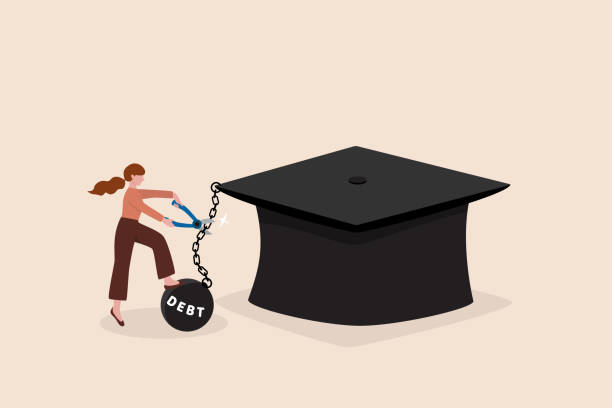
Understanding the Proposal
The idea of having the Small Business Administration handle student loans may seem unconventional, but it's essential to understand the reasoning behind this proposal. This change aims to bring a more business-oriented approach to managing student loans, potentially leading to more efficient and effective administration. By leveraging the SBA's experience in handling small business loans, the government hopes to streamline the process and reduce costs.
One of the potential benefits of this proposal is that it could lead to more flexible repayment options for students. The SBA has experience in working with small businesses to create customized repayment plans, which could be applied to student loans as well. This approach could help reduce the burden of debt on students and make loan repayment more manageable.
However, there are also potential drawbacks to consider, such as the possibility of increased interest rates or fees. The SBA's primary focus is on supporting small businesses, so it's unclear whether they would be able to provide the same level of support and resources to student loan borrowers. Some of the key concerns include:
- Potential lack of expertise in handling student loans
- Increased costs or fees for borrowers
- Reduced access to certain loan programs or benefits
The impact on the current student loan system could be significant, with potential changes to the way loans are administered and serviced. For example, the SBA might introduce new underwriting criteria or credit scoring models, which could affect who is eligible for loans and at what interest rates. This change could also lead to a more privatized student loan system, with the SBA partnering with private lenders to offer loans.
Other countries have successfully managed student loans through similar models, such as the income-contingent loan program in Australia. In this system, borrowers repay their loans as a percentage of their income, rather than a fixed monthly amount. This approach has helped reduce default rates and make loan repayment more affordable for students. Similarly, some institutions, like the University of California, have implemented income-driven repayment plans, which have shown promising results in reducing debt burden on students.
Impact on Borrowers
The proposed change in loan policies can significantly impact borrowers' financial situations. Borrowers may face changes in their repayment options, interest rates, and overall debt burden, making it essential to understand the potential effects. For instance, an increase in interest rates can lead to higher monthly payments, making it challenging for borrowers to manage their debt.
Borrowers who rely on income-driven repayment plans may see changes in their monthly payment amounts or eligibility criteria. These plans, such as Income-Based Repayment (IBR) and Pay As You Earn (PAYE), can help borrowers manage their debt by capping monthly payments at a percentage of their income. Potential changes to these plans can affect borrowers' ability to afford their monthly payments.
Some potential changes to borrower benefits include:
- Adjustments to forgiveness programs, such as Public Service Loan Forgiveness (PSLF)
- Modifications to interest rate subsidies or caps
- Changes to borrower protections, such as forbearance or deferment options
These changes can have a significant impact on borrowers' financial well-being, making it crucial to stay informed and adapt to potential changes.
To prepare for potential changes, borrowers can take several steps to protect their financial interests. They can start by reviewing their current loan terms and repayment options to understand how changes may affect them. Borrowers can also consider consolidating their loans or refinancing to a lower interest rate, if possible, to reduce their debt burden.
Borrowers can also take proactive steps, such as:
- Creating a budget and prioritizing debt repayment
- Building an emergency fund to cover unexpected expenses
- Staying informed about changes to loan policies and regulations
By being proactive and informed, borrowers can better navigate potential changes and make informed decisions about their debt.

Alternative Solutions for Managing Debt
When it comes to managing student loan debt, there are several alternative solutions to consider. Refinancing, consolidation, and income-driven repayment plans are popular options that can help borrowers simplify their payments and reduce their debt burden. For instance, refinancing can help borrowers take advantage of lower interest rates, while consolidation can combine multiple loans into a single, more manageable payment.
Creating a budget is a crucial step in managing debt, and prioritizing debt repayment is essential for making progress. To start, borrowers should track their income and expenses to understand where their money is going, and then allocate a significant portion towards debt repayment. This can be done by using the 50/30/20 rule, where 50% of income goes towards necessities, 30% towards discretionary spending, and 20% towards saving and debt repayment.
One effective strategy for paying off debt is to focus on high-interest loans first. This can be done by making a list of all outstanding loans, including their balances and interest rates, and then prioritizing the loans with the highest interest rates. For example:
- Make a list of all outstanding loans, including their balances and interest rates
- Prioritize the loans with the highest interest rates
- Consider making extra payments towards these loans to pay them off more quickly
By tackling high-interest loans first, borrowers can save money on interest and make progress towards becoming debt-free.
In addition to creating a budget and prioritizing debt repayment, borrowers can also explore side hustles or additional income streams to help pay off their loans more quickly. This can include freelancing, selling items online, or taking on a part-time job. By dedicating this extra income towards debt repayment, borrowers can make significant progress and pay off their loans faster. For example, a borrower who earns an extra $500 per month through a side hustle can put this money towards their loans and potentially pay them off years ahead of schedule.
Income-driven repayment plans are another option for borrowers who are struggling to make their payments. These plans base monthly payments on a borrower's income and family size, and can help make loan payments more affordable. To take advantage of these plans, borrowers should research their options and contact their loan servicer to discuss their eligibility. By exploring these alternative solutions and creating a solid plan for debt repayment, borrowers can take control of their finances and make progress towards a debt-free future.

Investing in Financial Health
Investing in your financial health is a crucial step towards securing your future and achieving long-term stability. By prioritizing your financial well-being, you can create a safety net that protects you from unexpected expenses and helps you reach your goals. Building an emergency fund, for example, can provide peace of mind and prevent you from going into debt when unexpected costs arise.
One key aspect of investing in financial health is balancing debt repayment with other financial goals, such as saving for a down payment on a house. This can be achieved by creating a budget that allocates a specific amount each month towards debt repayment, savings, and investments. By doing so, you can make steady progress towards becoming debt-free while also working towards your long-term objectives.
To get started, consider the following steps:
- Assess your current financial situation and identify areas for improvement
- Set specific, achievable goals, such as paying off a certain amount of debt or building an emergency fund
- Explore resources, such as budgeting apps and financial podcasts, to learn more about personal finance and investing
Some popular budgeting apps include Mint and You Need a Budget (YNAB), which offer tools and guidance to help you manage your finances effectively. Additionally, financial podcasts like The Dave Ramsey Show and Planet Money provide valuable insights and advice on investing and managing debt.
Retirement savings is another critical aspect of investing in financial health, as it allows you to build a nest egg that will support you in your later years. By contributing to a retirement account, such as a 401(k) or IRA, you can take advantage of compound interest and create a secure financial future. For instance, contributing just $100 per month to a retirement account can add up to a significant amount over time, especially if your employer offers matching contributions.
For those looking to learn more about personal finance and investing, there are numerous resources available. Financial podcasts, such as Radical Personal Finance and The Motley Fool's Money Podcast, offer expert advice and insights on investing and managing debt. Online courses and workshops, such as those offered by Coursera and Udemy, can also provide a comprehensive education on personal finance and investing. By taking advantage of these resources, you can gain the knowledge and skills needed to invest in your financial health and secure a brighter financial future.

Next Steps for Borrowers
Now that the proposal has been introduced, borrowers are likely wondering what's next. The key takeaways from the proposal include potential changes to interest rates, repayment terms, and forgiveness options. These changes could have a significant impact on borrowers, making it essential to stay informed and up-to-date on the latest developments.
For borrowers who want to get involved, there are several ways to take action. One step is to contact their representatives and express their opinions on the proposal. This can be done by visiting the representative's website, sending an email, or making a phone call.
Some resources for borrowers to get involved include:
- The official government website, which provides updates on the proposal and its progress
- Non-profit organizations focused on student loan reform, which often offer advocacy tools and resources
- Online forums and communities, where borrowers can connect with others and share their experiences
By staying engaged and informed, borrowers can make their voices heard and help shape the future of student loan reform.
To stay informed, borrowers can follow reputable news sources and sign up for newsletters from organizations focused on student loan reform. Additionally, borrowers can attend town hall meetings or webinars to learn more about the proposal and its potential impact. By taking these steps, borrowers can ensure they are prepared for any changes that may come their way.
Borrowers can also take practical steps to prepare for potential changes, such as reviewing their current loan terms and exploring alternative repayment options. For example, borrowers can consider income-driven repayment plans or loan consolidation, which may help reduce their monthly payments. By being proactive and informed, borrowers can navigate the complex world of student loan reform with confidence.

Frequently Asked Questions (FAQ)
How will the Small Business Administration's involvement affect my student loan interest rates?
As a student loan borrower, it's natural to wonder how the Small Business Administration's involvement could impact your interest rates. The truth is, the impact on interest rates is uncertain and depends on the specifics of the proposal and its implementation. This uncertainty can make it challenging to predict exactly how your student loan interest rates will be affected.
When considering the potential effects of the Small Business Administration's involvement, it's essential to look at the broader context of student loan policies. The administration's proposal may aim to provide relief to small businesses, but its indirect impact on student loan interest rates could be significant. For instance, changes in economic conditions or federal funding priorities could influence interest rates.
To better understand the potential implications, let's examine some key factors that could influence interest rates:
- Legislative changes: Any changes to laws or regulations governing student loans could impact interest rates.
- Economic conditions: Fluctuations in inflation, employment rates, or GDP growth could affect interest rates.
- Federal budget allocations: Shifts in federal funding priorities or budget allocations could also impact student loan interest rates.
These factors can interact with each other in complex ways, making it difficult to predict exactly how interest rates will change.
For now, it's crucial to stay informed about developments related to the Small Business Administration's proposal and its potential effects on student loan policies. By monitoring news and updates from credible sources, you can gain a better understanding of how your student loan interest rates might be affected. Additionally, consider consulting with a financial advisor or student loan expert to get personalized advice on managing your debt.
Will the proposal change the types of student loans available to borrowers?
The proposal has sparked significant interest and debate among students, parents, and financial experts. One of the key concerns is how it may impact the types of student loans available to borrowers. As it stands, the proposal may lead to changes in the types of loans offered, but the details are still unclear and require further clarification.
To better understand the potential implications, it's essential to consider the current landscape of student loans. There are various types of loans available, including federal loans, private loans, and parent loans. For instance, federal loans, such as Direct Subsidized and Unsubsidized Loans, offer more favorable terms and conditions compared to private loans.
Some of the possible changes to student loans include:
- Shifts in interest rates or repayment terms
- Introduction of new loan types, such as income-driven repayment loans
- Modifications to existing loan forgiveness programs
These changes could have a significant impact on borrowers, and it's crucial to stay informed about the developments. By understanding the potential implications, students and parents can make more informed decisions about their financial aid options.
In the coming months, it's likely that more information will become available, providing clarity on the proposal's impact on student loans. In the meantime, students and parents can take practical steps to prepare, such as researching different loan options, creating a budget, and exploring alternative funding sources. By being proactive and staying up-to-date on the latest developments, individuals can navigate the changing landscape of student loans with confidence.
What can I do to prepare for potential changes to the student loan system?
Staying informed is key to preparing for potential changes to the student loan system. This can be as simple as following reputable financial news sources or government websites to stay up-to-date on the latest developments. By doing so, borrowers can anticipate and adapt to any changes that may affect their loan repayments.
Reviewing your budget is also crucial in preparing for potential changes. Take some time to assess your income and expenses, and identify areas where you can cut back on unnecessary spending. This will help you build an emergency fund and ensure you have a cushion in case your loan repayments increase.
Considering alternative debt management strategies can also help borrowers prepare for potential changes. For example, you may want to look into income-driven repayment plans or loan forgiveness programs. Some options to consider include:
- Income-based repayment plans, which cap your monthly payments at a certain percentage of your income
- Public Service Loan Forgiveness programs, which forgive a portion of your loan balance after a certain number of qualifying payments
- Consolidation options, which can simplify your payments and potentially lower your interest rate
In addition to these strategies, borrowers can also prepare by paying more than the minimum payment each month. This can help reduce the principal balance of your loan and save you money on interest over time. Even an extra $10 or $20 per month can make a big difference in the long run.